
What are families like in the Basque Country today?
One third of households are single-person, and more than 100,000 are single-parent.


The Basque Country is in the midst of change, as well as its family map. As the State and Basque regulations on single-parent families are progressing, the latest data published by Eustat have put on the table what the households of the Basque Country are like and how we live.
The total number of dwellings in the CAE is 937,737, with 2,201,462 residents, with a birth rate of 1.28 children per woman in the Basque Country.
The most common family, then, is that of a single person (290,497), followed by "nuclear with children" (289,361) and "nuclear without children" (203,190).
The number of households has decreased from 2.48 persons per household in 2015 to 2.35 in 2023, reflecting a tendency towards smaller and more fragmented households.
When did the change come?
If we look at the data, there is no decisive moment; that is, the nuclear houses did not cease to be the majority at some point, but it has been a gradual process.
- Inthe late 80s and early 90s, the number of single-person families increased considerably.
- 2001: single-person families accounted for approximately 20% of the total.
- 2023: single-person households account for 31%, and for the first time they outnumber nuclear households with children.
One third of the houses are inhabited by one person.
In the Basque Country, of the 937,737 registered dwellings 290,497 , only one person lives da. They account for 31% of the total number of dwellings and are the most common type of unit. Society has grown older, which means that life expectancy is higher, so that changes in living habits explain this sustained growth.

Families with children are still key, but they're not dominant.
Nuclearhouseholdswith children are 289,361 (30.9%), very similar to single-person households.
Nuclearhouseholds without children dira, 203,190 (21.7%). This category includes all couples who live without children, either because they have no children, or because they have decided not to have them, or because their children do not live in their homes.

Over 100,000 single-parent families.
Single-parent families are now 101,050 (10.8 per cent), so we can say that this is a large group today, most of which are headed by women, which explains why the decree in question uses the term single-parent families headed by mothers as a specific category for access to rights and assistance.
This group includes some of the greatest weaknesses, such as lower disposable income, greater difficulties in reconciling work and family life, and greater risk of poverty, so administrative recognition and economic support measures are one of the main points of institutional debate.

Family models "unusual", but significant
There are, though in a smaller proportion, less numerous but more significant realities;
- Multicore is 18,002 (1.9%).
- Several unrelated persons, 24,647 households (2.6%): non-family units; it is common to distribute rent.
- Families without nucleus 10,990 (1.2%): households made up of relatives without parents (siblings, uncles, etc.).

Social transformation and new challenges
The Basque family map reflects a profound process of transformation: more people live alone, there is more diversity in the models of coexistence and the growing need to adapt public policies to complex realities.
You might like

Kerman Villate's family believes that images from the time of the coup show that this was a "murder with alevosy."
The parentsof the young Vitorian who died after being punched in front of the Mitika discotheque in Vitoria-Gasteiz are outraged because the judge of the Provincial High Court of Álava has released, pending trial, the doorman accused of murder.
Four people were injured, two of them minors, in a collision between a car and a truck
The accident occurred on the A-15 in the San Sebastian sense.
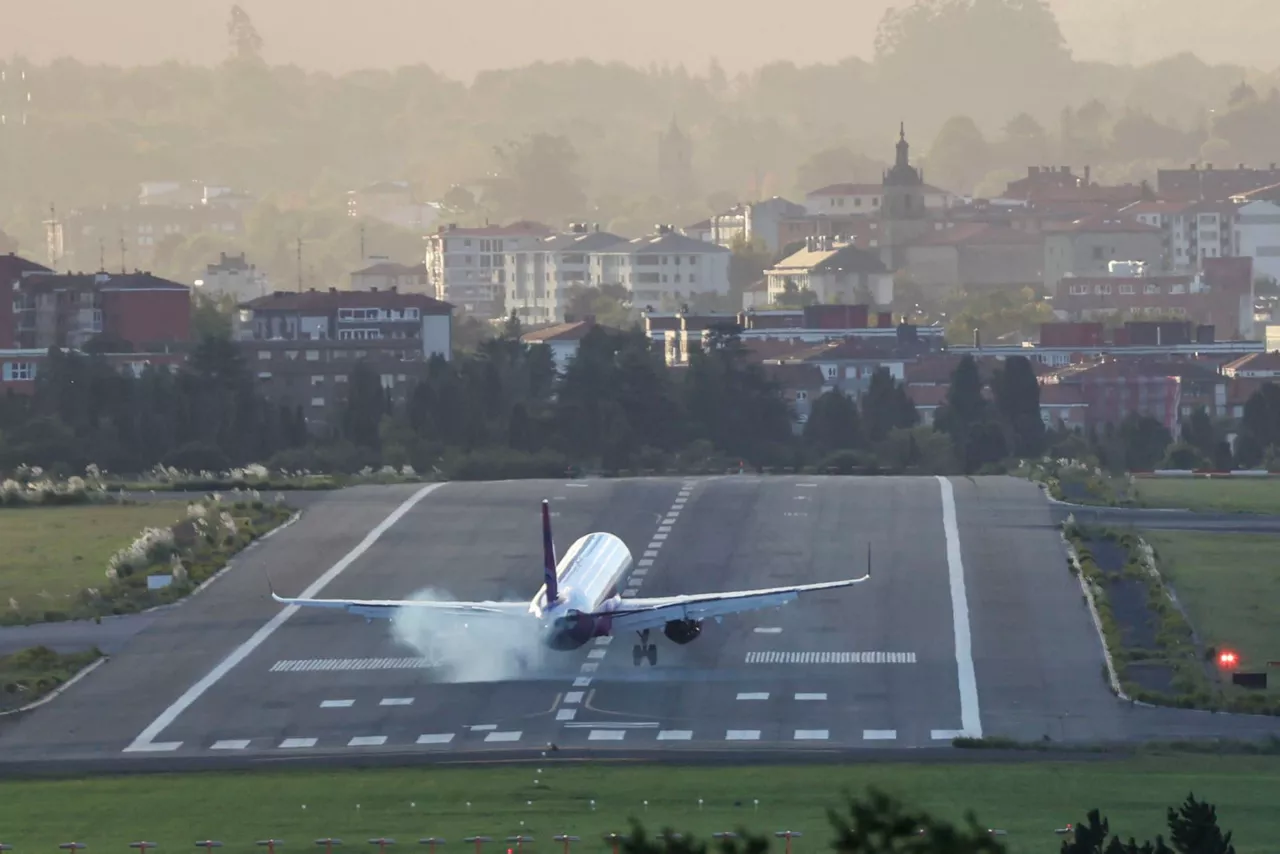
Pegasus Airlines will connect Istanbul and Bilbao four times a week
The Turkish airline said tickets are already available from EUR 69.99.
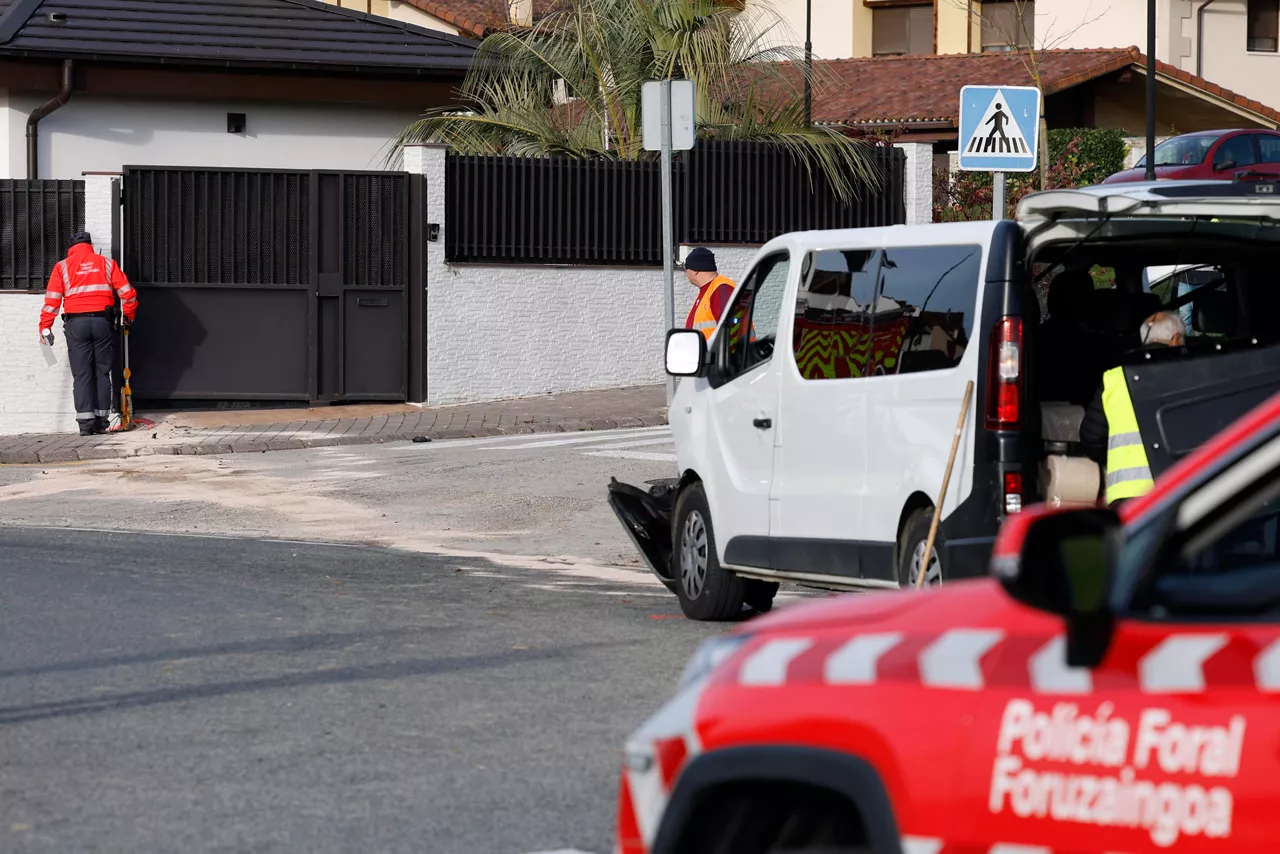
Eight people injured after a van hit a house in the Navarre town of Berriogoti
The event took place at around 2.18 p.m. on kilometre 6 of road NA-4100, when a van hit a house and eight people were taken to the Navarra University Hospital Complex with chest injuries.
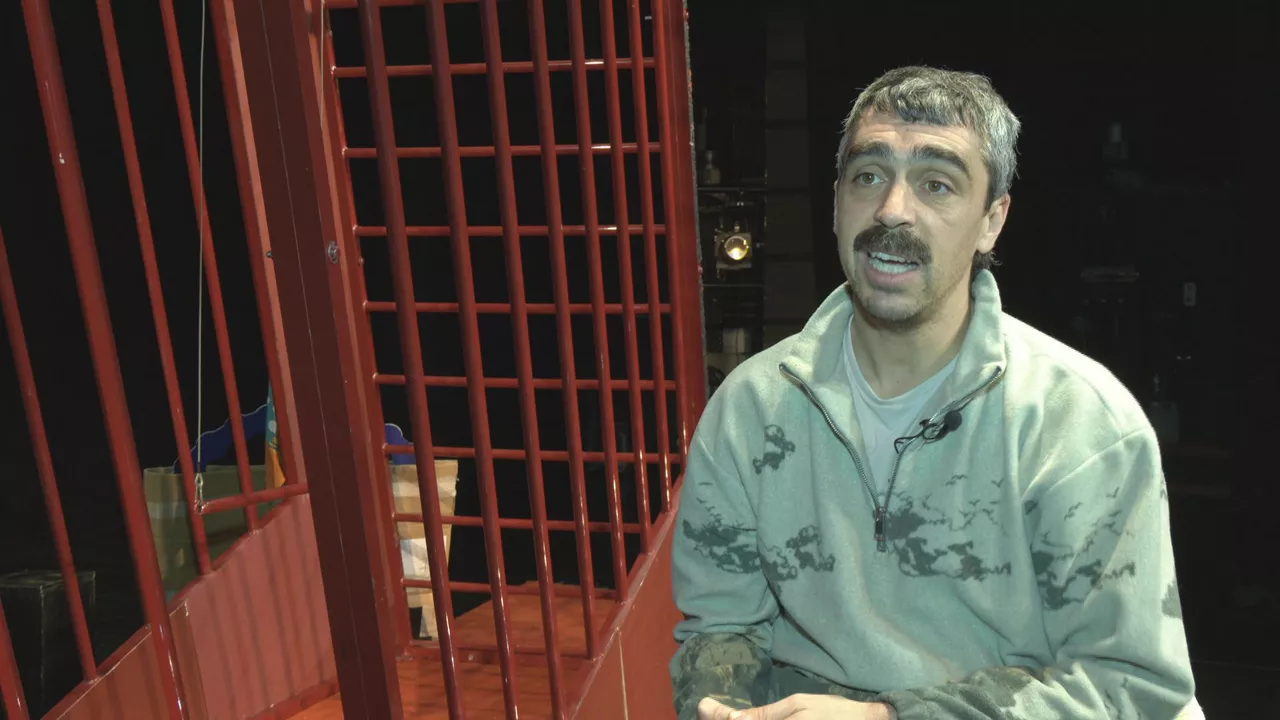
Xabin Fernandez, diagnosed with HIV, "The positive changed my life."
Today, 1 December, is World AIDS Day. Today, some 6,200 people receive some form of HIV treatment in the Basque Autonomous Community, so we have been with some of them.

Sentenced to three years' imprisonment an educator at a juvenile centre for assaulting a girl under guardianship in Gipuzkoa
The accused has acknowledged the facts and the charges have agreed to reduce his request for a sentence from eleven to three years.
Two men arrested in Vitoria for touching a woman who managed to take refuge in a bus
On Sunday morning, the woman came running to the bus, scared and barefoot, and stated that she had been sexually assaulted by two men, possibly using some substance, and that she had been touched, without permission, in a nearby apartment, from which she had managed to escape until she had taken refuge in the bus.
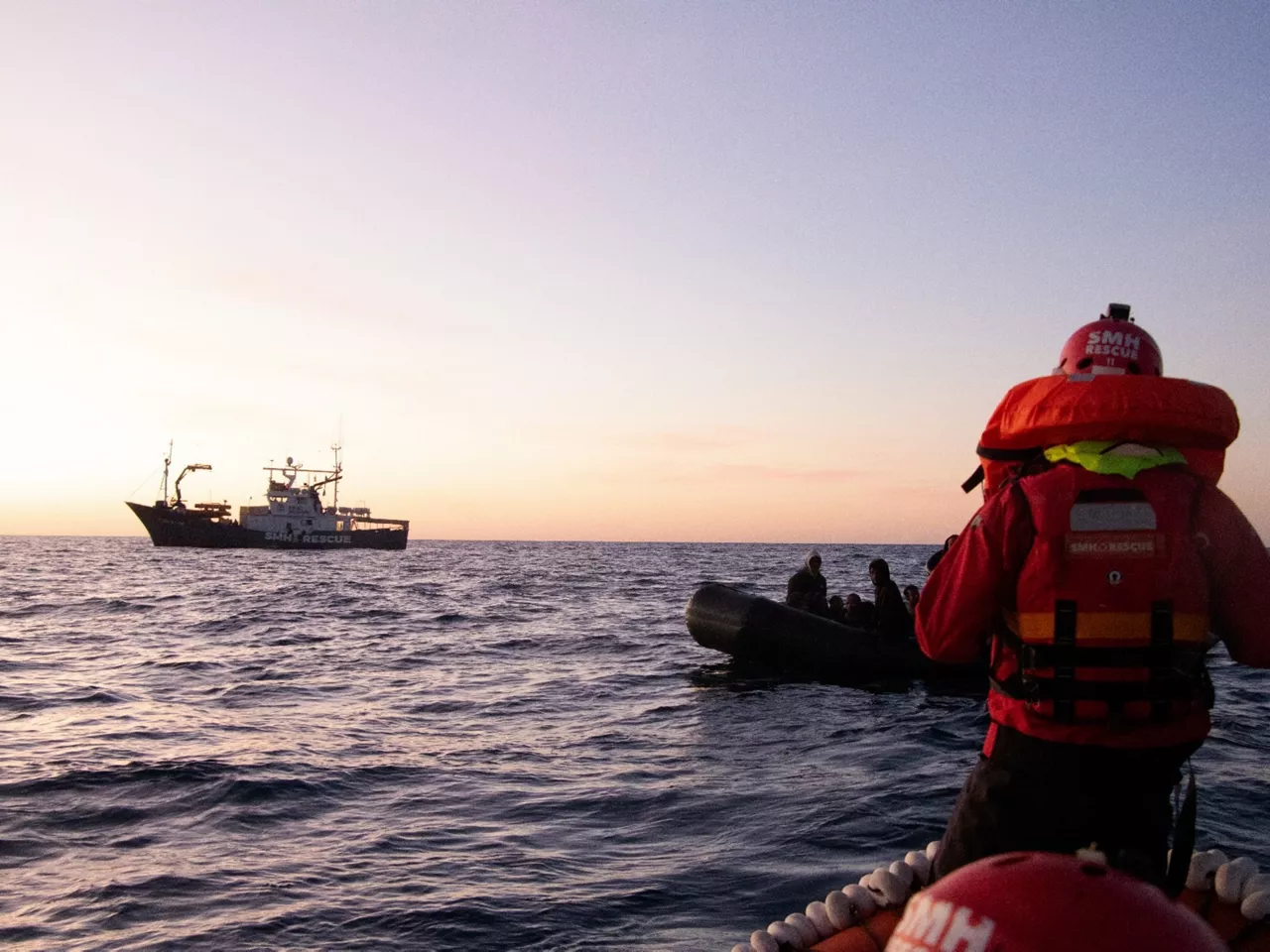
Father Mari rescues 26 people south of Lampedusa
The rescued persons, including 16 minors, are safe and sound and are receiving humanitarian aid on board. The Italian authorities have authorized the Father Mari to go to the port of Civitaveccia in Rome three days after the rescue site.
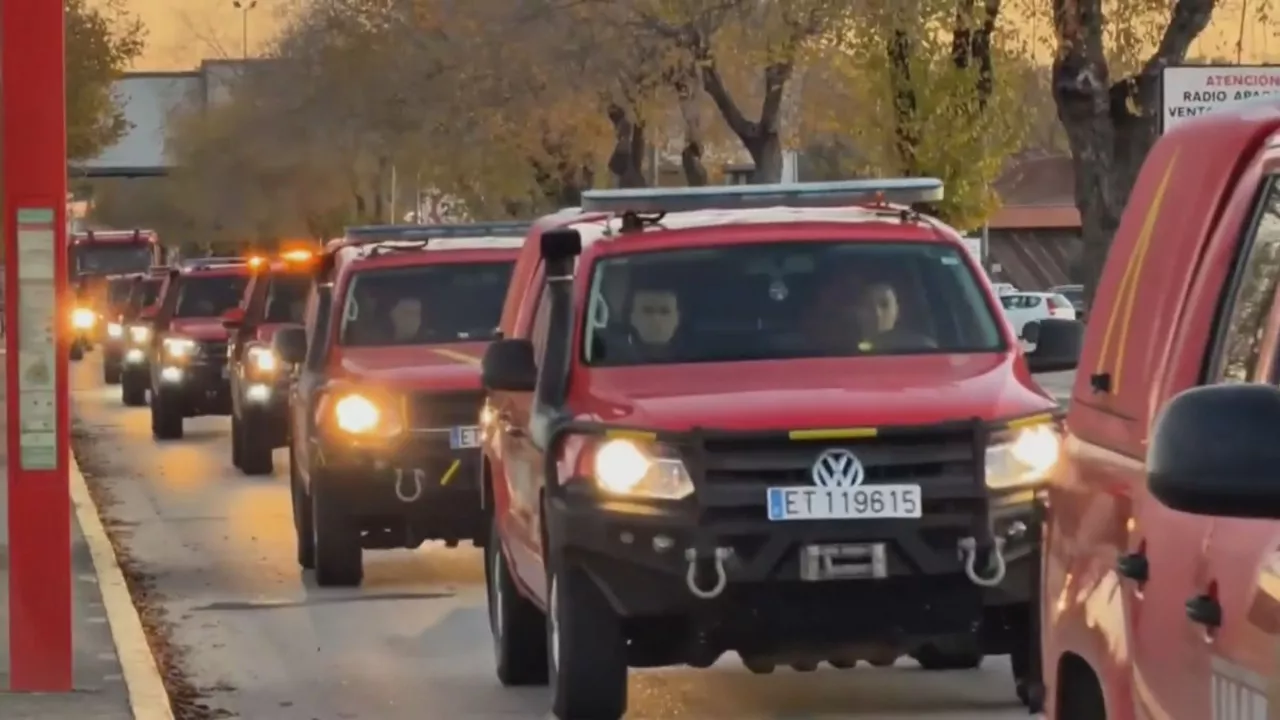
80 members of the Military Emergency Unit have arrived in Barcelona to help control the swine plague
The Agriculture, Livestock and Food Advisor, Oscar Ordeig, has stated that so far about 40 wild boars have been examined in the perimeter area of the Collserola Park in Barcelona, two of which have been positive, and eight more are believed to be able to donate.