
Why is Aberri Eguna celebrated? Origin, where and in Ireland... and Sicily
An article by jeltzale leader Jesus Zabala published on the eve of the first Aberri Eguna collected the reasons for choosing the date. The historian Mikel Aizpuru has studied the origin of the celebration.


Pamplona, 26 March 1967. In the midst of Francoism. The Ikurriña is banned and the Aberri Eguna must be celebrated underground. Nationalist parties such as the PNV and the CAV, however, have called for the march to Pamplona. Other parties and trade unions have joined the call: from the PSOE to Republican Action and from ELA to CNT or UGT.
Unexpectedly, three Ikurriñas appear from below the sky, hanging in parachutes. The attendees respond with joy. And the Francoist police with repression.
When he was born in Bilbao in 1932, he was marked by religious references and even looked to Ireland or Sicily. But the denial would cause him to acquire his own personality in the coming decades, and to be integrated into Basque society, even though it was a celebration of which there are still many doubts.
Reasons for the First Aberri Eguna
UPV/EHU History Professor Mikel Aizpuru has explained that while the reasons that led him to celebrate the first Aberri Eguna are quite clear, doubts accumulate about the choice of the exact date: Resurrection Sunday.
"The main objective of this first celebration was to celebrate the golden weddings of Basque nationalism. That year, 1932, it was 50 years since the famous interview between Sabino and Luis Arana in 1882, in which Sabino joined nationalism, and the PNV also wanted to celebrate the inauguration of Sabin Etxea as its official headquarters," he said.
The Basque nationalists wanted to demonstrate their ability to mobilise and set a day dedicated to the country, as did many other nationalist movements. After the dictatorship of Primo de Rivera, the context of the Second Republic allowed its celebration; and, moreover, the debate on the Basque Statute was in full swing after the clash of the Estella Statute with the Republican Constitution.
Reasons for selection
The context is more confusing with the choice of date. "The conversation between Luis and Sabino Arana probably took place in the summer, as Luis was studying in Madrid. The anniversary was not exactly on that date," says Aizpuru.
"Resurrection Sunday is a special date for Catholics, and that in itself is a compelling reason. The celebration was somehow associated with the idea of the resurrection of the homeland. Moreover, for the nationalism of the time there was a date of great symbolism, which was also associated with the Easter Uprising in Ireland in 1916," he explains.
According to Aizpuru, the article published by jeltzale leader Jesús Zabala in the newspaper "Nacion Vasca", published in Argentina, in which Zabala refers, in addition to the religious factor, to the case of Ireland: "We Basque nationalists still remember the emotions felt in the face of the Fenian uprising."
Zabala also received a more curious historical reference: the Eve of Sicily, the uprising of the inhabitants of the island in 1282 to expel the French. "Resurrection Sunday is a day of evocative memories for the patriots (...). In all the cities of Sicily the indignation of the people spread, and the French soldiers fell under the swords of a people weary of foreign pride," he wrote.
Beyond these symbolic references, Zabala made clear his opposition to violence: "The Easter we want to celebrate is not what the Sicilians and the Irish did with blood. Our desire is peace. We have far away material violence."
Bearing in mind that Zabala was one of the most prominent of those who organised the first Aberri Eguna, his article is eloquent and makes it clear that the Irish reference is not a recent invention, as has often been said.
On the other hand, according to Aizpuru, the choice might have other practical reasons, since the date was set between the beginning of the year and the day of St. Ignatius.
As an anti-Franco reference
Although Francoism violently interrupted the celebration of the Aberri Eguna, repression had the opposite effect on the Franchists.
"In exile, especially in America, the Aberri Eguna became a feast of all patriots, beyond the PNV. Then, at the Aberri Eguna of Itsasu in 1963, in Iparralde, there were both militants of Enbata and members of ETA, such as Iulen Madariaga," says Aizpuru.
Although it was closely linked to patriotism, in the 1960s it also spread to other political cultures as it became a reference for anti-Francoism, such as the 1964 edition of Gernika or 1967 in Pamplona.
This broad, transversal, and anti-regime character was maintained even in the early years of the transition, but gradually faded later, as the differences between the parties were too deep.
In recent years, there has been a debate about the celebration, and some voices have been in favour of seeking another symbolic reference. For the time being, in the absence of a new agreement, the date set 94 years ago is maintained, although time has given it a new identity.
You might like

We can, IU and Sumar stand in coalition for the Andalusian elections
The progressive parties have reached an agreement to join the Por Andalucía coalition, together with the Initiative del Pueblo Andaluz, Alternativa Republicana, Partido Verde and Alianza Verde.

Thousands of pro-independence youth gather at the Abadiño Youth Meeting Point
From today until Sunday, round tables and concerts will be the highlights. Ernai's spokesman, Amaiur Egurrola, has said that the meeting point will serve to "reflect on the role of young people in the challenges we face in Euskal Herria" and has called on all participants to have fun.

Otegi says if there's agreement on the new status, it'll be to make a qualitative leap
(Images left byNaiz.) Arnaldo Otegi says he cannot guarantee that there will be agreement on the new status between jeltzales, socialists and them, but that if there are, it will be to take a qualitative step.
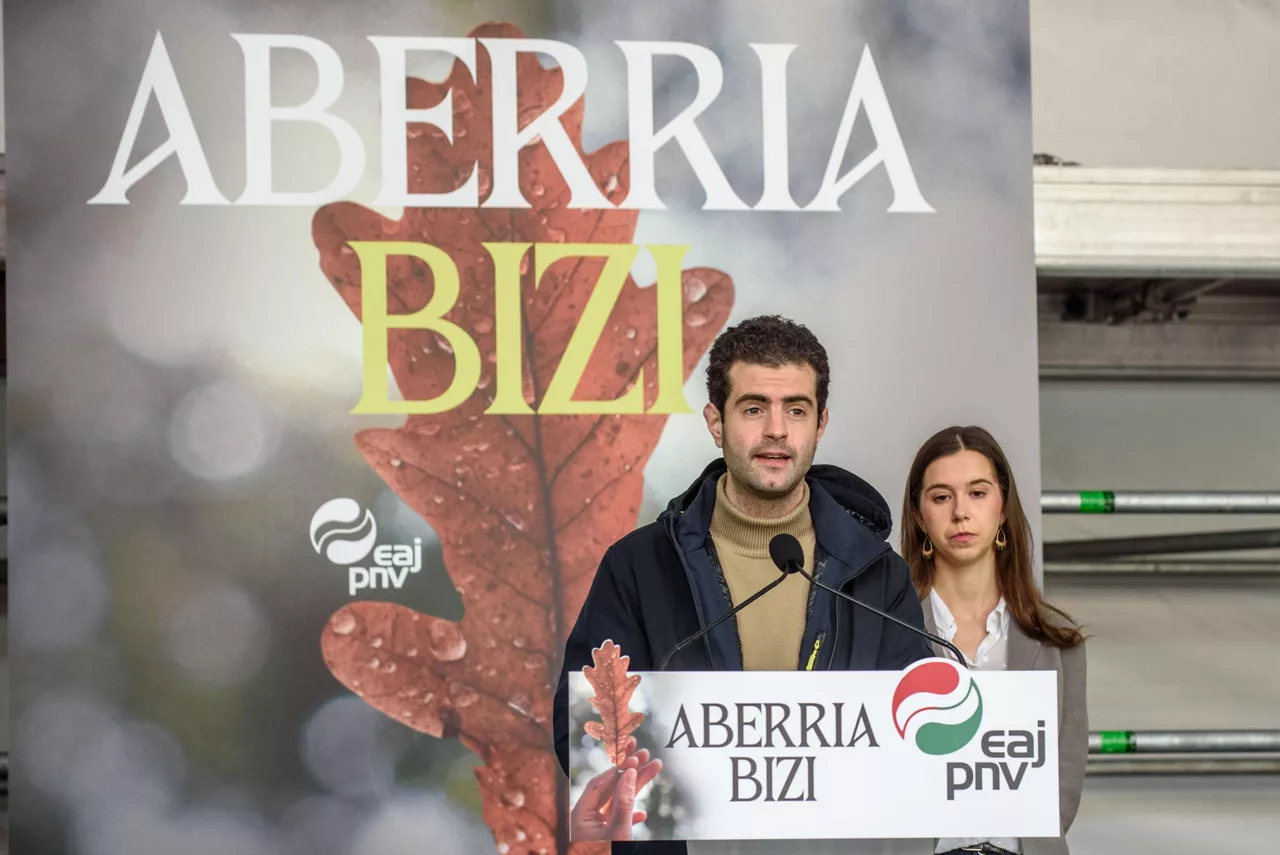
The PNV will celebrate the Aberri Eguna on Sunday in Bilbao under the slogan 'Live the Homeland'
Jeltzales have demanded that the Basque Country be "one territory or several names", in a context in which the international order is shaken, "to claim that we are a living homeland and that we live every day".
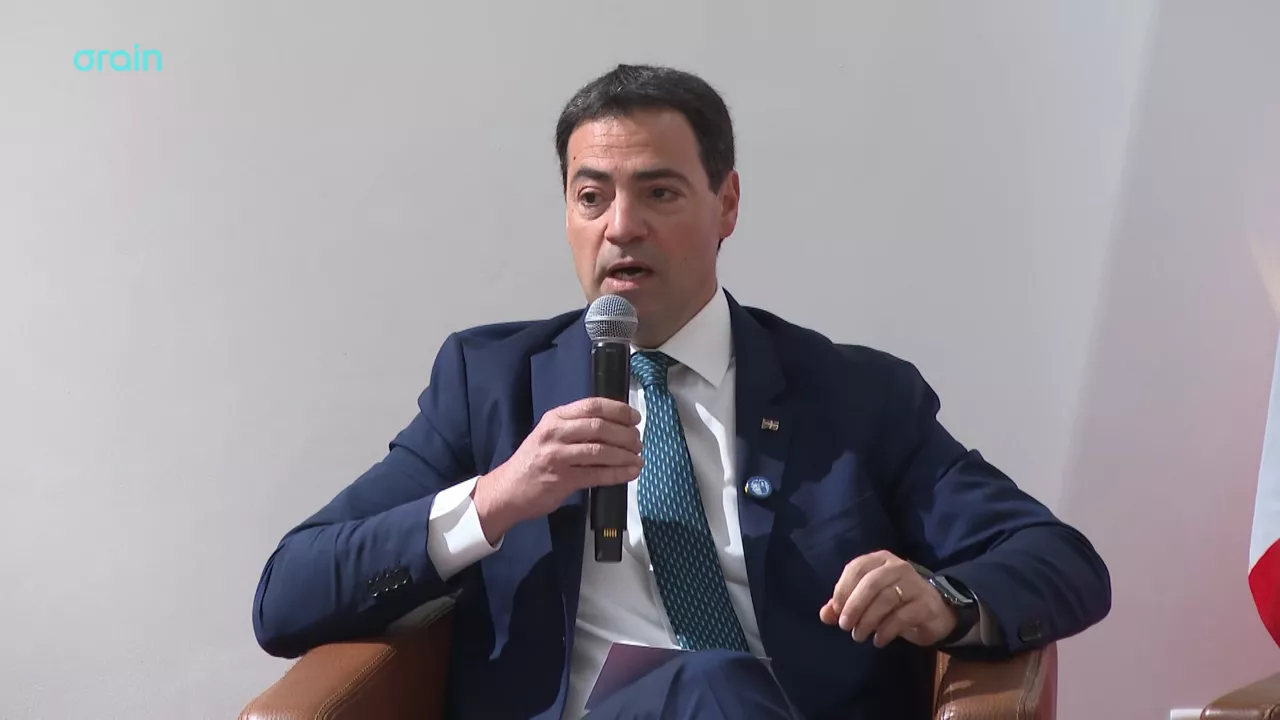
Pradales proclaims Basque self-government in the Paris Senate as a welfare agent
The President has participated in a high-level meeting in the French Senate, organised by Regions de France, with representatives of the French regions to discuss the territorial model and the role of the regions in Europe, where he has defended financial autonomy, advocated strengthening the Atlantic axis and presented the Basque model as a brake on political disaffection in Europe and the rise of the ultra-right.

The remains of militia Manuel Hernáez Ruidiaz have been identified at the Amorebieta cemetery
Born in Matute, La Rioja, he was a neighbour of Bilbao and fought in the Ensanche battalion of the Republican Left during the Civil War. His identification has been obtained thanks to a sample provided by his 91-year-old daughter.
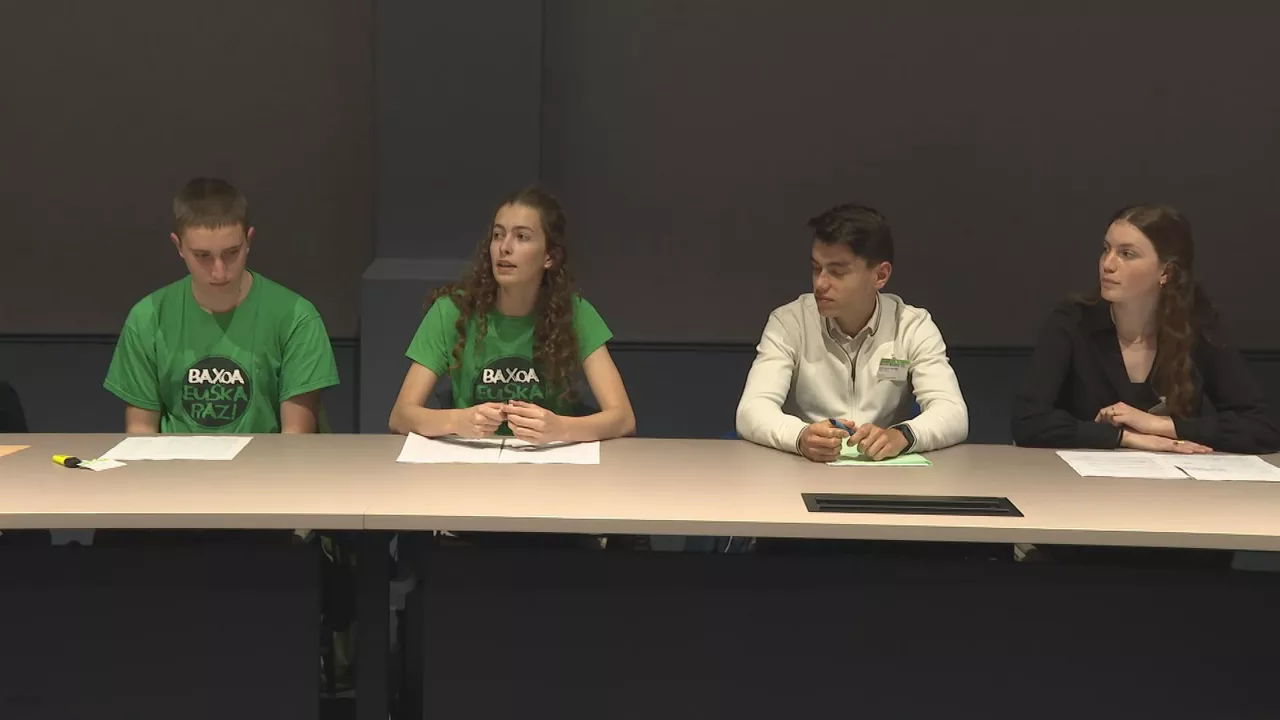
Students from Seaska take to the National Assembly the proclamation of the Basque bass
Invited by MPs Peio Dufau and Paul Molac, Basque students have participated in a hearing with Brittany.

The City Council has condemned the paintings against the mayor of Lemoa and, in the face of threats, has advocated "dialogue and coexistence"
The municipal groups have reaffirmed their commitment to "coexistence, respect and democratic participation" and have advocated "the open and pluralistic nature of Lemoa, enhancing the community values that unite us as a people".
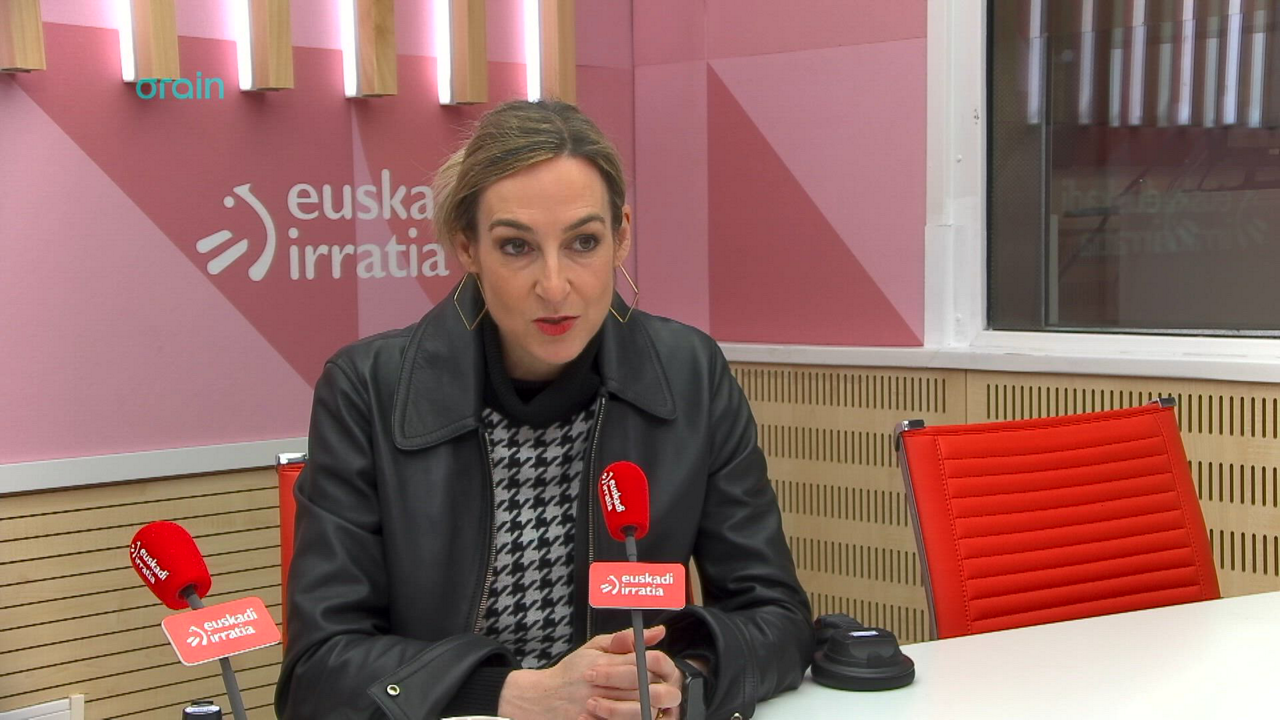
Maria Ubarretxena: "Our demands have little to do with the interests of Aena's private fund, we want to promote public service."
With regard to Aena's handover to the Government's agreement with the Spanish Government, the Government spokesman has said that he understands "the position of the other side", since although 51% of Aena belongs to the State, in that other 49% there are private funds seeking benefits. He has stressed that the Government would like to devote investments for Basque airports to improving infrastructure and "getting more flights and connections" and not to cafes and shops that would bring greater benefits to these private funds.