
Is it worth buying a high-definition TV?
The answer is no, Cambridge University researchers say the human eye has a limit of resolution.


High-definition TVs are fashionable in the audiovisual market. We're looking for bigger and better defined TVs. Ultra HD, HD, 4K, 8K are all kinds of TVs.
But is it worth buying a high-price high-definition TV?
Researchersat the University of Cambridge and Meta Reality Labshave shown that the human eye is often unable to distinguish high qualities.
In fact, scientists say that the human eye has a limit of resolution and can only detect a certain number of pixels, so a very high resolution screen can provide information that the eye cannot detect.
So the fact that a screen has more pixels doesn't always mean it's going to have a better visual perception, it's influenced by factors like screen size, distance, etc.
The researchers have set an essential practical case: an average room, an ultra high-resolution TV (4K or 8K) and a user 2.5 metres from the TV. According to experts, this type of television would have no advantage over a "Quad HD".
Maliha Ashraf, a researcher at the Cambridge Department of Computer and Technology Sciences and the first author of the study, explained that "it is important to know where the boundary between improvements and benefits lies."
However, researchers have found that the limit of resolution of the human eye is greater than expected; however, it is not the same with colors as with black-and-white images. It seems that the brain does not have the ability to perceive the details of color images very well.
You might like
Meta has been sentenced to pay $479 million to the digital press for unfair competition
Madrid's 15th Commercial Court has sentenced Meta to compensate 87 AMI publishers for gaining a competitive advantage through behavioral advertising on Facebook and Instagram.
X, ChatGPT and League of Legends are down due to a mistake by the company Cloudfare
The affected services show the following message: "Please unlock challenges.clouflare.com"
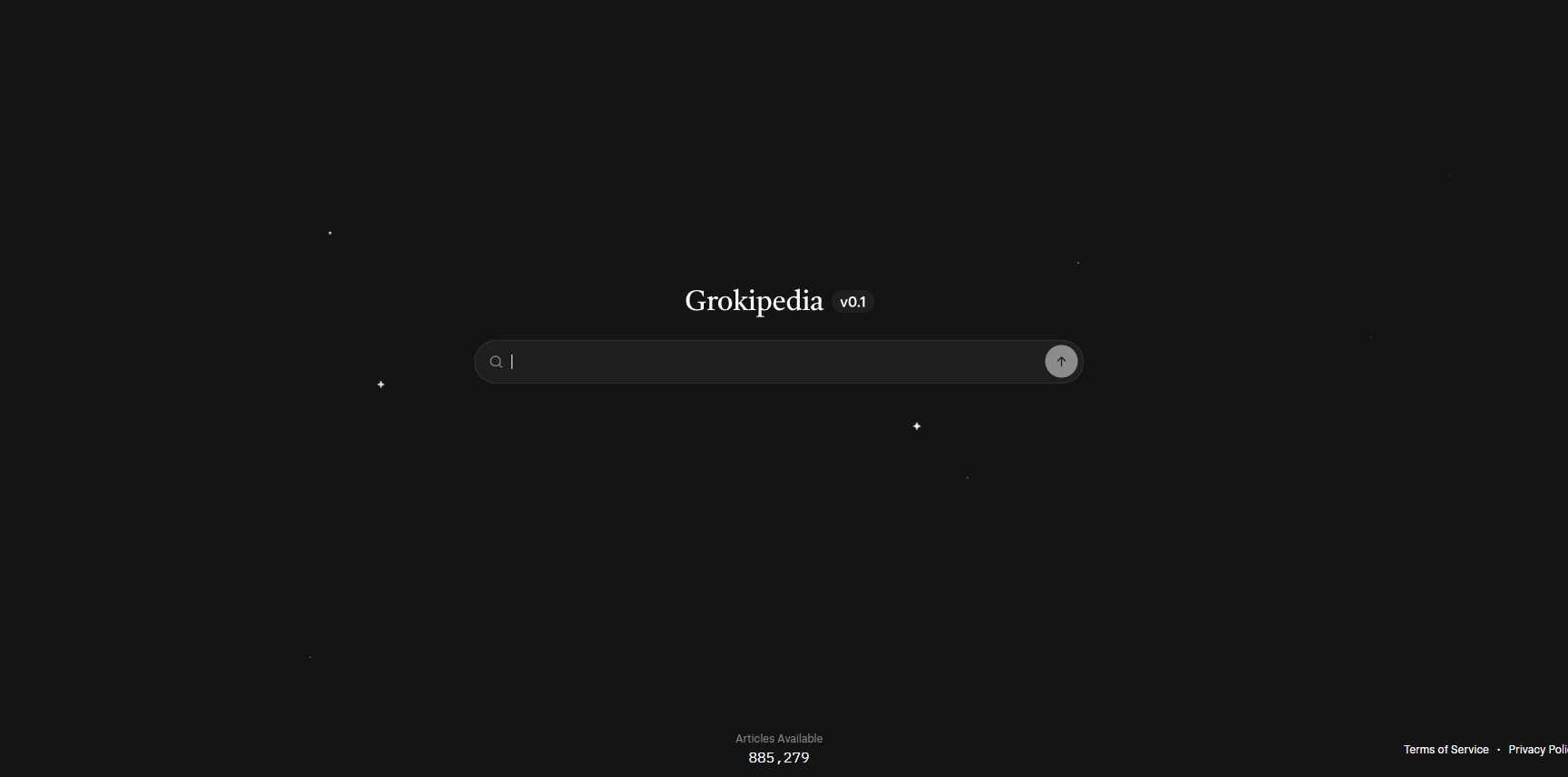
Elon Musk launches "Grokipedia," an encyclopedia of AA in which they praise Trump and Euskadi does not exist
The new platform promoted by Elon Musk has produced nearly a million articles through artificial intelligence, but with a strong ideological bias. In its current version, Grokipedia does not include the term "Euskadi," but devotes 20,000 words to Donald Trump (equivalent to an 80-page book) and offers partial views on Franco, AIDS or slavery.

YouTubeko milaka bideoren bidez "malware"a eskala handian banatzeko operazio bat identifikatu dute
Gaizkileek YouTubeko kontu faltsuak edo konprometitutakoak erabiltzen zituzten softwarea pirateatu eta jokoak hackeatzeko bideoak argitaratzeko, balizko biktimak erakartzeko amu gisa. Programa horiek lortzeko fitxategiak deskargatzea eskatzen zuten, baina artxibo horiek, benetan, gailua kutsatzen zuen malwarea zuten.
Amnesty International has accused TikTok of "inciting the insecurity of teenagers to earn money."
A report by the organization warns that the social network algorithm explains content about self-use and suicide to young people. The AI calls on the European Commission and the French Government to take urgent measures to protect minors.
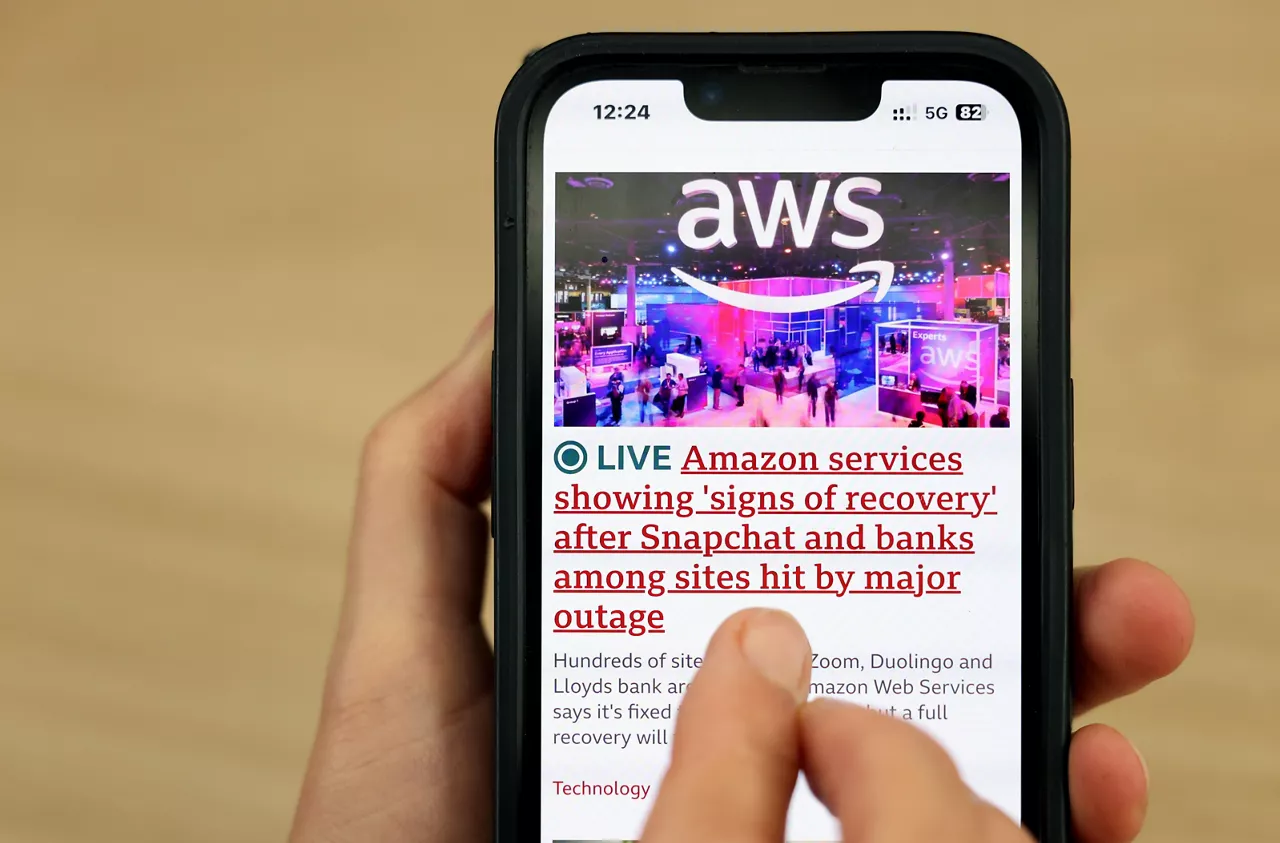
Amazon restablece su servicio tras la caída que afectó a millones de usuarios
La compañía anunció que la mayoría de los servicios comenzaron a recuperar a lo largo del día y que el funcionamiento de su red regresó a la normalidad al cererre de la jornada.

What is Amazon Web Services?
The cloud service provider fell this Monday, October 20. Thousands of platforms have been cancelled worldwide, but... what is Amazon Web Services and why is it so important on the Internet?

Amazon's "cloud" has collapsed and affected websites and services around the world
A massive malfunction on Amazon Web Services (AWS) servers has left thousands of websites worldwide out of service.

Instagram has connections problems around the world
This Thursday morning, the Meta social network is experiencing international connection problems that are making it difficult for users to update their content.