
Amnesty International has asked CAF to reverse the Jerusalem light tram project
This initiative, involving the railway construction company, is helping to build 27 kilometres of new railways and 50 stations in the West Bank to "connect the colonies with East Jerusalem."


Amnesty Internationalurges the central and Basque governments to examine the possible links of the Guipuzcoan company CAF with what it describes as "illegal conduct in Israel" and to take the necessary measures to prevent this company from cooperating in the illegal occupation of Palestine.
TheDirector of Amnesty International in Spain, Esteban Beltrán, has asked CAF in a statement to withdraw the Jerusalem light tram project, which arose after the Special Rapporteur for Palestine, Francesca Albanese, included it in a report to the UN Human Rights Council this week and summoned the Guipuzcoana company.
In the communiqué, Albanes stated that the initiative, in which the railway construction company participates, contributes to the "establishment and expansion of settlements" in Israel, as it contributes to the construction of 27 kilometres of new railway lines and 50 stations in the West Bank that "connect the colonies with East Jerusalem".
Amnesty International recalls that CAF has been involved in this project since 2019, forming a consortium with the Israeli company Shapir . It also denounces that the new line links Israeli territory with illegal settlements in East Jerusalem, "a territory occupied in 1980, whose annexation is not recognized by either the United Nations or the European Union".
For this reason, the organization has again asked CAF to "stop looking the other way" and withdraw from the project, as its participation "contributes to the settlement and maintenance of illegal sites".
Finally, Amnesty International has recalled that in 2024 the Catalan company COMSA left a consortium to build the blue line of the Jerusalem tram and last week Sidenor announced that it had suspended its steel sales to Israel.
You might like
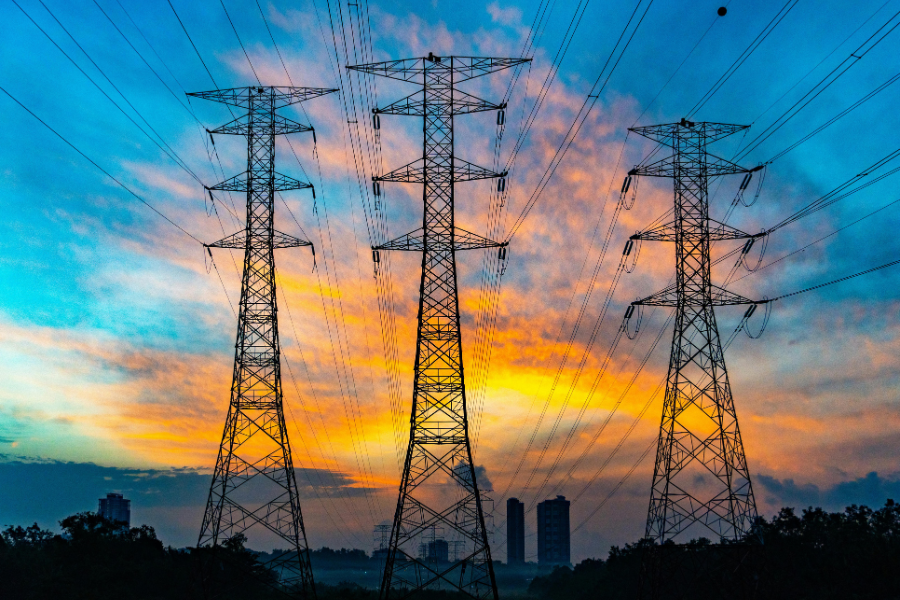
How will the situation in the Middle East affect the energy bill?
The increase in the price could be felt more in light than in gas and will depend on the type of contract of each household.
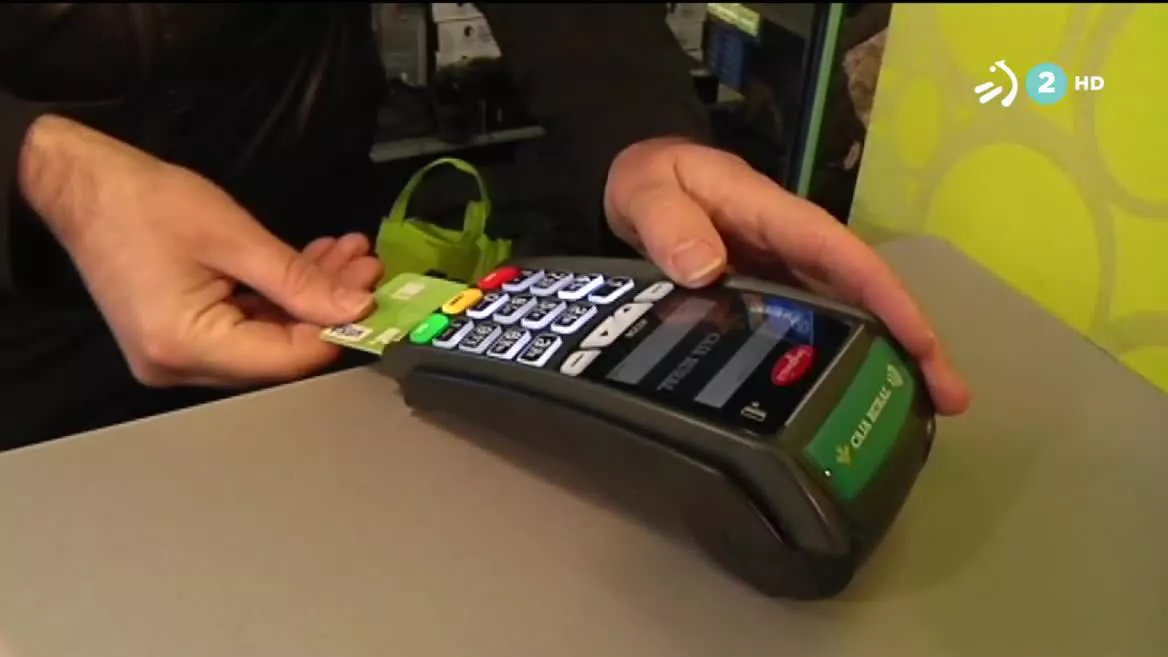
You can't pay by card for a general incident
The incident has had an impact from the first hour and is causing problems, both in the establishments and among the users. It has not been reported when the service can be restored.

India, multi-choice country for Basque machine tool
In a truly difficult international context, the machine tool sector is looking for fresh air far from a stagnant Europe and a rival China. With the US market as the main lung, the sector is focused on two main areas: India and MERCOSUR.
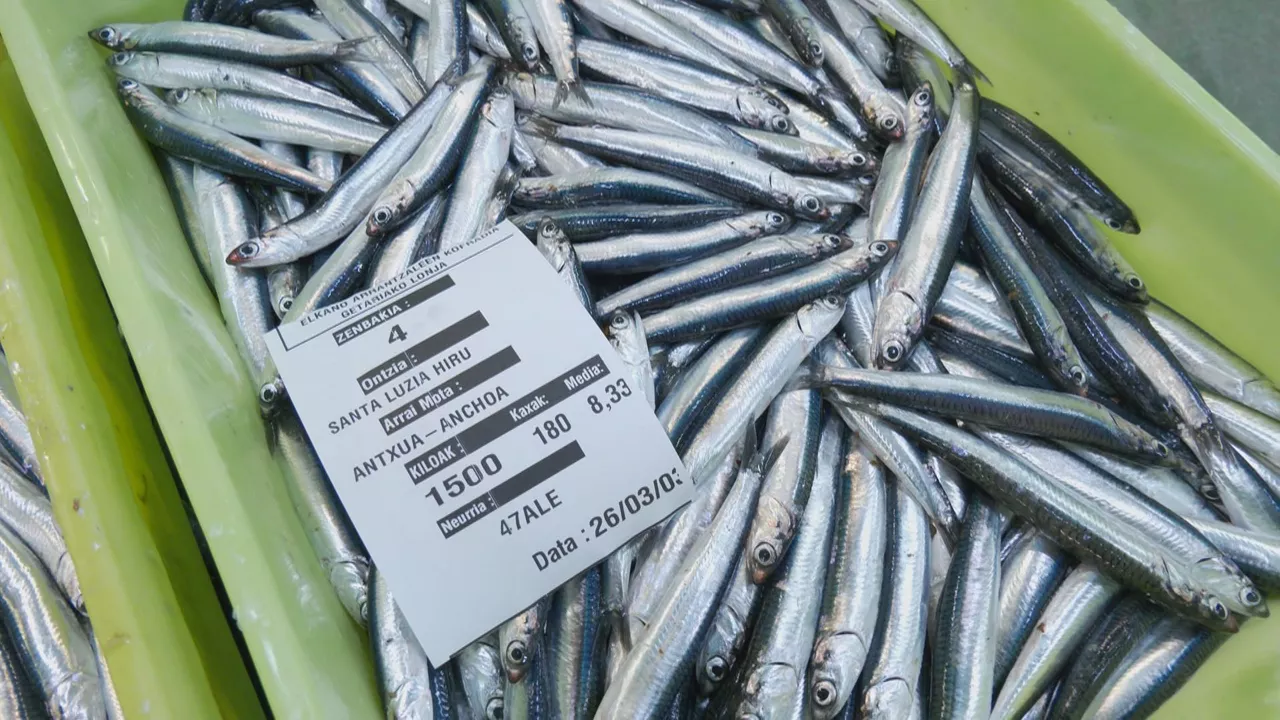
The first anchovy of the season begins to reach the Basque ports
The first anchovy has entered the Basque ports the day after the opening of the coast. For example, 20 tons of anchovy have entered the port of Getaria.
Unemployment in the ACV fell by 1,100 in February, but in Navarre unemployment rose slightly
In Hego Euskal Herria there are about 137,000 unemployed.
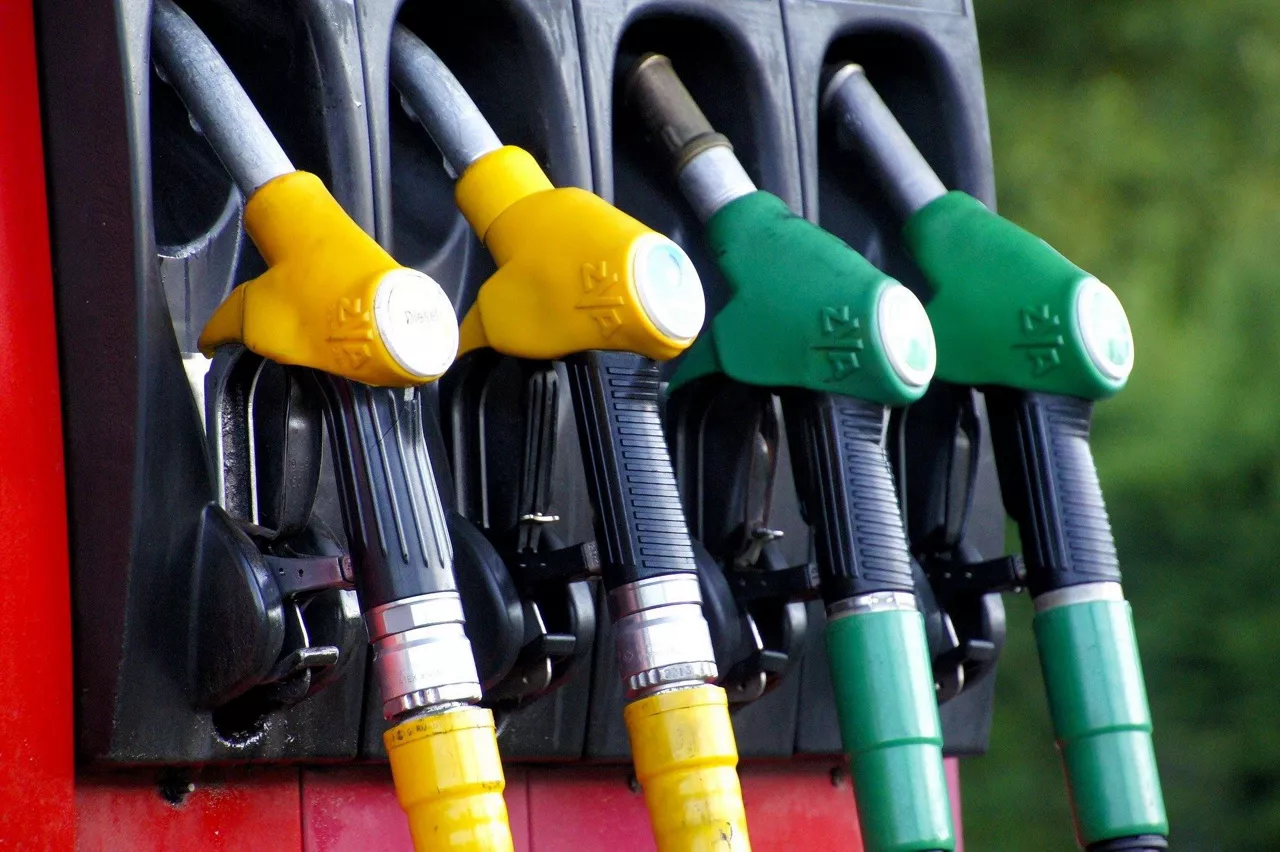
Oil prices rise by about 3% and stock exchanges expect further declines following attacks on Iran
Along with the price of crude oil, the price of natural gas is also rising, since in the Dutch TTF market, a reference in Europe, the price of gas to be delivered within a month has risen by another 22%, to $53.14.

Basque companies exported EUR 1.130 billion to the Middle East by 2025, 3.8% of the total
A total of 42 Basque companies have 63 implantations in several countries in the Middle East.
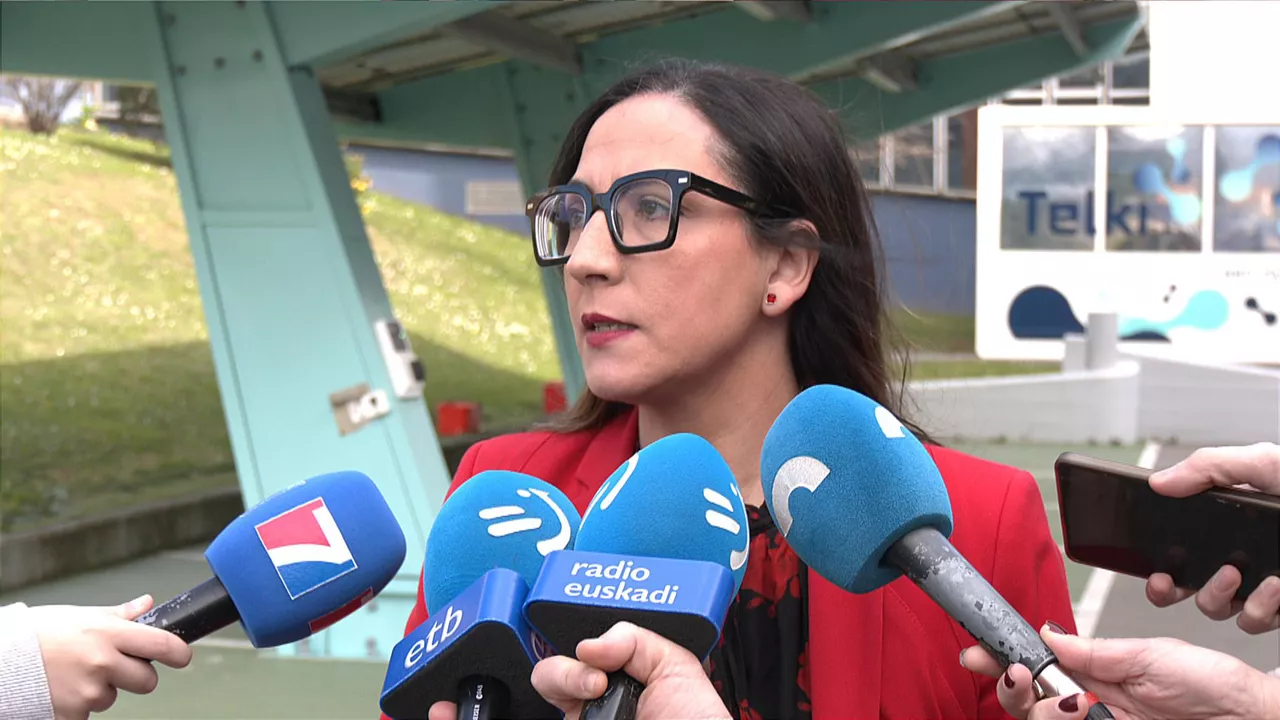
During the dining strike, Pedrosa has asked for respect for students taking food from outside if the school allows it
The Education Counsellor has asked that, after three days of strike last week by school canteen workers to demand an improvement in their working conditions, the previous situation should not be repeated after being called for 10, 11 and 12 March, because in some schools, students were deprived of food taken from their homes. Pedrosa has asked unions and companies "not to rise from the table" until an agreement has been reached, because they have a "good basis" for it.
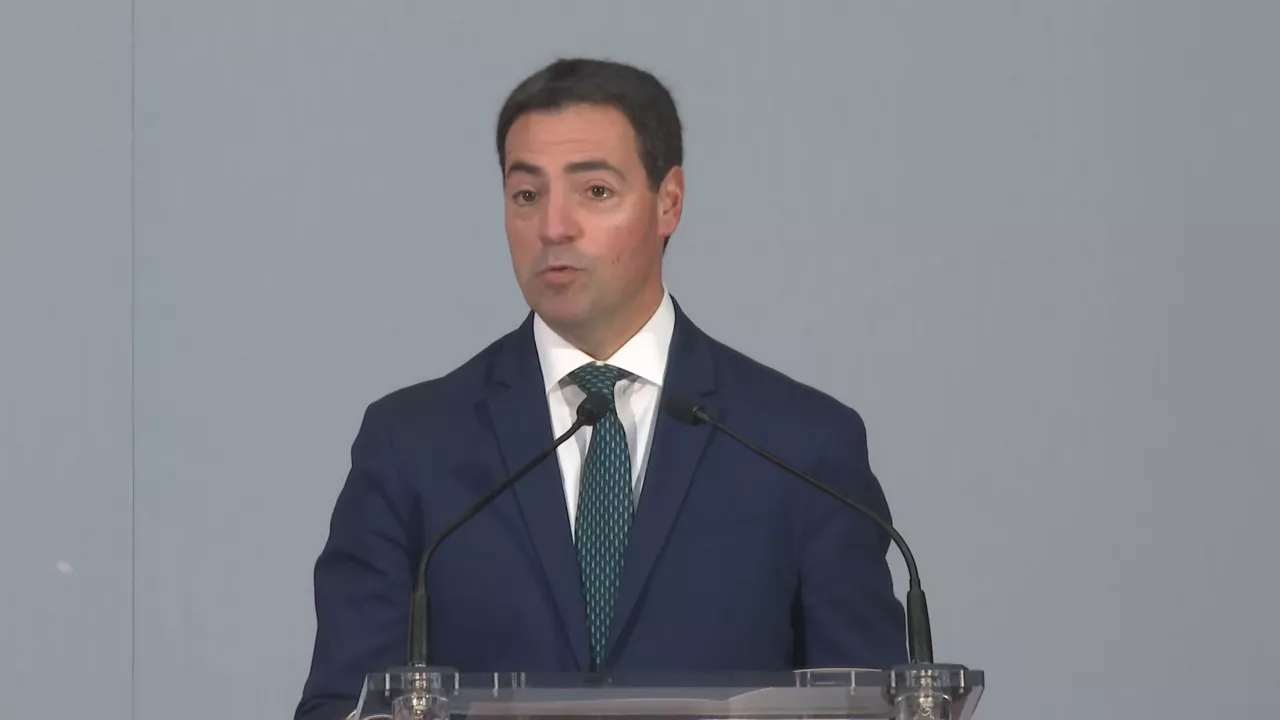
Pradales has called for the situation in the Middle East to 'calm down' and has promised 'the necessary measures' for Basque companies
At the opening ceremony of the International Machine Tool Fair at the BEC in Barakaldo, the lehendakari has advanced that the Basque Government Euskadi is already studying the "effects" of the conflict in the Middle East and has warned of the "real danger" of a new "war".

The 20th edition of MWC is underway in Barcelona, focusing on space and 6G technology
The Mobile World Congress, the world's leading meeting on connectivity technology, will bring together more than 2,900 exhibitors. The Gran Via de Fira fairground in Barcelona is expected to exceed 100,000 visitors by 5 March and is expected to generate an economic impact on the territory of 585 million euros, 4.3% more than in the previous year.