
A solar storm will hit the Earth's magnetic field hard today
Sometimes these solar storms affect Earth communications, and in extreme cases they can affect electrical systems, and they will also be stronger boreal auroras.


The National Oceanic and Atmospheric Administration of the United States (NOAA) has declared that the solar storm that is hitting the Earth these days is' severe 'and will hit the Earth's magnetic field today, and therefore communications have been sent to critical infrastructure operatorsto try to mitigate possible adverse effects.
The alert levels set by the NOAA Space Climate Prediction Center are between "G1" (lower) and "G5" (extreme), and today's fixed levels have reached "G4" (severe) alert. The geomagnetic storm occurs precisely when particles emitted by the Sun hit the Earth's electromagnetic field.
Sometimes these solar storms affect Earth communications,they can only affect electrical systems in extreme cases eta, and they also cause more intensity in northern lights.
NOAA has reported through social media and on its website that the 'heart' of the solar storm that began a few days ago at lower alert levels is currently passing over the Earth and will continue to do so in the next few hours.
The storm is expected to reach maximum intensity today and the NOAA has raised the alert level to 'G4' (severe).
The American organism has explained that the magnetic force of storm passage has stabilized approximately 8 times, but has indicated that this intensity is serious enough to reach "sharp" levels if the magnetic field rotates in the opposite direction to the Earth.
This orientation may vary as the storm progresses, which would lead to different levels of activity, according to the NOAA, which has specified that two out of three planned solar storms are affecting the Earth.
Meteorologists at this institution have estimated that the last and strongest of these solar storms have not yet affected the Earth and could hit the Earth around 17:00 GMT today . They have specified that disturbances in the Earth's magnetic field vary in intensity (between low and high levels) during the storm.
You might like
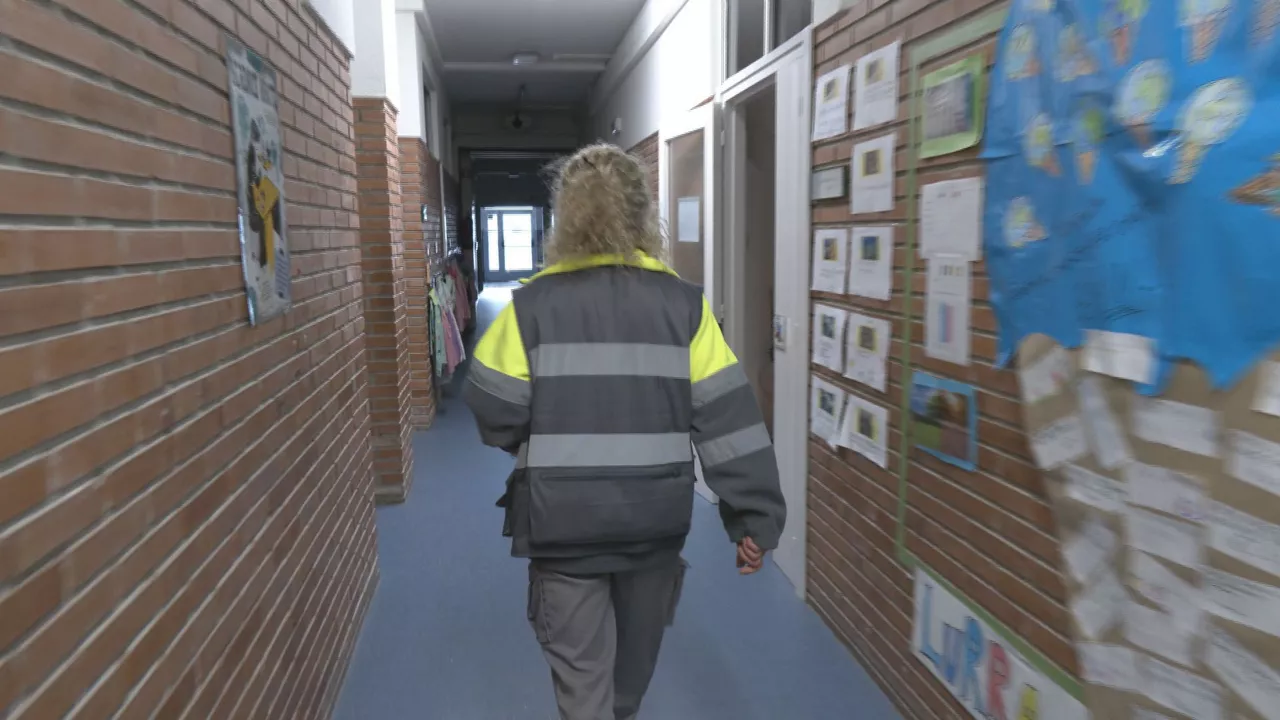
The sheriff, a profession that is about to disappear, is still indispensable in small towns
The bailiffs are municipal workers, they have all kinds of duties, and they are known to all the citizens for so many hours in the streets, but in some villages they have to do a difficult job, because the fines are the responsibility of the bailiffs.
A woman has been arrested in Zierbena on charges of defrauding the tenant of more than 24,000 euros
The arrested woman has been charged with taking money from her tenant's card and making purchases.

Andres Martinez's father explains what's happened in the last few months
The young man is well and happy after spending his first night at home. He was arrested with his friend Jose Maria Basoa as he crossed the Orinoco River.
A fire broke out in a housing building in the Atxuri district of Bilbao
The flames have started at 6 George Steer Street, on the ground floor, where the firefighters and the Ertzaintza are.
Police are investigating the case of two young people aged 13 and 20 who have appeared dead in Logroño
The bodies have been found on a street in the Riojana capital and show no signs of violence.
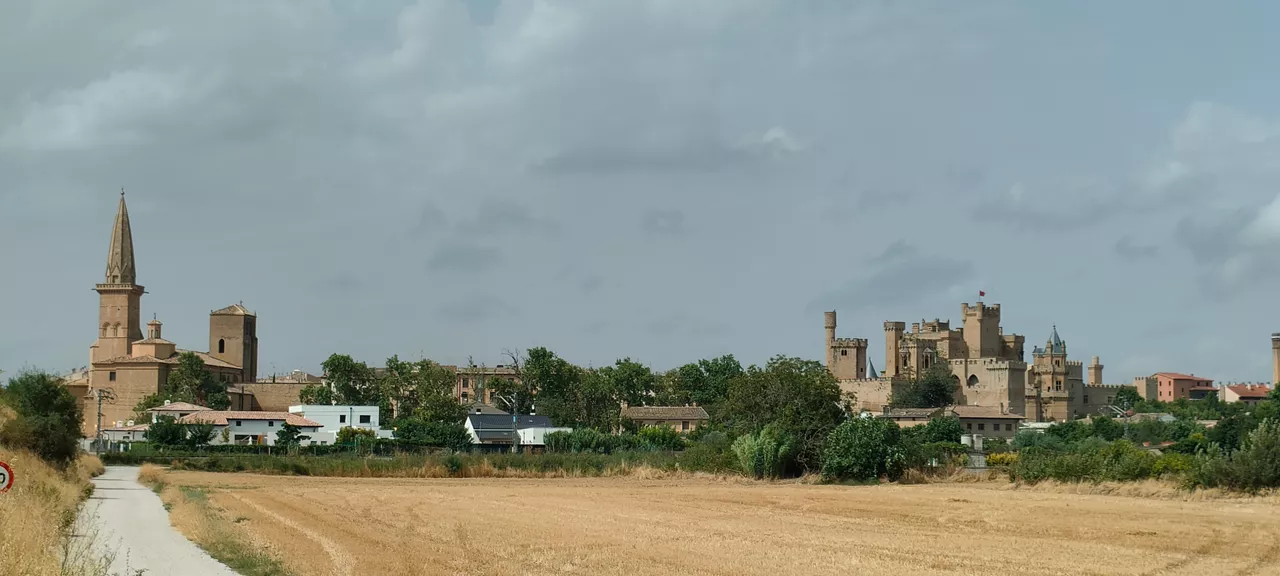
They found the body of the man missing in Olite
They've been looking for the old man for six days, and this Friday they found the body of ha on a rural road between Olite and Beire.
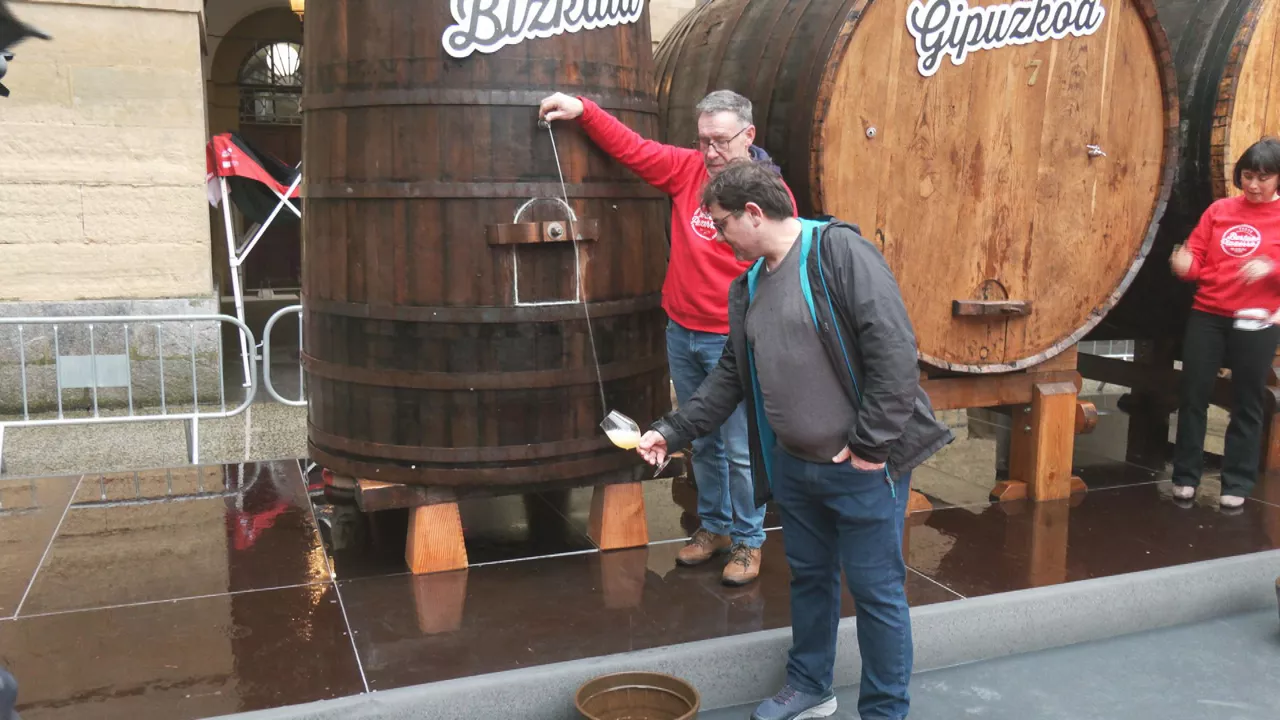
Euskal Sagardoa sidreries have produced 3.1 million litres this year
The 46 sidreries attached to the Euskal Sagardoa Designation of Origin have produced 3.1 million litres of drinks for the new campaign, using 4.4 million kilograms of apples from local fruit trees.
A driver died in an accident at the N-121-B off Arizkun
The accident took place at kilometre 53, off Baztan, and medical personnel, firefighters, ambulances and Foral Police patrols have moved to the scene.
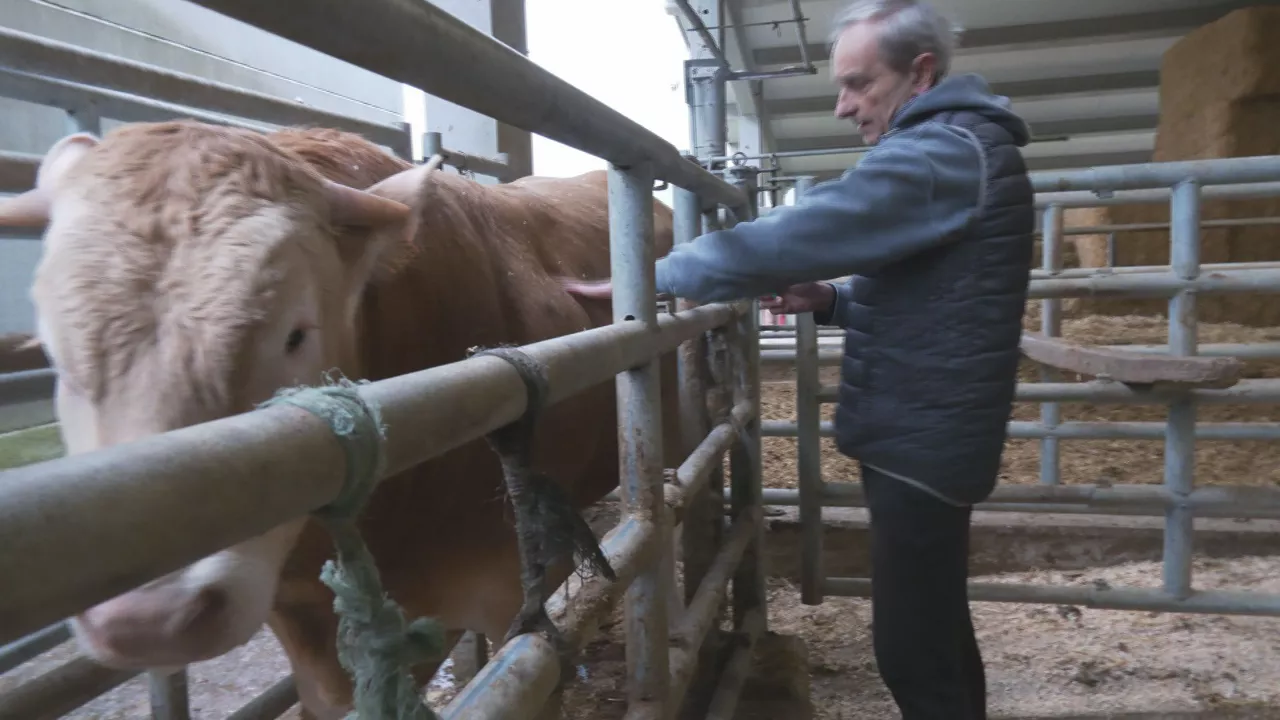
Gipuzkoa plans to vaccinate 42,500 cattle against nodular dermatosis
Gipuzkoa will vaccinate 42,500 cattle against nodular dermatosis during the mandatory vaccination campaign that began this Friday in the territory and will be completed within approximately two months on 1,900 farms.
The two billiards imprisoned in Venezuela have arrived in Madrid
Basque Government Foreign Secretary Ander Caballero said on Radio Euskadi this Friday that Basoa and Martinez "are pretty good."