
Emakunde has published a guide to help learn about male cyberviolence in the digital world
The "Name It" tour is aimed at young people and aims to identify male violence in the digital environment, which often goes unnoticed, and to provide digital literacy to detect and name all forms of male violence on networks.


The Basque Institute for Women, Emakunde, has launched the Guide to Cyberviolence 'Put the Name' to help identify sexist violence in the digital environment, which often goes unnoticed. The Guide contributes to the "necessary digital literacy" to detect certain forms of violence.
The presentation of the guide took place this Tuesday in Vitoria-Gasteiz and was attended by the director of Emakunde, Mira Elgarresta, and the professor at the University of Deusto, Estibaliz Linares, who has worked with Zaloa Lafuente and Iratxe Rodríguez.
The guide is aimed at young people with the aim of creating a healthier and safer online space. "In the age of the Manosphere, in the face of the wave of messages against feminism, it is more important than ever to offer young people tools to detect violence and how to act against it," said the director of Emakunde.
It also recalls that cyberviolence is not disconnected from violence outside the Internet: "It is not an isolated phenomenon, but is framed in a broader social context of inequality and structural violence against women that has persisted for centuries and continues in the age of connectivity."
Although all violence comes from the same root, violence in the virtual world is sudden, hyperconnected and anonymous, so its consequences can be more painful and harmful.
"In many cases, violence can begin with exchanges on social networks, such as with minors, and end up in a physical encounter where sexual violence occurs. Anonymity is one of the dangers of networks, as well as their scope and rapid dissemination," Elgarresta said.
On the other hand, Linares has reviewed the types of sexist cyberviolence identified by the guide, including sexist cyberharassment, which is expressed in insults and messages against women; sexual cyberharassment when photos with sexual content are threatened with dissemination; gaslighting or emotional manipulation to question the victim's version.
This list also includes grooming, when an adult man establishes a relationship with a minor for the purpose of sexualizing it; cybercontrol, when it comes to controlling someone else's social networks; or body shaming, when comments and insults are spread against bodies that violate ideals.
In addition, the guide provides advice and solutions for potential victims and provides guidelines for men to help stop cyberviolence with responsible and critical social media consumption.
The 'Name' guide will be distributed to schools and youth leisure centres in the Basque Country and can also be downloaded online.
You might like

The Guggenheim Urdaibai project has been definitively rejected by the Museum Board
The final decision was taken at this afternoon's meeting and the main reason for the rejection was the lack of viability of the project.
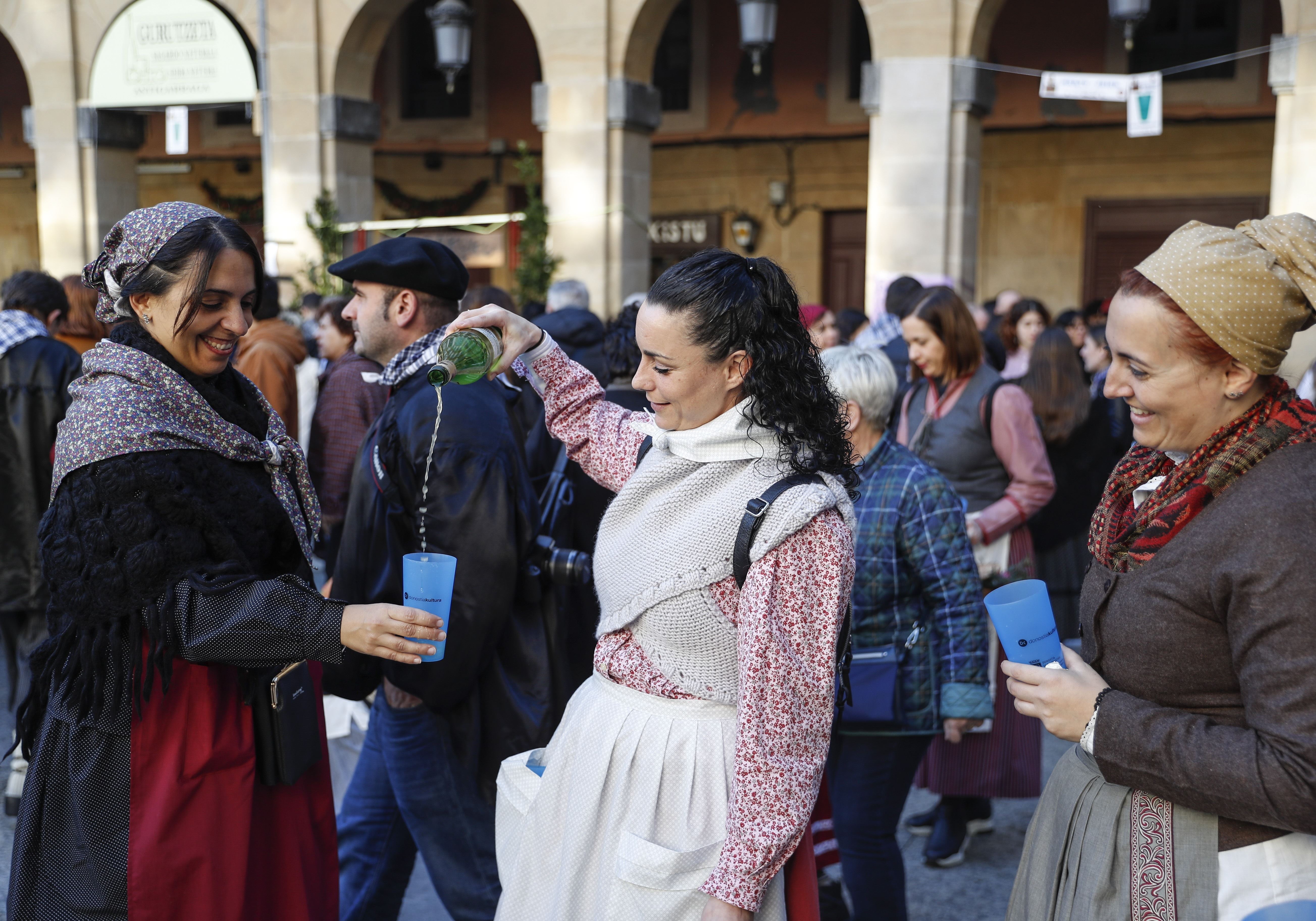
163 posts and 20 activities will threaten the fair of Saint Thomas of San Sebastian
Those who approach the fair next Sunday in the capital of Guipuzcoana, in addition to enjoying the outlets, will be able to participate in activities for all tastes and ages.
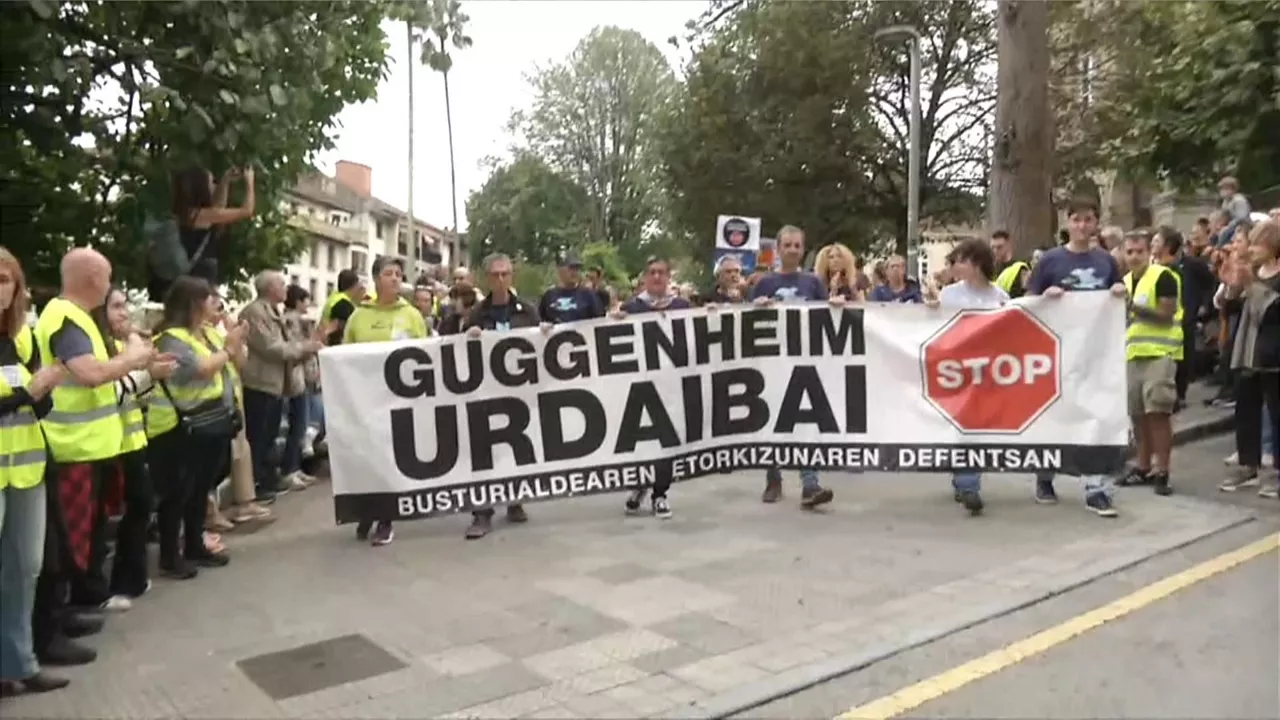
The listening process reflects the 'no' to the opening of the Guggenheim Museum in Urdaibai, but the 'yes' to regional development
The Lehendakari Aguirre Center, which has led the listening process among the population, has explained that a significant part of these "early narratives" have shifted over the months to a "different trend", since opinions have been collected against the Guggenheim of Urdaibai, but also in favour of the development of the region.

Running to age healthy: Fernando and Leopoldo, veterans who continue to run at the age of 81 and 76
Fernando has 31 Behodia, the oldest in the last two years, and Leopoldo started making miles just before retirement. Running is the best medicine for both of us, not only for his physical well-being, which also helps them prevent disease and delay aging.

The joint transport ticket announced by the Spanish Government may be used from 19 January
The Minister for Transport and Sustainable Mobility, Oscar Puente, has stated that the Government's intention is to work with the other administrations, such as the Autonomous Communities and municipalities, to unify or integrate urban and inter-urban subscriptions in the future and to be able to spray them with a single transport card, as is the case in other European countries.
A homeless man dies in Easo Square in San Sebastian
According to initial indications, while awaiting the autopsy, he died spontaneously, apparently falling to the ground at the kiosk in the square after spending the night there.

The Council of the Basque Culture has called for the "revival of the Euskaltzale movement" throughout Navarre and the officiality of the Basque Country
On the 39th anniversary of the adoption of the Euskera Foral Act, the platform denounces that zoning "denies fundamental rights" and creates inequality among the Navarros, and calls on citizens to participate in the event to be held in Bilbao on 27 December.

Six people from Zestoa will be tried today for an offence against the moral integrity of one of them's partners
Among the defendants is the former partner of the man who filed the complaint, as well as the mayor of Zestoa. The private prosecution asks for sentences of up to five years' imprisonment.

The future of the Guggenheim project for Urdaibai is about to be clarified
Today the board of the Guggenheim Museum will hold a deliberative meeting. As EITB learned a few weeks ago, the majority will support the withdrawal of the project.