
The Kurdish guerrillas PKK have begun disarmament in northern Iraq
In May, they announced their willingness to abandon their weapons, following a letter from imprisoned leader Abdullah Ocalan calling for an end to the armed struggle that began in 1984.

Banners with the image of PKK guerrilla leader Abdulá Ocalan. Photo: Europa Press

The Kurdish guerrillas PKK havedestroyed weapons in northern Iraq, and the group that has been fighting the Turkish state since 1984 has stated that this is "a step of goodwill and determination towards the success of the peace process."
"As a sign of our determination and goodwill for the practical success of the peace process, and with the aim of continuing to fight for freedom, democracy and socialism through democratic politics and legal channels, we present ourselves here today to destroy our weapons of our own free will, "says the Kohar deployed by the group.
The first images show members of the uniformed PKK guerrillas firing assault rifles and other weapons at a large metal cauldron with flames.
The PKK guerrillas, considered a terrorist organization by Turkey, the European Union andtheUnited States, announced in May their willingness to abandon their weapons by means of a letter from the guerrilla leader imprisoned , Abdullah Ocalan , calling for an end to the armed struggle that began in 1984.
Omer Çelik, spokesman for the ruling AKP party , has stated that disarmament should take place within three to five months and has announced that Recep Tayyip Erdogan will offer a speech this Saturday that President Erdogan has described as "historic."
Regarding the possibility of reinserting guerrillas hidden in the mountains of northern Iraq, Çelke said that "it will distinguish between those who have crimes and those who do not."
You might like
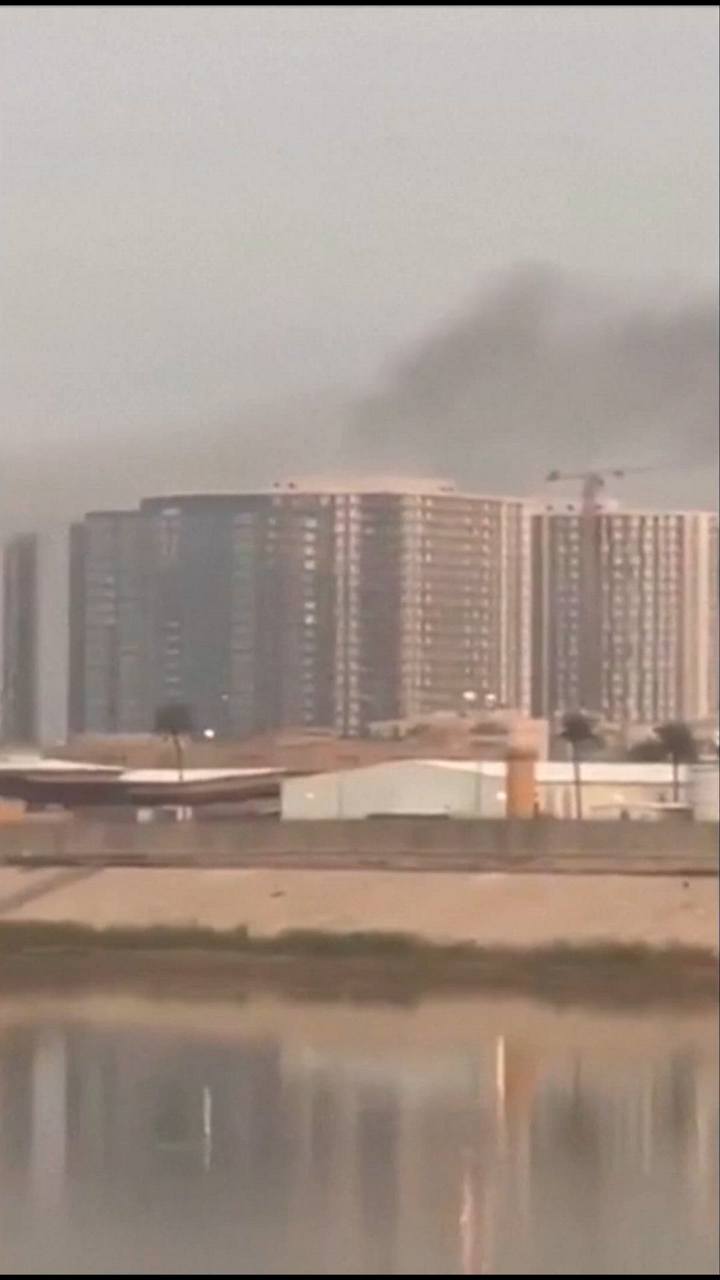
U.S. Embassy in Baghdad attacked
The drone attack has caused significant damage to the building in the centre of the Iraqi capital, although no casualties have been reported so far.
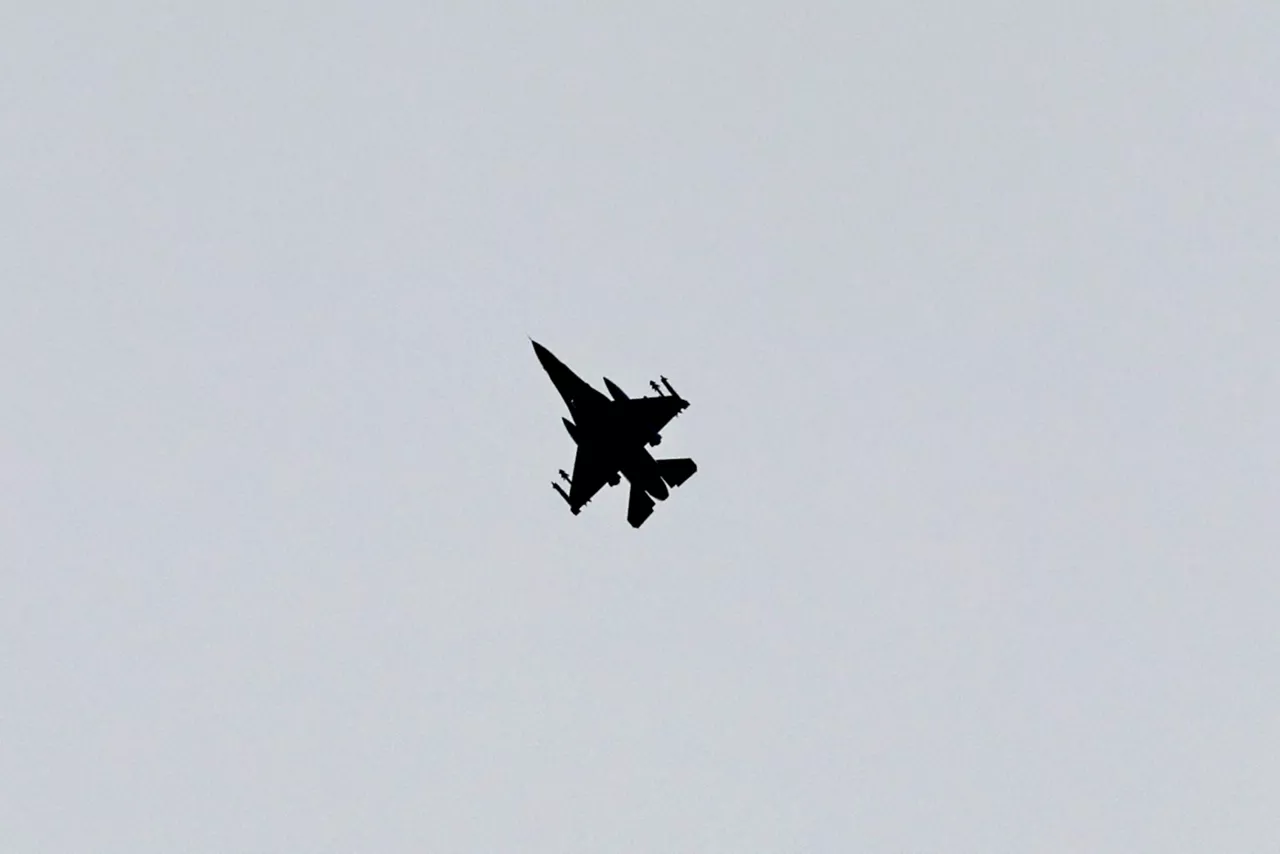
The US has bombed Kharg Island, but Iran has ensured that it has not damaged its oil infrastructure
Tehran has continued its attacks on US bases in the Persian Gulf countries and has also attacked Israel.
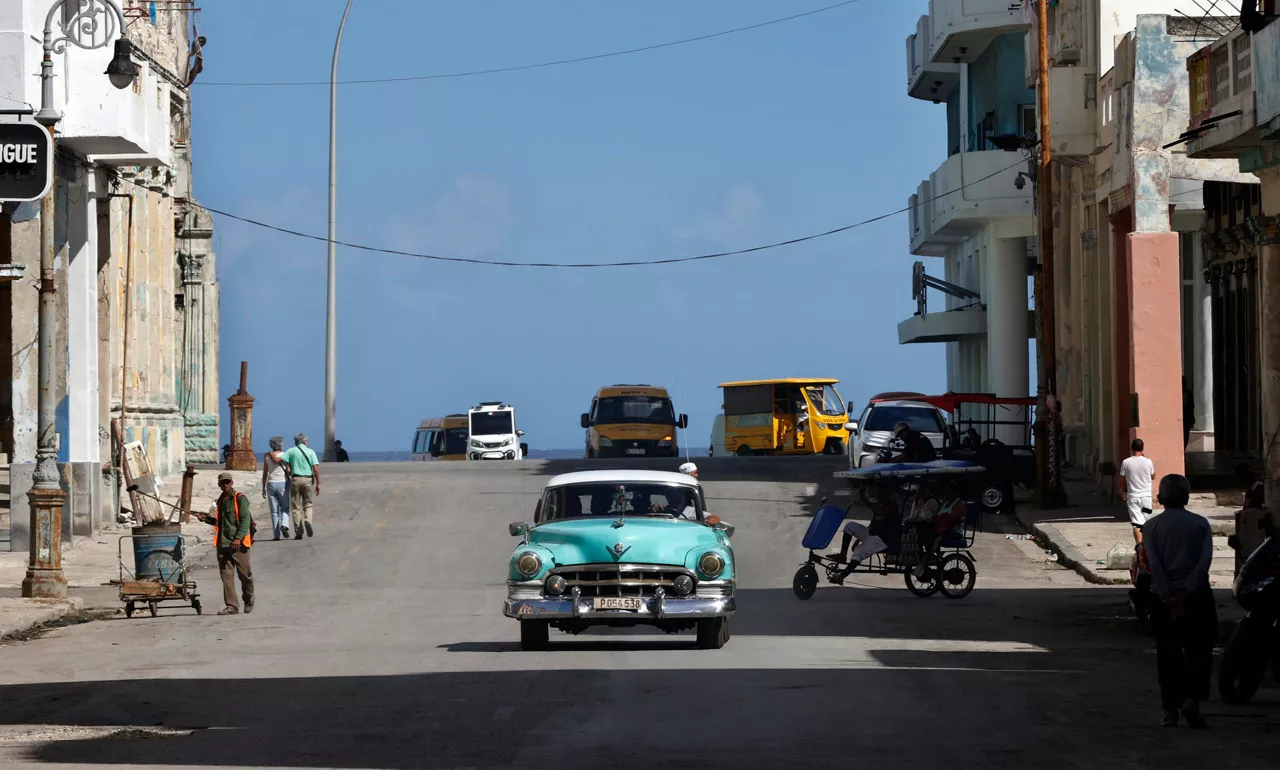
Cuba and the US start talks after Trump's threats
The aim of this first contact has been to "identify" problems, "find solutions" to them, and "define" their position on "defining actions for the benefit of both countries."
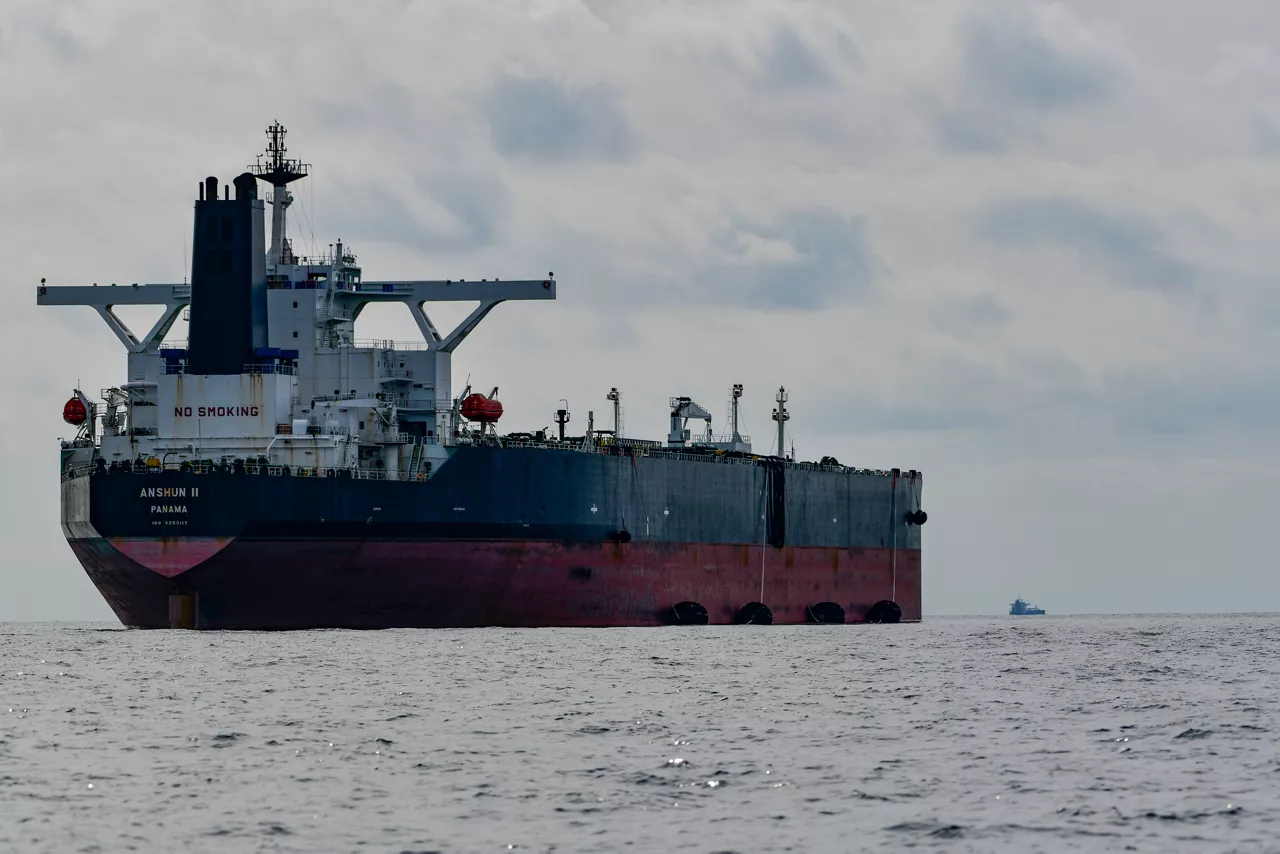
European leaders criticize US easing sanctions on Russian oil
Ukrainian President Volodimir Zelenski has warned that easing these sanctions reinforces Moscow's position and gives it an additional $10 billion to continue the war against Ukraine.
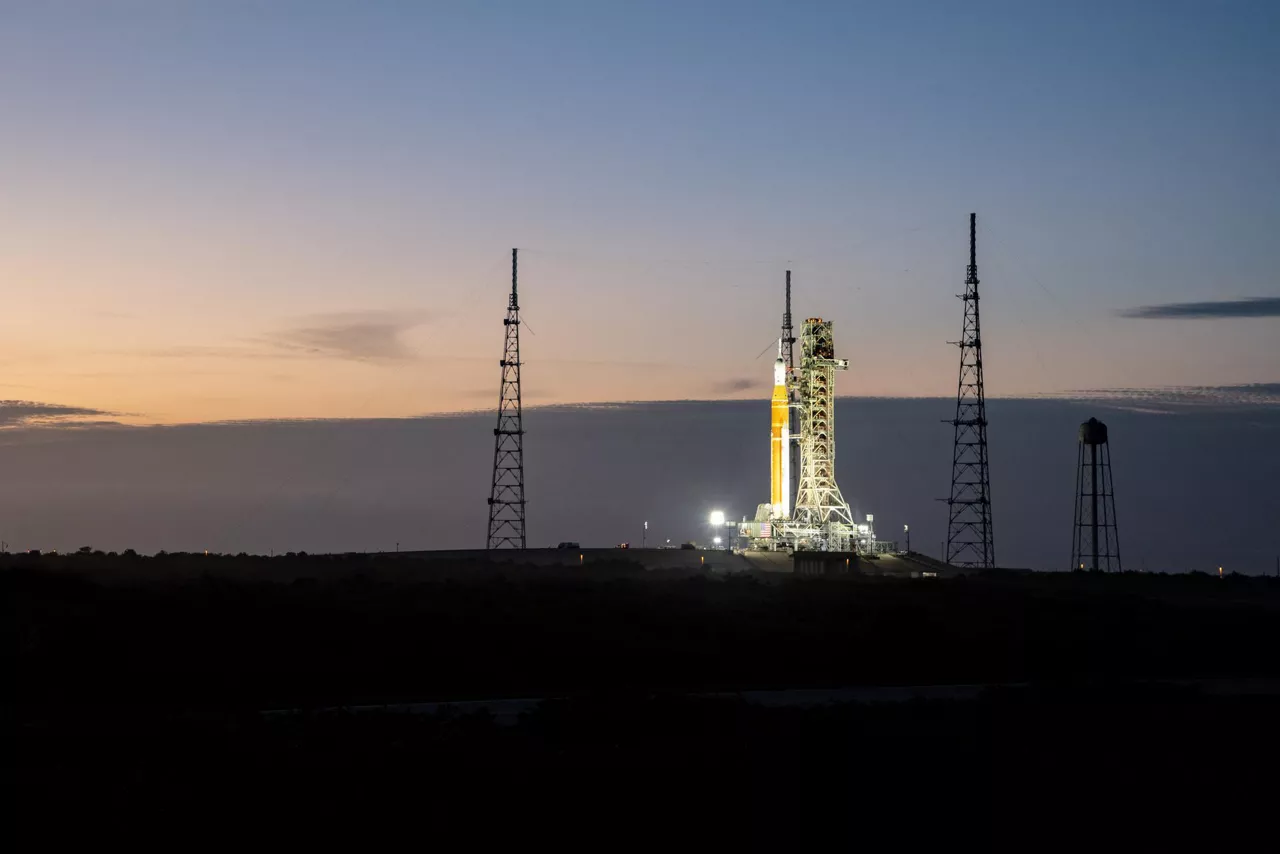
NASA will launch the Artemis II mission on April 1, the first manned trip to the moon in 50 years
The US space agency's Artemis II mission was scheduled to depart in March, but was delayed.
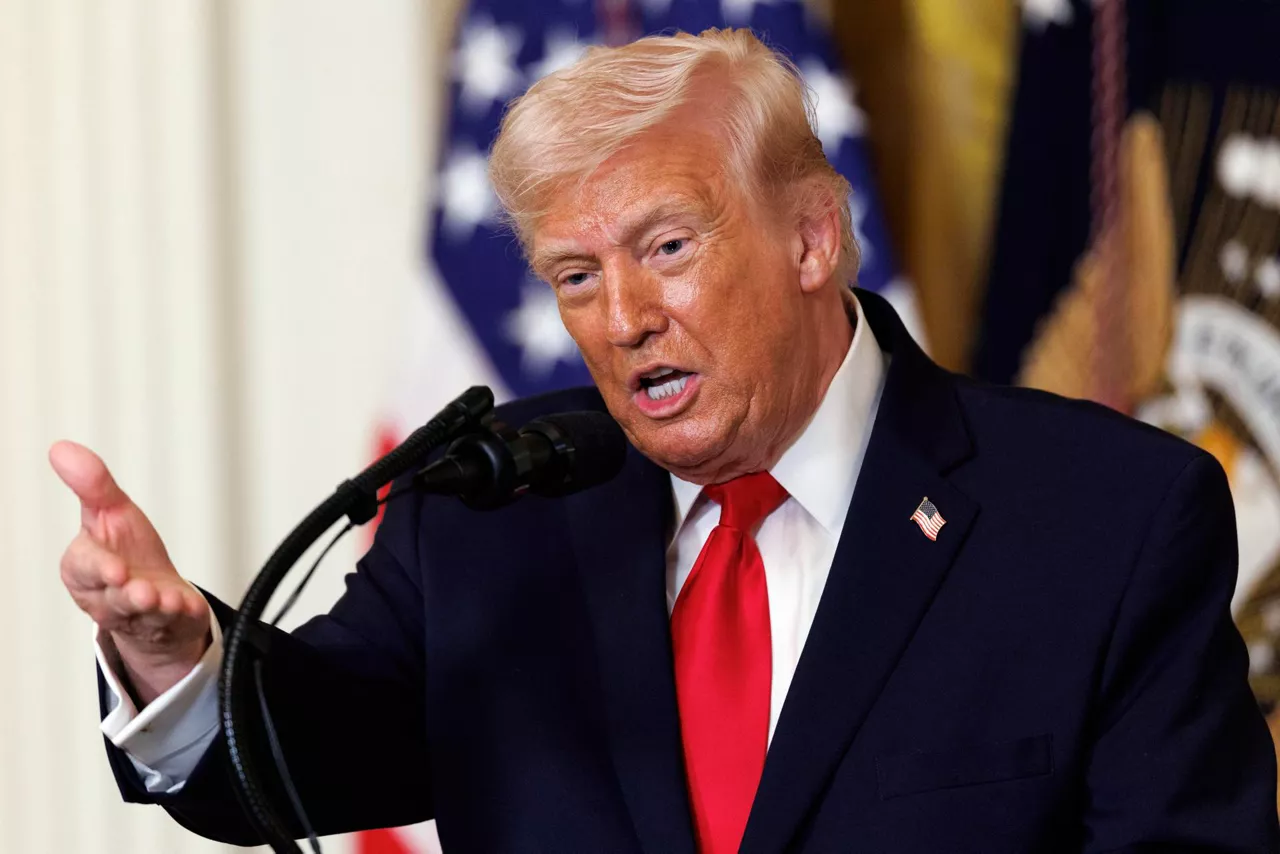
The US temporarily authorizes the purchase of Russian oil to contain the rise in prices
For his part, Donald Trump has warned that he has "unparalleled firepower, unlimited ammunition, and time ahead" to deal with the "crazy garbage" that Iran is driving.

Some 700 people have been killed in Israeli attacks in Lebanon
On Thursday, the Israeli Government threatened to "take" Lebanon in order to deal with Hezbollah's "threat." "We promised peace and security to the communities of , and that is exactly what we are going to do," Israel stressed.
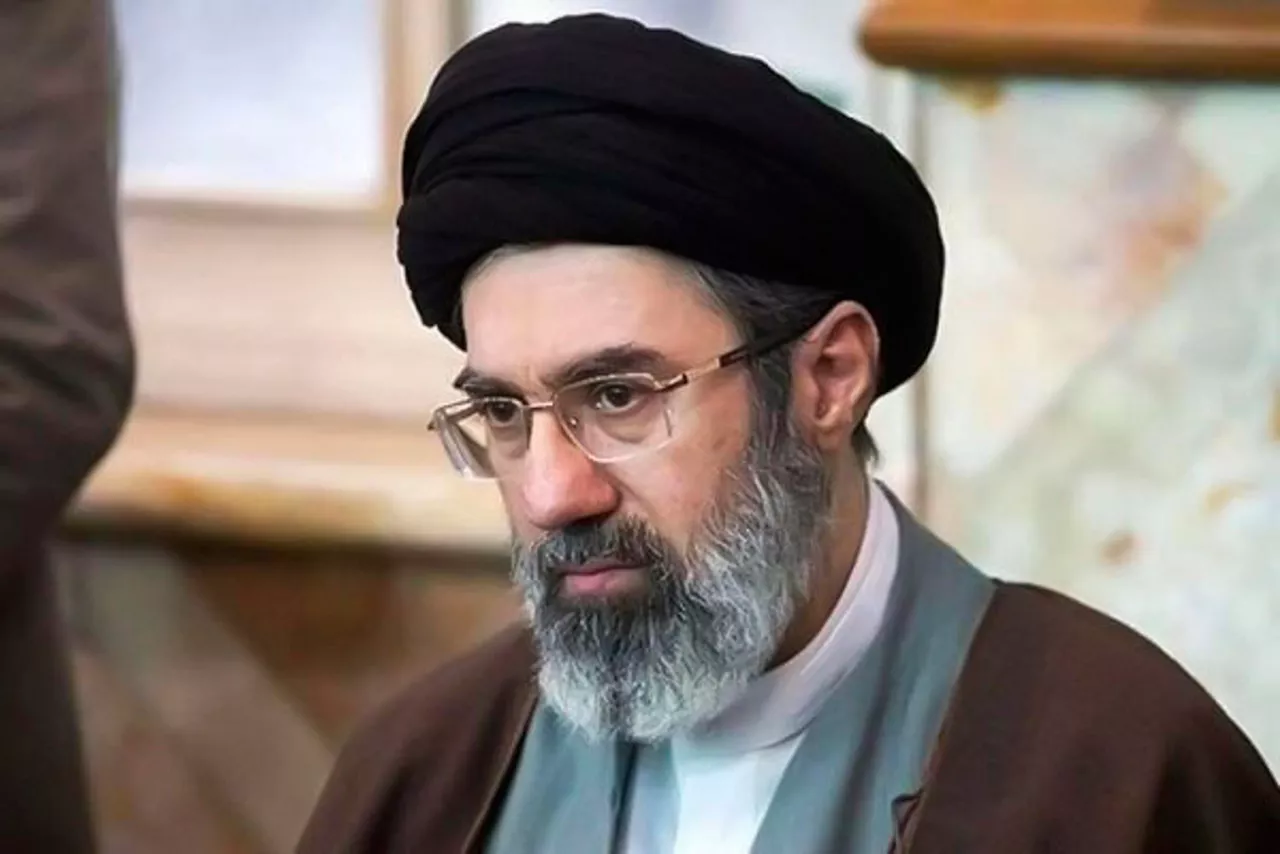
Iran's new supreme leader insists the strait of Hormuz must remain closed
Mojtaba Khameni has stressed that the blockade of the Strait of Hormuz must continue, "in order to put pressure on the enemy", following the attacks on the ships of the area . "Thearmed forces of Rango have taken away the hope of subduing the country, and possibly dividing the enemy ", AS.
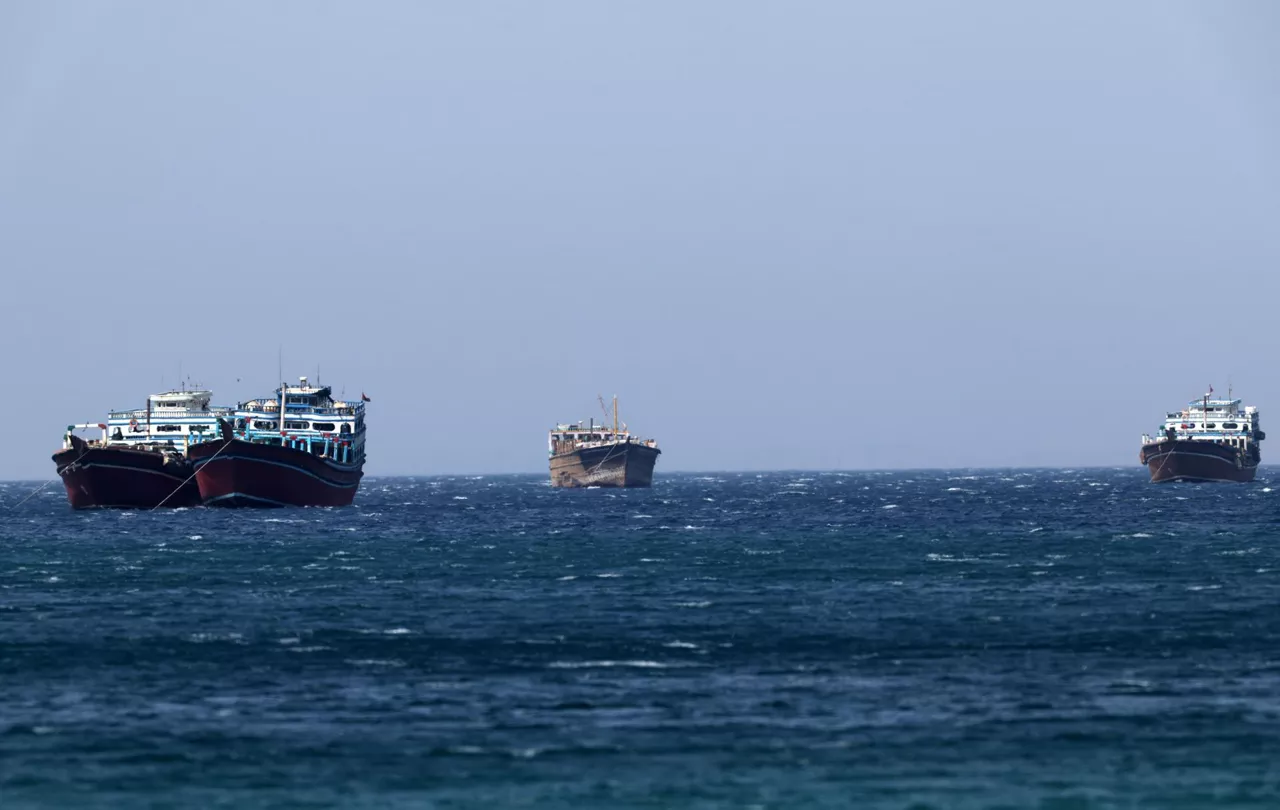
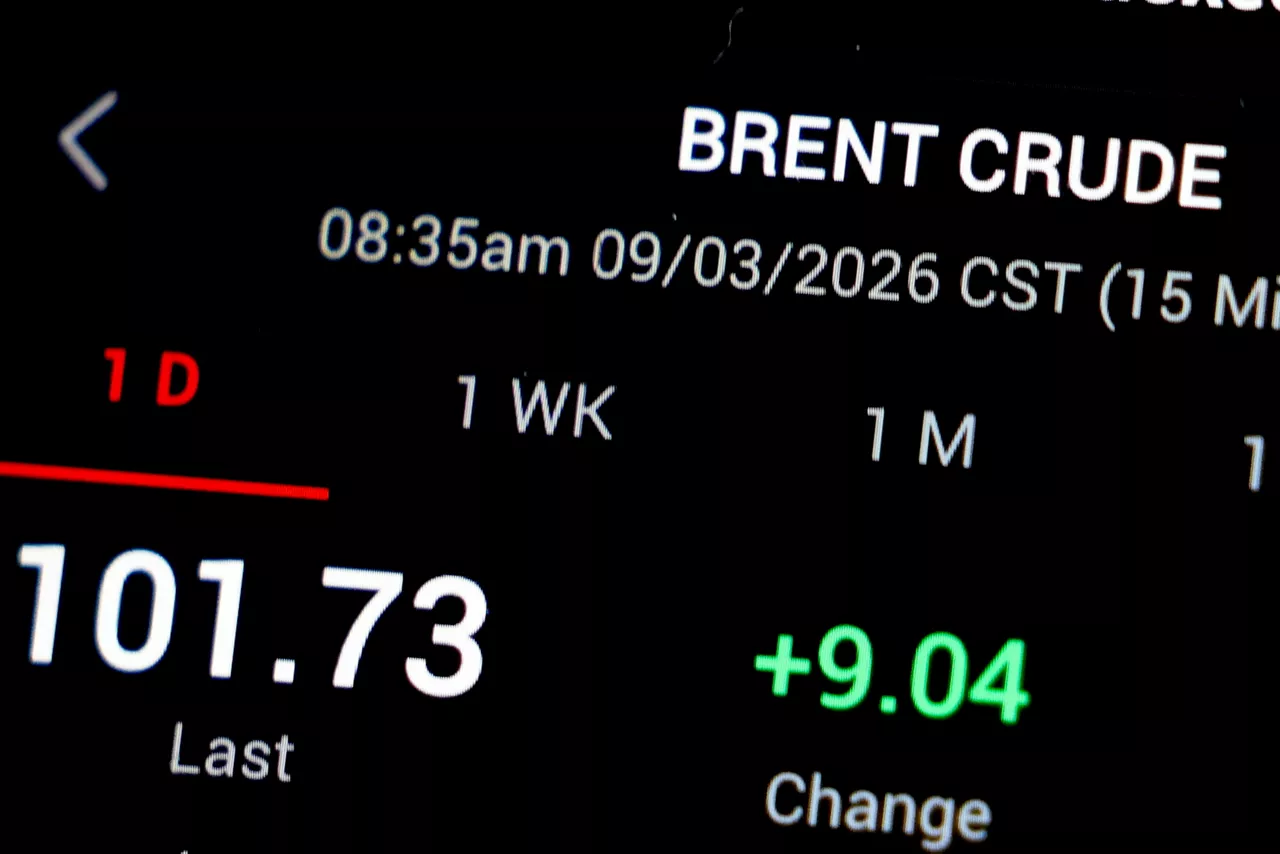
The Iranian war has caused the loss of 10 million barrels of oil a day and the price of a barrel has surpassed the $100 barrier again this morning
According to the latest report by the International Energy Agency (IEA), the interruption of maritime traffic in the Strait of Hormuz has resulted in a loss of the equivalent of 10 million barrels a day in the markets. The flow of the Strait of Hormuz has been reduced to less than 10% compared to those before the crisis. Indeed, before the crisis, 15 million barrels of crude oil were spent a day, and another 5 million barrels of crude oil from the world's total supply.
The US will extract 172 million barrels from its strategic oil reserves
Following the latest attacks on ships passing through the Strait of Hormuz, the price of a Brent barrel has risen by more than $100.