Several Iranian ships cross the Strait of Hormuz smoothly after announcing an agreement between the US and Iran
Three tankers and two other freighters who used to carry necessities have crossed the Strait.

A ship in the Strait of Hormuz.

Three Iranian-flagged tankers and two other freight tankers carrying basic necessities have crossed the Straitof Hormuz without incident after overcoming the US-imposed naval blockade, according to maritime sources compiled by Iranian public television Press TV.
These ships, which had been standing for months due tothe blockade imposed by the US military in the area, managed to cross the strait on Monday night, one day after the announcement of the interim agreement between Washington and Tehran.
U.S.President Donald Trump announced this agreement on Sunday, according to which the treaty with Iran includes the establishment of a ceasefire and the reopening of maritime traffic in the Strait of Hormuz. The Iranian authorities have also confirmed the agreement and stressed that Washington "has been forced to accept its terms."
After Trump's Announcement
On Monday, Trump declared thatthe Strait has begun to be gradually unblocked by the departure of several oil-loaded ships. The agreement between the US and Iran will be ratified next Friday, June 19, in Geneva, Switzerland, as announced by Pakistani Prime Minister Shehbaz Sharif.
The Strait of Hormuz is one of the most important strategic maritime passages in the world, connecting the Persian Gulf with the Gulf of Oman, through which much of the oil trade passes.
You might like
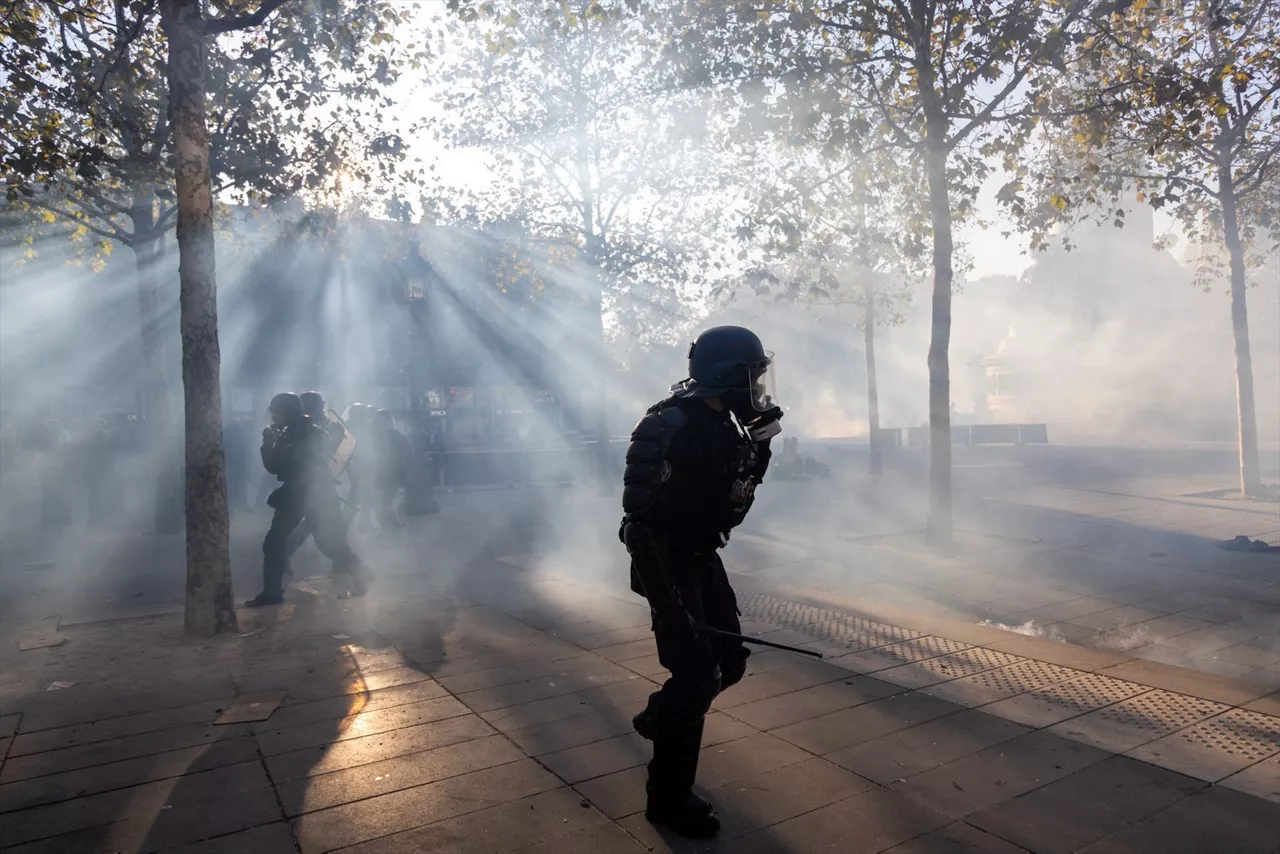
Yellow vests called for demonstrations on Saturday, and Macron accuses Trump of manipulating revolts
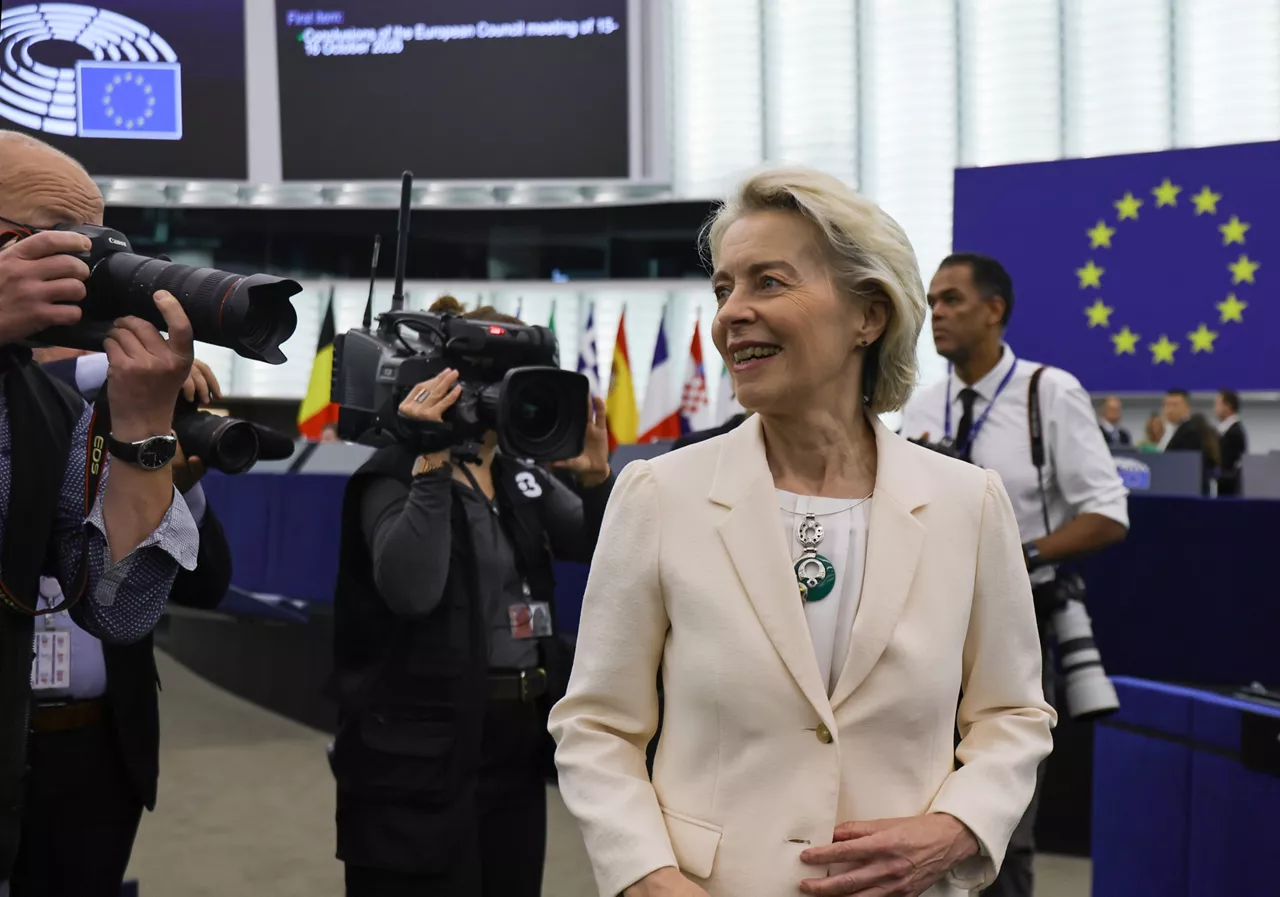
Von der Leyen blames several states and other actors for the migration crisis in Ceuta

Milei calls Sanchez a "dictator" and accuses him of promoting an "invasion" in Ceuta
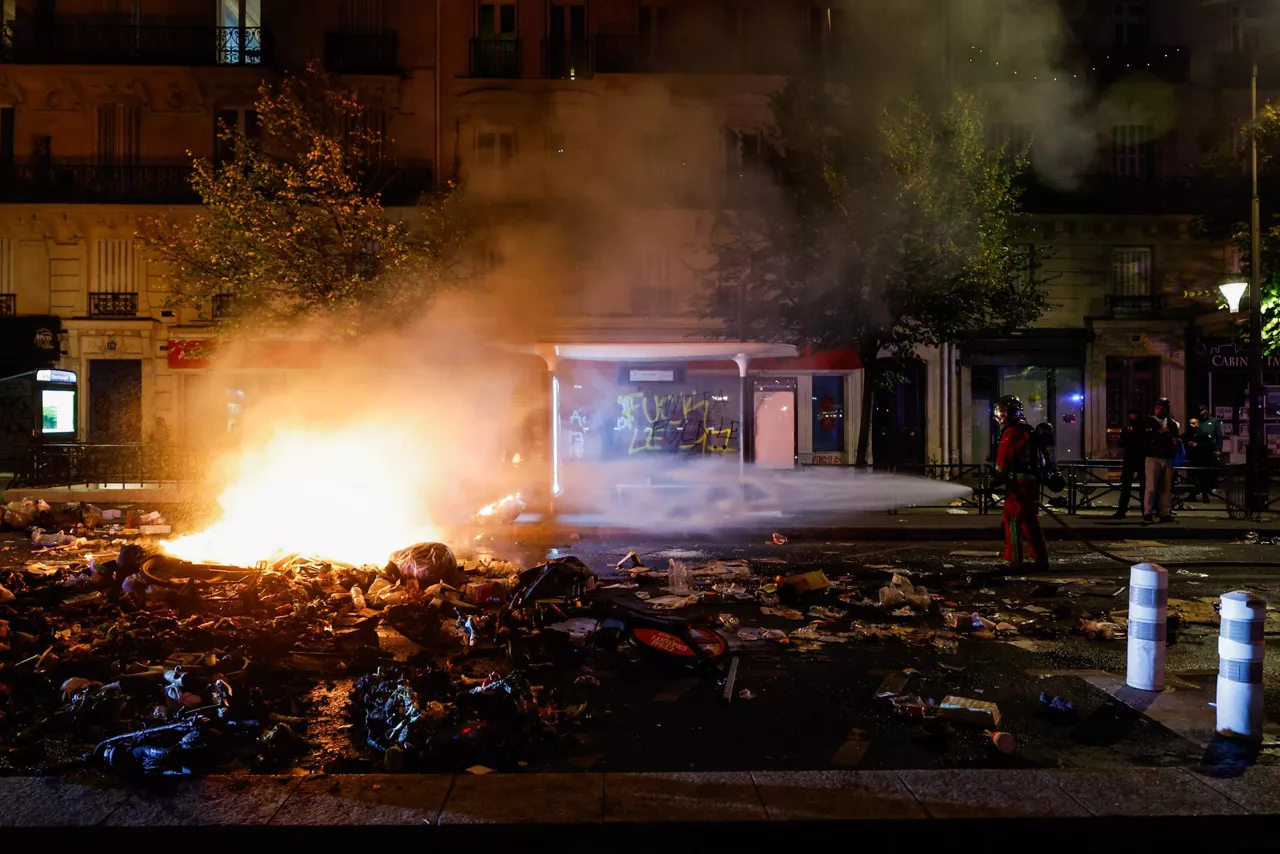
Partial curfews will be imposed in several French cities due to riots

Macron holds the far left responsible for the violence and conveys his support to the police and traders
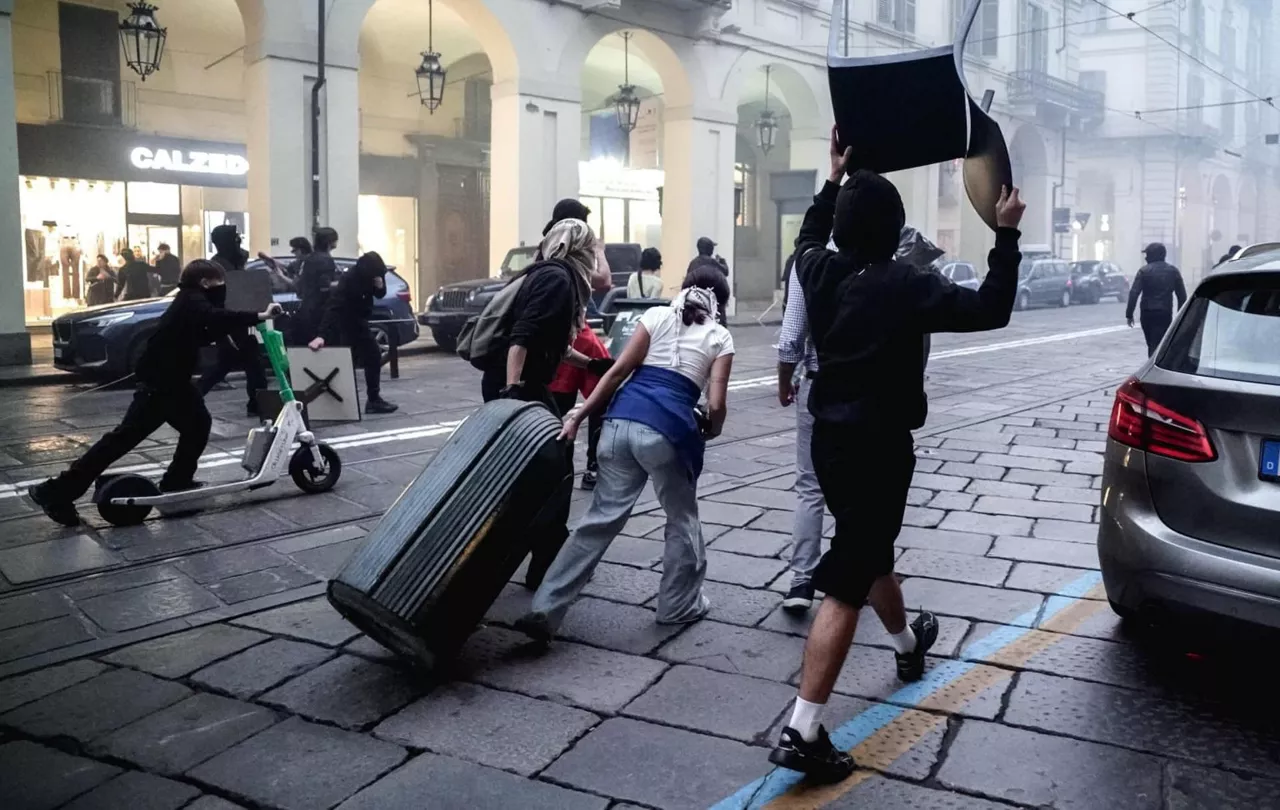
Violent protests in Italy and Albania against rising prices
Riots erupt again in Paris the day after the protests
The Pope reappears in the Vatican to pray for the Angelus
Consequences of the protests in France: one person has died, 1,200 have been arrested and there is destruction everywhere