
Otxandiano says the PSE-EE is "fundamental" and must be part of the agreements on status and Euskera
For EH Bildu's spokesman in the Basque Parliament, the institutional pact between the PNV and the PSE-EE "is unfounded; the fundamental debates are dominated by gaps."


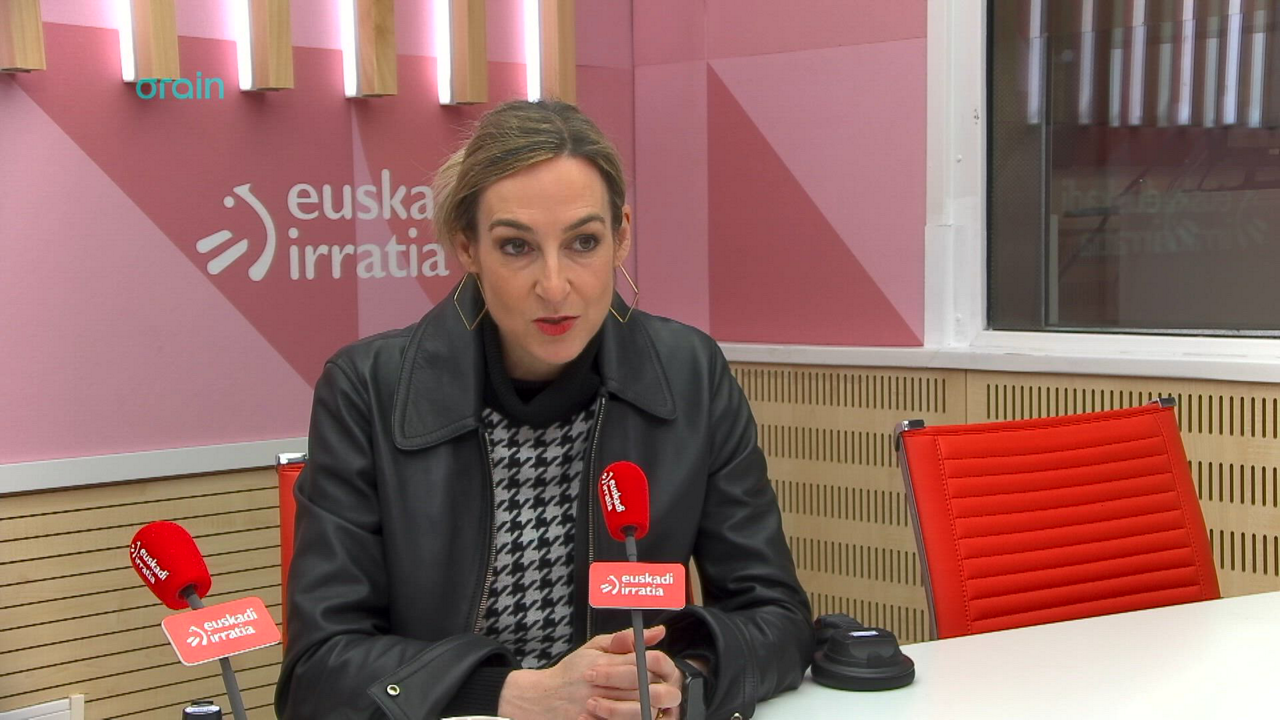
The spokesman for EH Bildu in the Basque Parliament, Pello Otxandiano, has said that the PSE-EE is a "fundamental" party that must participate in agreements on the future Basque status and the demand for the Basque language in the administration.
In an interview with Herri Irratia, Otxandiano has stated that the PSE-EE is a Basque party, but has specified that it is integrated into a "state-level" party, and that the debate on the Basque status "will also take place within this framework".
He has stressed that the "key" of this debate is to agree on a bilateral relationship between the State and the Basque Country "from equal to equal", based on the recognition of the Basque Country as a nation.
"This process could now be initiated with the bloc that supported the investiture of Pedro Sánchez in the Congress of Deputies; we have a window of opportunity, but we do not know how long it will last," he said.
With regard to the use of the Basque language in the Basque Administration, he explained that the principles of this debate must be equality between the two official languages, "empathy" towards non-Euskaldunes and the sociolinguistic reality of each region.
Otxandiano has advocated "agreements between different parties" because no party gets an absolute majority, and as for the institutional pact between the PNV and the PSE-EE, he has said: "It is unfounded; there are gaps in fundamental debates."
It has also again called for a "national agreement" to form bleak lists to deal with a possible PP and Vox government.
He believes that this proposal is "reasonable" but acknowledges that he does not believe it to be implemented.
You might like

We can, IU and Sumar stand in coalition for the Andalusian elections
The progressive parties have reached an agreement to join the Por Andalucía coalition, together with the Initiative del Pueblo Andaluz, Alternativa Republicana, Partido Verde and Alianza Verde.

Thousands of pro-independence youth gather at the Abadiño Youth Meeting Point
From today until Sunday, round tables and concerts will be the highlights. Ernai's spokesman, Amaiur Egurrola, has said that the meeting point will serve to "reflect on the role of young people in the challenges we face in Euskal Herria" and has called on all participants to have fun.

Otegi says if there's agreement on the new status, it'll be to make a qualitative leap
(Images left byNaiz.) Arnaldo Otegi says he cannot guarantee that there will be agreement on the new status between jeltzales, socialists and them, but that if there are, it will be to take a qualitative step.
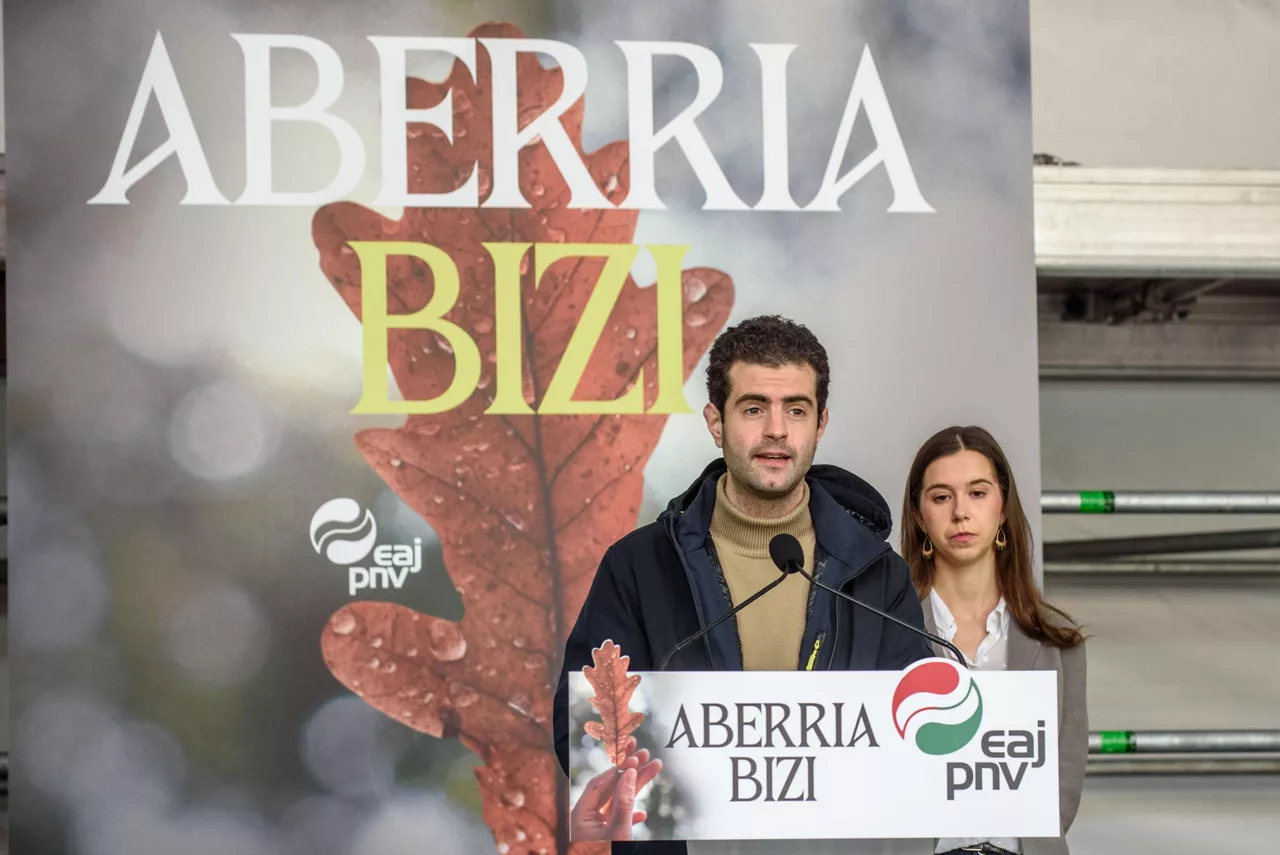
The PNV will celebrate the Aberri Eguna on Sunday in Bilbao under the slogan 'Live the Homeland'
Jeltzales have demanded that the Basque Country be "one territory or several names", in a context in which the international order is shaken, "to claim that we are a living homeland and that we live every day".
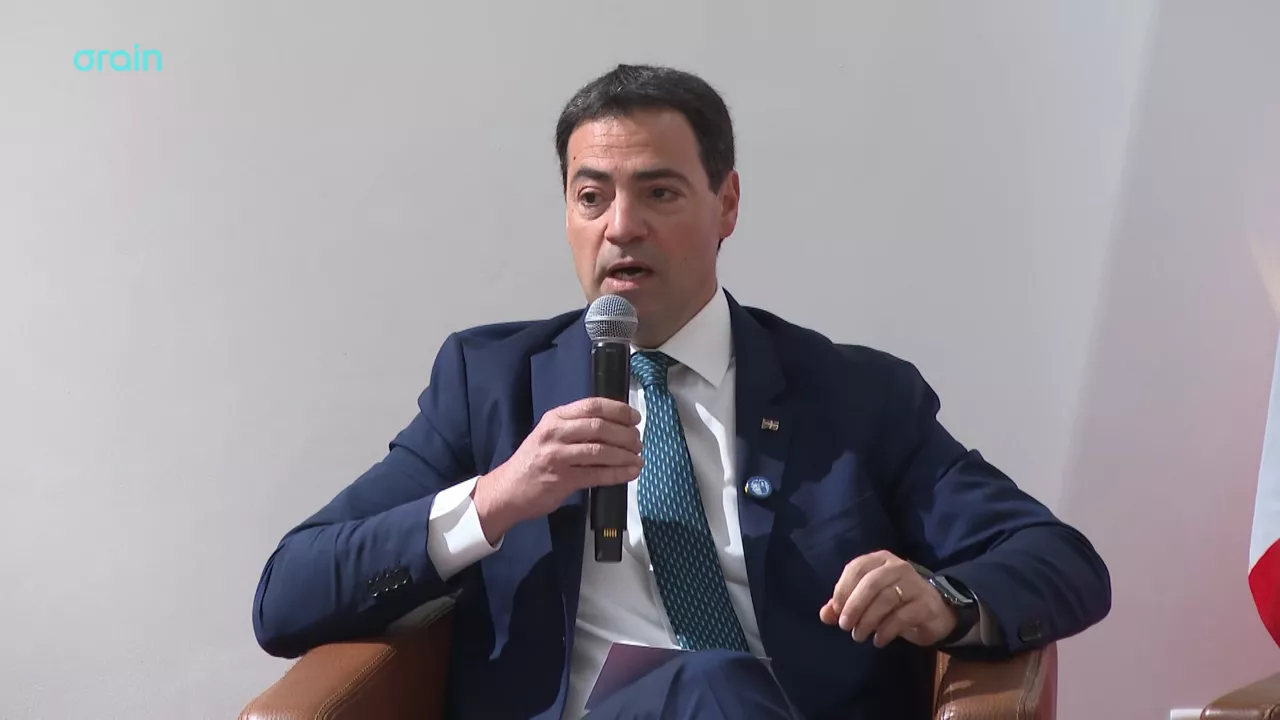
Pradales proclaims Basque self-government in the Paris Senate as a welfare agent
The President has participated in a high-level meeting in the French Senate, organised by Regions de France, with representatives of the French regions to discuss the territorial model and the role of the regions in Europe, where he has defended financial autonomy, advocated strengthening the Atlantic axis and presented the Basque model as a brake on political disaffection in Europe and the rise of the ultra-right.
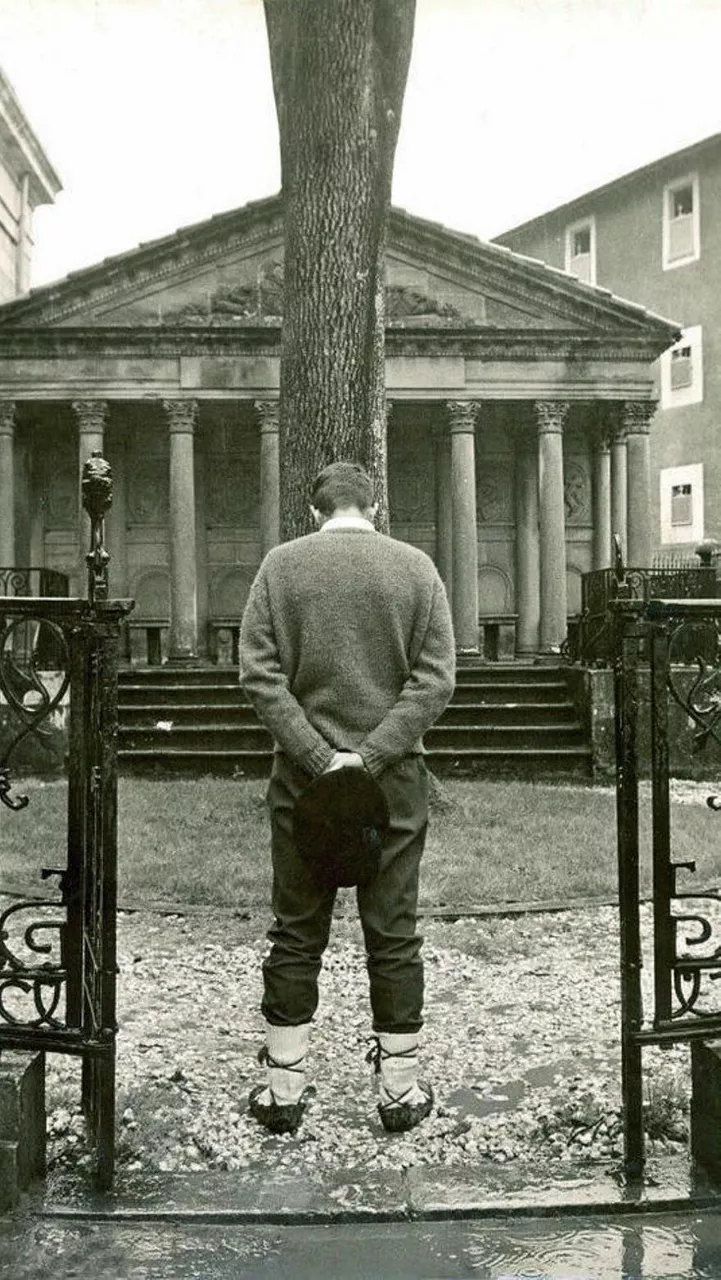
Why is Aberri Eguna celebrated? Origin, where and in Ireland... and Sicily
An article by jeltzale leader Jesus Zabala published on the eve of the first Aberri Eguna collected the reasons for choosing the date. The historian Mikel Aizpuru has studied the origin of the celebration.

The remains of militia Manuel Hernáez Ruidiaz have been identified at the Amorebieta cemetery
Born in Matute, La Rioja, he was a neighbour of Bilbao and fought in the Ensanche battalion of the Republican Left during the Civil War. His identification has been obtained thanks to a sample provided by his 91-year-old daughter.
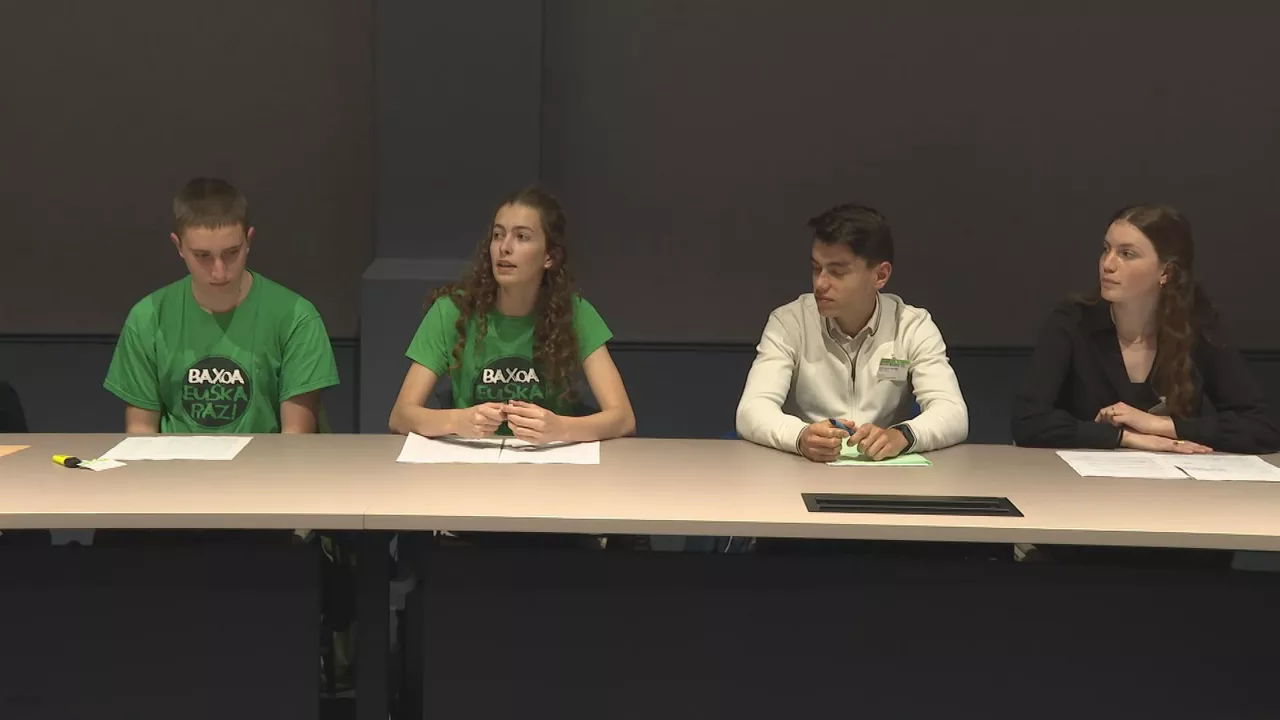
Students from Seaska take to the National Assembly the proclamation of the Basque bass
Invited by MPs Peio Dufau and Paul Molac, Basque students have participated in a hearing with Brittany.

The City Council has condemned the paintings against the mayor of Lemoa and, in the face of threats, has advocated "dialogue and coexistence"
The municipal groups have reaffirmed their commitment to "coexistence, respect and democratic participation" and have advocated "the open and pluralistic nature of Lemoa, enhancing the community values that unite us as a people".
Maria Ubarretxena: "Our demands have little to do with the interests of Aena's private fund, we want to promote public service."
With regard to Aena's handover to the Government's agreement with the Spanish Government, the Government spokesman has said that he understands "the position of the other side", since although 51% of Aena belongs to the State, in that other 49% there are private funds seeking benefits. He has stressed that the Government would like to devote investments for Basque airports to improving infrastructure and "getting more flights and connections" and not to cafes and shops that would bring greater benefits to these private funds.