
Iruña Oka
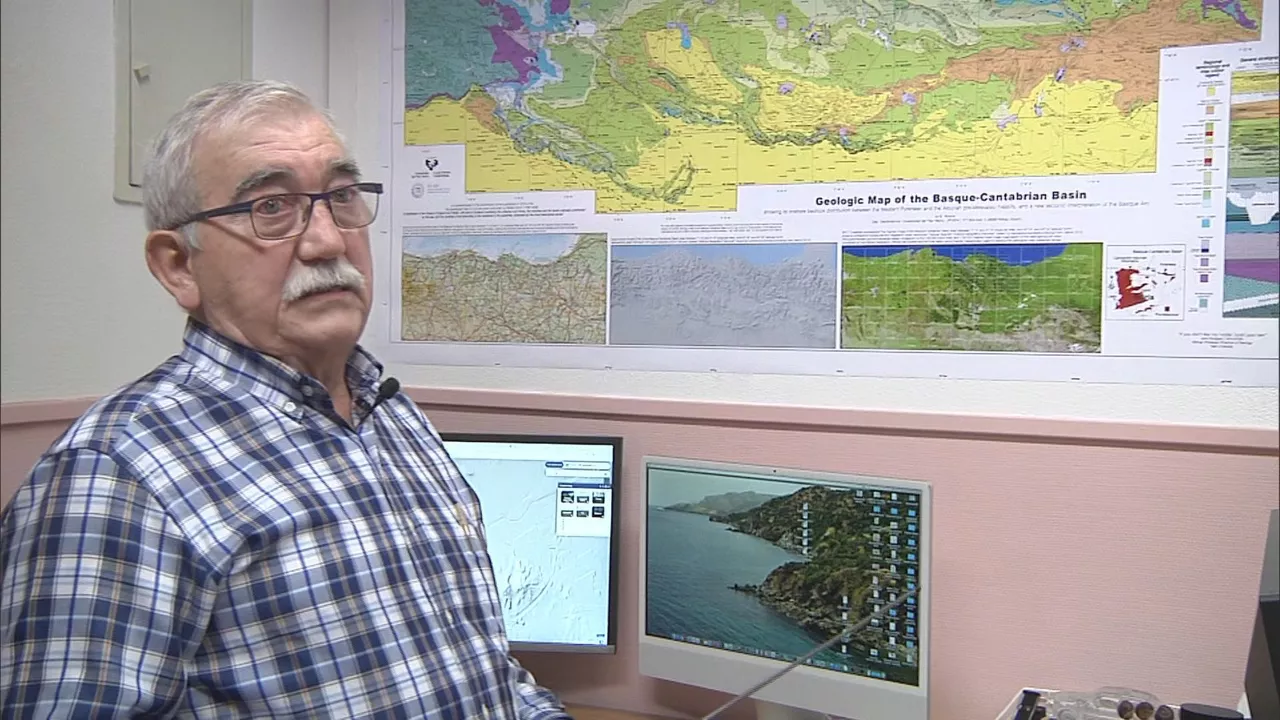
Experts have several hypotheses about the origin of the earthquake in Álava
The first hypothesis is that if the earthquake has occurred near the surface, it is due to the collapse of a large cavity, which is a karstic area with numerous caverns. The second hypothesis is that if the earthquake's hypocenter is at a depth of five kilometers, the movement of the earth could have been caused by the movement of the large salt bag in the subsoil of Álava.
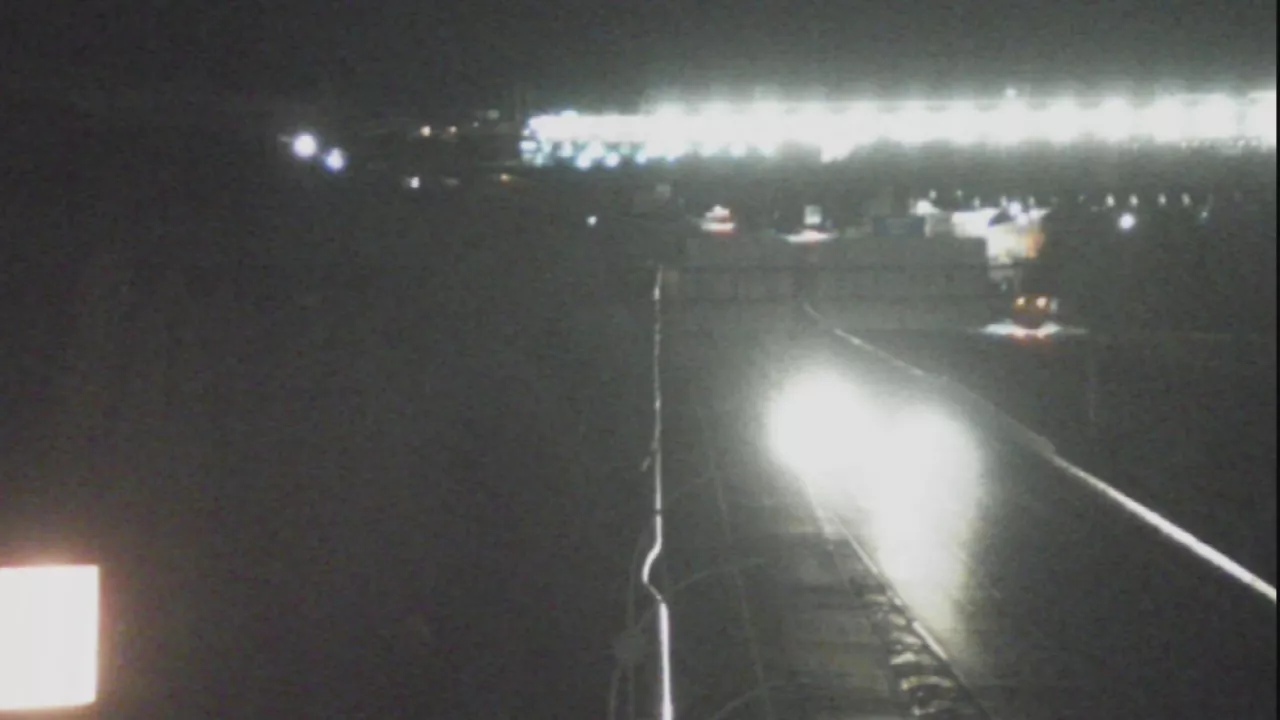
That's how security cameras recorded the earthquake in Álava
The moment of last night's earthquake has been recorded by security cameras on the Alavese roads. Although the earthquake has been brief, you can see the vibration in some of them.

Miguel Ángel Montes, mayor of Iruña de Oca: "There has been no personal or material damage, everything is under control."
After midnight, an earthquake of magnitude 4, with a Iruña Okan epicentro, has shaken Álava. According to the mayor himself, Miguel Ángel Montes, there has been no damage in the town. In addition, the mayor has conveyed his tranquillity pending the reports and conclusions of the experts of the Basque Government and the Provincial Council of Álava.
Miguel Ángel Montes, mayor of Iruña de Oca: "There has been no personal or material damage, everything is under control."
After midnight, an earthquake of magnitude 4, with a Iruña Okan epicentro, has shaken Álava. According to the mayor himself, Miguel Ángel Montes, there has been no damage in the town. In addition, the mayor has conveyed his tranquillity pending the reports and conclusions of the experts of the Basque Government and the Provincial Council of Álava.
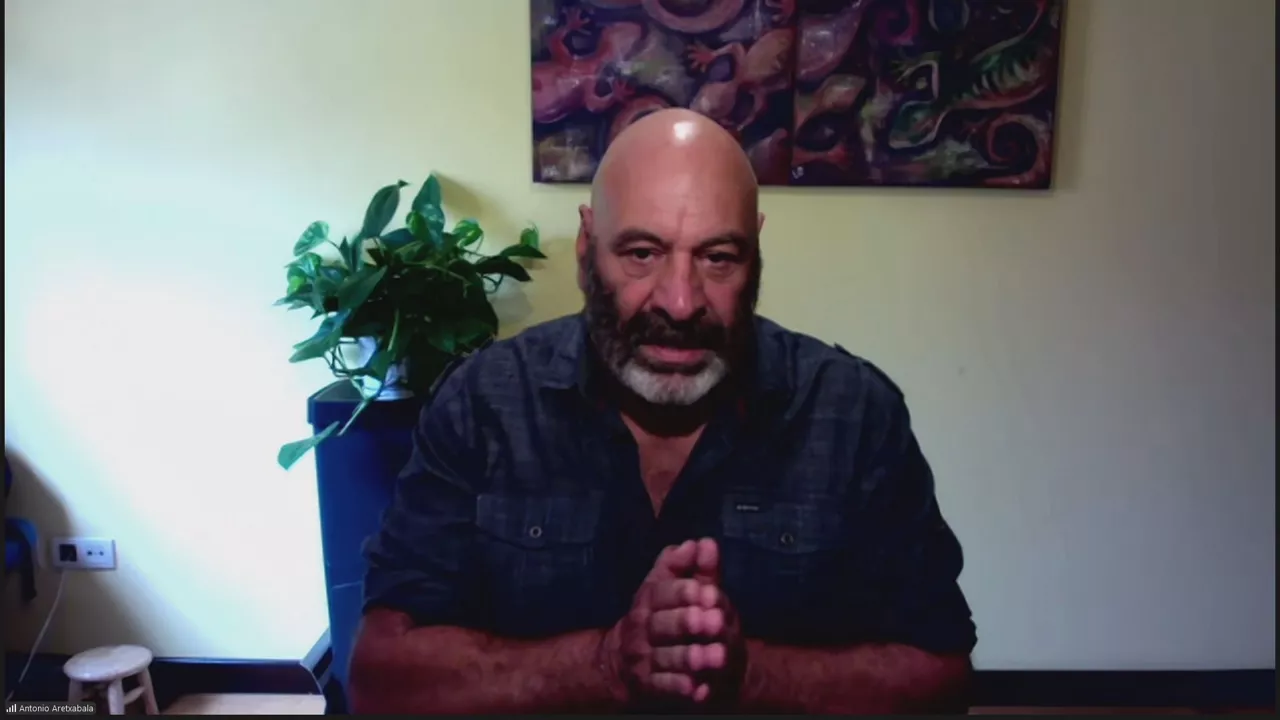
Antonio Aretxabala: "This is the biggest earthquake in the history of the Basque Country"
In an interview on Radio Euskadi, geologist and scientific publicizer Antonio Aretxabaleta has stated that the seismic movement has been the largest in the history of the Basque Country. Moreover, the earthquake has revealed the existence of a previously unknown fault in Álava.