More than 300 million people worldwide use drugs: 6% of adults
The 2025 World Drug Report warns that cannabis is the most widely consumed substance (77%), followed by opioids (61 million), amphetamines (30.7 million), cocaine (25 million) and ecstasy (21 million).

A person using drugs in Pakistan.

According to the UN's World Drug Report, more than 316 million people, or 6% of the world's adult population (15-65 years), used some kind of drug in 2023. In 2013, the percentage was 5.2%, showing an upward trend .
Cannabis is the most widely consumed substance, with 244 million users (77%), followed by opioids (61 million), amphetamines (30.7 million), cocaine (25 million) and ecstasy (21 million). At the same time, synthetic drugs have had a clear spread over the last decade, partly due to digitization and internet sales.
The United Nations warns that people are starting to consume at an increasingly young age and that illicit markets have diversified. In addition, the number of people with serious consumption disorders has increased: in 2022 there were 63 million cases of dependency, physical or psychological harm or urgent need for treatment.
The report highlights the opioid crisis, especially in the United States. In 2023, fentanyl caused more than 100,000 deaths in the United States. In South America, the consumption of basic cocaine or pako paste has caused a public health emergency in poor urban areas.
In other countries, such as Eastern Europe or Southeast Asia, heroin and methamphetamine continue to present major problems, while in West Africa the use of tramadol, an opioid originally used for medical use, has increased. Despite the severity of the problem, the health response is limited: only one in five consumers with serious disorders receive treatment.
You might like
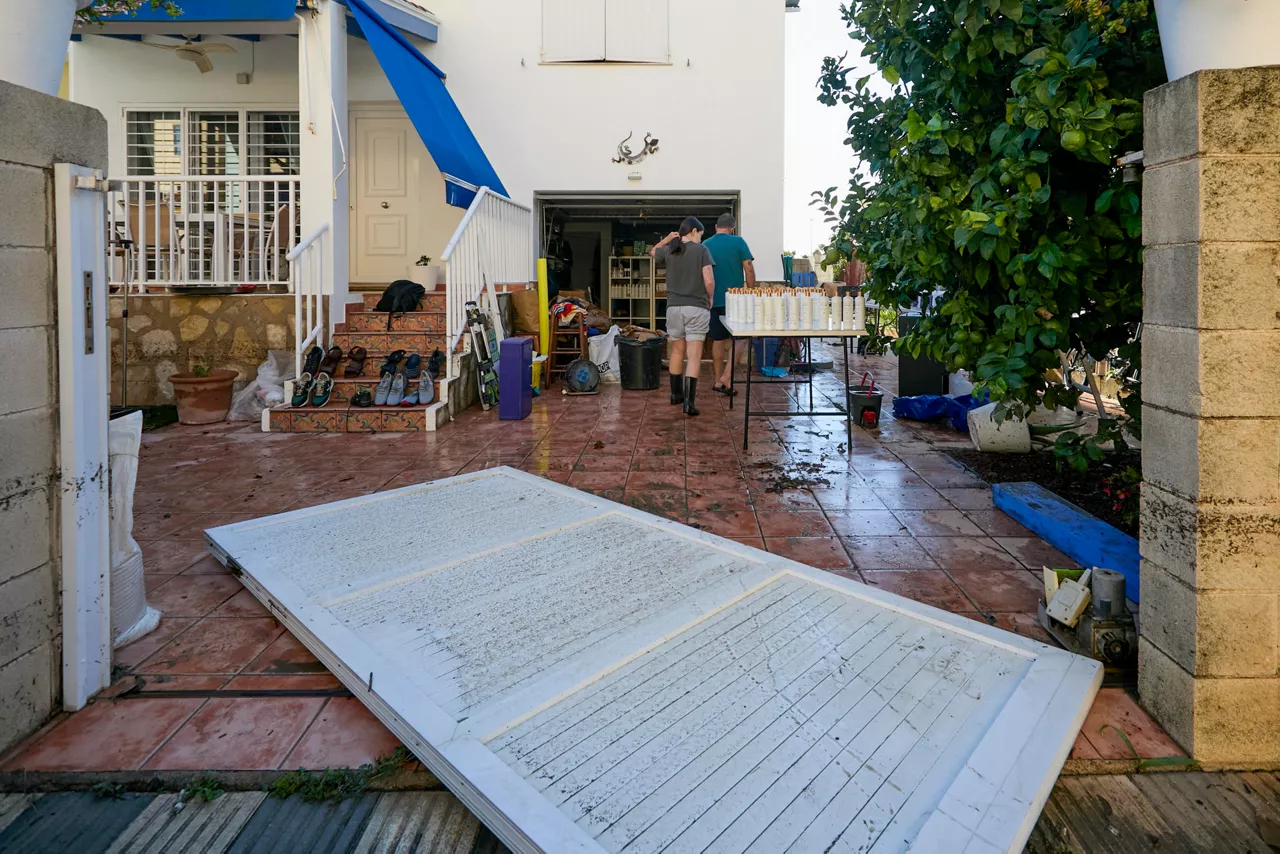
Residents are working to clean up the municipalities most affected by the isolated depression in the Adam Heights
Benta Berri residents will remain on protected rental terms
The Council will launch a virtual league between Guipuzcoan municipalities to promote healthy ageing
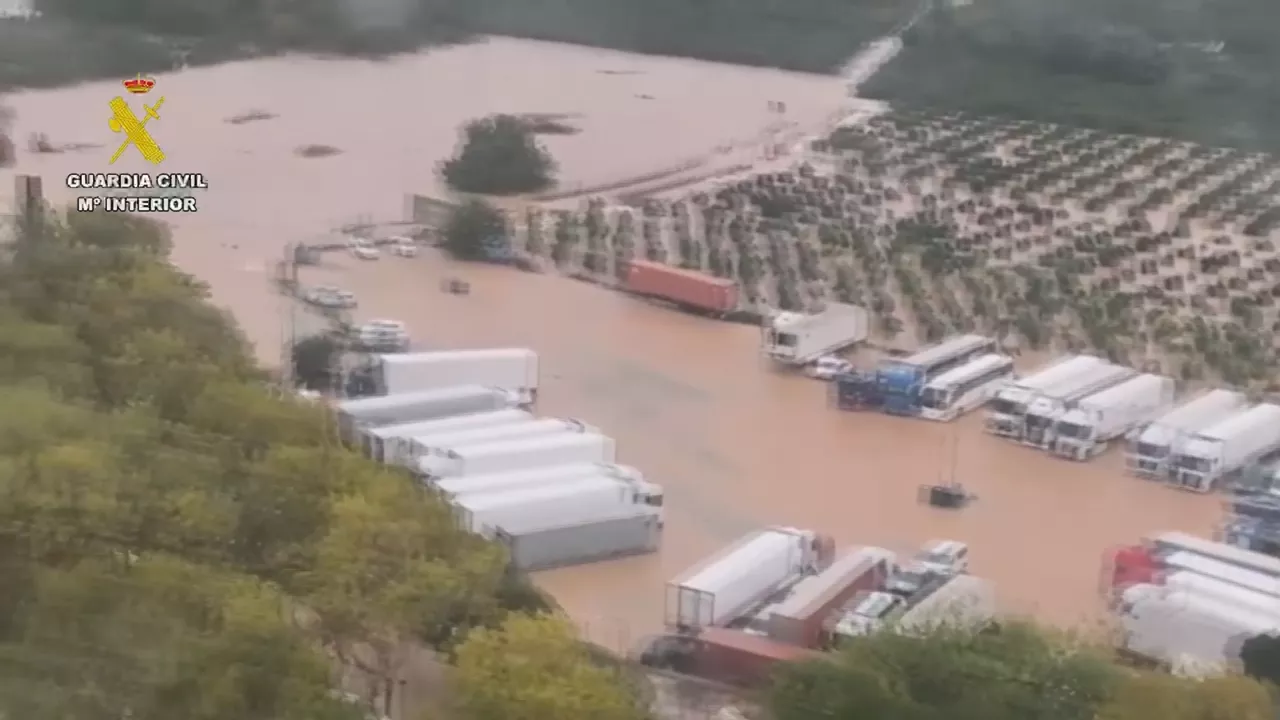
The storm has left two dead in Valencia, where the government is preparing a restraining order
The remains of Neanderthals have been found for the first time in Navarre in the caves of Abaunz

There will be news: Vaccinations in the ACV and flu vaccination in Navarre, Adam GOIDI and protests in France

The Invisible Breast Cancer Bill
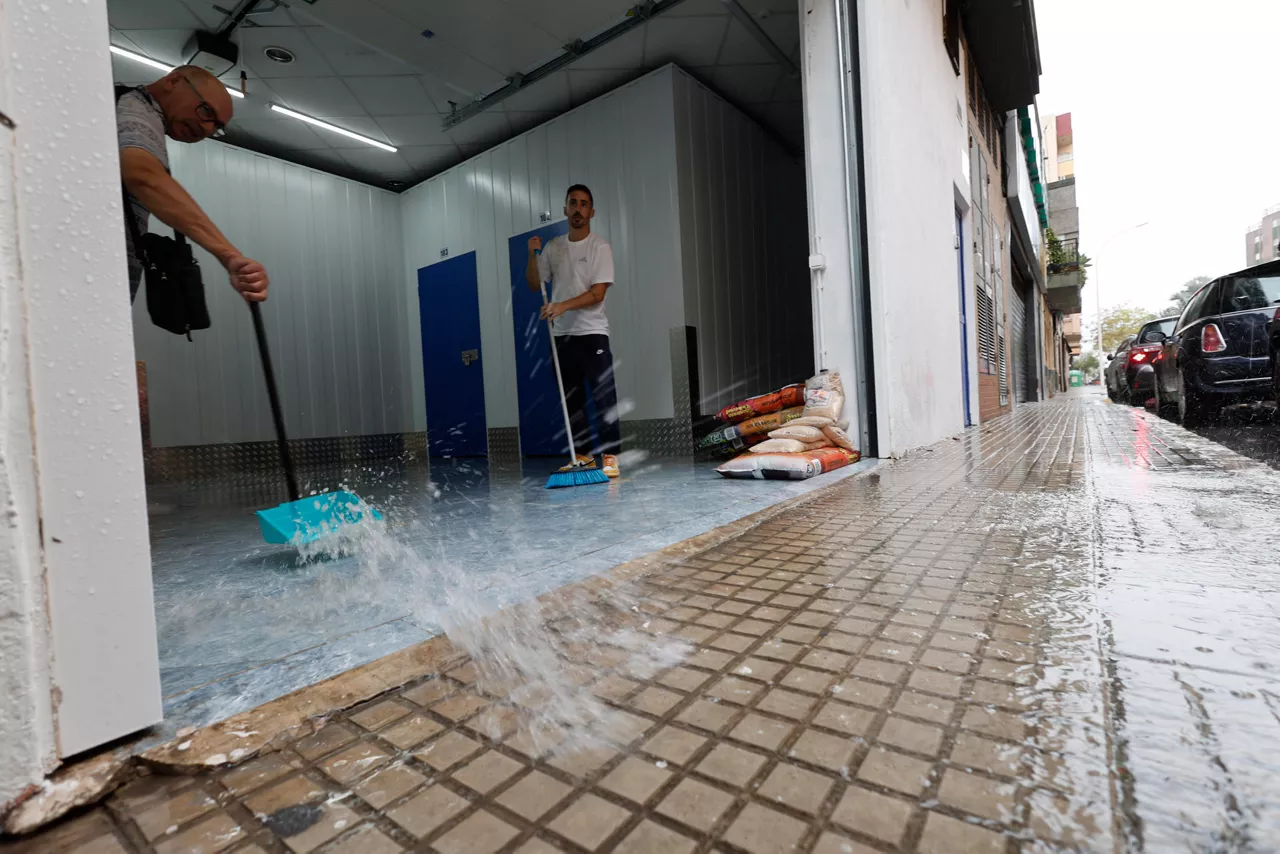
Red alert continues in Valencia and Alicante for storm Adam heading for Catalonia

More than 200,000 people are called to be vaccinated against influenza and covid in Navarre today