
Trump's plan for peace in Gaza: release of hostages, disarmament of Hamas and renunciation of occupation

As long as the agreement is about to be approved, bombings continue in Gaza.

Israeli Prime Minister Binyamin Netanyahu has accepted on Monday, at a White House hearing, the US proposal for peace in Gaza, on which the Islamist Hamas group has yet to speak.
A 20-point plan.
The Republican today presented the plan to the Israeli Prime Minister at his meeting in the White House, but it should still be approved by Hamas. In this regard, the Islamist group has warned that the plan was not yet known before the hearing.
Here are the 20 points:
1. Gaza shall be an area free of terrorism and not a threat to Israel.
2- Gaza will be rebuilt for the benefit of its people.
3- Immediate ceasefire and gradual withdrawal of Israeli forces to prepare for the release of the hostages.
4- Hamas will release all hostages in 72 hours, both alive and dead.
5- Israel will release 250 Palestinian prisoners sentenced to life imprisonment and 1,700 Gazatis detained following the attacks of 7 October.
6.- Hamas undertakes to act peacefully together and lay down its arms.
7- Once the agreement has been adopted, all humanitarian aid necessary for Gaza will be sent.
8- Access and distribution of humanitarian aid without interference through United Nations agencies.
9- Gaza will be administered by a technocratic committee supervised by an international "Peace Commission" chaired by Trump himself and headed by former British Prime Minister Tony Blair, which will then be controlled by a reformed Palestinian Authority.
10- A plan for economic development for Gaza will be created to attract investment.
11- A special economic zone will be created in Gaza.
12- There will be no forced displacement, and those who voluntarily leave will be entitled to return, but "people will be encouraged to stay and offered the opportunity to build a better Gaza."
13- Hamas and other factions may not rule Gaza "directly or indirectly" and the Strip shall be demilitarized under international supervision.
14- The countries of the region will ensure that Hamas and other groups honour their commitments and that Gaza "is not a threat to its citizens and neighbours".
15- Deployment of an International Stabilization Force (ISF), supported by the US Arab member, to train Palestinian police forces and maintain internal and border security.
16- Israel shall not occupy or annex Gaza, shall gradually withdraw control for transfer to the ISF, and shall maintain a security perimeter if necessary.
17- If Hamas "delays or rejects" the proposal, all of the above will be established in areas "free of terrorism" transferred by Israel to the ISF.
18- Interreligious dialogue will be promoted to promote tolerance and peaceful coexistence between Palestinians and Israelis.
19- The progress of reconstruction and the implementation of the reforms of the Palestinian Authority will open up the possibility of self-determination and the creation of a Palestinian State.
20- The United States will establish a dialogue between Israel and Palestine to agree on a political objective that allows peaceful and prosperous coexistence.
You might like
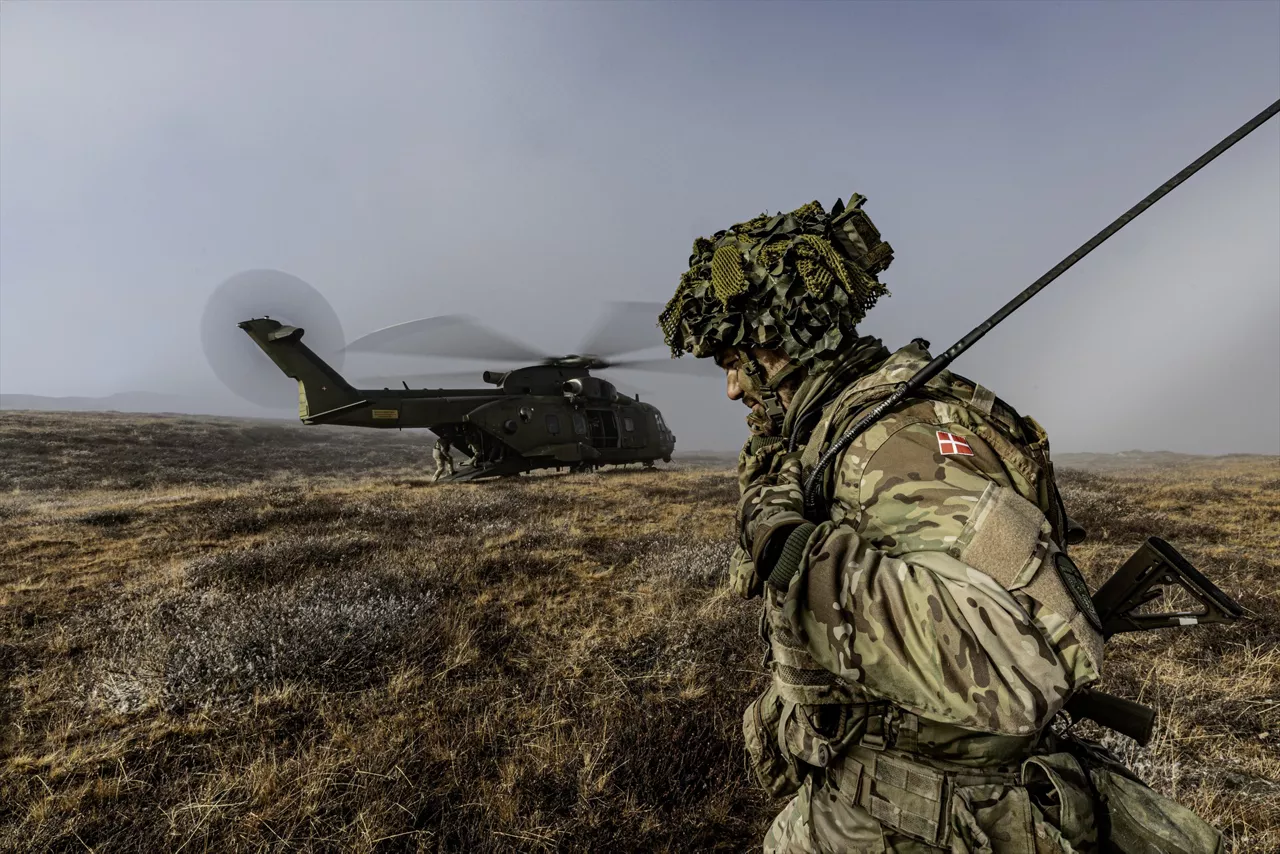
A number of European countries have opened the door to deploying troops in Greenland to 'maintain security in the Arctic'
Europe has reacted to US President Donald Trump's threats about that Arctic island.

U.S. forces confiscate another tanker in the Caribbean
On Thursday, the U.S. Coast Guard confiscated the oil tanker "Veronica" in the Caribbean waters on charges of violating the Washington blockade on Venezuelan crude oil, which would be the sixth operation since the Trump administration began to block confiscation in the Caribbean and dejected vessels.

NASA's Crew-11 mission has returned to Earth, an astronaut due to illness
On January 8, NASA announced its decision to advance the end of the mission and bring the four crew members to Earth. This is the first time that the end of a mission at the International Space Station has been anticipated due to the health of one of its members, because although the station has advanced medical equipment, it is not prepared for complex diagnoses.
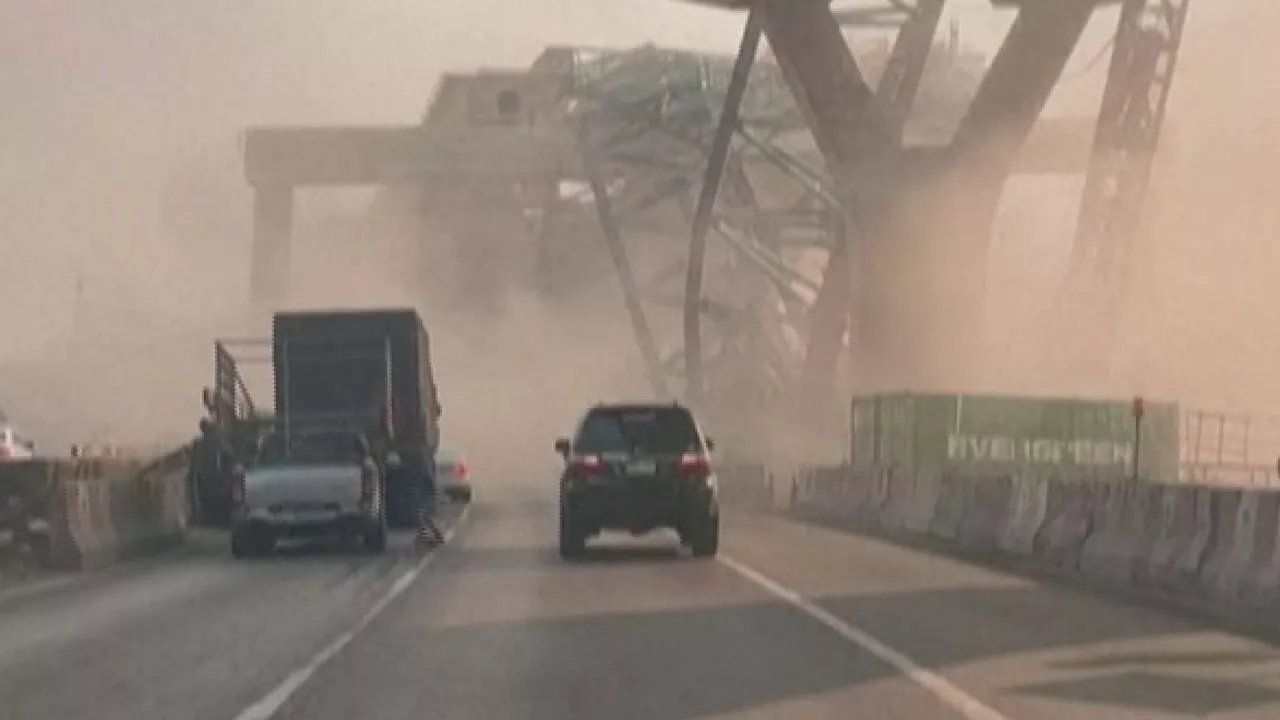
Two dead and one wounded in Thailand after the collapse of a crane building a bridge
In Bangkok, this crane fell on a highway bridge and hit at least two people, both of whom were killed. Bezperan, another crane used to build the high-speed train in Thailand collapsed and killed 32 passengers and injured 66.

Police shot a person in Minneapolis a week after killing Renne Good
The U.S. Department of Homeland Security has reported that the wounded man attacked the Immigration and Customs Officer when they went to arrest him and the police responded by firing.
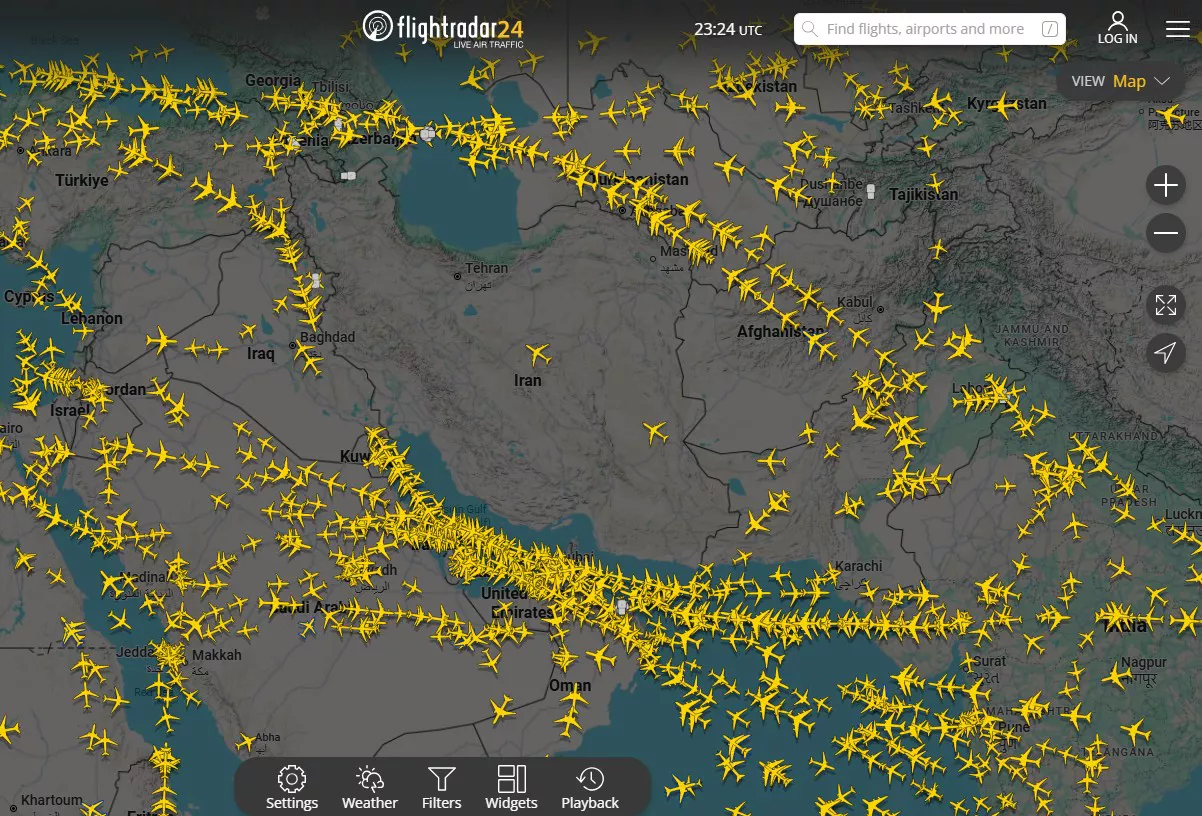
Iran reopens airspace after nearly five hours closed; tension with the US is high
U.S. President Donald Trump has told his advisers that military action against Iran should be "quick and blunt," according to NBC News.
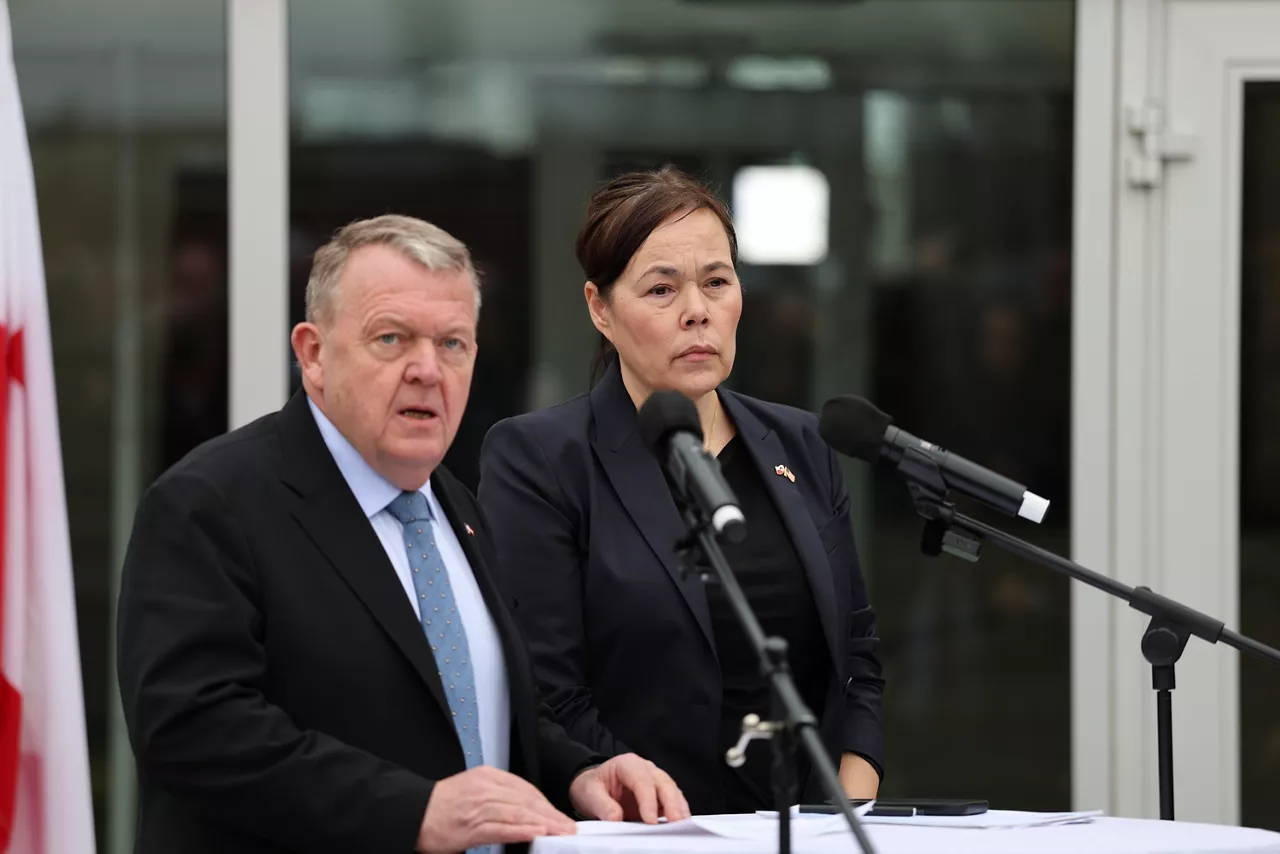
Denmark and the US set up a "high-level working group" to guide the Greenland affair
The meeting between the delegations of the United States, Denmark and Greenland ended this afternoon at the White House without agreement.
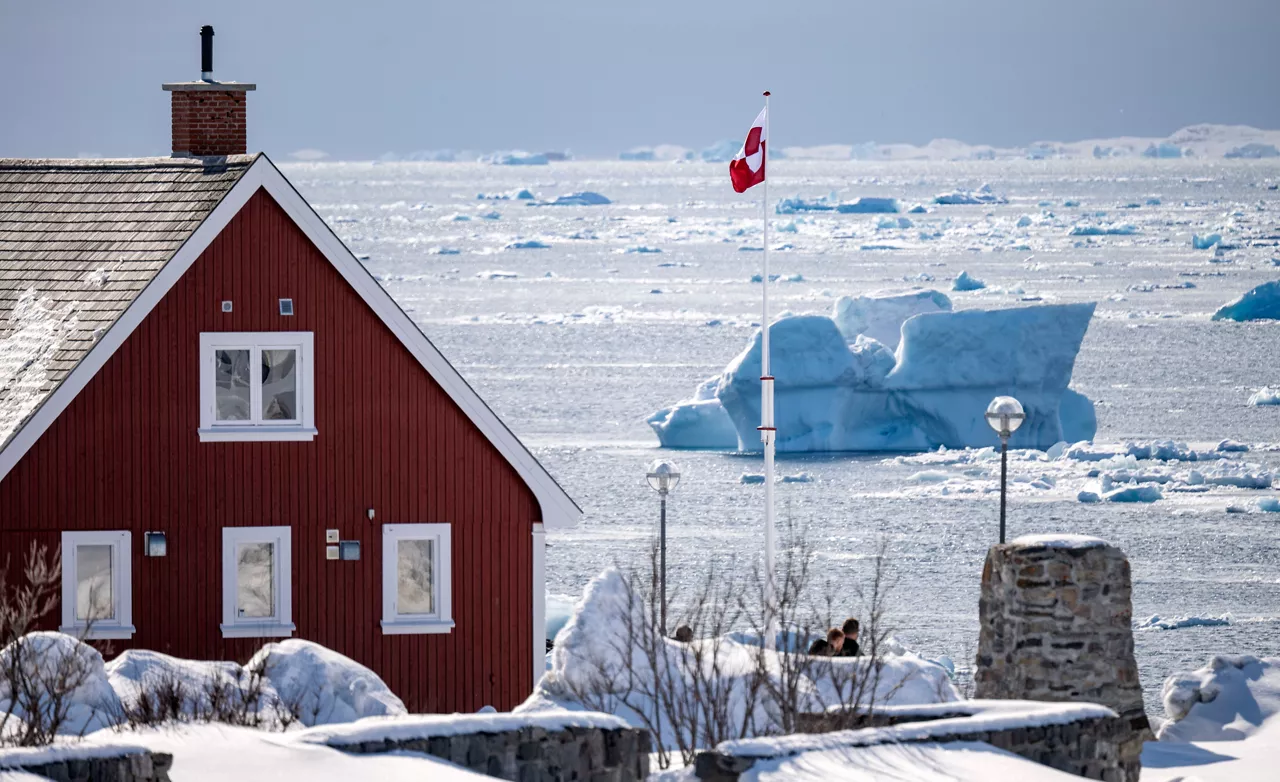
Denmark announces it will strengthen its military presence in Greenland with its NATO allies
He recalled that his presence on the island was increased last summer with various initiatives, including his manoeuvres with four other Alliance countries.

Trump pulls his middle finger out of a Ford employee who yelled "pedophile protector."
Donald Trump pulled the middle finger out of a Ford employee during his visit to the Detroit car factory after the worker shouted "pedophile protector."
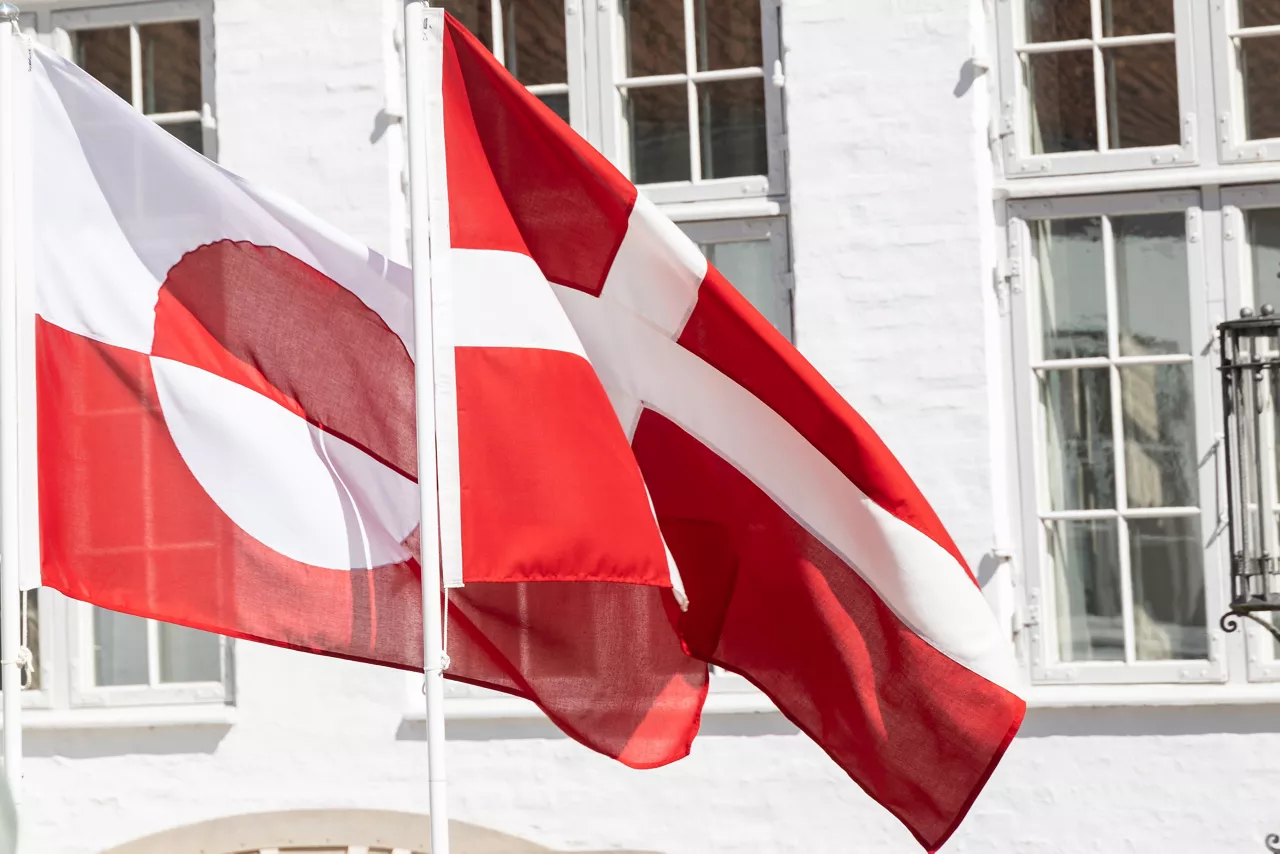
The U.S., Denmark, and Greenland authorities are meeting today at the White House about Trump's intention to take over the island
In the run-up to the White House meeting, the prime ministers of Greenland and Daminarch wanted to deliver a message of unity. Danimarch or the United States of America would choose Denmark "within NATO and the European Union." The head of the Danish Government, for his part, has stressed that the island is not for sale.