
There is a "historic" law in force in Australia that prohibits children under the age of 16 from using social media
According to the Australian Government, teenagers are under increasing pressure in digital environments, and early exposure to social media can aggravate problems of anxiety, low self-esteem, or school isolation.

A smartphone with apps used by minors in Australia. EFE.

eSafety , the online security agency in Australia, has begun monitoring and implementing the new minimum age for the use of social networks on Wednesday. The new law, agreed by the Government, sets this minimum age at 16and aims to "protect families and minors".
Australian Prime Minister Anthony Albanese has described the entry into force of the law as "historic progress , one of the greatest social and cultural changes of recent decades. "
The government says teenagers are under increasing pressure in digital environments, and early exposure to social media can exacerbate problems of anxiety, low self-esteem, or school isolation.
The Australian Communications Minister, Anika Wells, said on Wednesday that since the entry into force of the law, more than 200,000 casualties have already been recorded on TikTok alone, and that "hundreds of thousands more" are expected in the coming days.
The veto, for the time being, reaches the major social media platforms: Facebook, Instagram, Threads, TikTok, YouTube, Snapchat, X, Reddit, Disque, and Twitch and Kick 'streaming'. However, it is likely that in the coming months s, such as LinkedIn and Lemon8, will also be vetoed if you see that many teenagers start using them.
On the other hand, applications such as WhatsApp or Messenger , which are only considered messaging, have been excluded from the ban ; they have become a haven for many teenagers who want to be in touch with friends and family.
According to the regulations, platforms must take "reasonable measures" to verify the age of users, be they identification document verification systems, automated age analysis through AI, internal controls or blocking suspicious accounts.
Failure to apply these appropriate verification mechanisms will pose a risk of fines to platforms, which could face fines of up to$49.5 million ($32 million US or €28 million).
PROS AND CONS
The measure has its pros and cons. Advocates argue that the measure protects the mental and emotional health of minors and reduces exposure to harmful content, harassment, digital addiction and social pressure. They believe that delaying access to networks provides a safer environment for development.
Among the risks most cited are cyberbullying, paedophile deception (grooming), access to violent or misogynistic content, and algorithmic manipulation. For the authorities, the prohibition establishes a clear framework in an area which is not sufficiently regulated.
In the debate prior to the drafting of the law, the testimonies of parents who lost their children as a result of online harassment or mental health crises, who also participated in public events organized by the Government , took a prominent place.
Critics of the law warn that prohibition can isolate some teenagers, limit their social participation and cause digital exclusion . They also question the effectiveness of age accreditation and point out that many young people can try to circumvent the rule through fake accounts, unregulated services and private connection networks (VPNs).
A UN Youth Australian report, conducted after a face-to-face interview with 5,000 teenagers, has questioned the effectiveness of the veto and warned that may have adverse effects on the existence of affective, cultural or family ties for adolescents dependent on social networks, especially in indigenous, rural, LGTBIQ+, adolescents in care or in communities with disabilities.
You might like
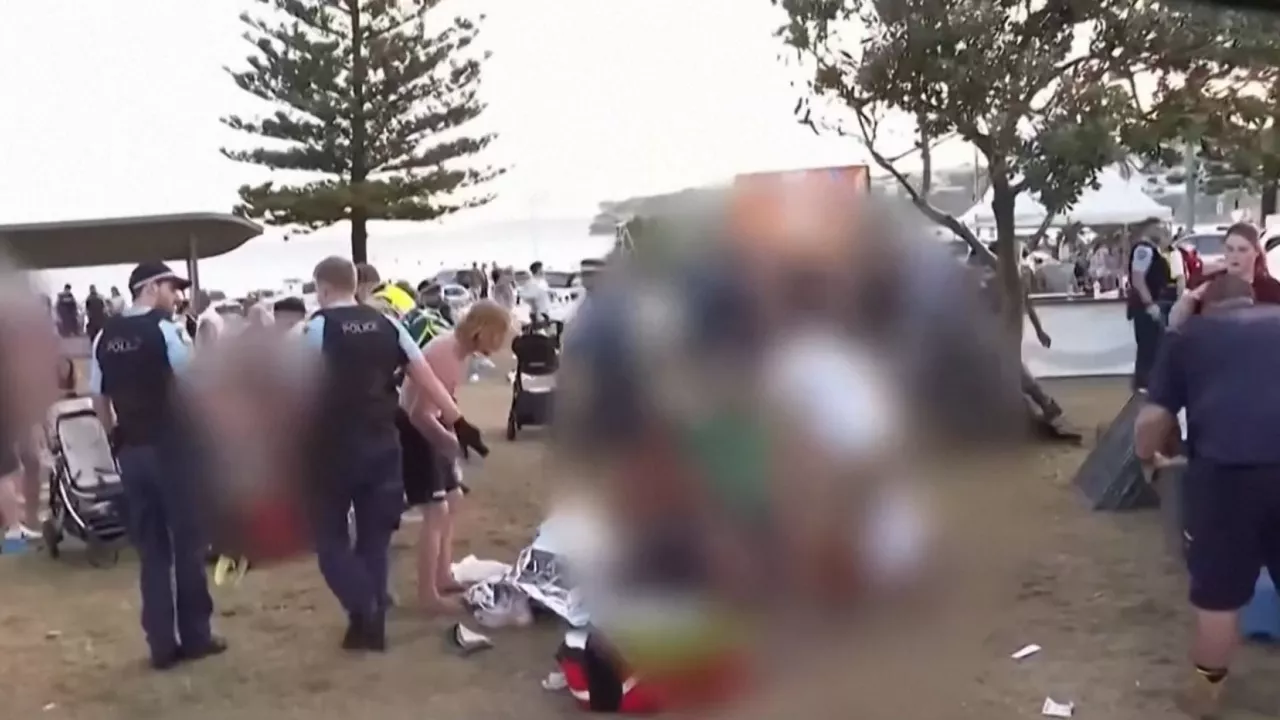
An attack at a Jewish party on an Australian beach has left at least 12 dead, including one of the attackers
In addition, 30 people have been injured in a shooting by at least two attackers. Police killed one of them and arrested the other. The attack took place on Bondi beach, during a Jewish celebration that has brought together nearly 2,000 people.
At least a dozen people have been killed in an attack at a Jewish party on an Australian beach
In addition, about a dozen other people have been injured in a shooting by at least two attackers, one of whom has been killed by the police and the other arrested. The attack took place on Bondi beach during a Jewish celebration.
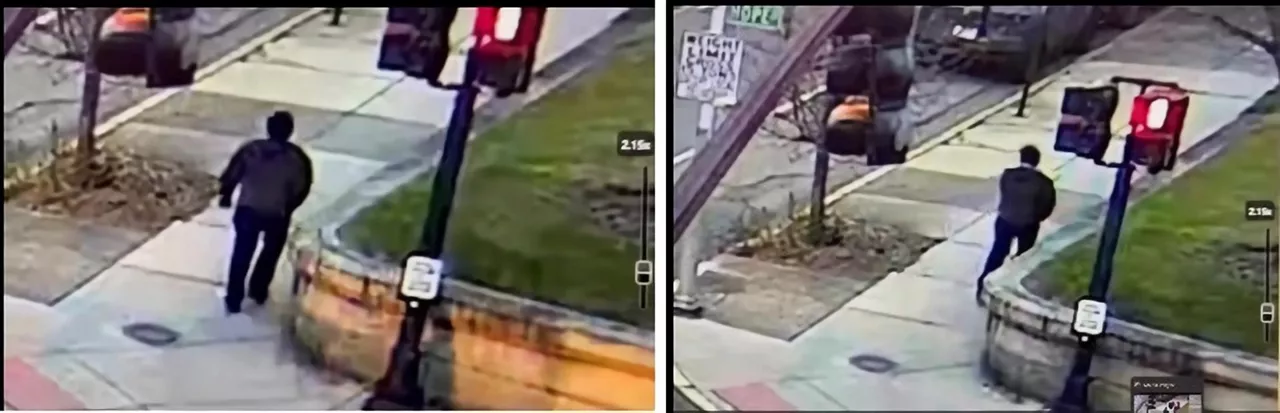
Two killed and nine wounded in a shooting at a university in Rhode Island
At least two people have been killed and nine others seriously injured in a shooting this Saturday at Brown University, Providence, in Rhode Island, according to the organization itself.
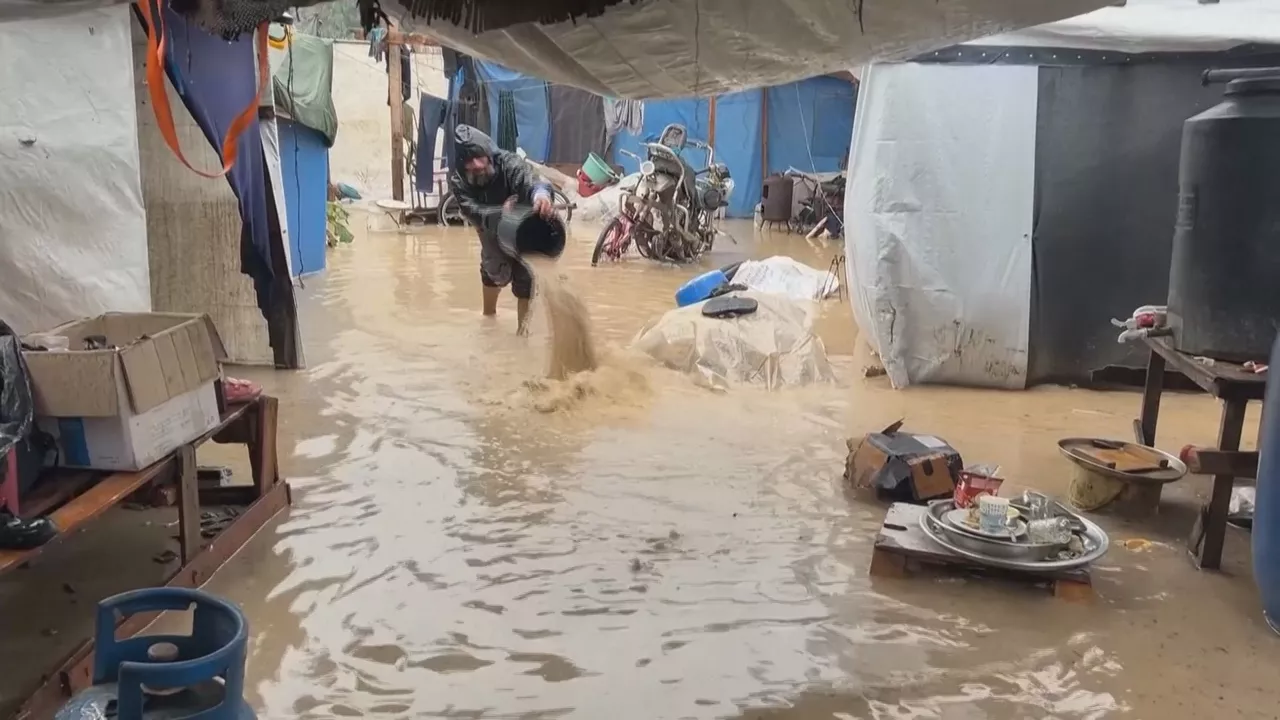
At least eight people have died in Gaza from flood hypothermia
According to the United Nations, some 800,000 people live in Palestine starving and cold, and torrential rains have affected many people, many of them sick and with serious health problems.
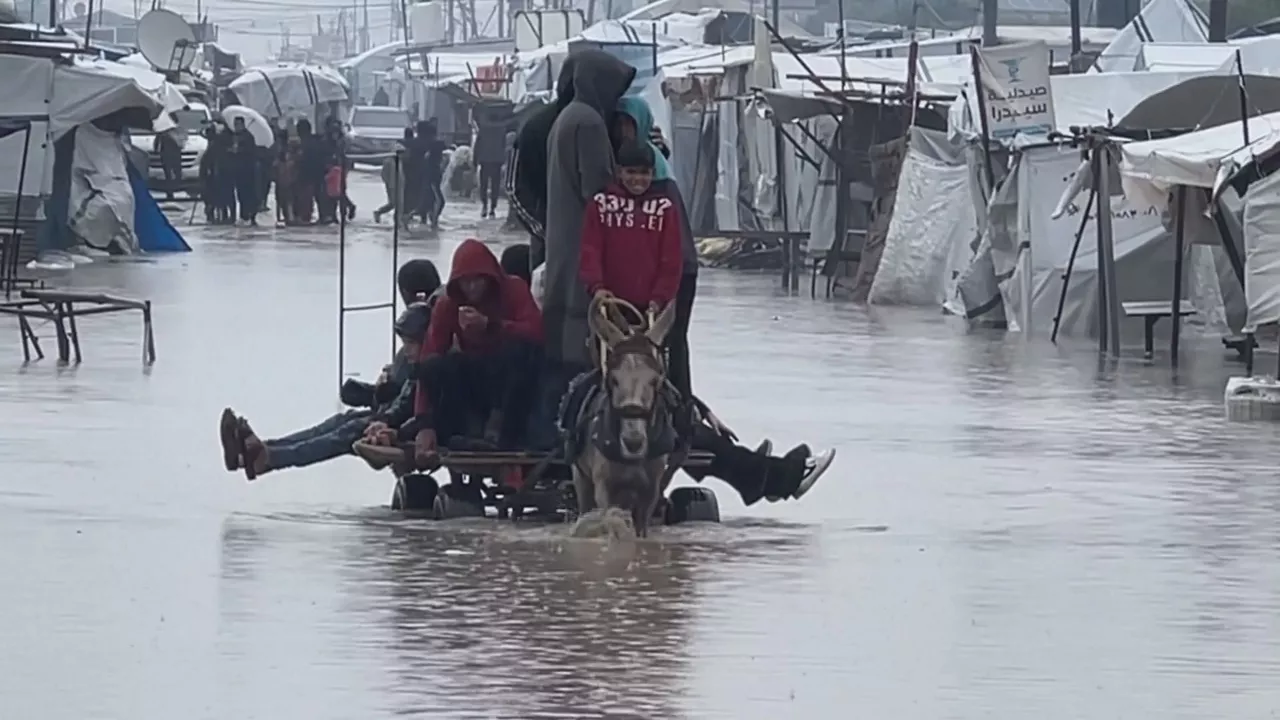
At least 11 people have died in the Gaza Strip from cold and heavy rains
As a result of the rains, many walls and homes have collapsed, catching several people under them. In addition, the water has flooded streets and tents. The United Nations Refugee Agency and the Gaza Government have warned of the risk of an increase in diseases and infections.
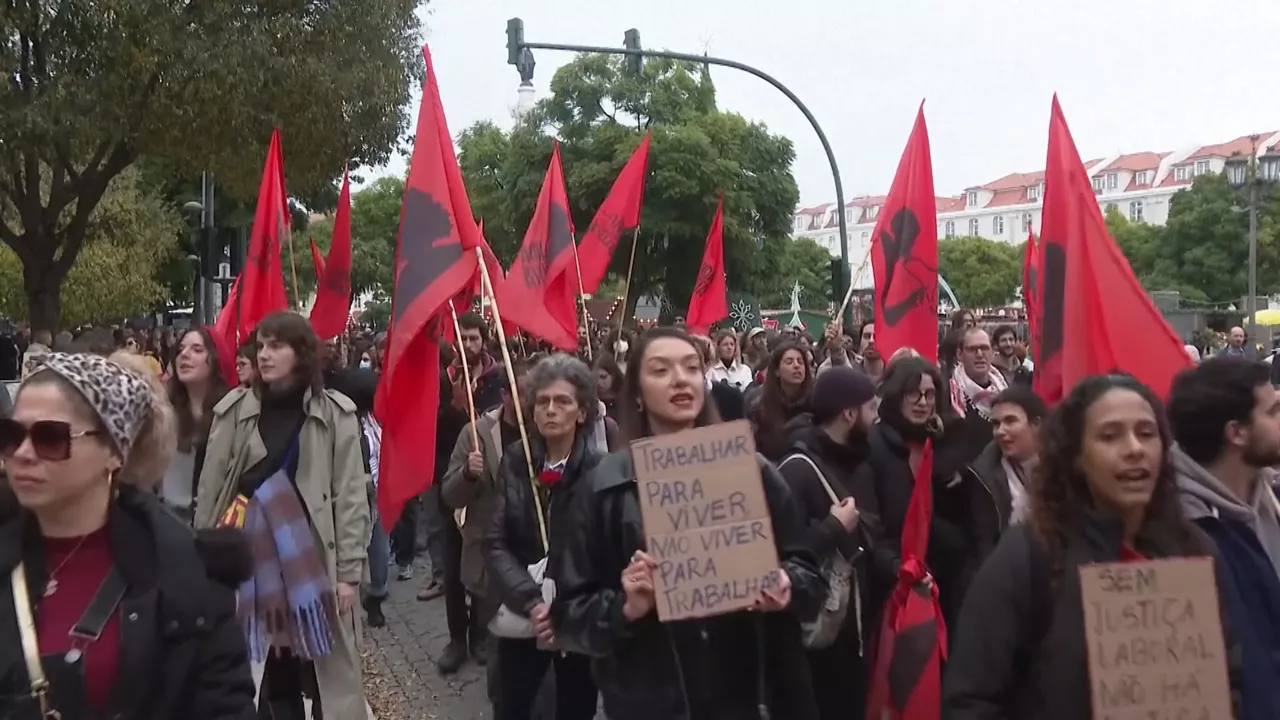
Thousands of people protest against labor reform in Portugal on the first general strike in 12 years
According to the unions, more than three million people joined the general strike - which employs 5.1 million people - and which they have described as "one of the most successful strikes ever carried out" in Portugal. Portuga employers say that the strike has failed and only 3% of the workers have stayed at home.
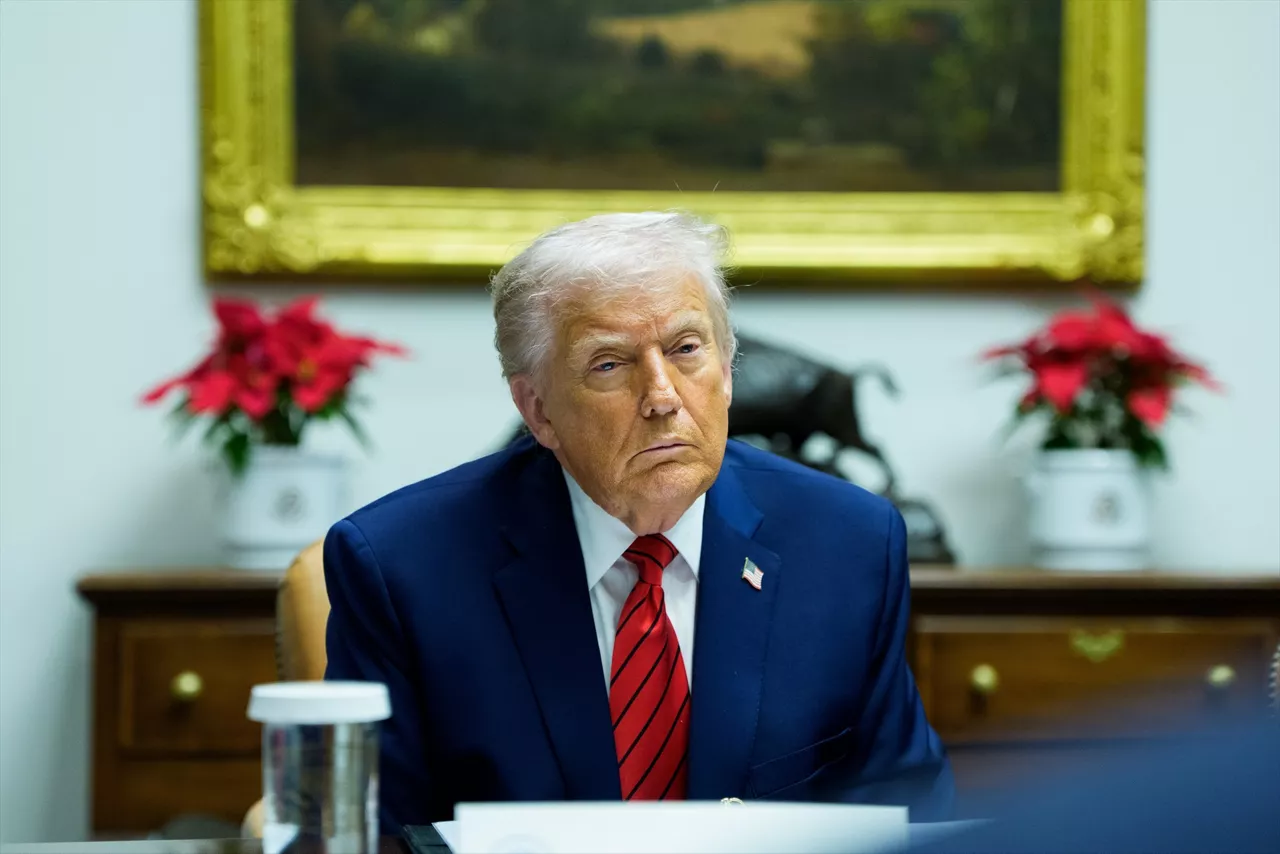
Trump signs an executive order to block laws that impose "excessive" limits on artificial intelligence
According to the text published in this regard, the Trump administration must cooperate with Congress to ensure a strong national standard and "avoid 50 different state rules that are not consistent."
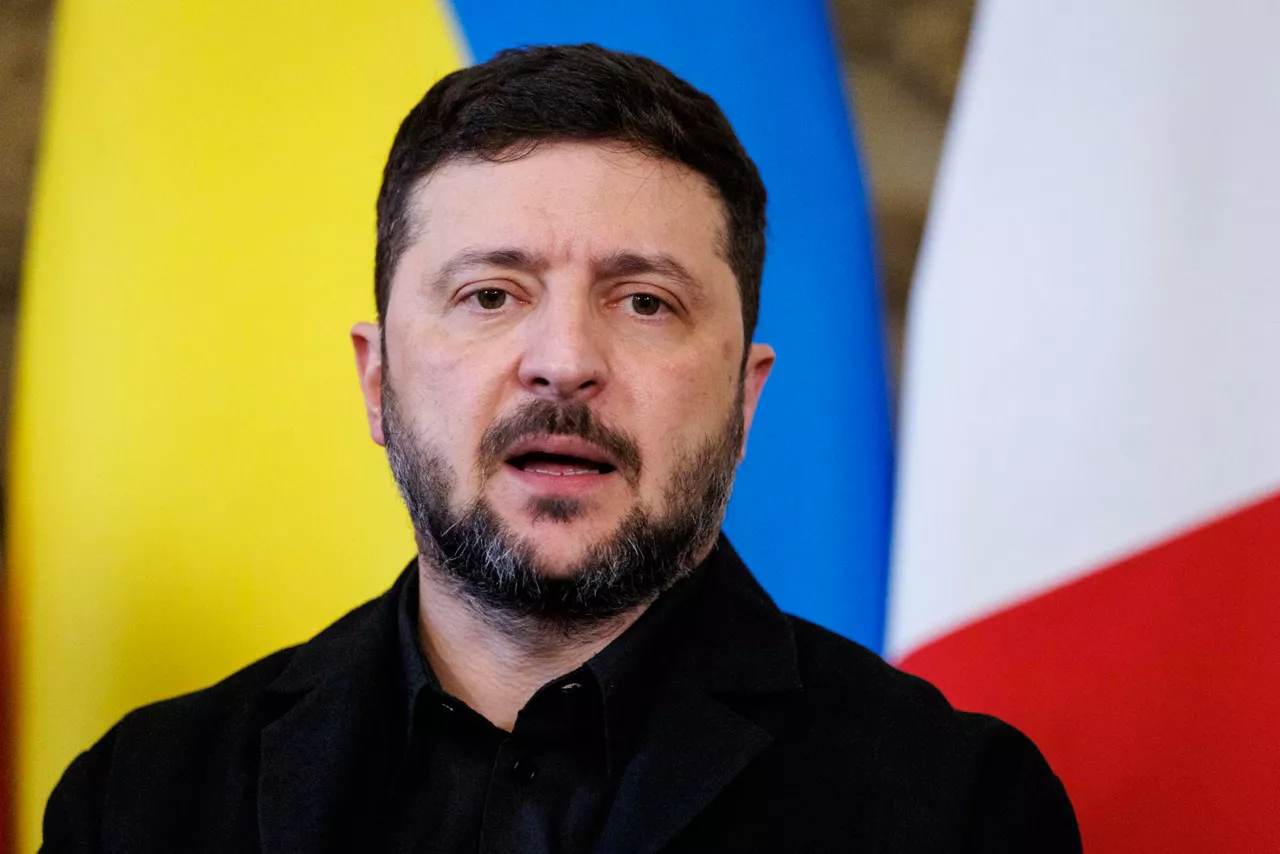
Zelenski proposes a new version of the peace plan and defends a referendum on Donbas' sovereignty
According to the President of Ukraine, the Armed Forces will have 800,000 troops.
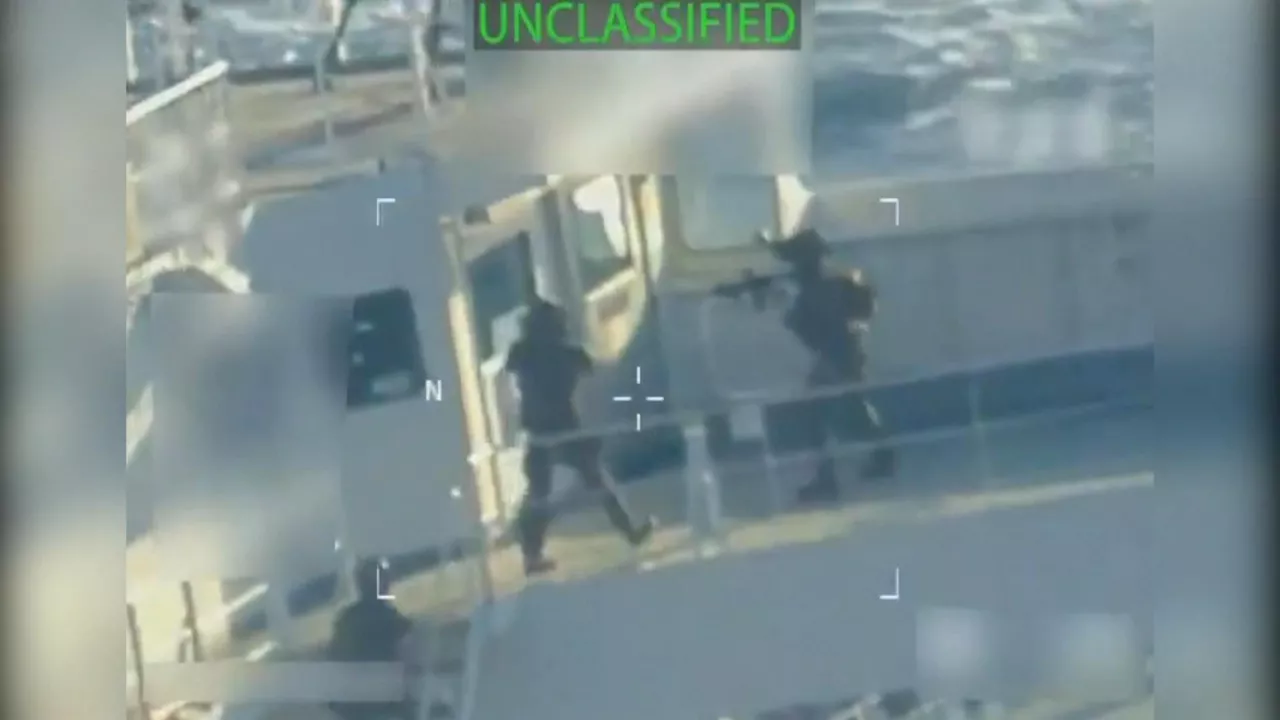
U.S. increases tension with the seizure of an oil tanker off the coast of Venezuela
The United States has seized and confiscated an oil tanker off the coast of Venezuela as part of Washington's naval military deployment in the Caribbean since August. Caracas has described it as a "blatant robbery" and has announced that it will report this "serious international crime" to foreign authorities.
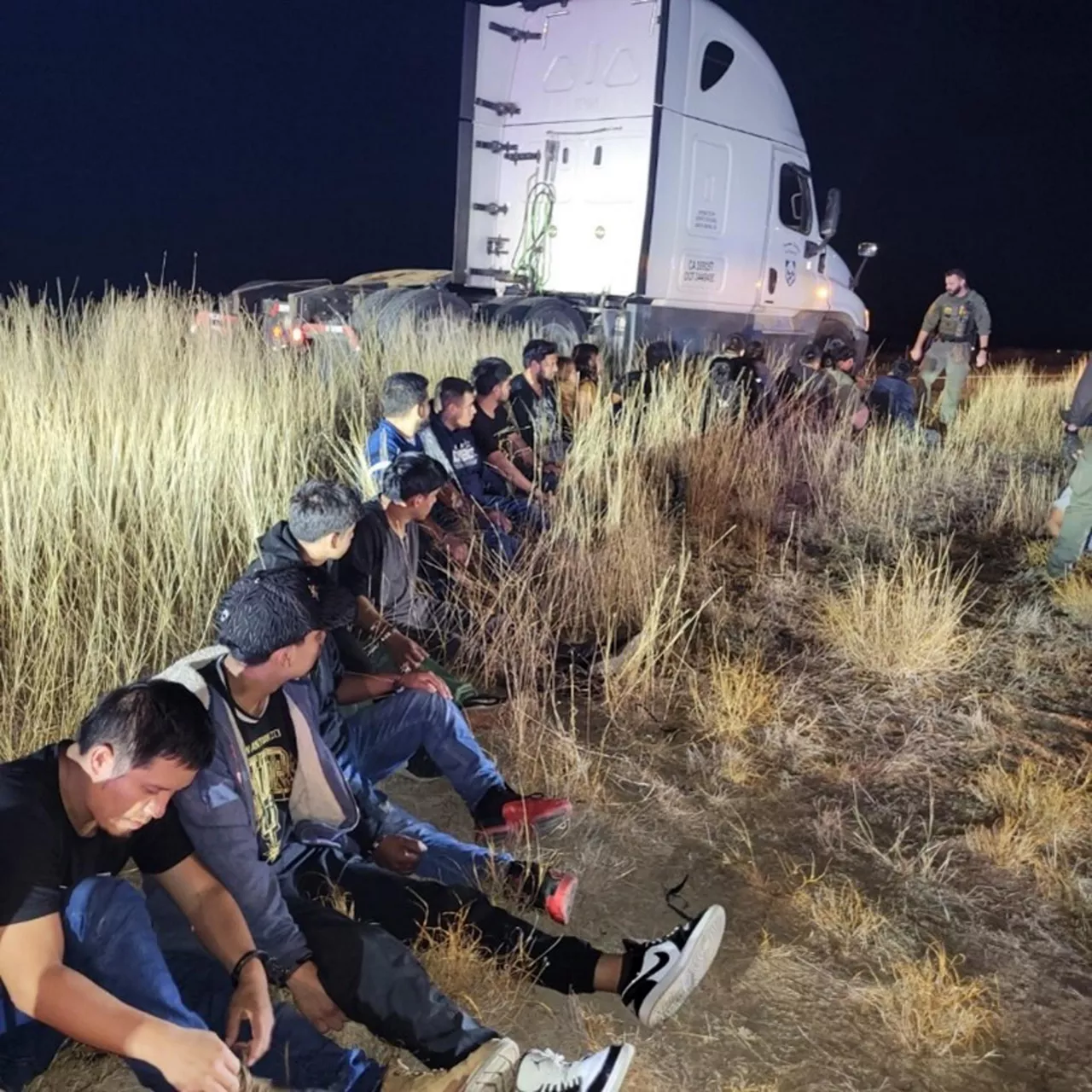
more than 2.5 million migrants have been deported or left the country voluntarily in the US over the course of 2025
The US authorities have described it as a "huge achievement," within the framework of Trump's tough migration policies, just days after he announced that there will be dozens of judges to "speed up deportations."