
Drawing with words the silhouette of the hole


Literature serves to identify and delimit the inner and outer holes, to draw the silhouette around them, and, as we know and assimilate them, to jump into them, or to try to fill them; it serves to move and move them.
In fact, two books that have been presented successively on this third day of the Durango Fair in the Ahotsenea Literature space, Silueta , by Harkaitz Cano, and Dena zulo bera zen , by Eider Rodriguez (both published by the Susa House), have a gap as a source and, by the way, almost a single link between them.
The silhouette is embodied in 31 invented literary reviews of a book that has never been written before, namely a hole, and the collection of six stories by Eider Rodriguez, intimate but shared holes that force us to cover up the simulated normality that we call life today and here.
As he explained in today's presentation, answering the writer Beñat Sarasola's questions, Cano came up with the idea 15 years ago: he was going to get criticism of a book that didn't exist and never existed, in a book (there was a precedent, Stanislaw Lemen's Perfect Void (again in the void) for the word), but he needed a thematic support that would help maintain the level of genius idea.

On these supports, therefore, Cano has written the 31 criticisms of a novel that he never sketched out, as much as Lauaxeta's Bide barrijareceived, to compose a "novel trap" that he has written with pleasure ("I've had a good time writing," he explained) and to disseminate in it "a catalogue of ideas about literature."
It was all the same hole.
If there is a subordinate format in this catalogue of literature, it is that of stories (including theatre and poetry, in the shadow of the omnipotent novel), but Eider Rodriguez has proclaimed himself a storyteller in today's presentation.
"I claim storytelling with a small desire for resistance. It's a genre that's out of the magnifying glass in literary instances, but it allows me to talk about more things than novels, for example," explains the Errenterian writer to journalist and writer Iñigo Astiz.

Thesix tales that were all the same hole are precise but moving artifacts to talk about "what is happening here and now," and show "things that are not shown, truths, worries, contradictions," consistent with a certain way of being in literature and the world.
"In the holes, in the holes, in the scars, what we are is what we are," said Rodriguez, adding, "We go on and ignore it every day, as if we don't see the cracks. But literature is a counterweight to these inertia."
Literature draws us the silhouette of the hole; it is our job to look inside, regardless of whether we complete it, if only to see how dark it is.
You might like
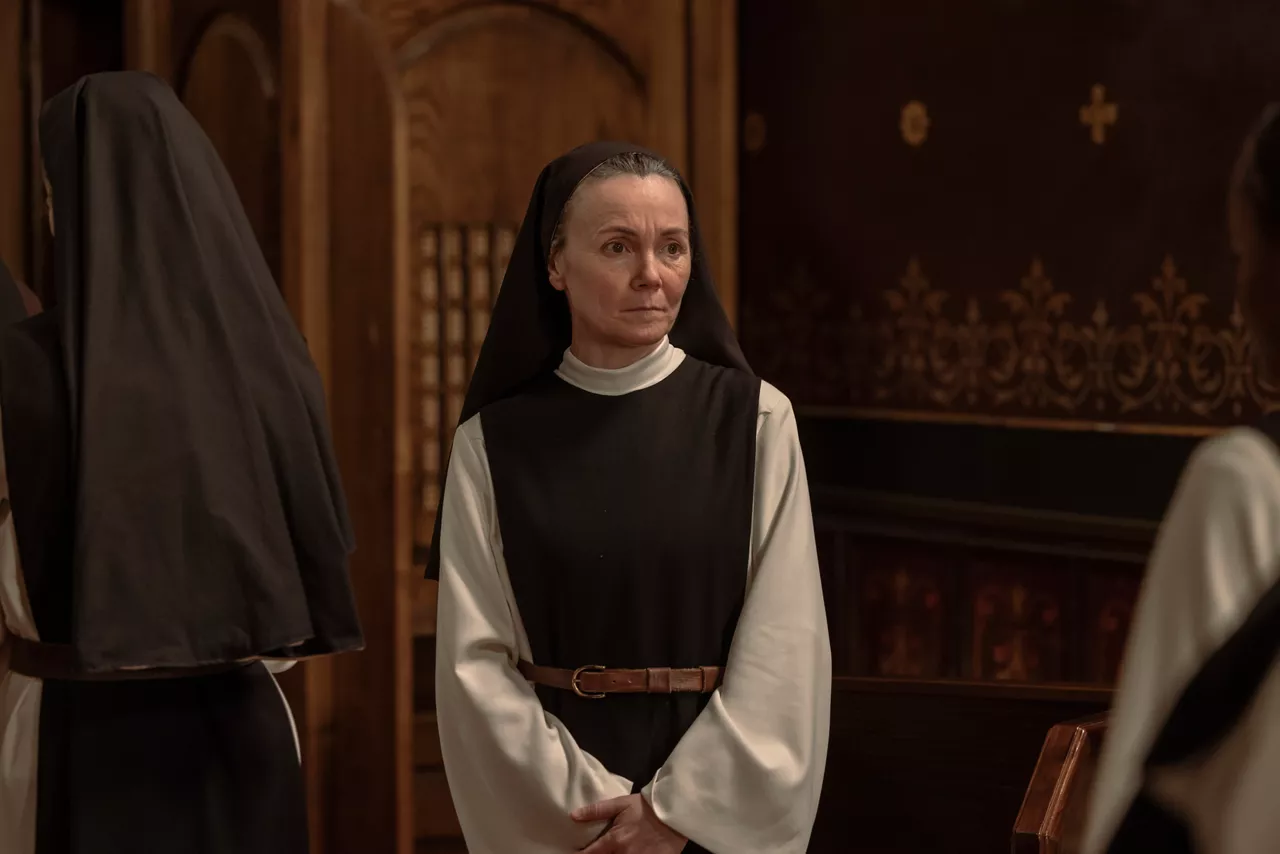
Nagore Aranburu, the first Basque Goya of the night
A nun's skin in "The Domingos."
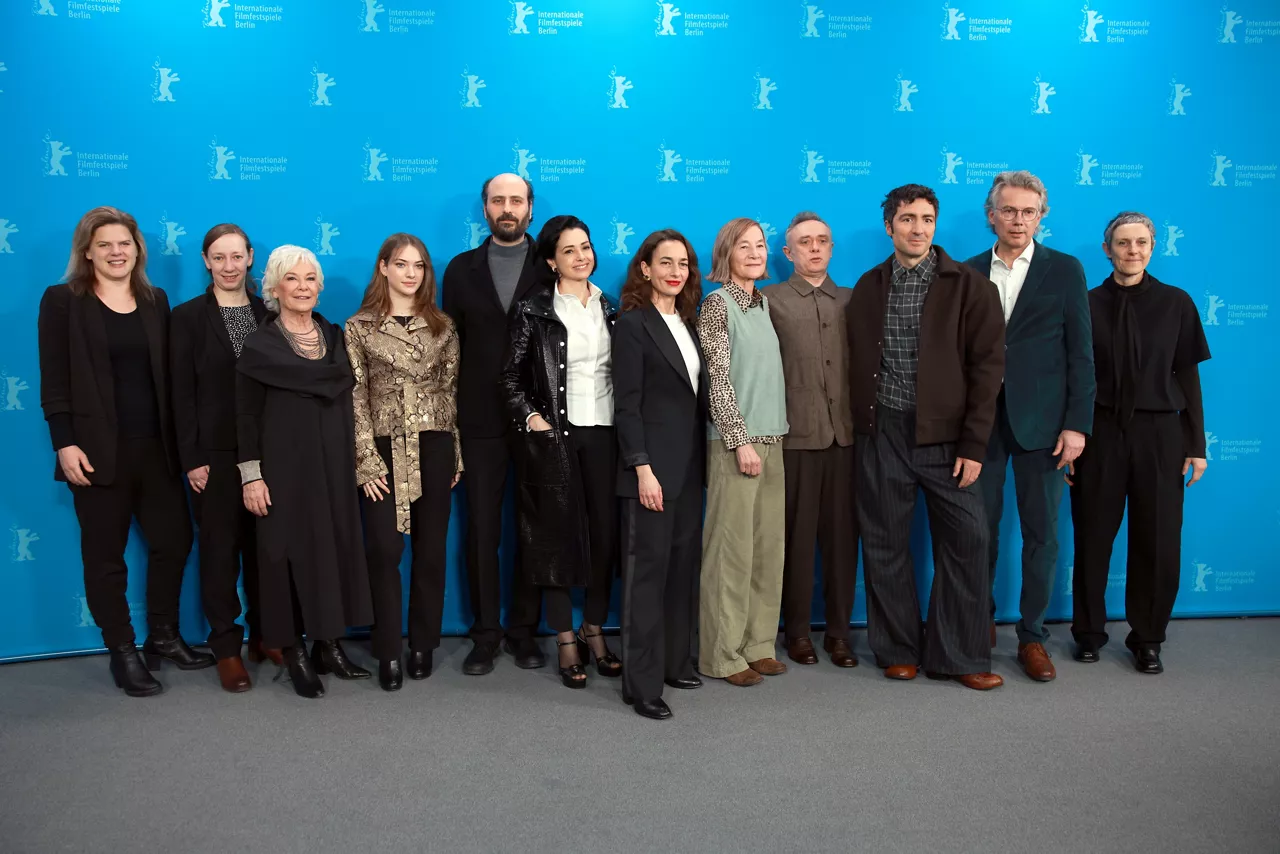
"Yellow Letters" has won the Golden Bear for the best Berlinale film
The film by the Turkish-German filmmaker Ique lker Çata is about the censorship of the Turkish authorities against a couple of artists.
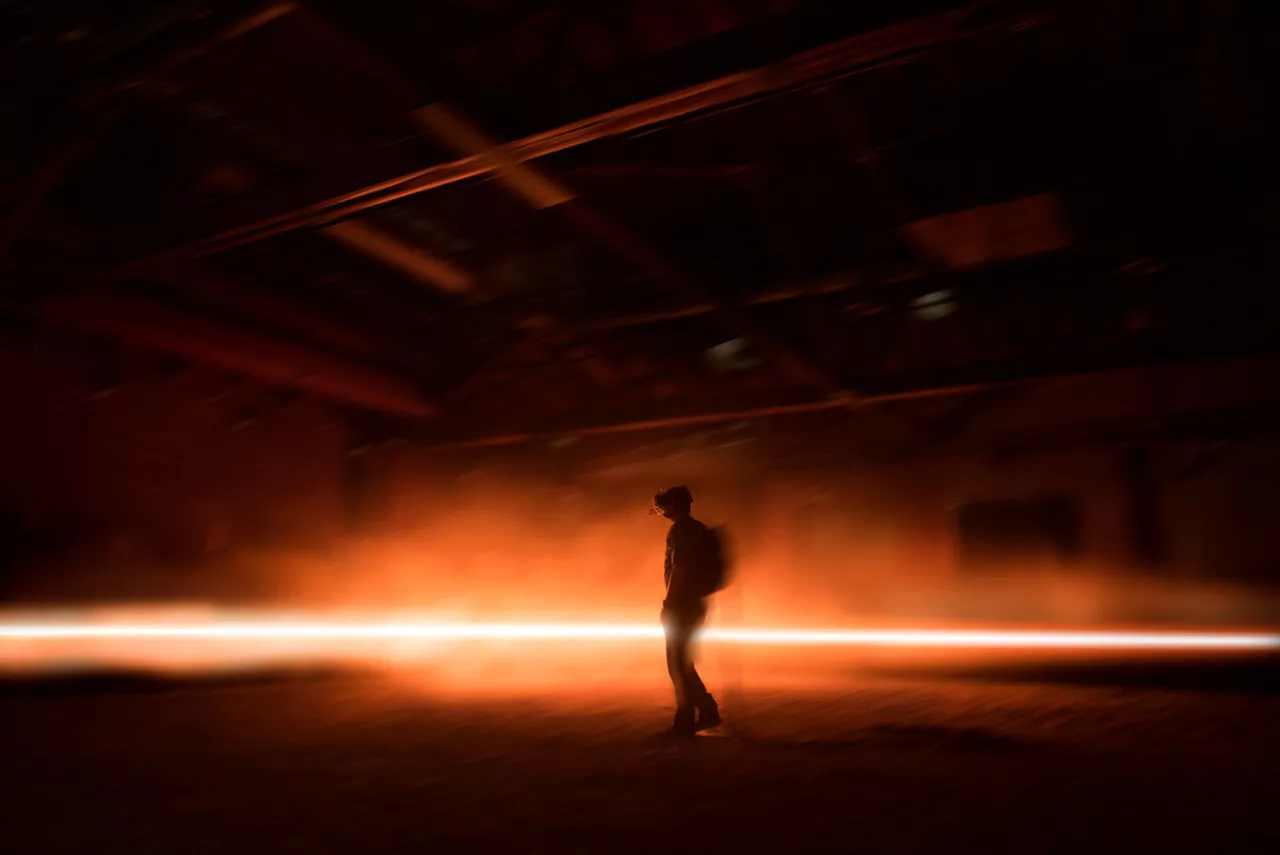
"Carne y arena" installation by Alejandro González Iñárritu, which can be visited at EITB headquarters in Bilbao
The "immersion experience" that places the visitor in the middle of a part of the journey of migrants and refugees will be installed from 11 March to 20 June on the 5th set of the EITB headquarters. Tickets will be on sale from 17 February for 11.21 euros.
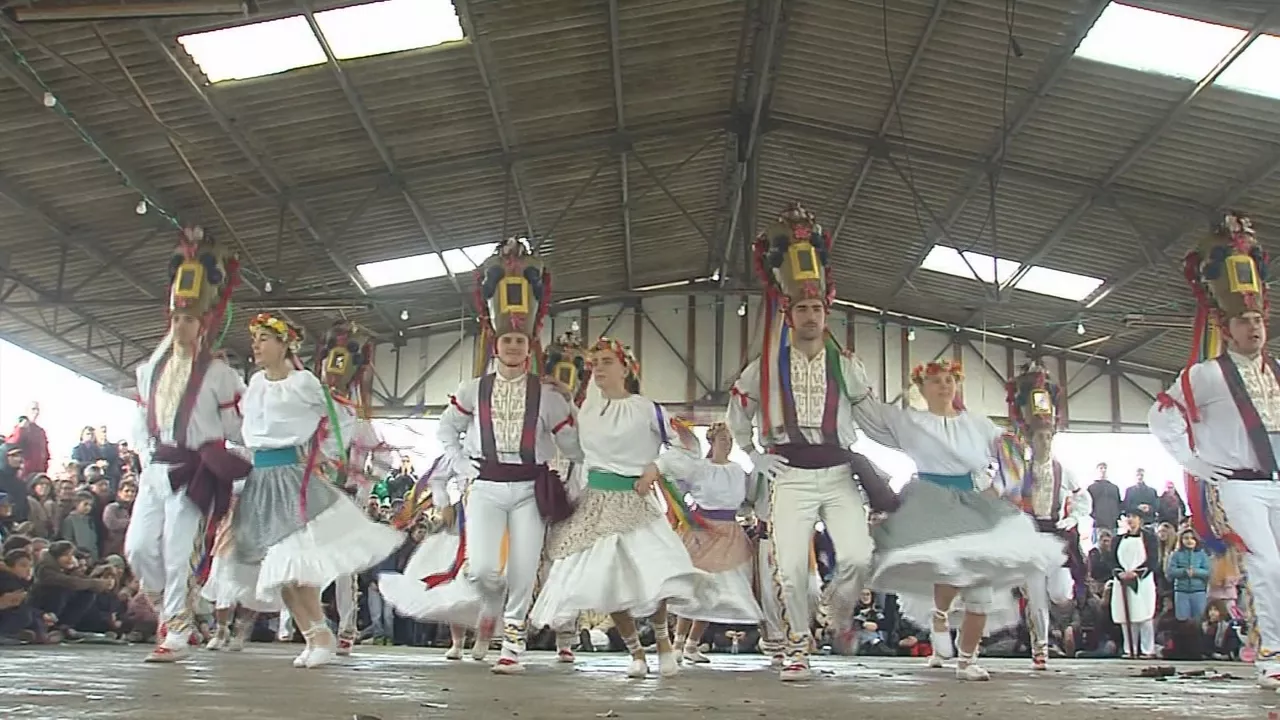
With Amikuze's amusement, Lower Navarre is immersed in a carnival atmosphere
The Libertimendus have taken the square of Donapaule with music, dance, verse and plays. a 14 March will be able to enjoy many other performances with local creations.
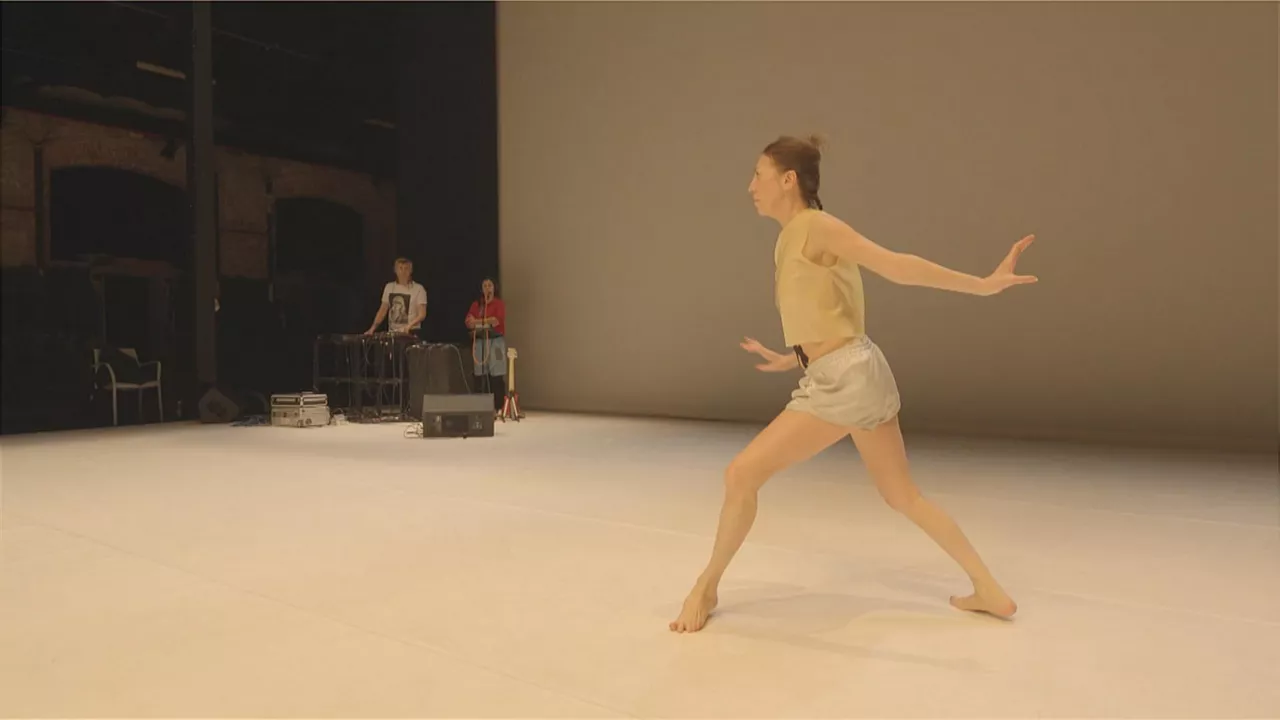
Jone San Martin has created "sORDA" about deafness
The Donostiarra dancer offers in his new show a dialogue between contemporary dance and sound and silence.
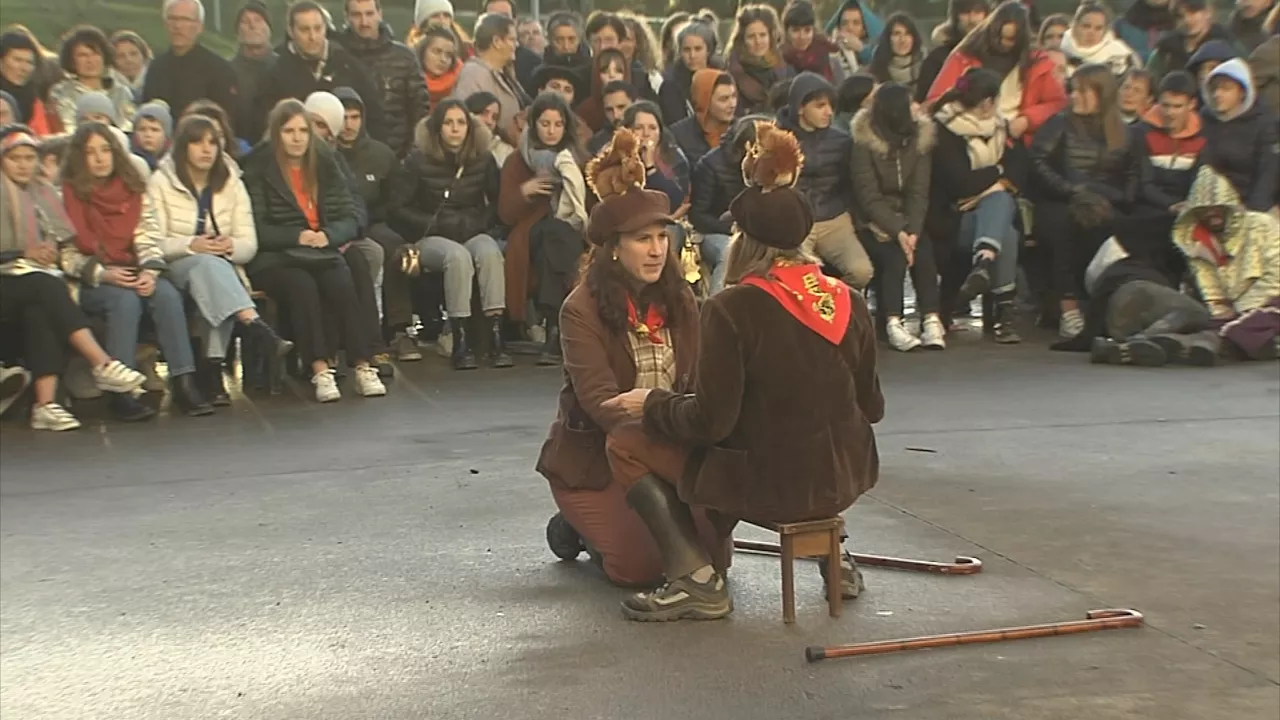
This year's masquerade begins on Sunday in Irurin and Ozaz
From the 18th of January to the 26th of April, fifteen sessions will be held by the young men of Zalgize, Mendikota, Ozaze, and Iruri.
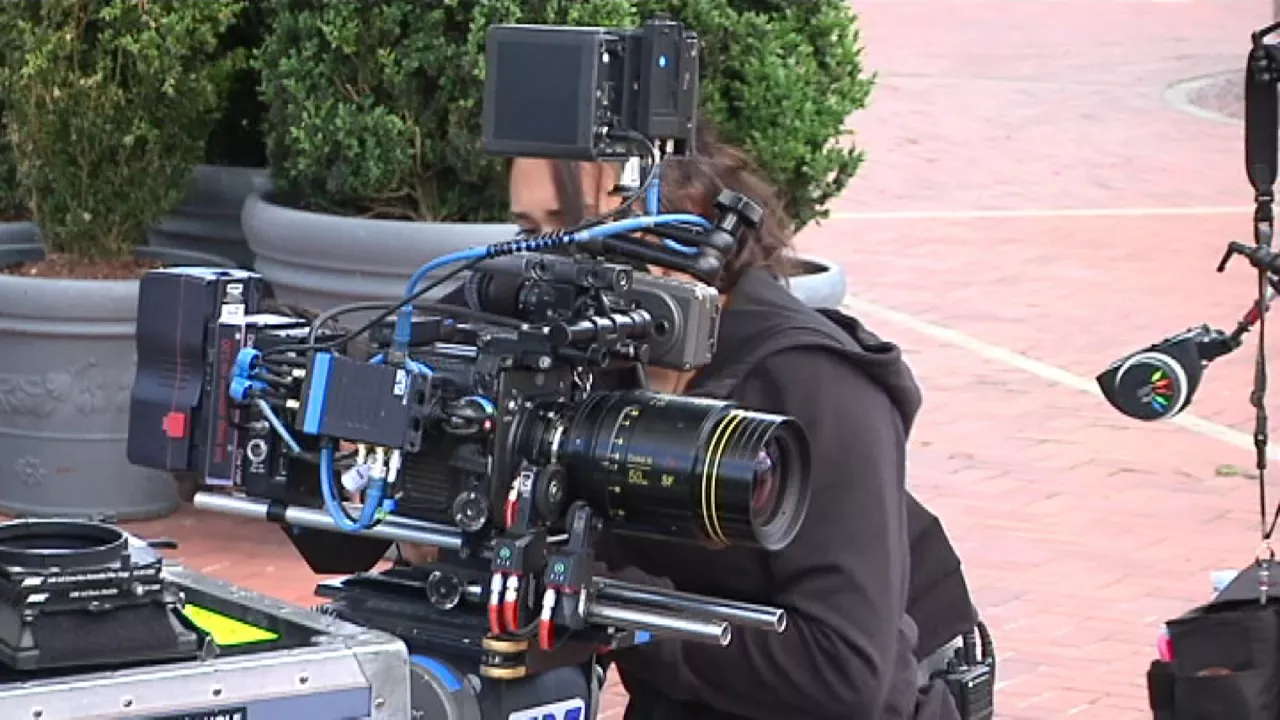
Male violence is "normalized" in the Basque audiovisual and performing arts sectors
(H) A study promoted by the Emen Association and the Union of Basque Actors (EAB) shows that in the audiovisual and performing arts sectors "male violence is not the result of isolated cases, but of a systemic reality related to the structure of the sector".
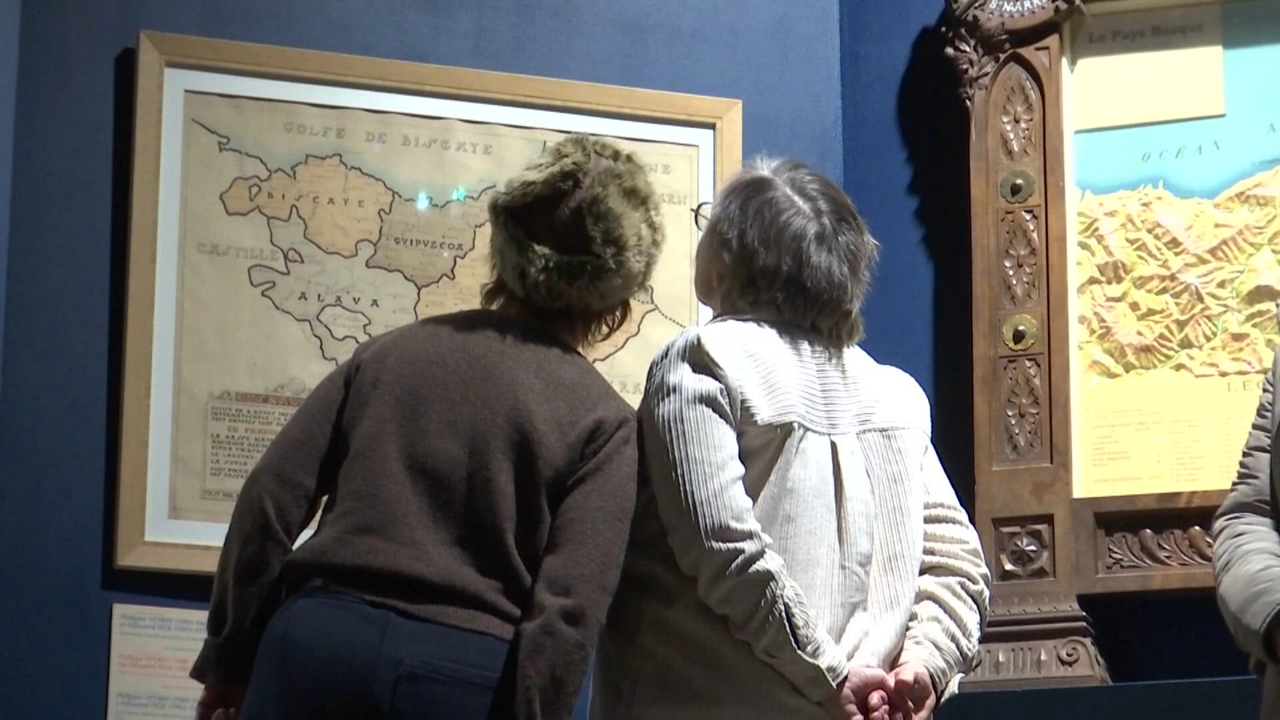
The first book printed in Basque "Linguae Vasconum Primitiae" has its last day in the Basque Country
Bernart Etxepare wrote the first book published in Basque in 1545 in Bordeaux. The National Library of France has only one copy of it and has been exhibited in the last three months at the Basque Museum in Bayonne. Although various institutions and elected representatives have requested its stay, it will return to the library in Paris to keep it in the dark for three years.

Errobi gave his last concert at the Victoria Eugenia Theatre in San Sebastian
The historic Labour group, led by Anje Duhalde and Mixel Ducau, has offered its last direct at the Victoria Eugenia Theatre in San Sebastian. The Er○ group became the pioneer of progressive Basque rock in the 1970s. Last year they started a farewell tour to celebrate the 50th anniversary of Er○ bi, which has been a success in many villages of Euskal Herria.

These have been the main cultural news of the year
The year 2025 has opened unprecedented paths in the Basque music industry. We will inevitably remember this coming year as the year of sold out and great concerts.