
This year's masquerade begins on Sunday in Irurin and Ozaz
From the 18th of January to the 26th of April, fifteen sessions will be held by the young men of Zalgize, Mendikota, Ozaze, and Iruri.


With the new year the masquerade will return, from Sunday, January 18, to the streets of the villages of Zuberoa. This year the young people of Zalgize, Mendikota, Ozaze and Iruri have organized these winter carnivals.
Thus the first and last of the fifteen performances will be in these towns, as is customary: the first on the 18th of January in Iruri (barricades) and Ozaz (trades and games), and the last on the 26th of April in Zalguiz (morning session) and Mendikota (evening session).
In the meantime, the masks will travel the following route: Ainharbe (25 January), Lexantztus (1 February), Muskildi (8 February), Pagola (14 February), Altzürük (22 February), Altzai and Lakarri (1 March), Maule (7 March), Idauze (13 March), Larraine (21 March), Aloze (28 March), Hoki (5 April), Gamki (12 April).
The masquerade combines dance and preaching, and consists of two groups: the red, the gathuzain, and the skillful ballerina, and the black, the wild, and the violent. It consists of three parts: the breaking of barricades in the morning, and the trades and games in the evening.
Last year the young men of Lakarri and Altzai pushed the masquerade, taking the witness of the Pagolans and the Mauls.
You might like
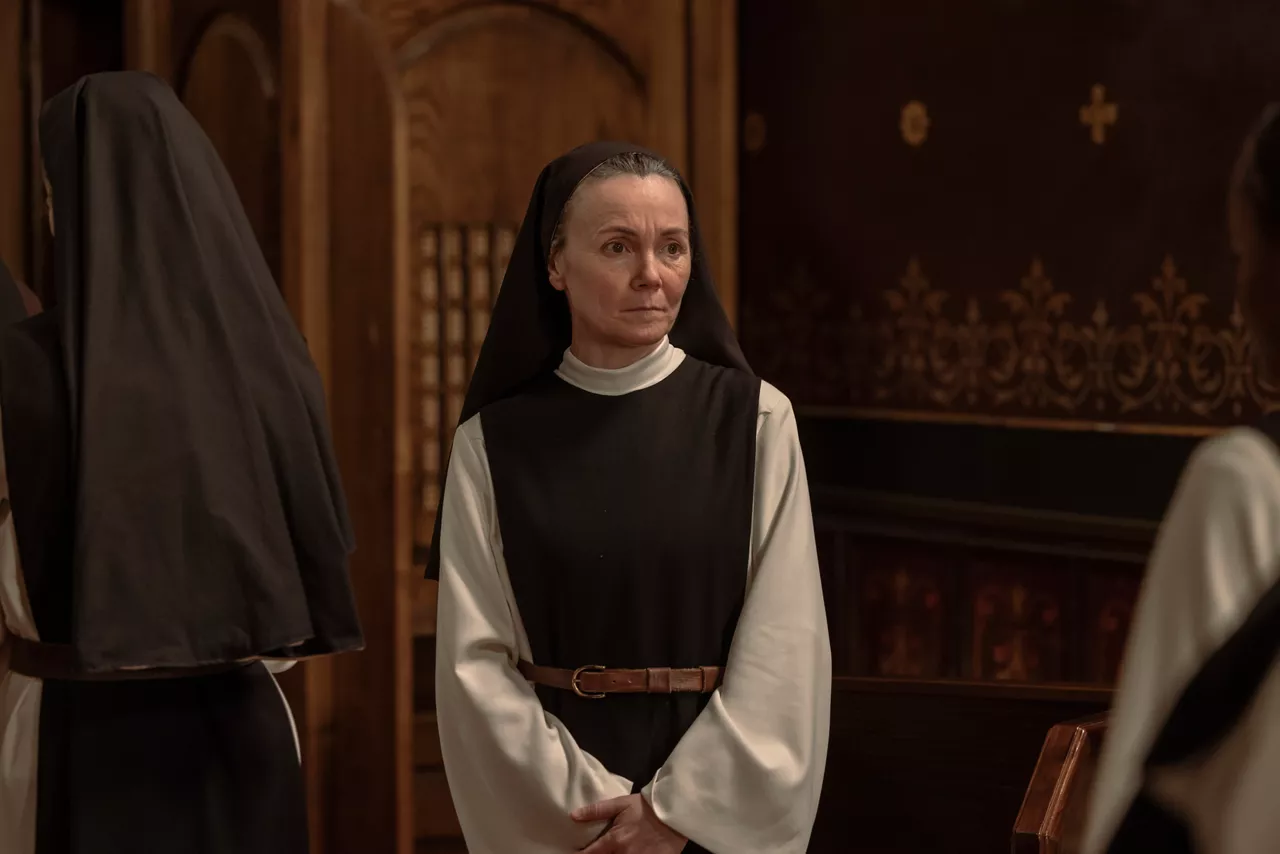
Nagore Aranburu, the first Basque Goya of the night
A nun's skin in "The Domingos."
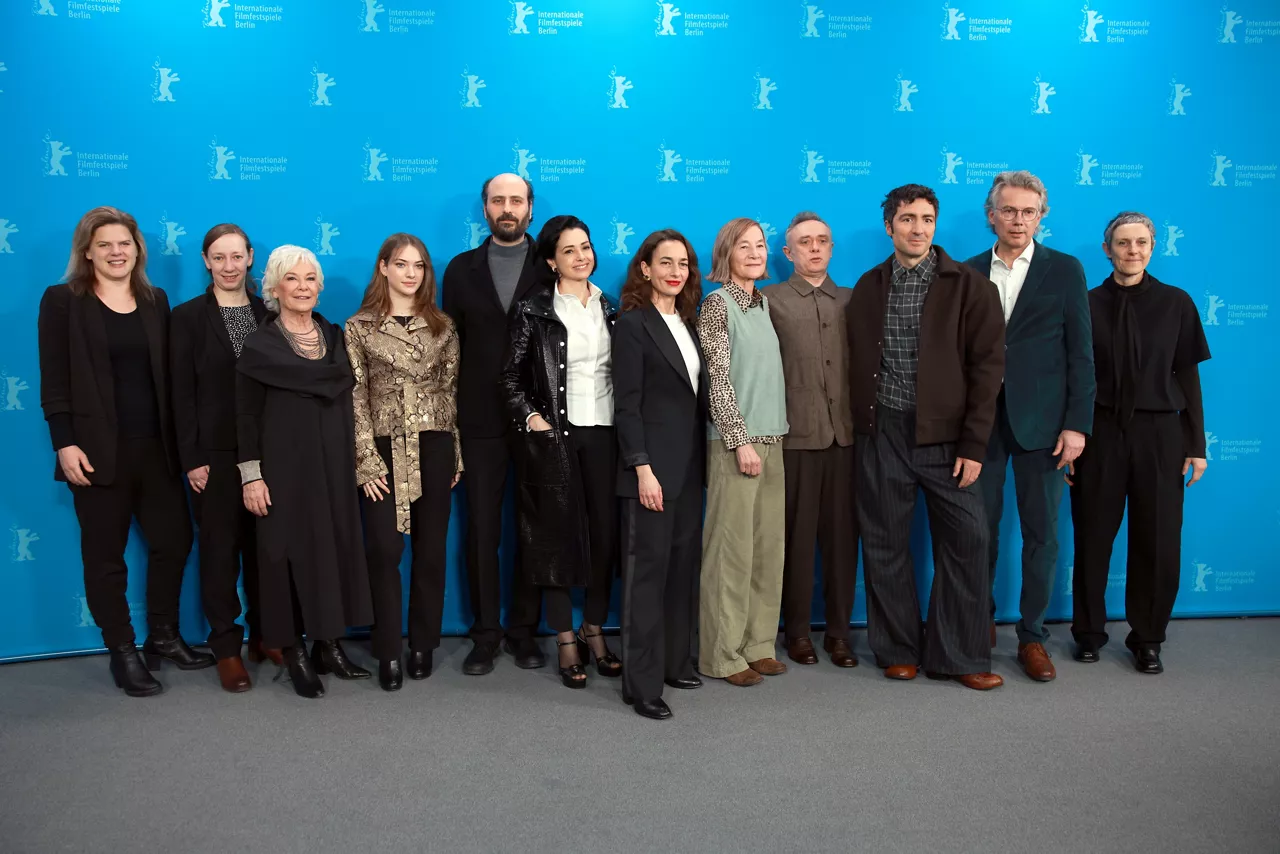
"Yellow Letters" has won the Golden Bear for the best Berlinale film
The film by the Turkish-German filmmaker Ique lker Çata is about the censorship of the Turkish authorities against a couple of artists.
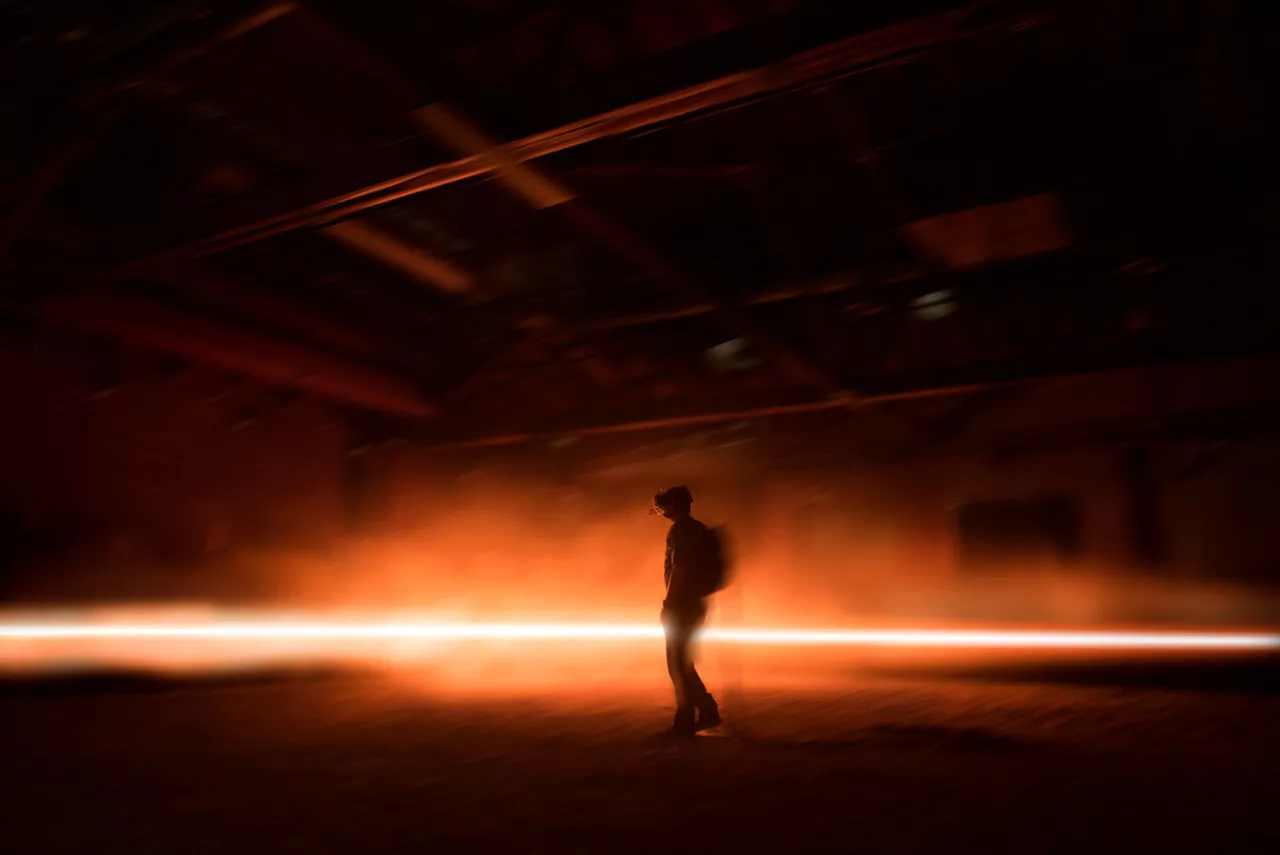
"Carne y arena" installation by Alejandro González Iñárritu, which can be visited at EITB headquarters in Bilbao
The "immersion experience" that places the visitor in the middle of a part of the journey of migrants and refugees will be installed from 11 March to 20 June on the 5th set of the EITB headquarters. Tickets will be on sale from 17 February for 11.21 euros.
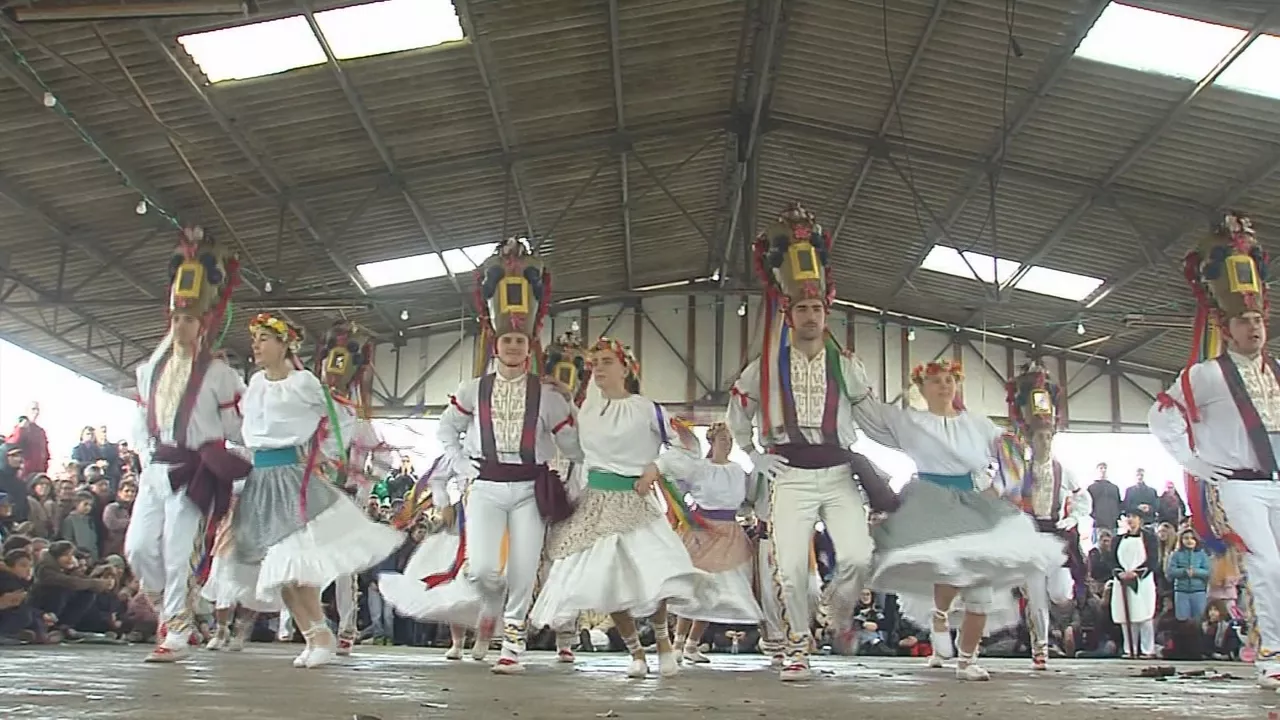
With Amikuze's amusement, Lower Navarre is immersed in a carnival atmosphere
The Libertimendus have taken the square of Donapaule with music, dance, verse and plays. a 14 March will be able to enjoy many other performances with local creations.
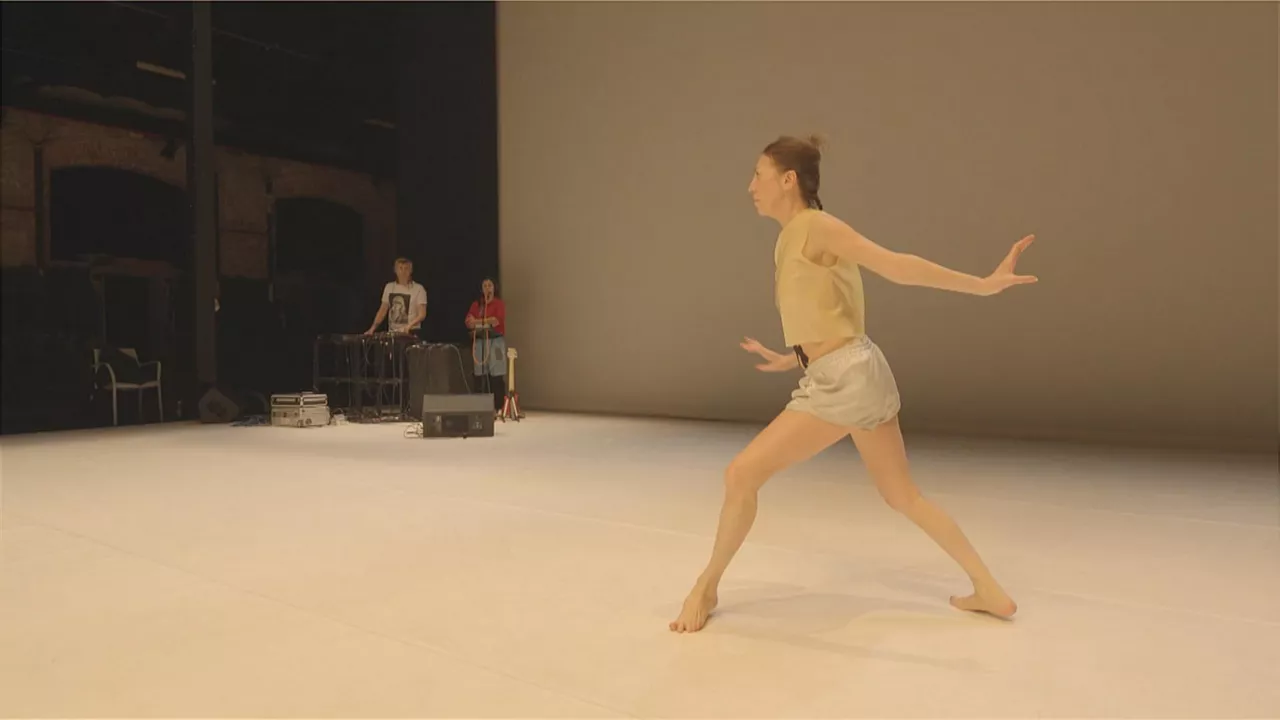
Jone San Martin has created "sORDA" about deafness
The Donostiarra dancer offers in his new show a dialogue between contemporary dance and sound and silence.

Male violence is "normalized" in the Basque audiovisual and performing arts sectors
(H) A study promoted by the Emen Association and the Union of Basque Actors (EAB) shows that in the audiovisual and performing arts sectors "male violence is not the result of isolated cases, but of a systemic reality related to the structure of the sector".
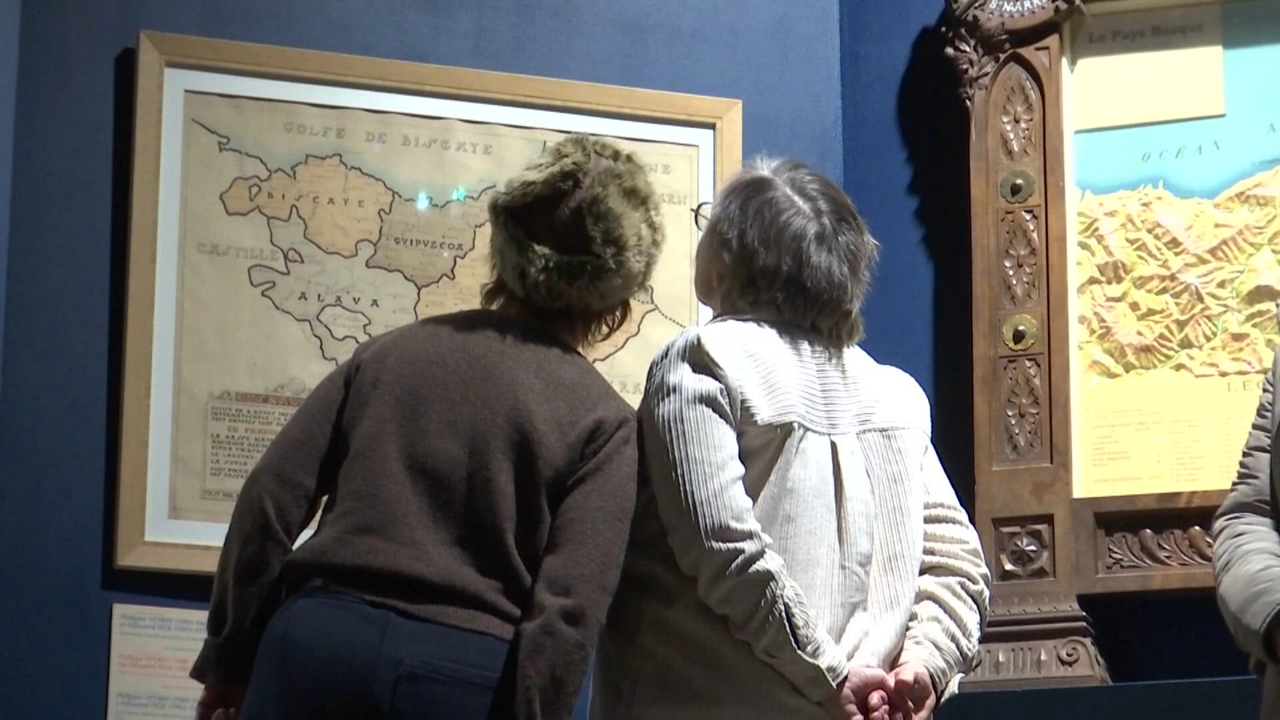
The first book printed in Basque "Linguae Vasconum Primitiae" has its last day in the Basque Country
Bernart Etxepare wrote the first book published in Basque in 1545 in Bordeaux. The National Library of France has only one copy of it and has been exhibited in the last three months at the Basque Museum in Bayonne. Although various institutions and elected representatives have requested its stay, it will return to the library in Paris to keep it in the dark for three years.
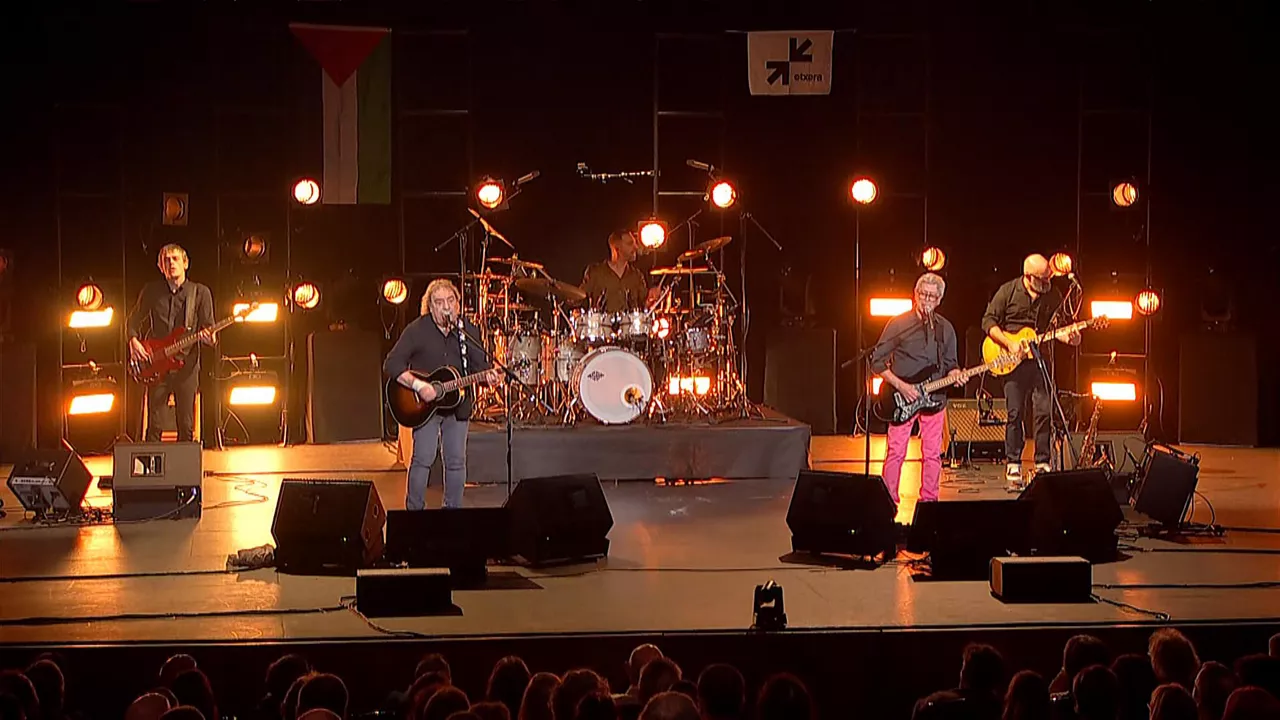
Errobi gave his last concert at the Victoria Eugenia Theatre in San Sebastian
The historic Labour group, led by Anje Duhalde and Mixel Ducau, has offered its last direct at the Victoria Eugenia Theatre in San Sebastian. The Er○ group became the pioneer of progressive Basque rock in the 1970s. Last year they started a farewell tour to celebrate the 50th anniversary of Er○ bi, which has been a success in many villages of Euskal Herria.

These have been the main cultural news of the year
The year 2025 has opened unprecedented paths in the Basque music industry. We will inevitably remember this coming year as the year of sold out and great concerts.