
Eneko Goia leaves the Mayor of San Sebastian
The current mayor of Donostia-San Sebastián, Eneko Goia (PNV), will resign after more than a decade as President of the City Council.


The current mayor of San Sebastian, Eneko Goia, will leave the mayor's office after ten years at the head of the City of San Sebastian.
His replacement is probably Jon Insausti, who is currently Deputy Mayor and Councillor for Culture, Sports and Tourism, but Goia himself will explain his decision at the press conference scheduled for 11 a.m. on Thursday.
Eneko Goia Laso (San Sebastián, 1971) came to the Mayor's Office in 2015 after the PNV won 29.65% of the vote and signed a government pact with the PSE-EE, which allowed the jeltzale party to regain the City Council after almost three decades. Since then, he has held three consecutive terms, confirming his position in the municipal elections of 2019 and 2023, in both cases by the PSE-EE.
Graduated in Law from UPV/EHU and a Diploma in Community Law from the University of Deusto, Goia began her professional career at the Basque Country's Higher Institute of Marketing before practicing politics. She first ran for mayor in 2011 and then won six councillors.
You might like
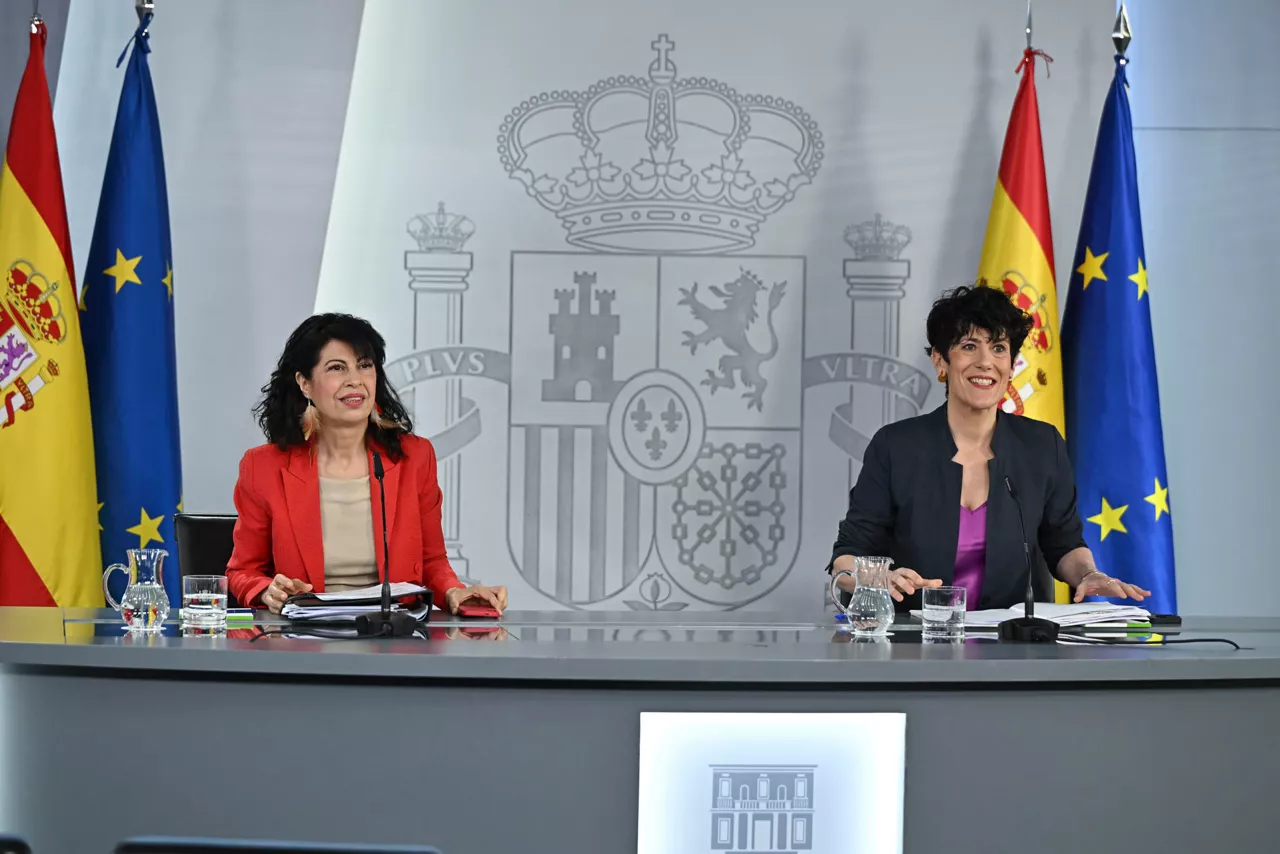
The Council of Ministers approves the protection of abortion in the Constitution against "retrograde dynamics"
Constitutional reform requires a three-fifths majority in Congress and the Senate, so that members of the government must try to reach agreement with opposition parties.
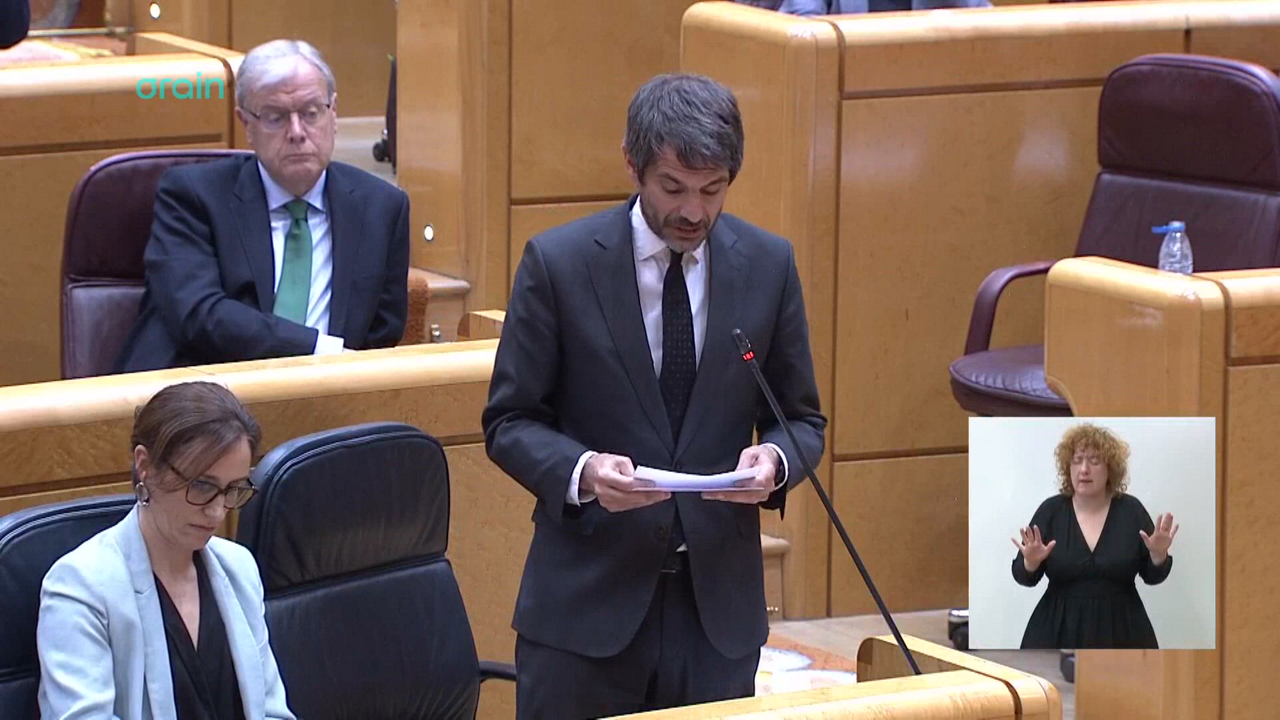
Urtasun: "You always have to listen to tequinos and they don't recommend moving at all."
The Minister of Culture values and respects the request of the Basque Government for the temporary transfer of the 'Gernika' on the occasion of the 90th anniversary of the bombing, but rejects the possibility. Iñigo Lopez, senator of the PNV, reminds him that the technical report was made two days after the request and that it related the viability of the Madrid museum to the painting.
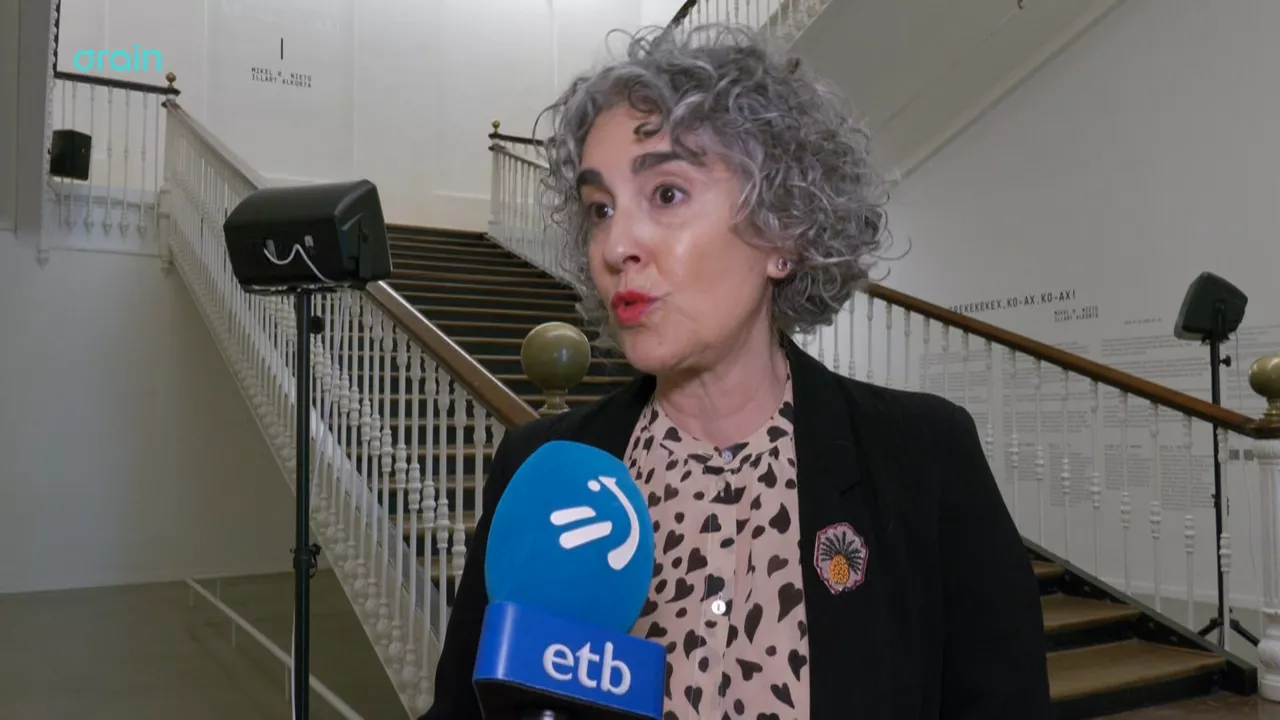
The Basque Government has not yet received a reply on the request for the transfer of Gernika
The Vice-President of the Basque Government and Minister of Culture, Ibone Bengoetxea, has stated that the Basque Government is only asking for the appropriate conditions to be known in order to bring Picasso's work to the Basque Country with full guarantees, while the PNV will take the debate to the Senate this Tuesday to ask the Minister of Culture for explanations.
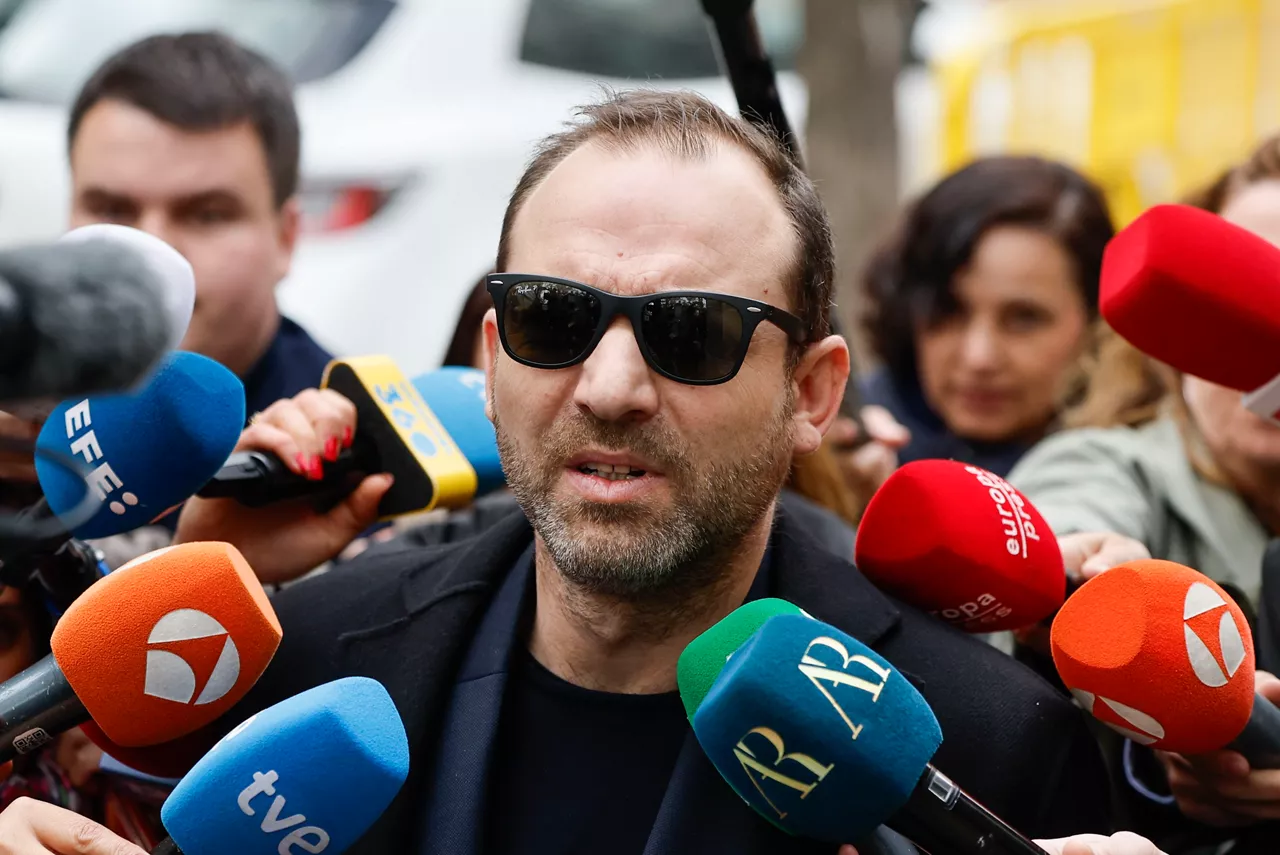
Ábalos' son has denied having managed his father's funds: "I don't talk to anyone or my father."
On Tuesday, the trial of the former Minister of Transport, his adviser Koldo García and Victor de Aldama, accused of profit from public competitions for the purchase of kisses during the pandemic, began. The prosecution is demanding sentences of up to 24 years' imprisonment. The trial will last for two weeks and more than 80 witnesses are called to testify.
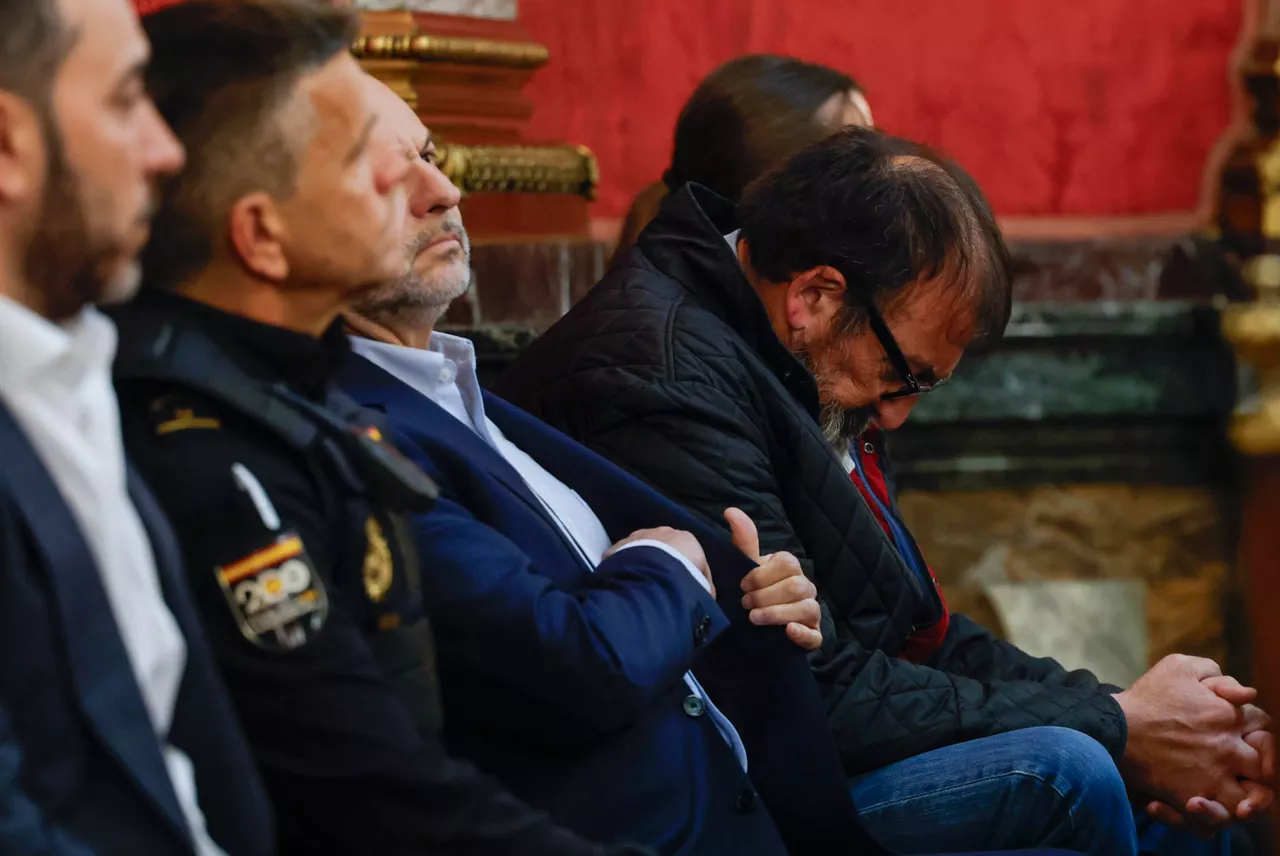
Koldo Garcia has called Aldama "stupid" and said he will present evidence to "blow up" the trial
José Luis Ábalos's former adviser has sent an audio to Telecinco in which he claims that they will prove their "total innocence."
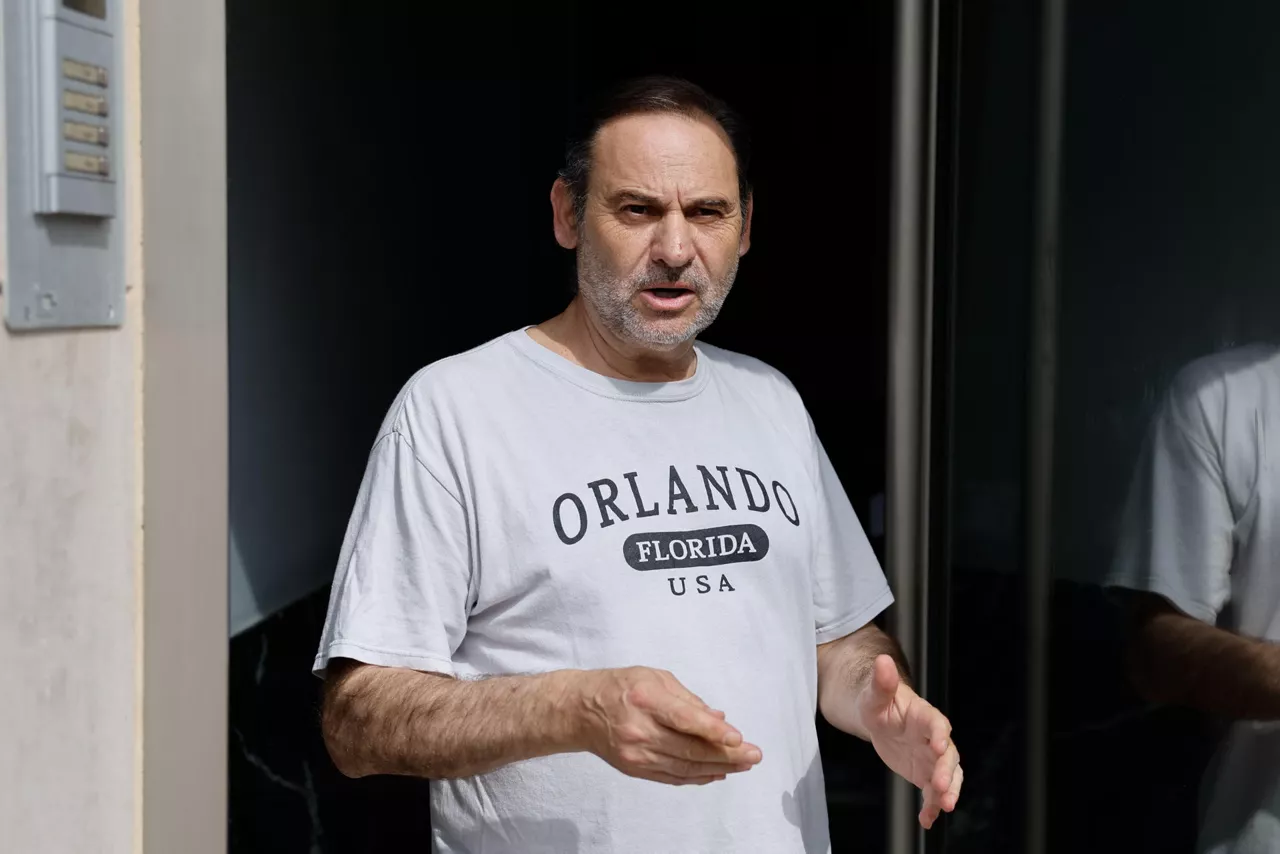
The trial of Abalos, Koldo Garcia and Aldama for alleged fraud in the purchase of masks is under way
The Public Prosecutor's Office requests 24 years' imprisonment for the former minister, 19 years for Garcia and 7 years for Aldama, and more than 70 witnesses will appear before the Supreme Court.

The Commission of Inquiry has suspended the appearance of Cerdán's wife, who has refused to testify on health issues
Despite this decision, the report "has raised doubts" about them, the chairman of the committee said, but considering it to be "a matter of caution," they have decided to withdraw their statement, as well as to collect "legal" reports on the document submitted by Cerdán's wife and "health reports" from other doctors.
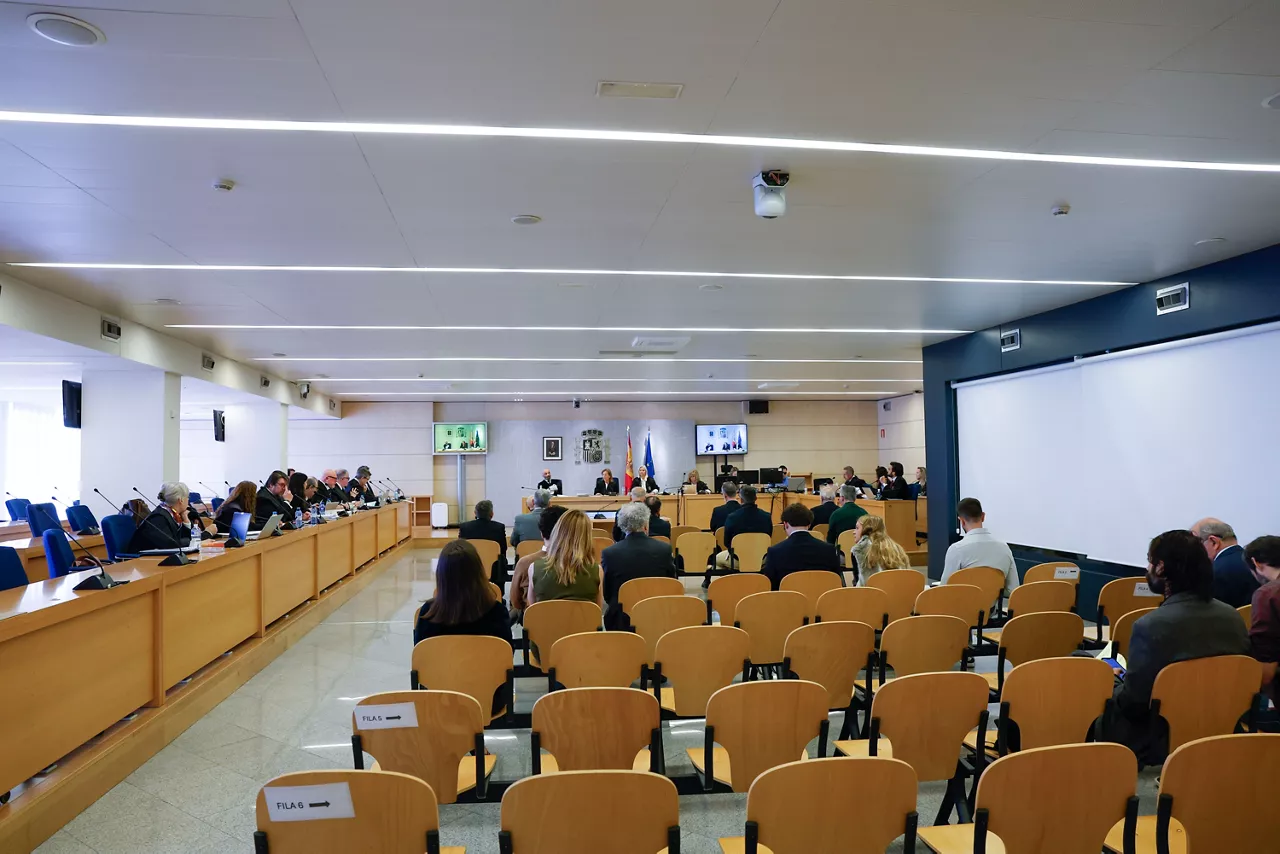
Lawyers for defendants in the Kitchen case have called for the trial to be suspended on the grounds that there have been errors in the injunction
At the first session, on previous issues, the lawyers of the ten defendants have asked to suspend the trial against the head of the Ministry of the Interior at the time of the Government of Mariano Rajoy.
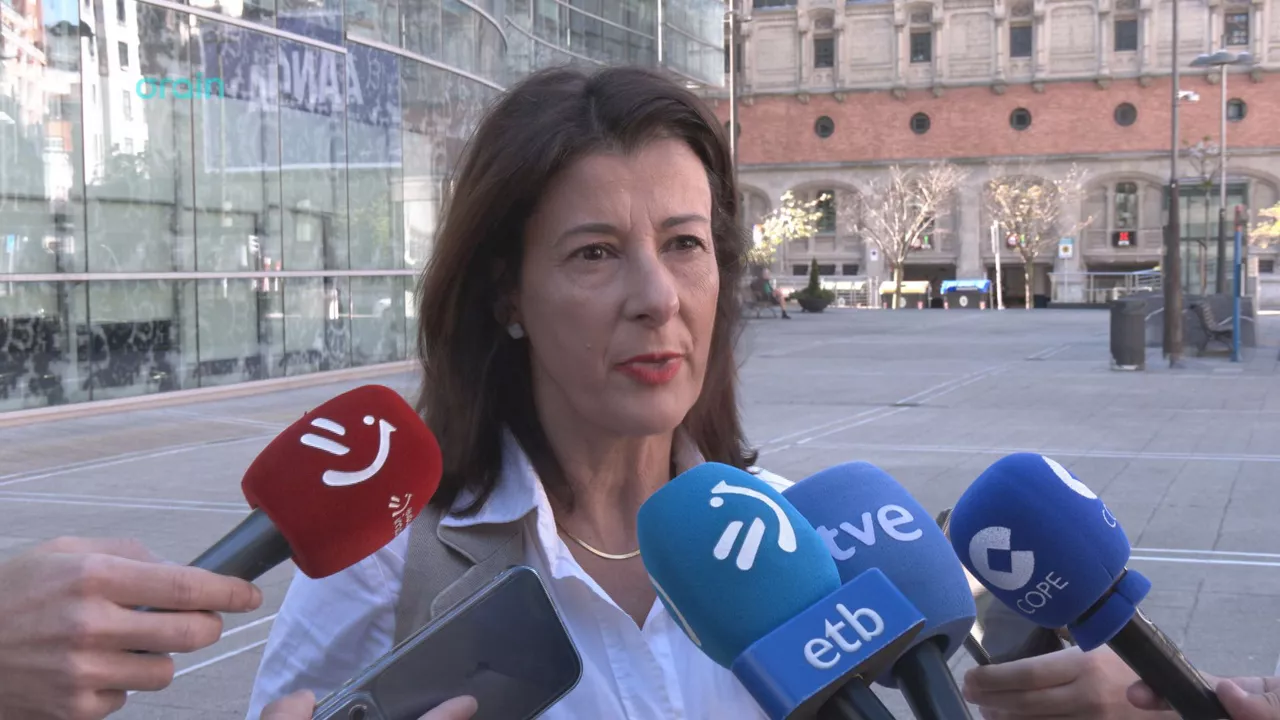
The PP criticizes that the PNV lives in "victimhood" and far from the reality of the Basques
Laura Garrido (PP) has told the media that during the Aberri Eguna the PNV had "the usual speech." "They talked about a qualitative leap that I want to ask if it will benefit the Basques, bearing in mind that independence is not among the first concerns of the Basques," she said.
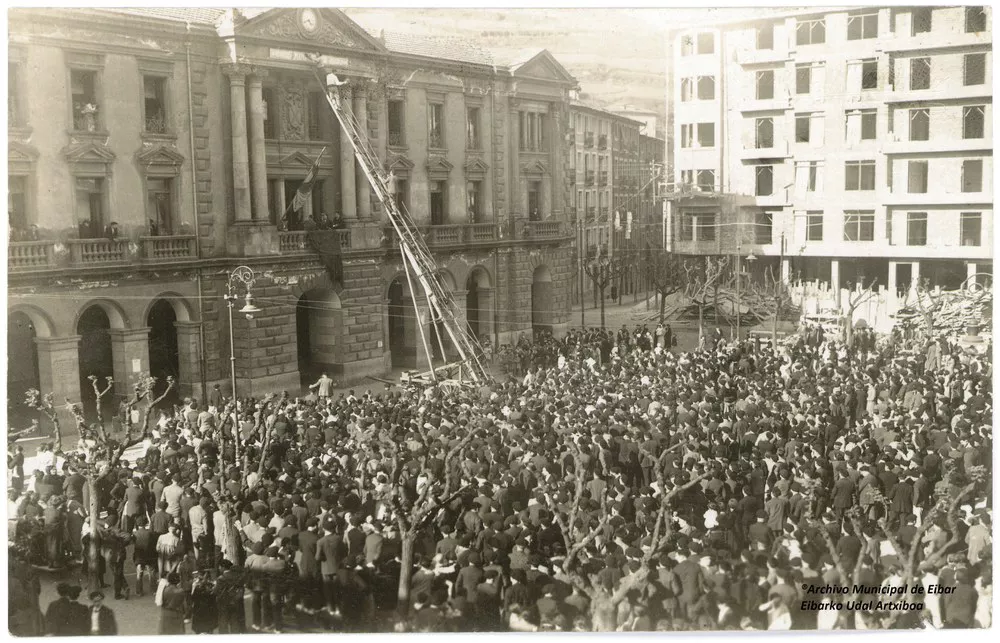
Eibar is officially the Place of Democratic Memory from today
The resolution, published in the Official Gazette of the State, states that "it contains the basis for the recognition of the cities of Eibar as the Place of Democratic Memory, which has been the scene of both active defence of the legality of the republic and serious violations of international humanitarian law".