
Astronomy
UPV scientists discover a gigantic decagon-shaped structure in Saturn's clouds
In the 1980s, images captured by the Voyager probe revealed a hexagonal atmospheric wave at the north pole of Saturn. Now, decades later, a UPV team from the Bilbao School of Engineering, led by astrophysic○ agustín Sánchez-Lavega, has discovered a decagonal wave at the south pole of the planet.
Double show in Stonehenge: the solar eclipse and the Perseids, one night for history
Stonehenge has become the scene of an unforgettable night, after the entire solar eclipse, the megalithic monument has brought him back to the sky to enjoy the most spectacular moment of the Perseids.
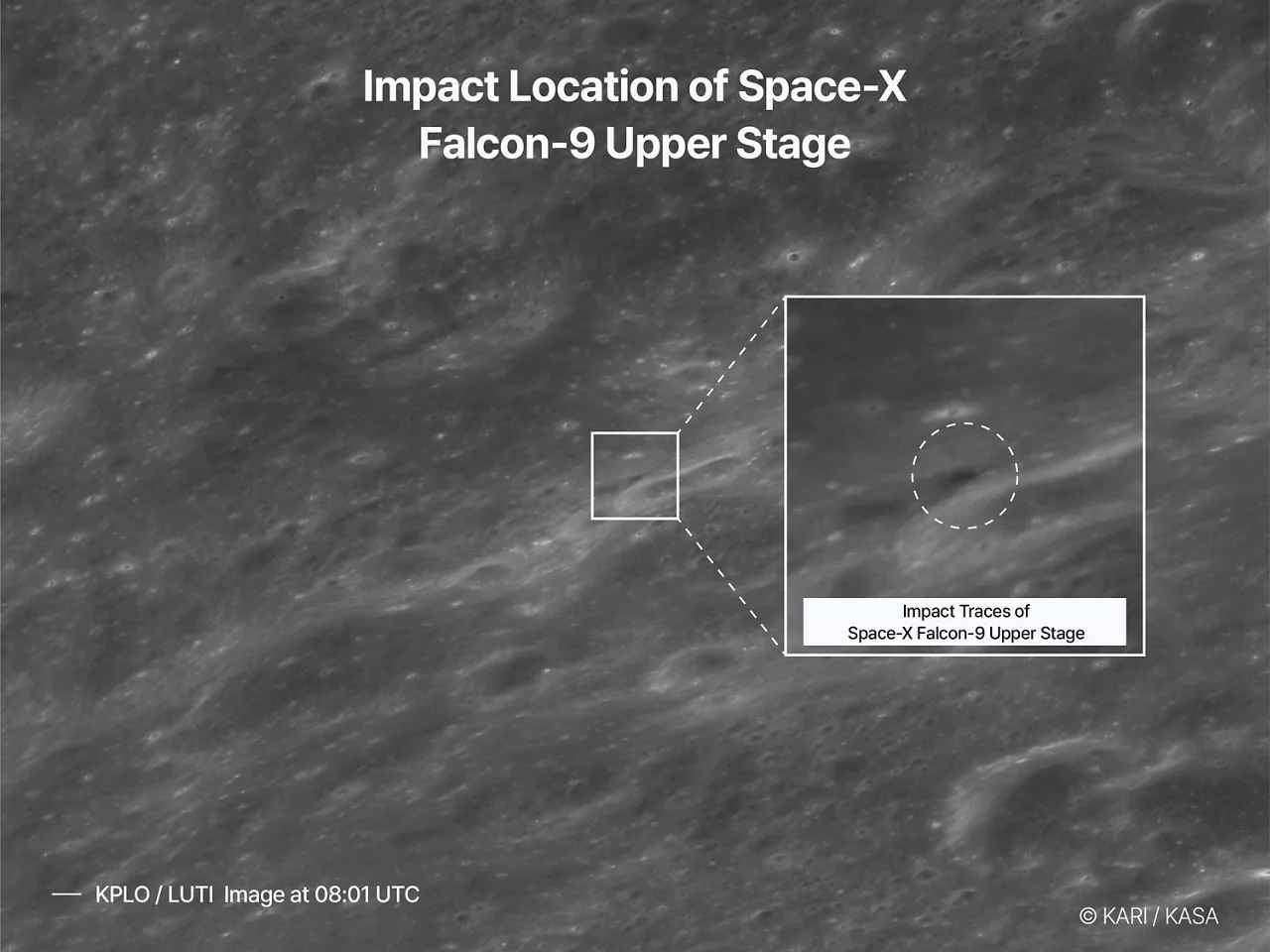
NASA has confirmed that a SpaceX rocket hit the Moon, but added that there is no danger
The upper stage of a Falcon 9 rocket launched in January 2025 has collided unplanned with the lunar surface due to a combination of solar activity and gravitational forces.

A team of astronomers conclude that interstellar comet 3I/ATLAS is "much older than the Sun"
They have come to this conclusion by measuring specific chemical traces, and they also believe that it probably originated outside the solar system. Interstellar comets are frozen objects that originate outside the solar system and occasionally enter the solar system.
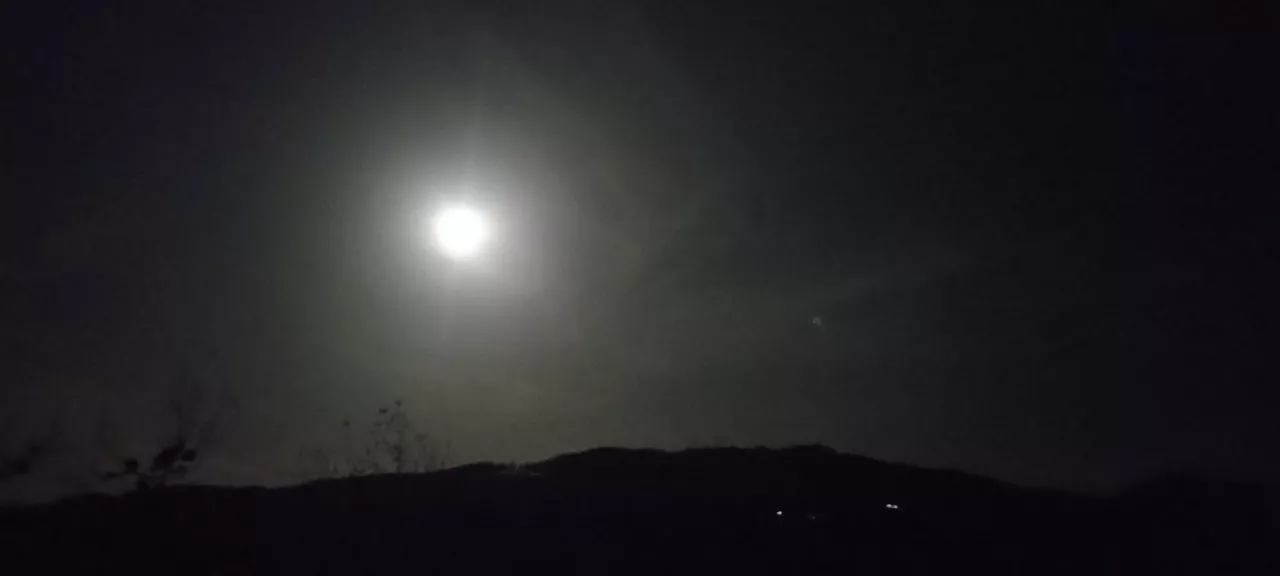
Blue moon ends this Sunday, May 2026
Six planets and the Moon are the protagonists of the great planetary alignment at the end of February
In the last days of February, the darkening sky will give us a particularly striking astronomical spectacle. The astronomer Virginia Garcia of Aranzadi has explained which six planets will meet in the sky.
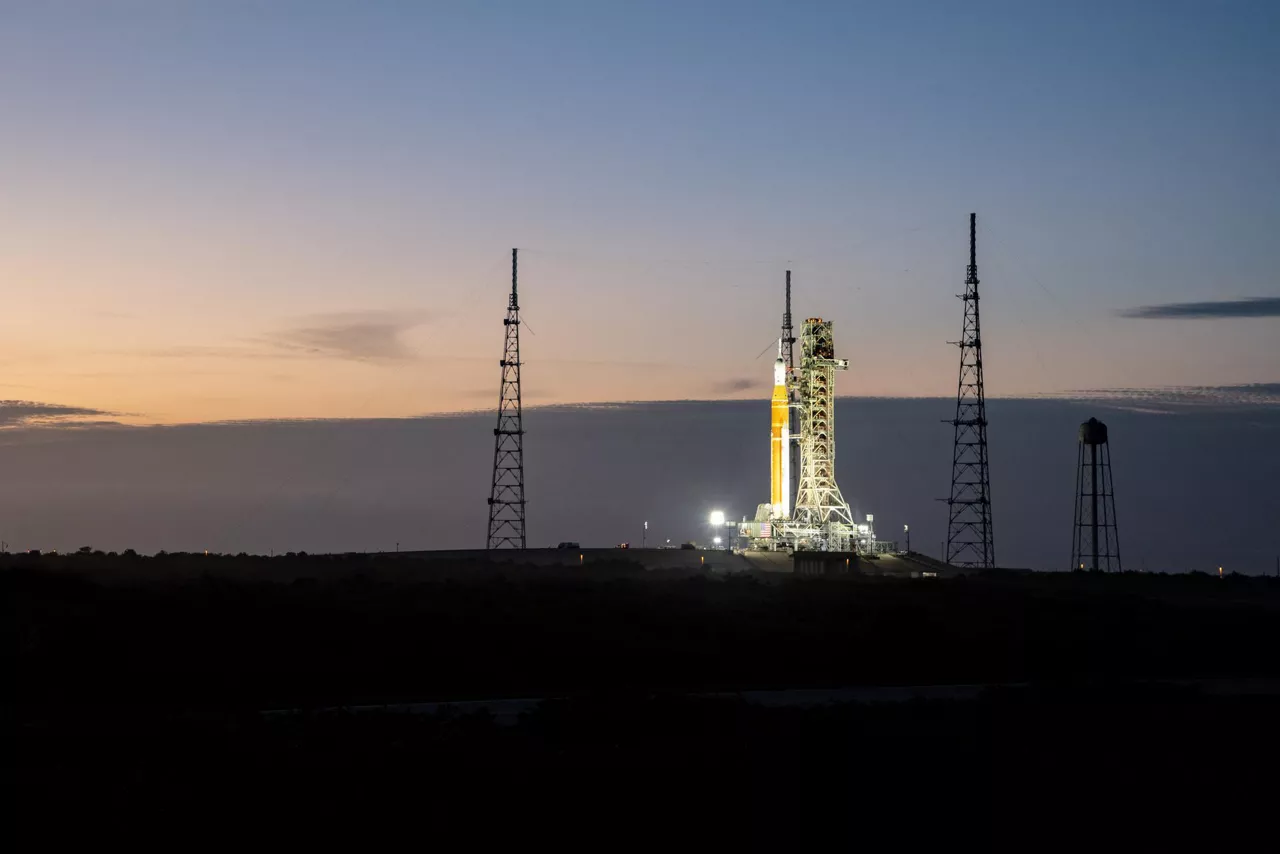
The manned mission to the moon has been postponed until March, after fuel leak tests have been halted today
"We will launch only when we believe we are ready to undertake this historic mission," said NASA Chief Jared Isaacman, adding that the team will "thoroughly" review the data, "solve every problem detected," make the necessary arrangements, and return to the tests.

Astronomical winter begins this Sunday and will have two eclipses
The new season will begin at 16:03 and end on March 20, 2026, with the beginning of spring. The eclipses will not be visible from Euskal Herria.

Comet 3I/ATLAS is as close to Earth as possible and moving smoothly away
Russian scientists have once again rejected theories that it was a supposed alien ship.
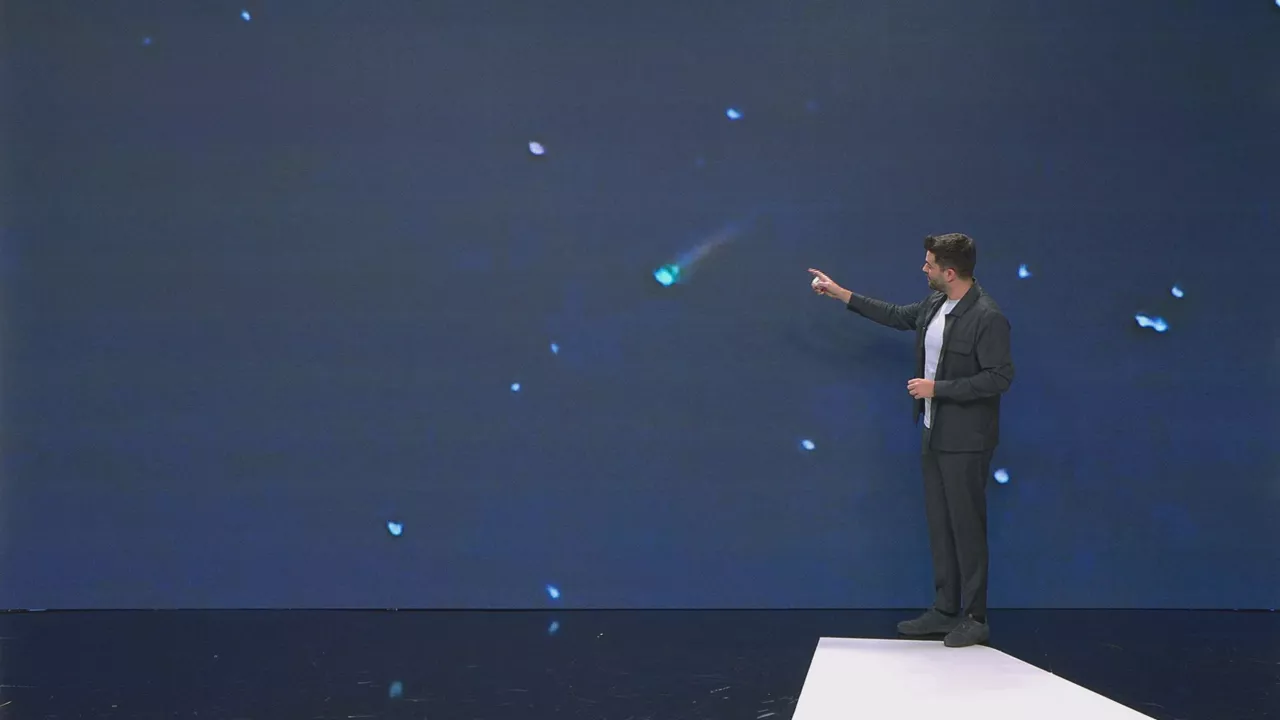
Comet Lemmon, 1,350 years later, again visible
The comet Lemmon can be seen again from Earth after 1,350 years of orbit. The last time it was seen from Earth was in the 7th century. Next Tuesday will be the closest day to Earth, 89 million kilometers.