
Japan

Japanese artist Yayoi Kusama died at the age of 97
Specifically, the well-known artist died on August 14 in a hospital in Tokyo. In 2023, the Guggenheim hosted the exhibition "Yayoi Kusama: from 1945 to the present." Kusama began painting at the age of 10, using obsessive repetition of moons and patterns such as nets and arches.
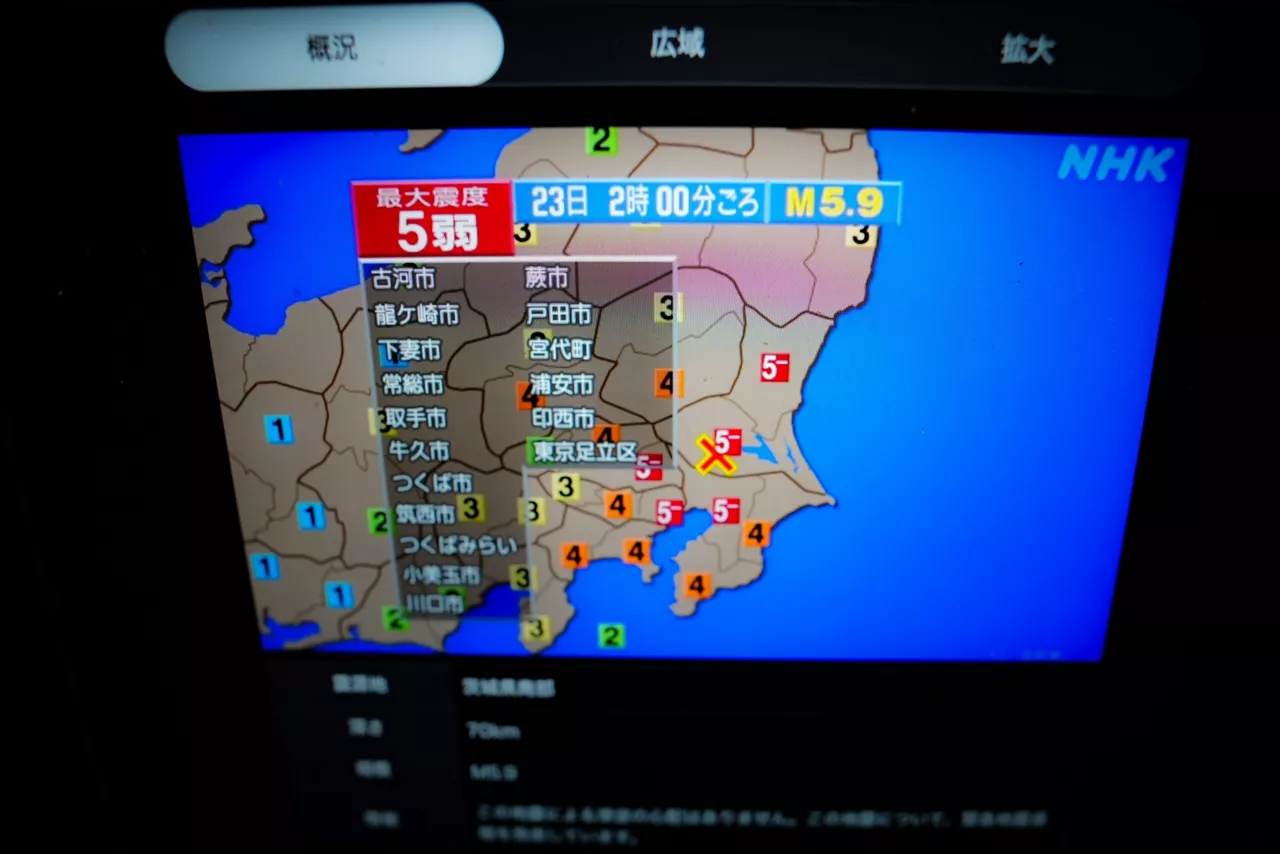
A 5.9 magnitude earthquake shakes Tokyo
An earthquake of magnitude 5.9 on the Richter scale hit eastern Japan early Sunday morning, particularly in the Tokyo region, wounding 30 people and disrupting some rail services. Japan's Weather Agency (JMA) has ruled out tsunami risk.
A 7.1 magnitude earthquake has hit Japan, triggering the tsunami alert
For the time being, the authorities have not disclosed any information on the damage or potential victims.
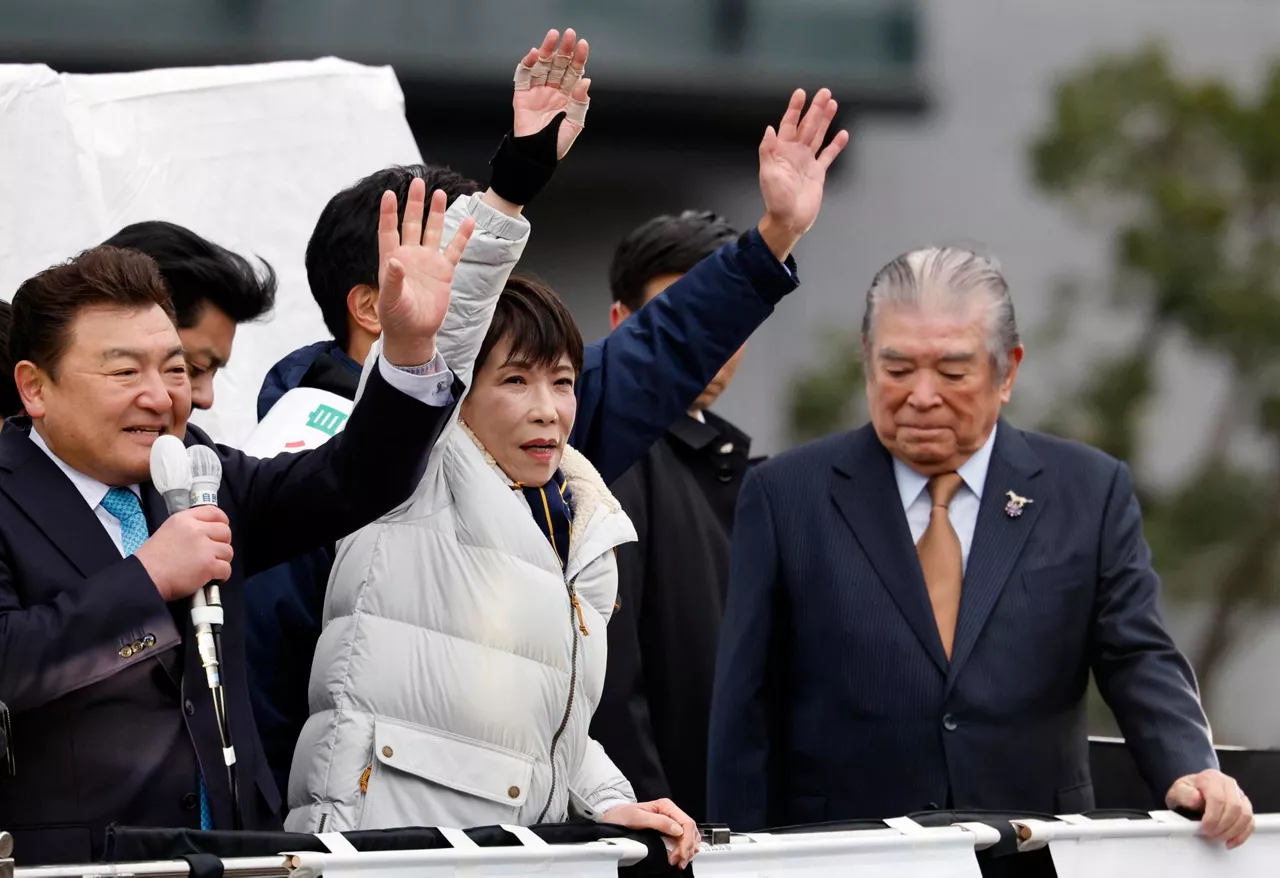
Takaichi won the election in Japan and increased the majority
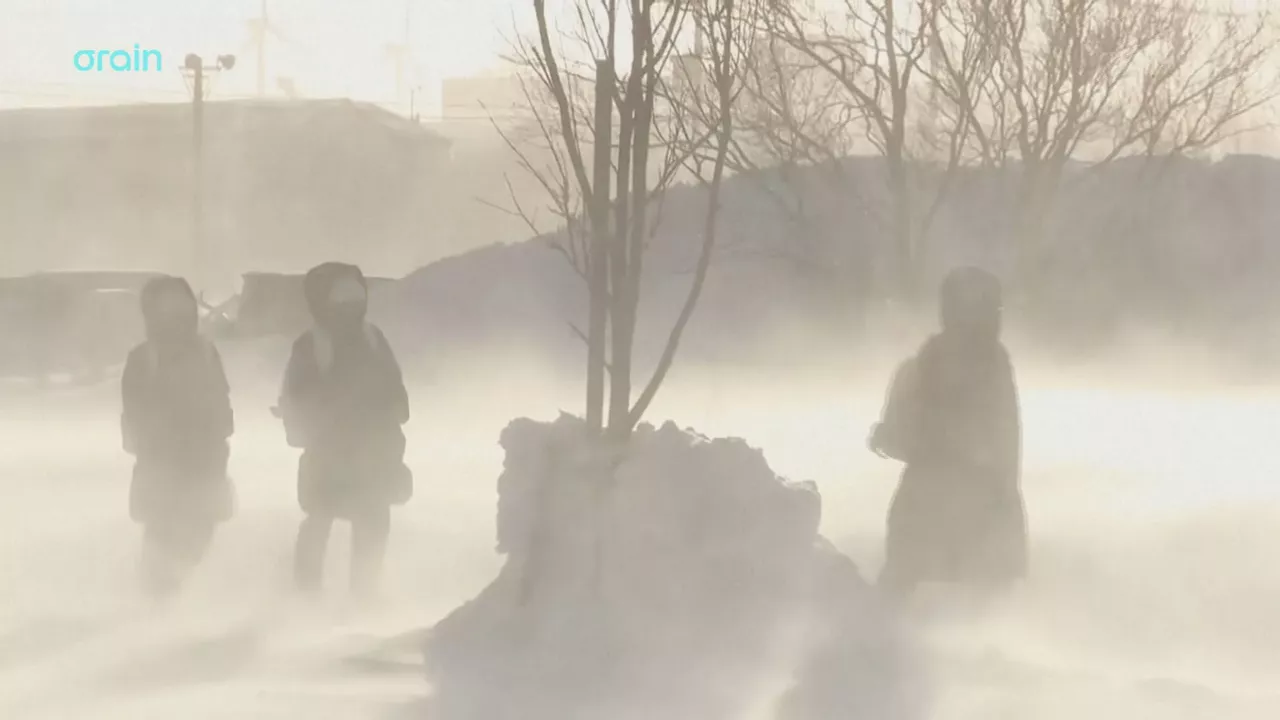
Early elections in Japan, amid the biggest snowfall of recent years
Prime Minister Sanae Takaichi decided to bring forward the votes with the aim of increasing her support in Parliament. Polls say she will achieve her goal, but it will not be a regular election, as snowfall has forced a change in schedules in some polling stations.

Euskadi and Fukushima renew strategic cooperation
The agreement encourages cooperation in key sectors such as renewable energy, medical devices and gastronomy. President Imanol Pradales has stressed that both sides share "the ambition and potential to be an international benchmark in clean technologies."

A 6.2 degree earthquake has shaken Japan
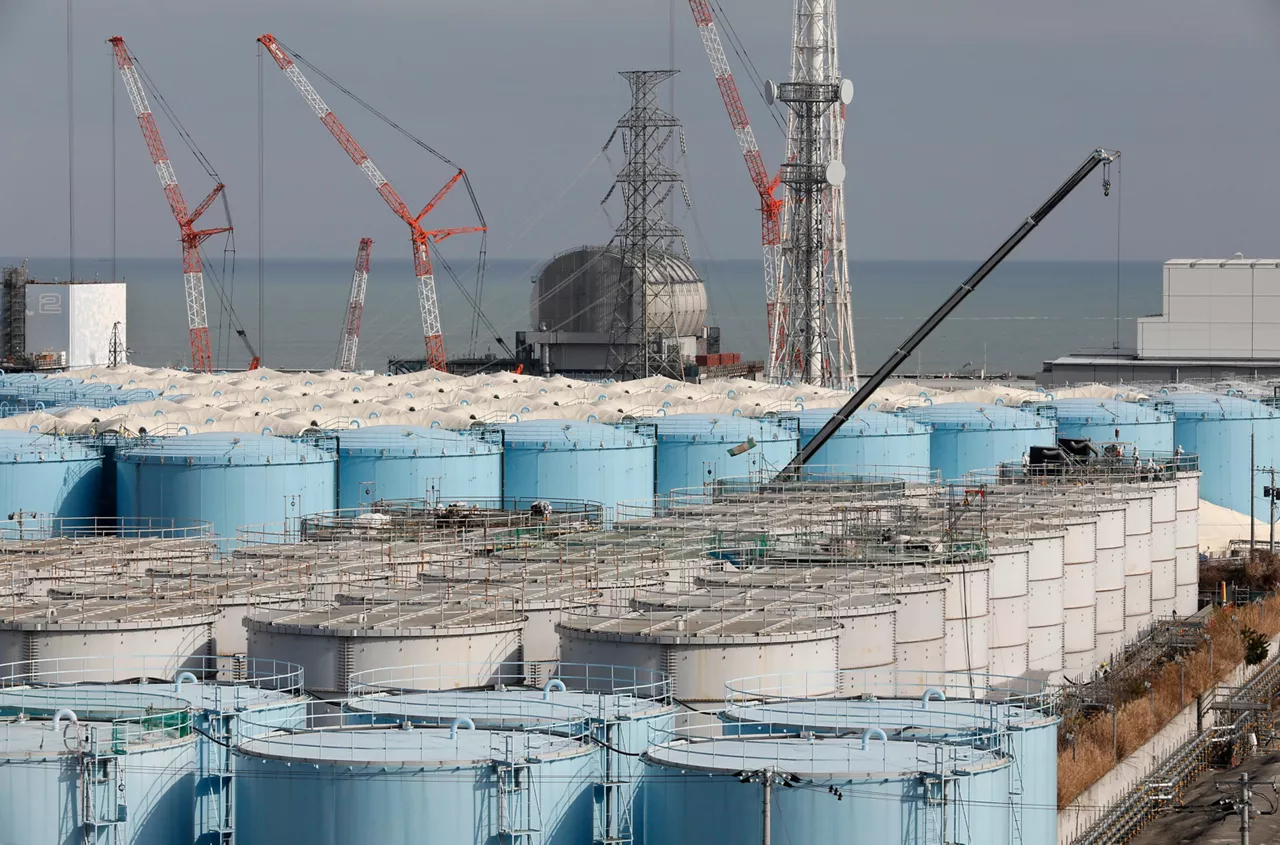
The Fukushima nuclear power plant will be reopened
TEPCO will reactivate the world's largest nuclear power plant in January after receiving approval from local authorities.
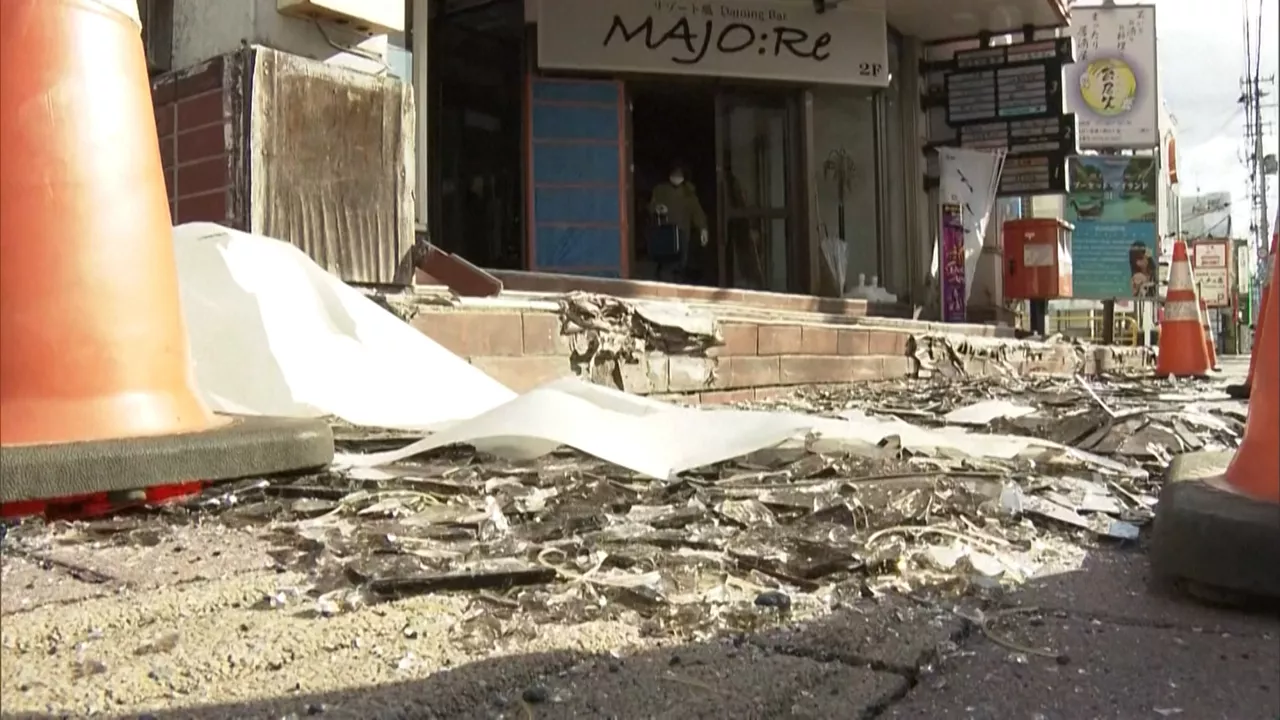
Japan raises tsunami alert and warns of another possible earthquake
Japan has deactivated the tsunami alert the day after the 7.5 degree earthquake that struck the north of the country on Monday, but the authorities have activated a special alert at the risk of an unusual earthquake in the coming days.
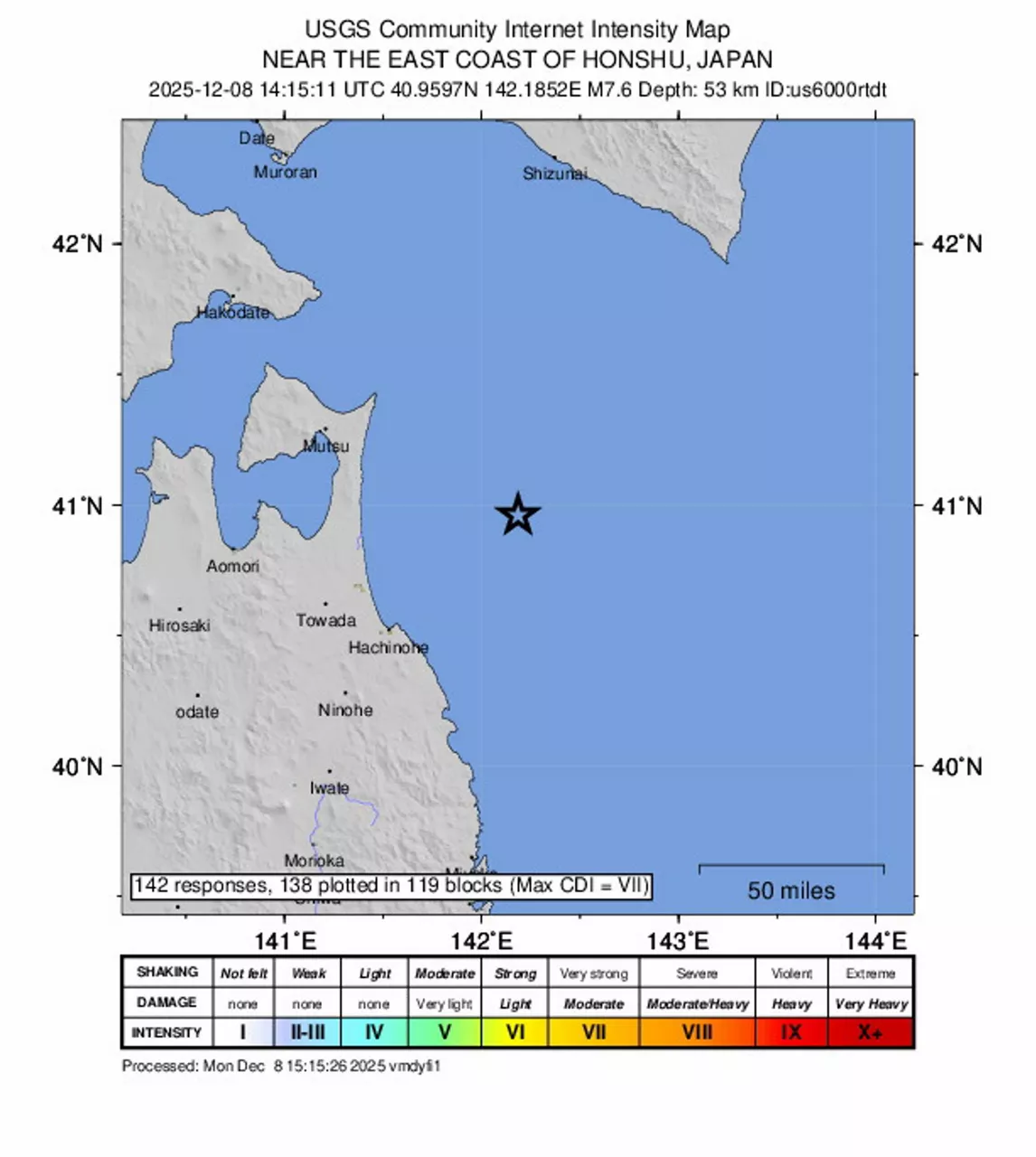
A 7.6 degree earthquake has hit northern Japan and a tsunami alert has been issued
Authorities have evacuated more than 23,000 people due to the risk of waves of up to three metres. Tohoku Electric Power, operator of two nuclear power plants in the earthquake area, is assessing the situation in the factories.
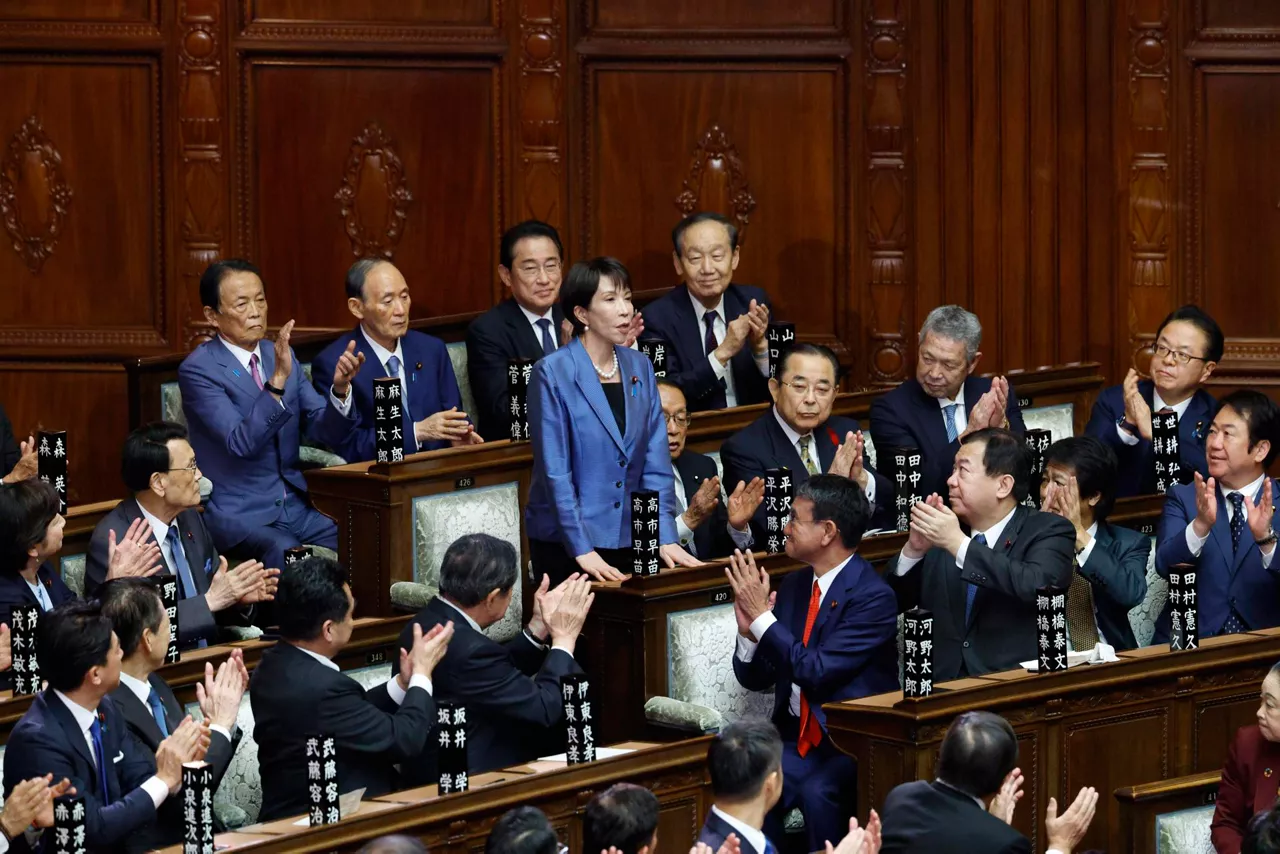
Sanae Takaichi has broken the glass ceiling, and for the first time, Japan has a female prime minister
Takaichi has won 237 out of 465 votes, four more than he needed. Shigeru Ishiba's resignation caused him to call a primary on October 4. Takaichi won the second round.

A woman gets the head of government in Japan for the first time: Sanae Takaichi, making history
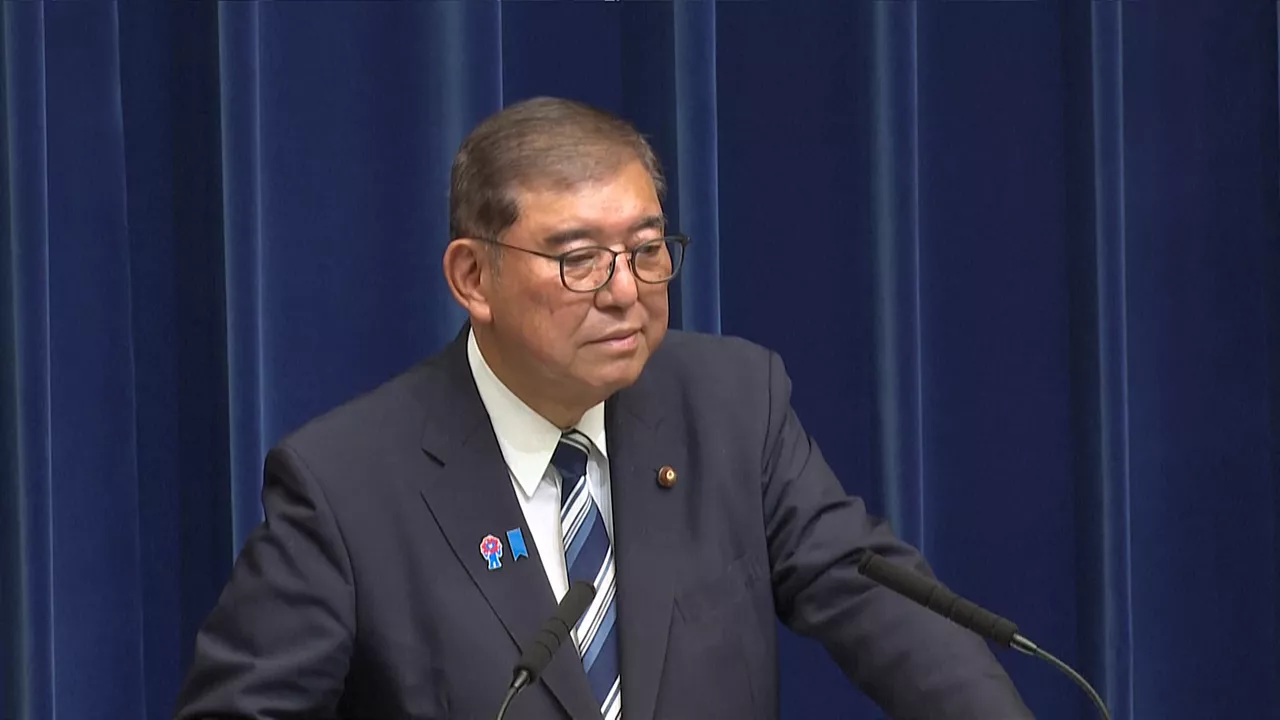
Japan's prime minister has resigned before his party's appointment to decide on his future
The party has resigned on the eve of a debate on an unusual advance of the primaries because, after the poor election results, it is to be expected that it would be removed from the leadership of both the party and the government.
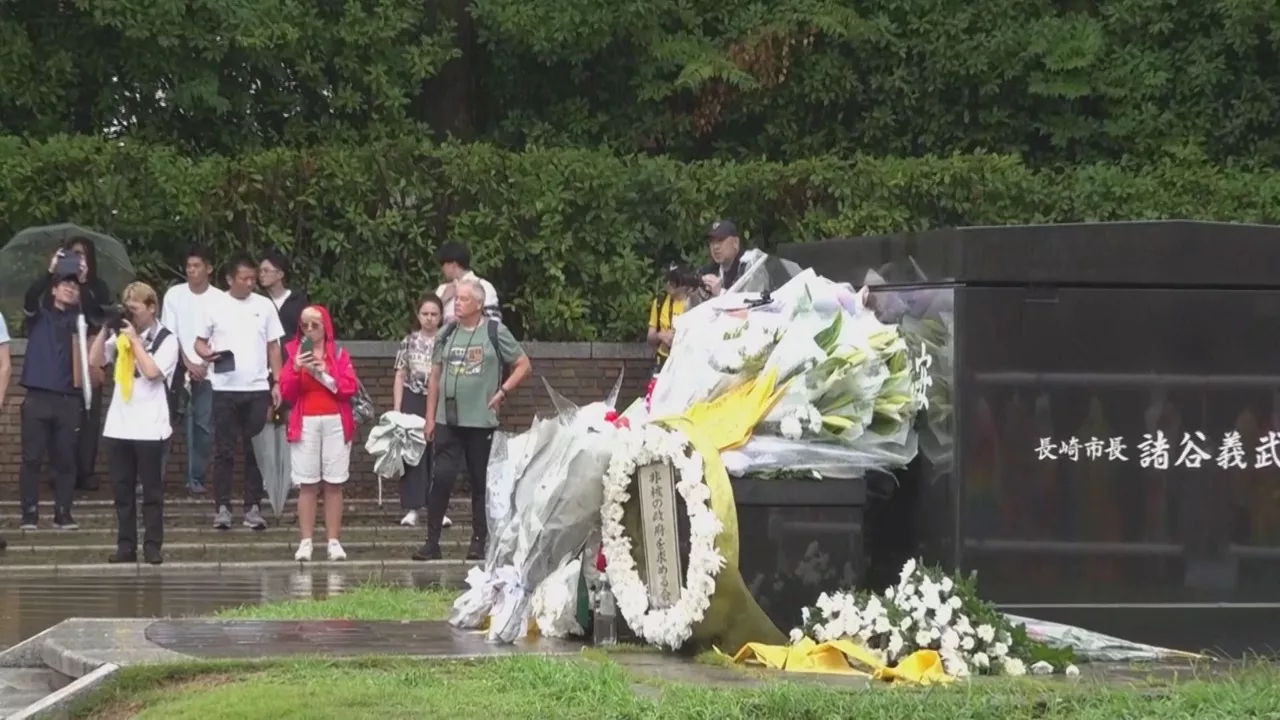
Nagasaki remembers with a minute's silence the victims of the atomic bomb 80 years later
A minute of silence has been observed in Nagasaki to recall the 80th anniversary of the US launch of a nuclear bomb, which left some 74,000 dead, three days after another 140,000 people were killed in Hiroshima. Nipona authorities and survivors have called for learning from the horrors and for the tragic memory of 9 August 1945 to be remembered.
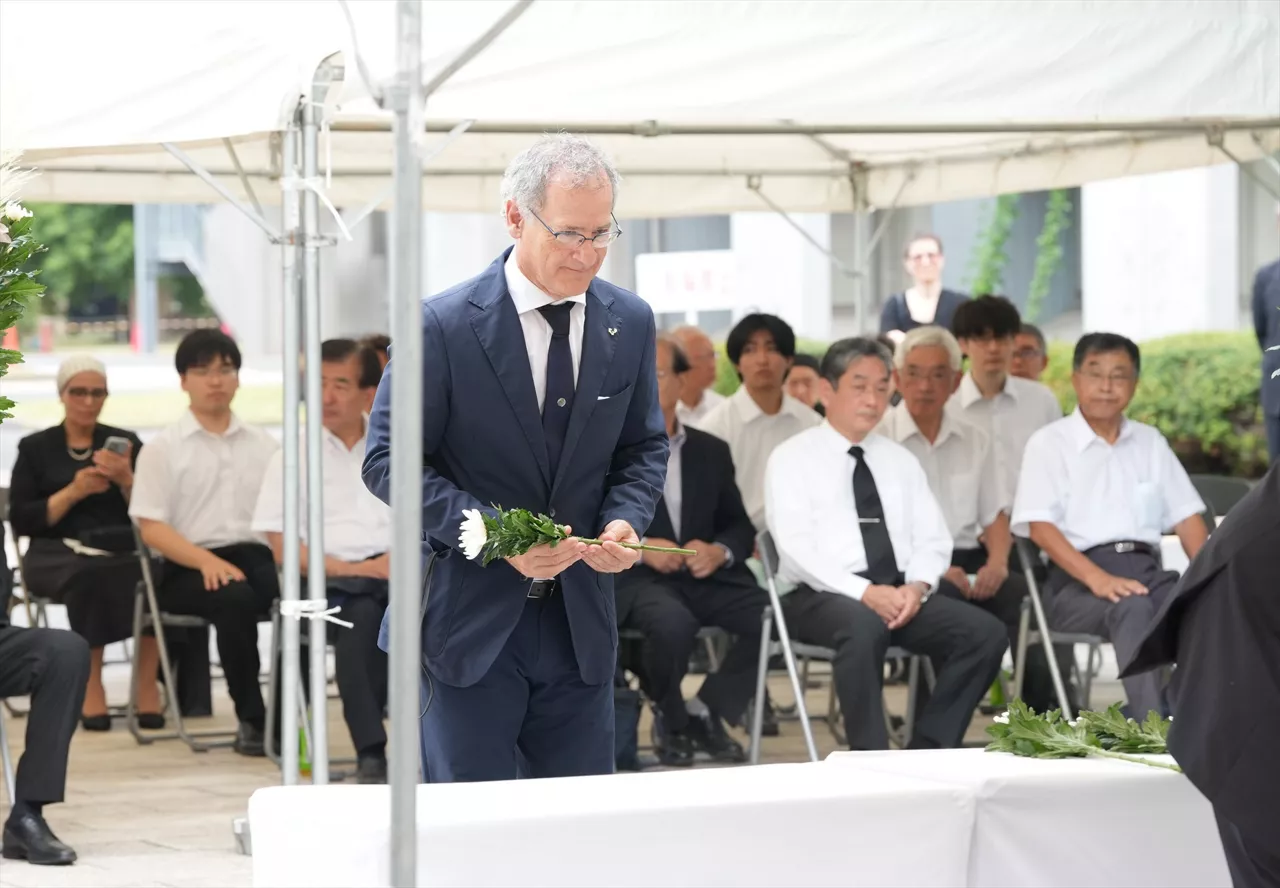
UPV-EHU has signed the Declaration for Peace in Hiroshima, and Rector Bengoetxea has denounced the massacre in Gaza
Joxerramon Bengoetxea has stressed the "importance of memory exercise." "We universities are obliged to do what is in our power to prevent it from recurring and to forget what happened."
Hiroshima commemorates 80 years of atomic bombing in an atmosphere overshadowed by global conflicts

There will be news of the White Virgin's festivities, the 80th anniversary of Hiroshima and avian flu cases
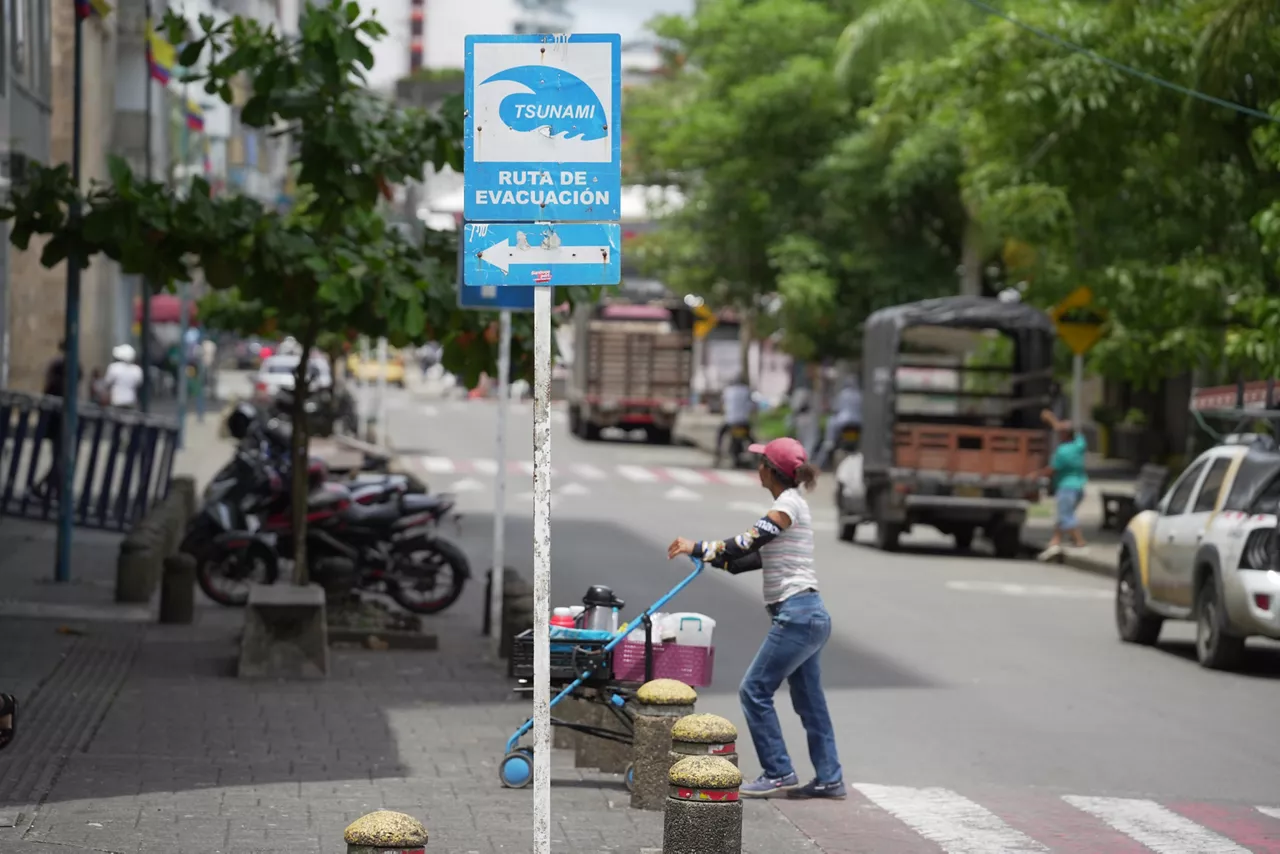
Normalcy in the Pacific after reducing tsunami risk
Russia cancels the tsunami alert and remains alert in Central and South America, although alarms have been removed in most cases.
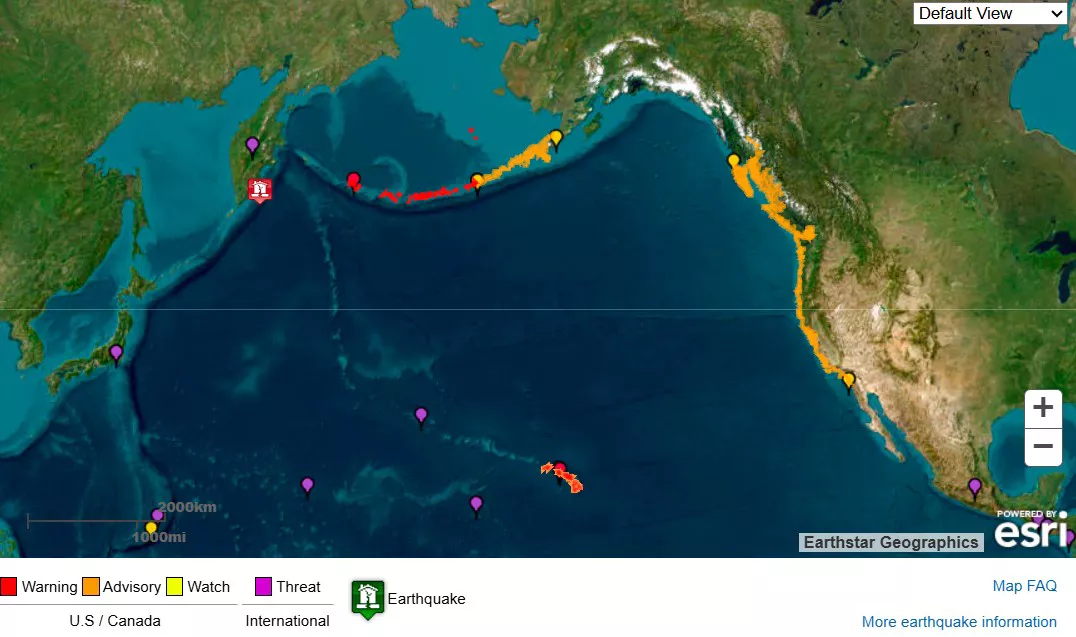
An earthquake has hit the entire Pacific, and tsunami alerts have been activated in several countries
The 8.8-degree landslide has had its epicenter in the Russian region of Kamchatka: alerts have been activated in China, Japan, the US or Mexico.
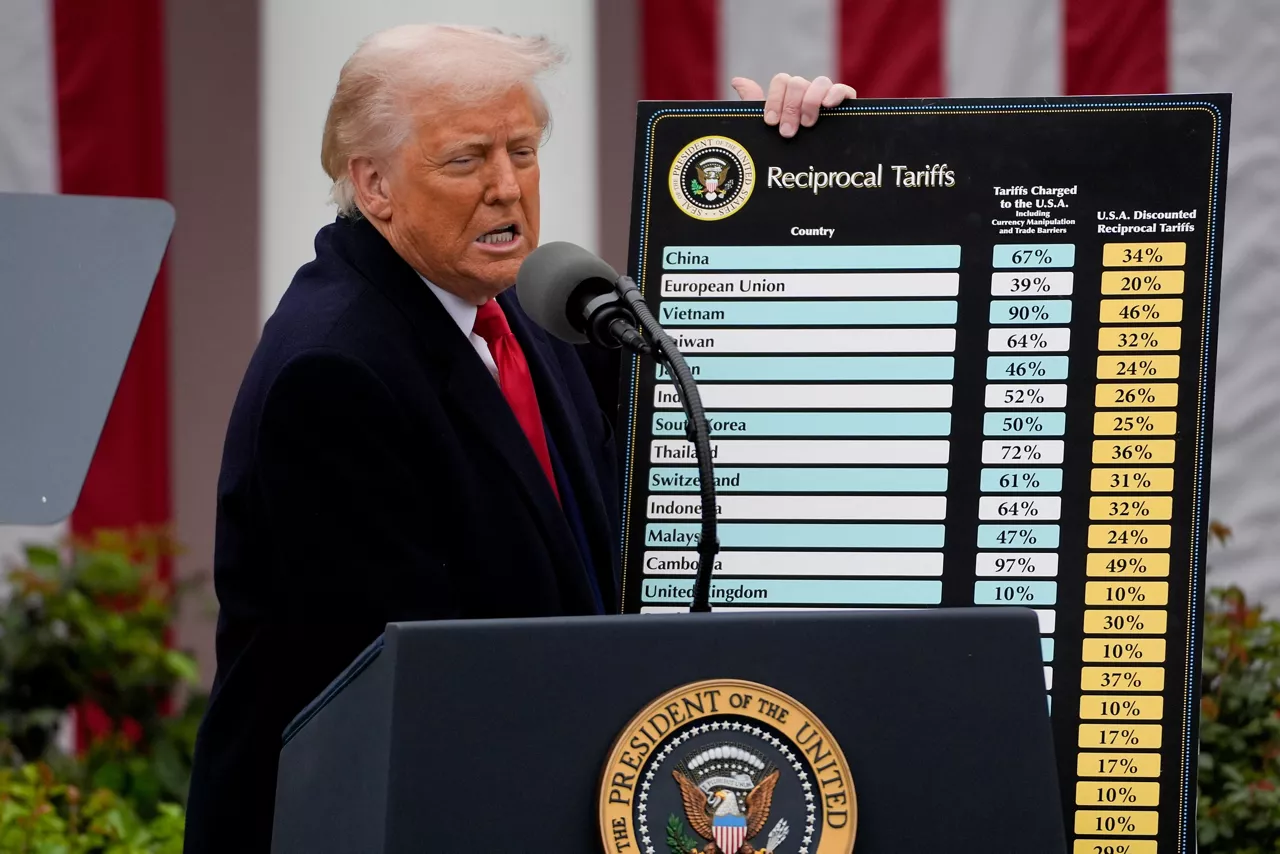
Trump has announced a trade agreement between the United States and Japan and will apply 15% limit taxes to each other
The President of the United States threatened to impose a 25% limit on imports from Japan.