
Climate meeting COP31 at Trukia, with the challenge of transforming commitments into agreements
Unlike other climate summits, this does not provide for great predictions, because the aim is to implement the issues already agreed upon, that is, to move from promises to deeds, for which the meeting will be chaired by two countries, Turkey and Australia.


Science's warning for decades has been met: theclimate crisis has long been areality, and has brought with it unusual heat waves,major fires and disasters . In response, the capacity of states has been compromised on several occasions, and governments are going to the COP31 climate conference in Turkey next week without doing their homework.
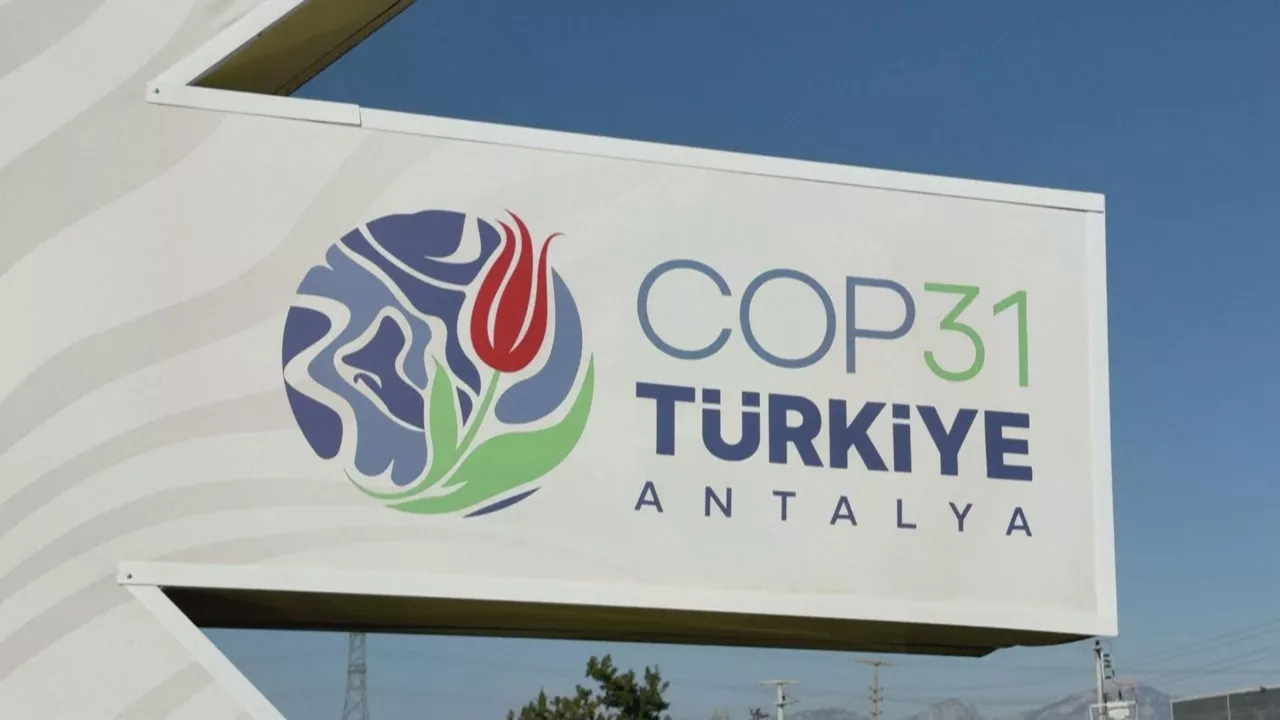
On Monday, 9 November,COP31 will begin in Antalya, Turkey, and will raise the gap between the growing climate crisis and the international response, as states have already taken some steps to address the crisis, but not at the speed required by the situation.
This meeting will bring together representatives from nearly 200 countries until 20 November, under a new formula: Turkey will hold the formal presidency and Australia will lead the negotiations.
Both countries want to translate existing commitments in Antalya into concrete measures, but differences in who pays for fossil fuels and how to leave them may limit their initial intentions.
The specific challenges of this summit
Unlike other climate summits, it does not envisage making big predictions, because the goal is to implement the issues already agreed, that is, to move from promises to deeds, for which the meeting will be chaired by two countries, Turkey and Australia, which now have the challenge of keeping global warming below the warming threshold as soon as possible.
From 2024 to 2025, global gas emissions barely changed, and are still very high: with the current trend, the planet will warm 2.8 degreesby the end of the century.
But experts have limited warming to a maximum of 1.8 degrees, and they want it to go down to 1.5 degrees or less by 2100. To achieve this, gas emissions need to be reduced by 45% by 2035.
However, national commitments to this effect would reduce emissions by between 11% and 15% between 2025 and 2035.
In Antalya, governments will have to consider how to close that gap. They must agree on measures to accelerate electrification and move money so that developing countries can implement their climate plans.
Renewable energies lead the way
As a counterpoint, there is the advancement of renewable energies, because since the historic Paris agreement of 2015, electricity generation capacity has grown three times faster than expected, and solar photovoltaic expansion has increased sevenfold.
The COP31 Turkish Presidency wants to take advantage of this push to increase the proportion of electricity in global energy consumption, current 20% to 35% by 2035.
The UnitedStates will not participate in the session, beyond the less ambitious European Union\ u00A0ETA, will highlight China's role because of its ability to produce and export clean technologies, which will be key to the global energy transition.Environmentalists urge COP31 to be ambitious
Given that the planet is expected to exceed 1.5 degrees of warming, and that international commitments are progressing at a slow pace, major environmental organizations in the Spanish state have called for greater political ambition.
Environmentalists in Action, Greenpeace, WWF and SEO/BirdLife have warned that the measures taken so far are insufficient to curb global warming, calling for accelerating emissions reductions, increasing funding and abandoning fossil fuels.
You might like
The man who shot six people in Kraków has died
COP31 is underway with the challenge of turning climate commitments into concrete action
Russian statistical services have been hacked, bringing the death toll in the war to 400,000
Eisenkot announces "novel and unusual" political actions after taking over the task of forming a government in Israel

The floods in Gaza have flooded the tents of 70,000 Palestinian displaced persons
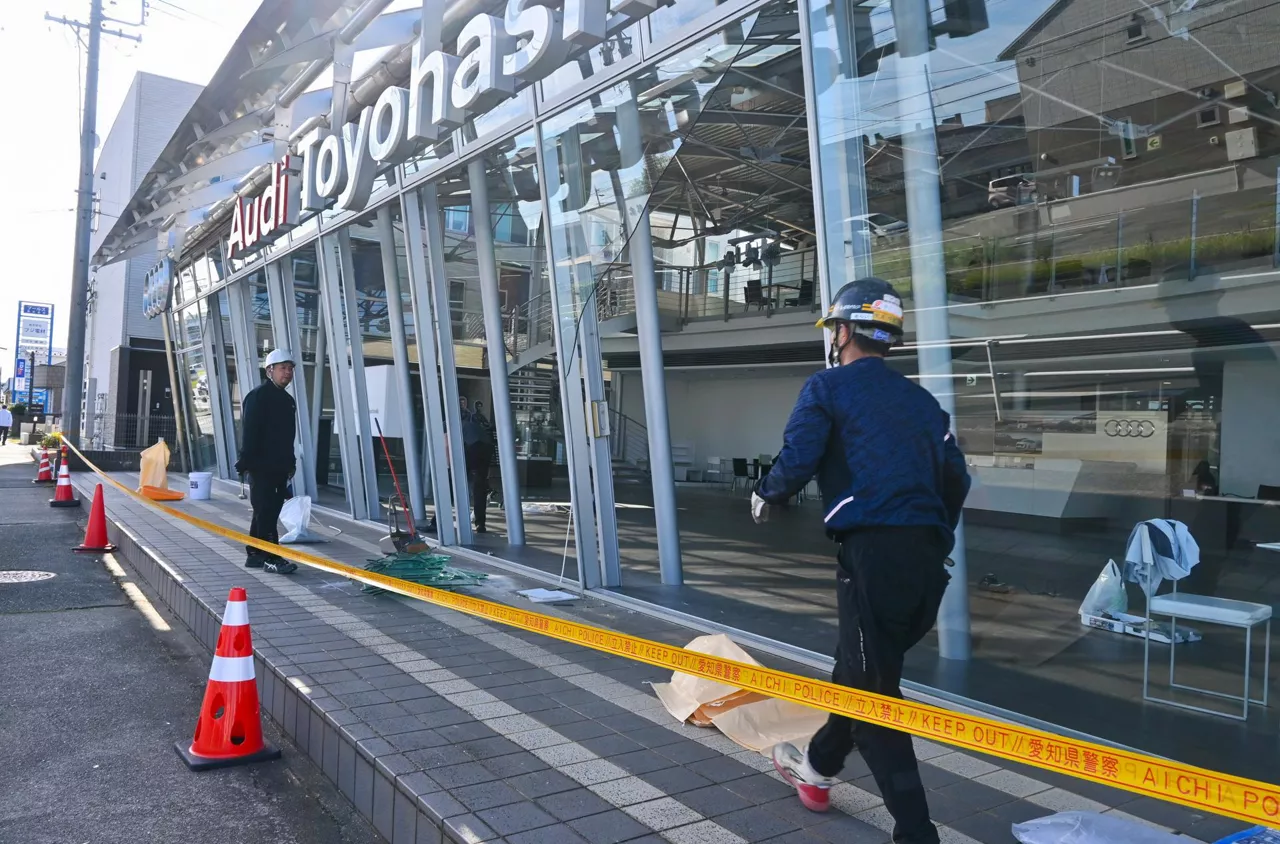
A 5.7 magnitude earthquake shakes central Japan
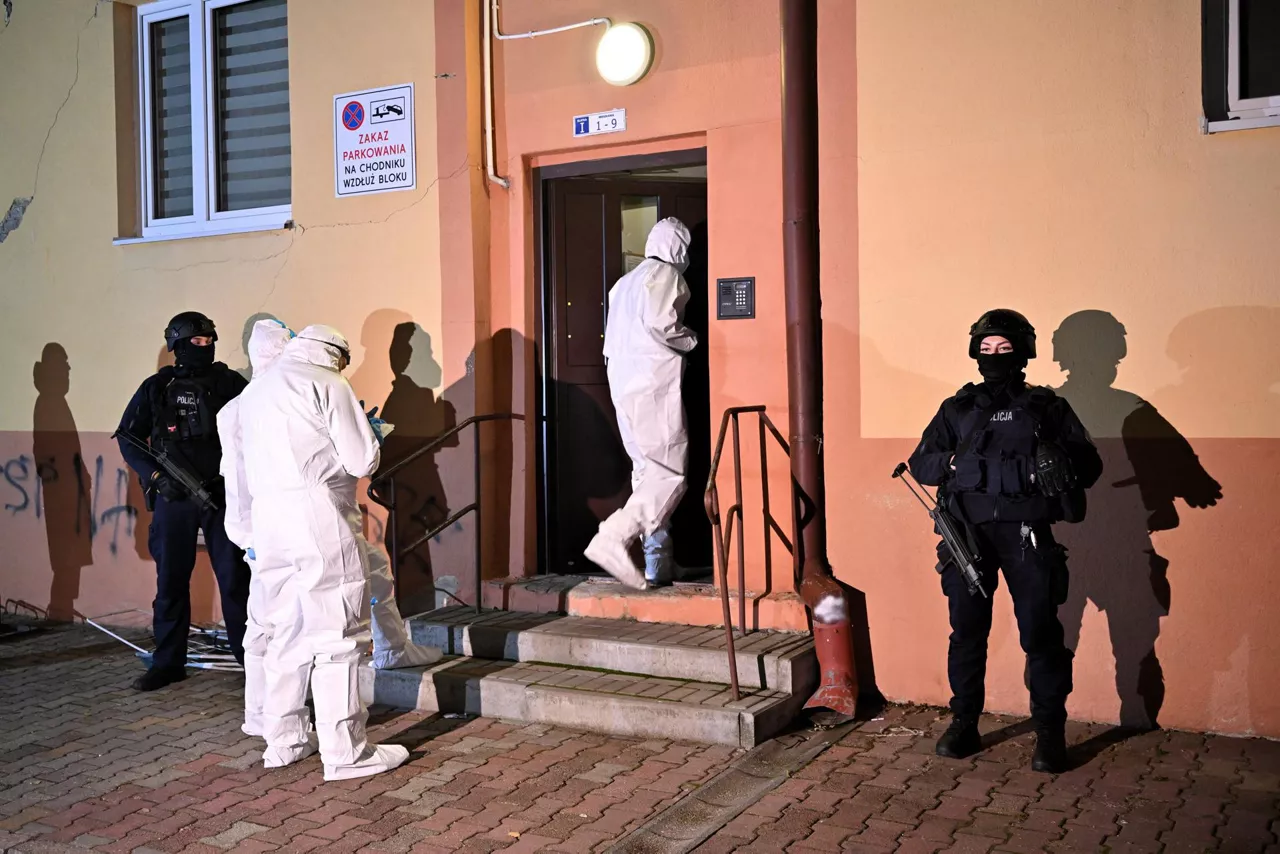
The bodies found in the house of the Kraków attacker are his parents and sister

Israeli president urges opposition leader Eisenkot to form new government