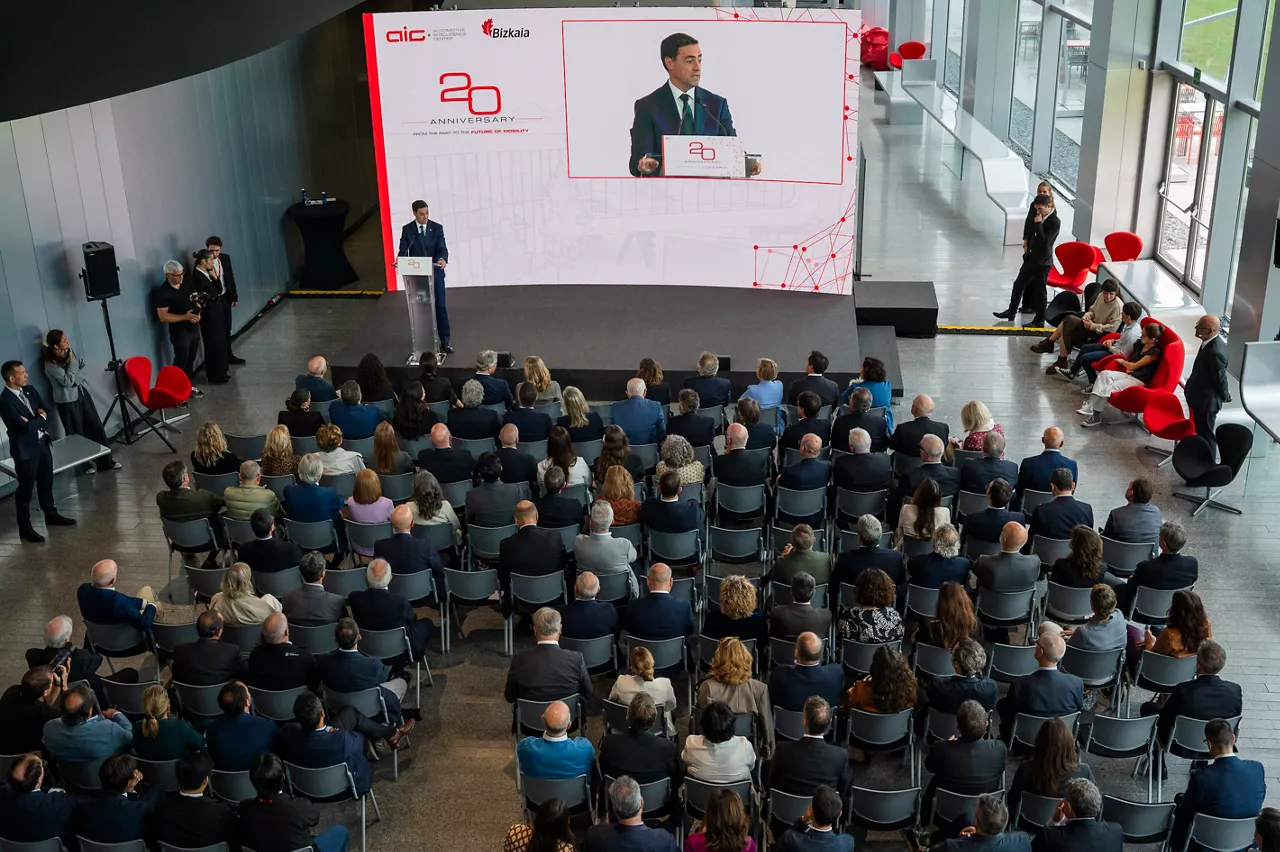
18.5% of the Basque population suffers from frequent or continuous stress at work
According to a study by Randstad, only 10.5% of the population in the Basque Country have ever felt stress related to their work. Women have higher and more frequent levels of stress than men.


18.5% of the Basque population suffer from frequent or persistent work stress, which is almost three points below the state average (21.2%), which means that almost one in five Basque workers regularly live with stress at work, according to a Randstad study on the welfare of Spanish workers.
The Basque Country is among those with a lower percentage of workers who claim to feel frequently or continuously stressed, although 44.8% say that they feel this discomfort from time to time. Only 10.5% of the Basque population say that they have never felt stress related to their work.
According to a survey of more than 4,300 people of working age, 21.2% of Spanish workers say they often or always feel stressed for professional reasons: is a percentage that varies significantly by territory.
At the top of the ranking stand Asturias (25.2%), Galicia (24.7%) and the Canary Islands (24.3%), where one in four workers is in regular stress; at the other end are Navarra (13%) and the Balearic Islands (11.1%), followed by Castilla-La Mancha (17.2%) and Murcia (16.3%).
On the other hand, in the State as a whole, six out of ten people regularly have stress problems working. 79% of respondents believe that lack of work disconnection has a direct impact on their health and well-being.
On the other hand, the study shows that womenin Spain have higher and more frequent levels of stress than men, with 63.6 per cent of women surveyed claiming to feel stress frequently or continuously, compared with 48.9 per cent of men.
Moreover, 19.8 per cent of women claim to suffer from it "often", much more than men (13 per cent of men indicate this). At the other end, men claim never to have experienced stress (16.6 per cent) or very rarely (29.9 per cent).
In healthcare, one in three workers (35.6%) claims to be emotionally exhausted, and 43.3% say they have been exhausted in the past. In construction, 31.5% are exhausted, the same percentage that has experienced this situation before.
In education, 29.8 per cent now have burnout symptoms (burnt worker syndrome) and 35.1 per cent have suffered from it. In the case of technology workers, 25.2 per cent are currently emotionally exhausted and 45 per cent have suffered from it.
On the contrary, the sectors with the least emotional impact are the public administration, where 41.3 per cent have never felt fatigue and only 10.3 per cent suffer it today. In the cultural and artistic sectors, 38.7 per cent say that they never feel mentally exhausted and in the energy and environmental sectors, 37.1 per cent.
You might like
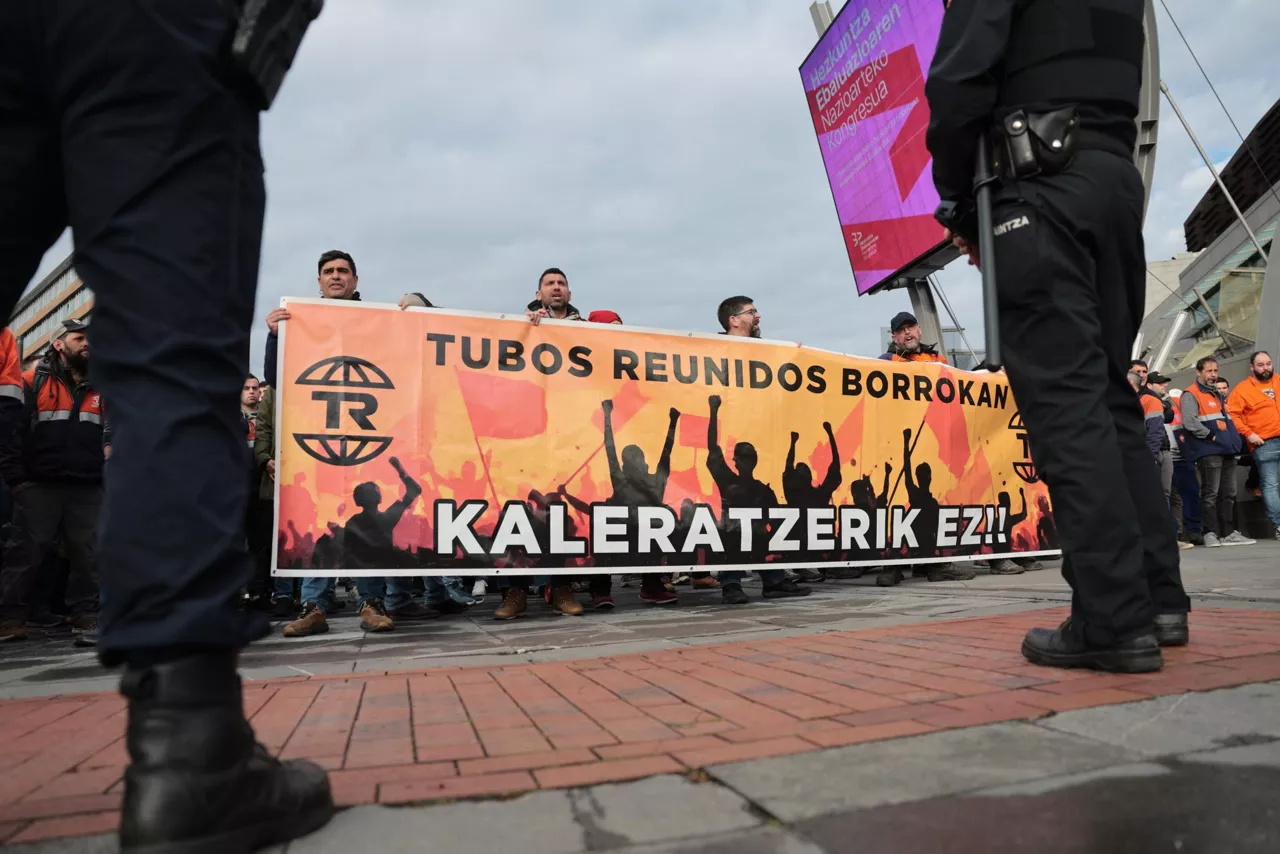
The five investors interested in buying Tubos Reunion will meet with the unions next week

ELA and LAB demand "more leadership" from the government to convene employers to negotiate their own SMI

SpaceX and Tesla are considering merging to create a tech giant backed by Elon Musk
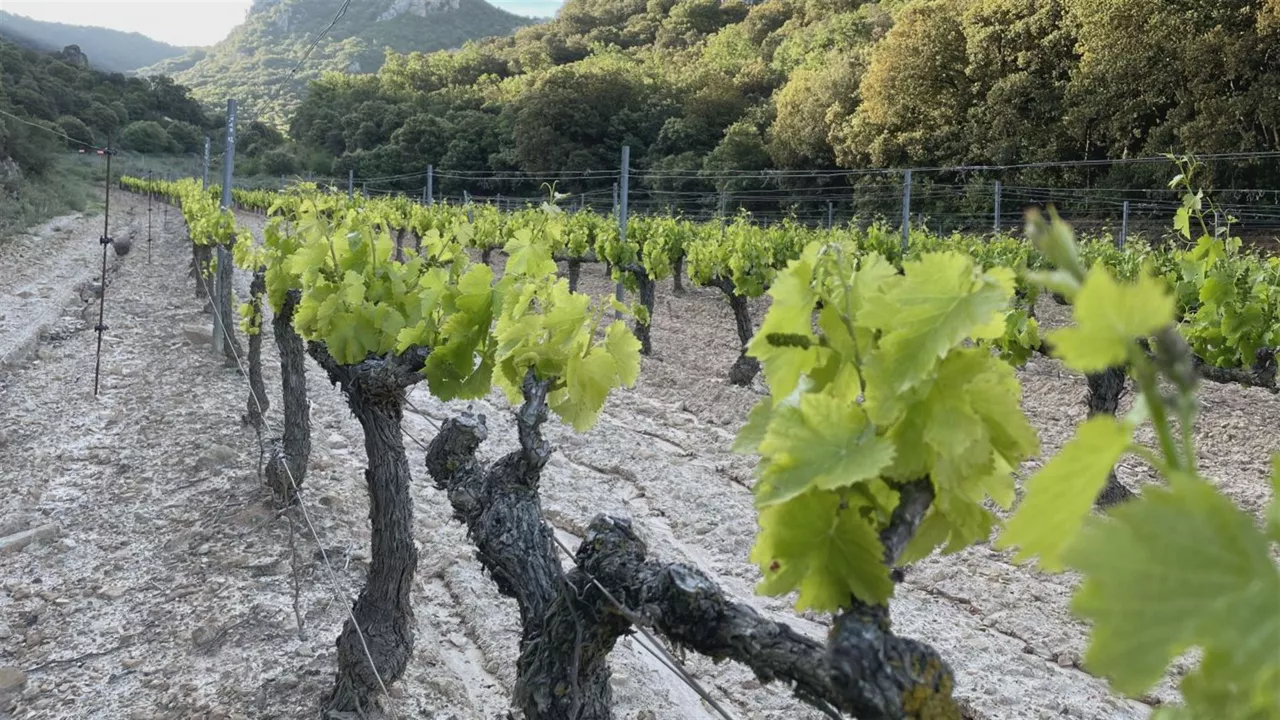
Wine unions announce mobilizations in Rioja Alavesa in search of an agreement
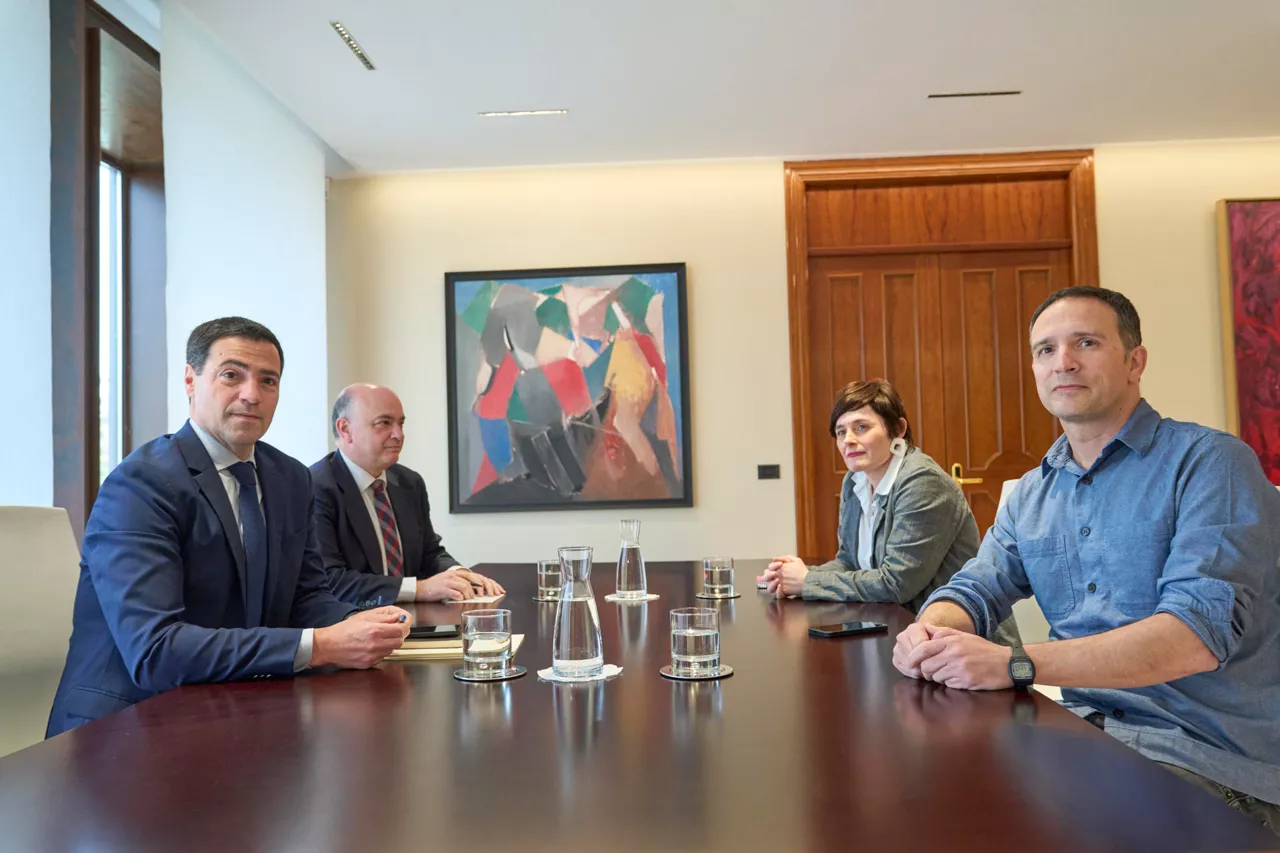
There will be news: the lehendakari meeting with ELA and LAB, the cold front and protests in France

Denis Itxaso advocates new measures to rent empty homes
The average income in the Basque Country increased by 7.2% in 2024, to 28,170 euros
LAB's General Coordinator calls for participation in the November 11 general strike to channel citizens "demands
The top five offers from Tubos Reunion propose reducing staff and changing working conditions