
Portuguese carabela is causing incidents on the beaches of the Basque Country
They have been intercepted in the Zurriola and La Concha of San Sebastián, and in Bizkaia on the beach of Bakio. These animals usually reach the shore by sea currents and wind, and sometimes their bites can be dangerous.


In recent weeks, Portuguese carabelas have appeared on the beaches of the coast of the Basque Country, and in view of their danger, they have decimated the bathing in the waters of the beaches where the presence of these living beings is considerable.
Just on Sunday 20 people were bitten on the beach of La Zurriola in San Sebastián and 40 on the beach of La Concha. In Bizkaia, also in Bakio, Portuguese carabels have been seen. The area is close to where rescuers are sworn in and where necessary preventive measures are taken, such as banning bathing.
Although they look like jellyfish, they are clusters of hydroids. It is an animal that moves according to the currents of hot water, it is shaken on the surface of the water, and some are very small. They are transparent, blue, purple, and are not the only living ones, but colonies of polyps that function as units.
Although in most cases their bites are mild, in some cases they can be dangerous. Human contact can lead to burns, skin reactions, and hives.
What to do if there's a prick
If bitten by a Portuguese carabela, it is important to go to the lifeguard as soon as possible.
It is very important not to use fresh water because it can increase the reaction. It is also not advisable to scratch at the spot of the sting to prevent the animal from releasing more poison. To neutralize the poison and remove the tentacles with tweezers, vinegar can be used.
You might like

Two other men have been arrested in Vitoria on charges of stabbing a minor
Like the five young men arrested earlier, they are between the ages of 19 and 20. The Ertzaintza found a bag with knives and hammers in the car and confiscated them.
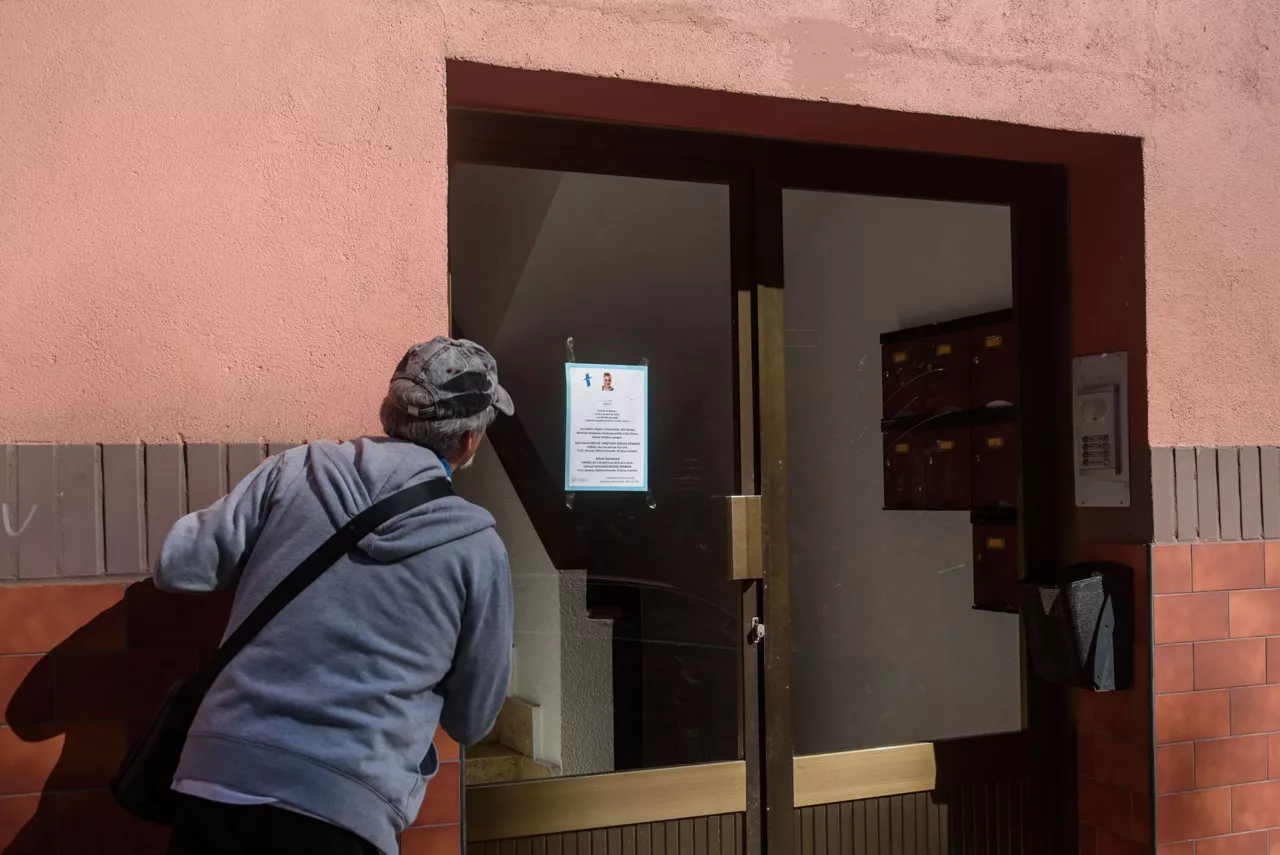
The alleged perpetrator of the macho murder in Basauri is brought before the judge
The 45-year-old man was taken to court around 3 p.m. and at 5 p.m. he was still there.
A 17-year-old escaped a police checkpoint with a car without insurance or ITV in Beriain
The minor stole the keys to the car from the mother and after a dangerous chase asked the agents "if it would be published in the Insta."
The five young men arrested in Murgia for stabbing a minor are still in police custody
The attack took place on Thursday afternoon on Oto Avenue in Vitoria-Gasteiz.
A man has been arrested in Barakaldo on charges of threatening police officers with knives to deal with a violent robbery
The officers tried to stop the man with a taser gun, and seeing that they didn't get it, they shot him in the leg.

Another rally this afternoon in Basauri to condemn the macho murder
It will be at 12:00 in the A-25 square in the town of Biscay, the same place as the feminist groups held yesterday.
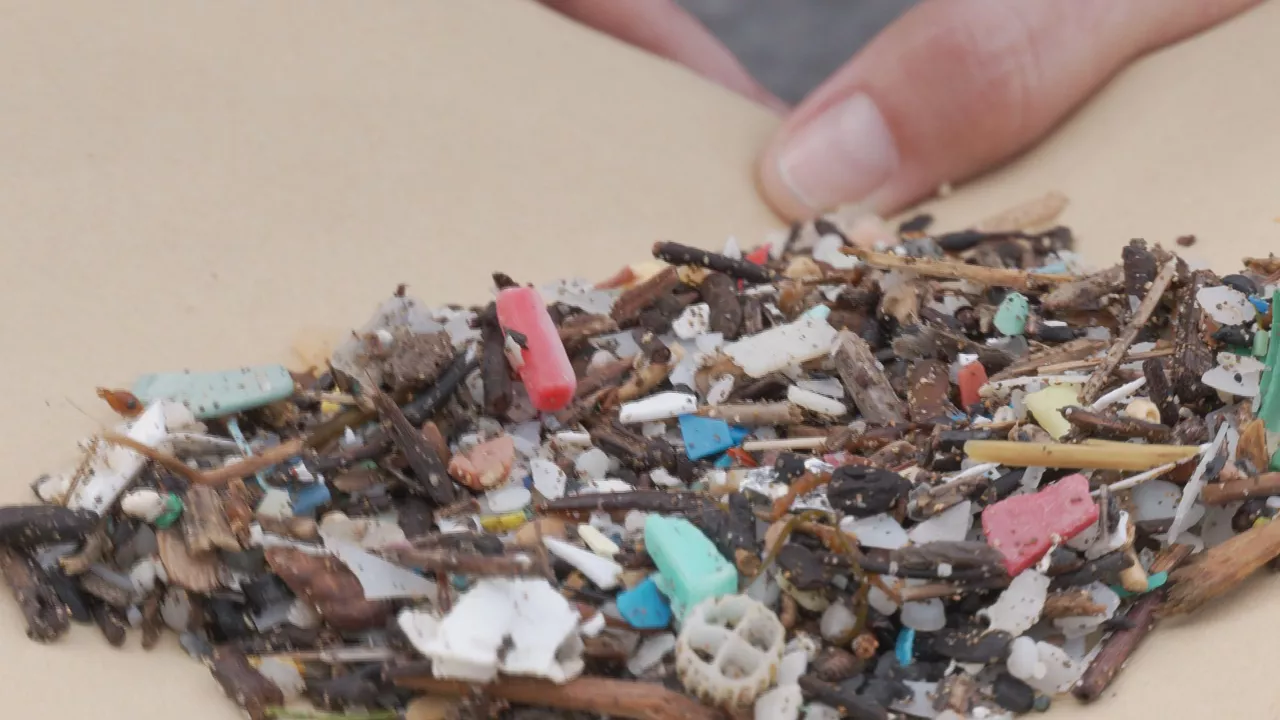
Escape the beach, full of microplastics
Due to the storms of the last few days, the beach of Itzurun in Zumaia appeared yesterday full of microplastics. Naiara Malave, a member of Begi Bistan who works in the Geopark of the Basque Coast, stresses that the problem is global and one of the consequences of the excessive use of plastic in recent decades.
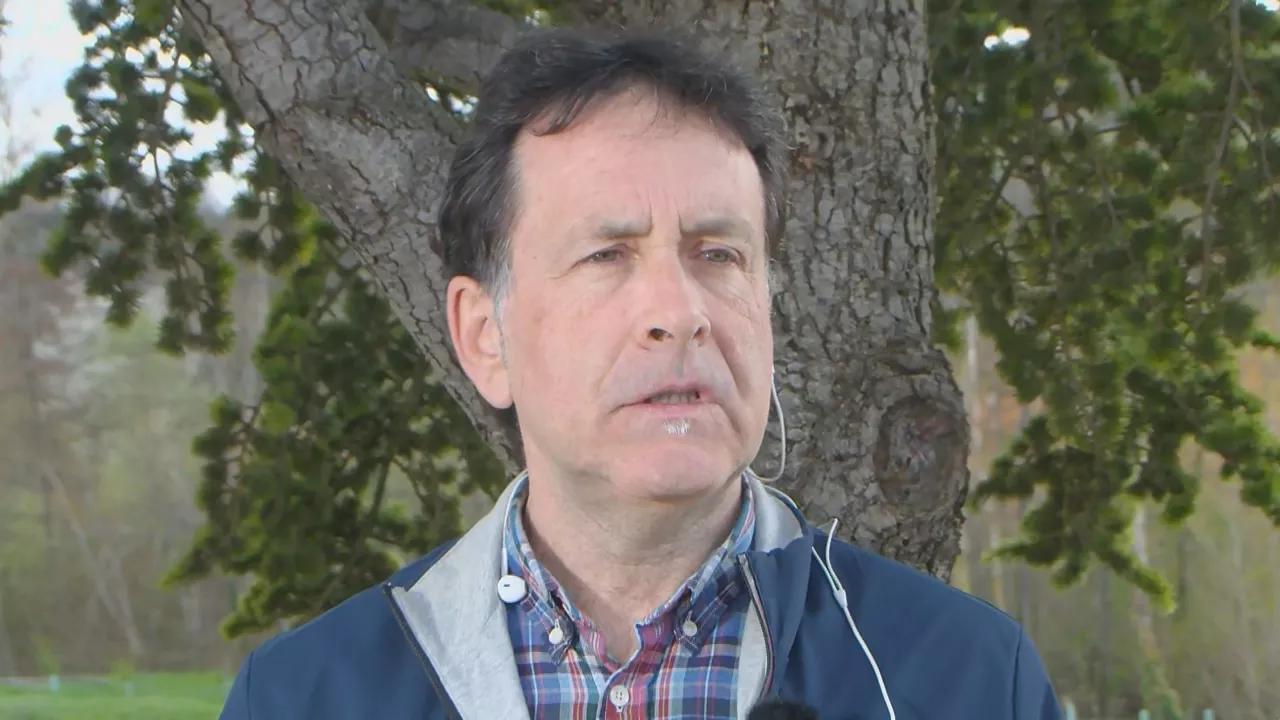
Asier Iragorri, mayor of Basauri: "Even today you hear speeches that macho violence does not exist."
The mayor of Basauri has "strongly" condemned the macho murder in the municipality and regretted that there are still speeches among the population saying that male violence "does not exist" or that they play down the problem, so he believes that work needs to be done from all quarters to be able to address the issue.

Basauri feminist groups have called for a rally this afternoon
In the face of this new macho murder, theFeminist Assembly of Asauri and Coordinator Emakumeok Bat have asked citizens to take tothestreets and express their condemnation A0, ensuring that social mobilization in the face of "macho terrorism" is a fundamental tool.
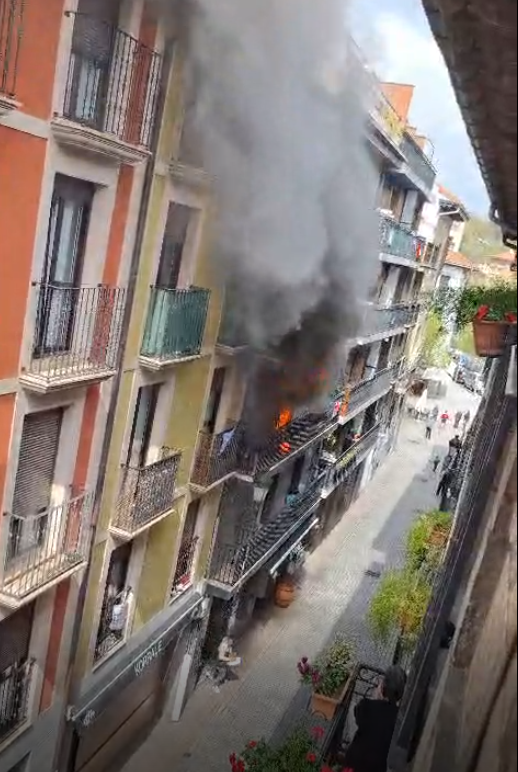
The two people affected by the fire in Azpeitia have been discharged and relocated
The fire, which originated in the afternoon on the second floor, caused significant damage and will now be reviewed by City Council technicians to determine the measures to be taken and to investigate the causes of the fire.