Osakidetza will launch a flu vaccination campaign on Monday for people over 60 and vulnerable citizens
Osakidetza will also vaccinate children between 6 months and 5 years of age, and those over 2 years of age will be given the nose.


Osakidetza will launch its flu campaignon Monday, October 6, among the target population: children over 60 years of age, children between 6 months and 5 years of age, vulnerable people, with chronic pathologies, pregnant women, social and health service workers, educational centres and essential public service workers.
The Department of Health has provided 786,200 doses of the flu vaccine, while offering the population at risk of SARS-CoV-2 vaccination, chronic pathologies and over 75 years of age.
Flu is generally benign in most cases, but its prevention is "essential in the most vulnerable groups," according to the Department of Health. Last year, 57.5% of people aged 60 or over were vaccinated.
41% of children aged between 6 months and 5 years and 52% of pregnant women.
For the third year in a row, Osakidetza will vaccinate for children between the ages of 6 and 5, not only because of possible health complications, but because it is a population with the ability to transmit the disease to other people.
To avoid the discomfort of the prick, this year too the nasal vaccine will be administered to children between the ages of 2 and 5.
Among the flu vaccines that Osakidetza will use this year will be, in addition to the nasal vaccine, the enhanced vaccine , which was used in people in nursing homes and which this year will be used for the first time in vaccination of people over 75 years of age, as it has enhanced effectiveness.
You might like
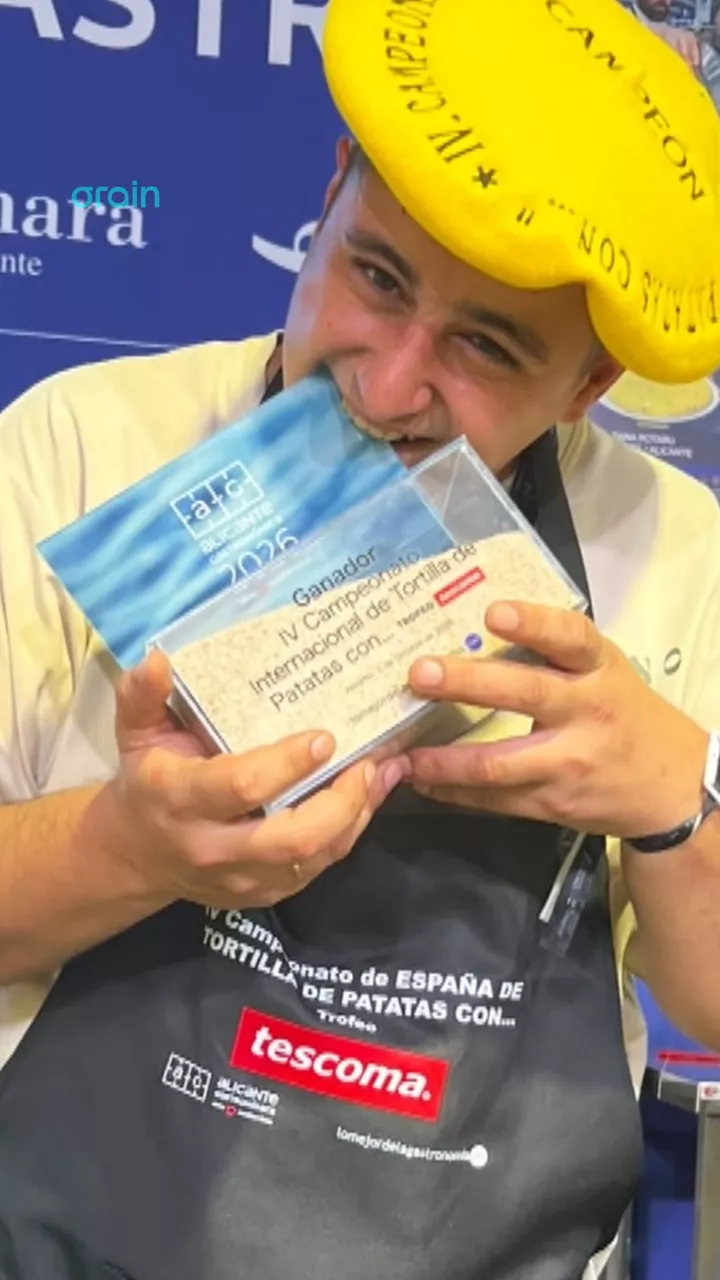
Jon Agirre legazpiarra's ear omelet wins an international competition
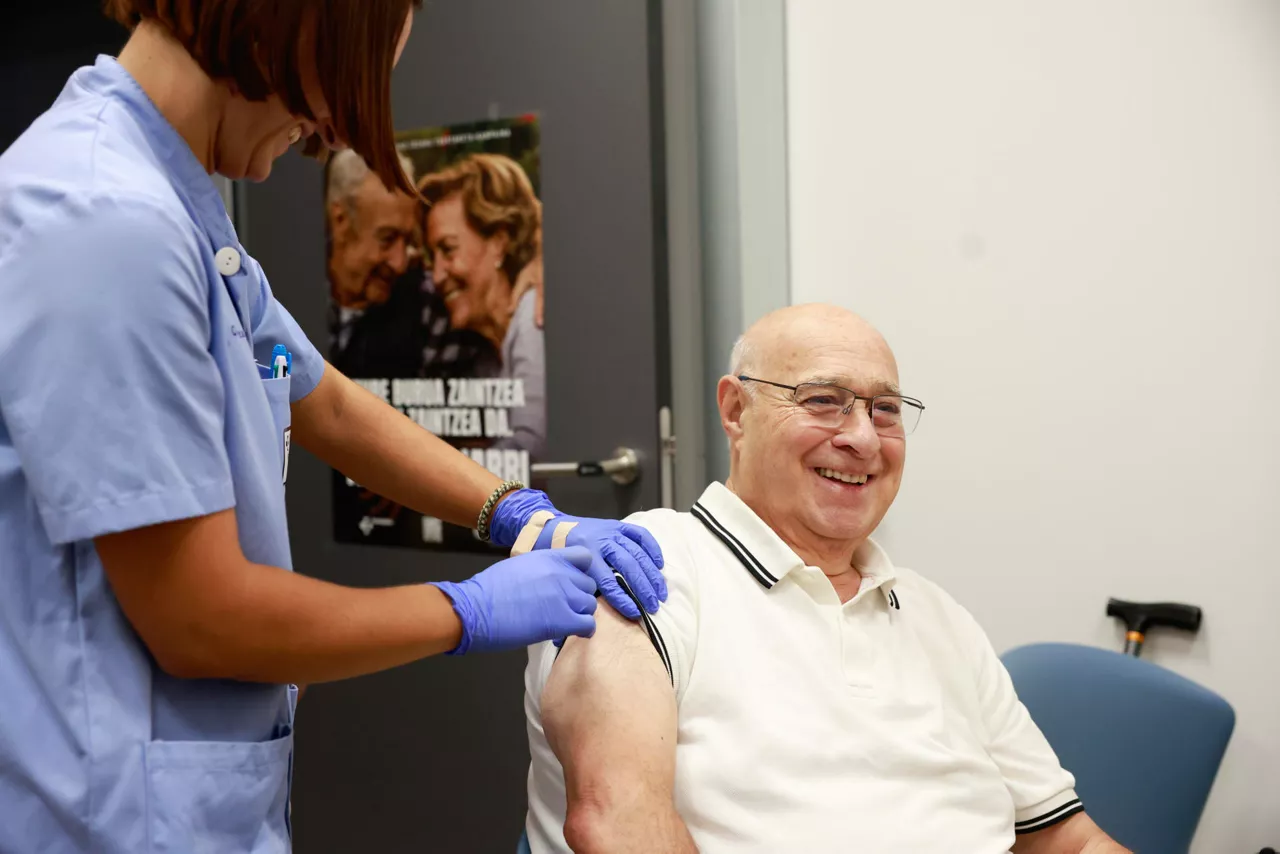
Flu vaccination campaign under way in the CSC
Three wounded in a three-vehicle collision in Mungia
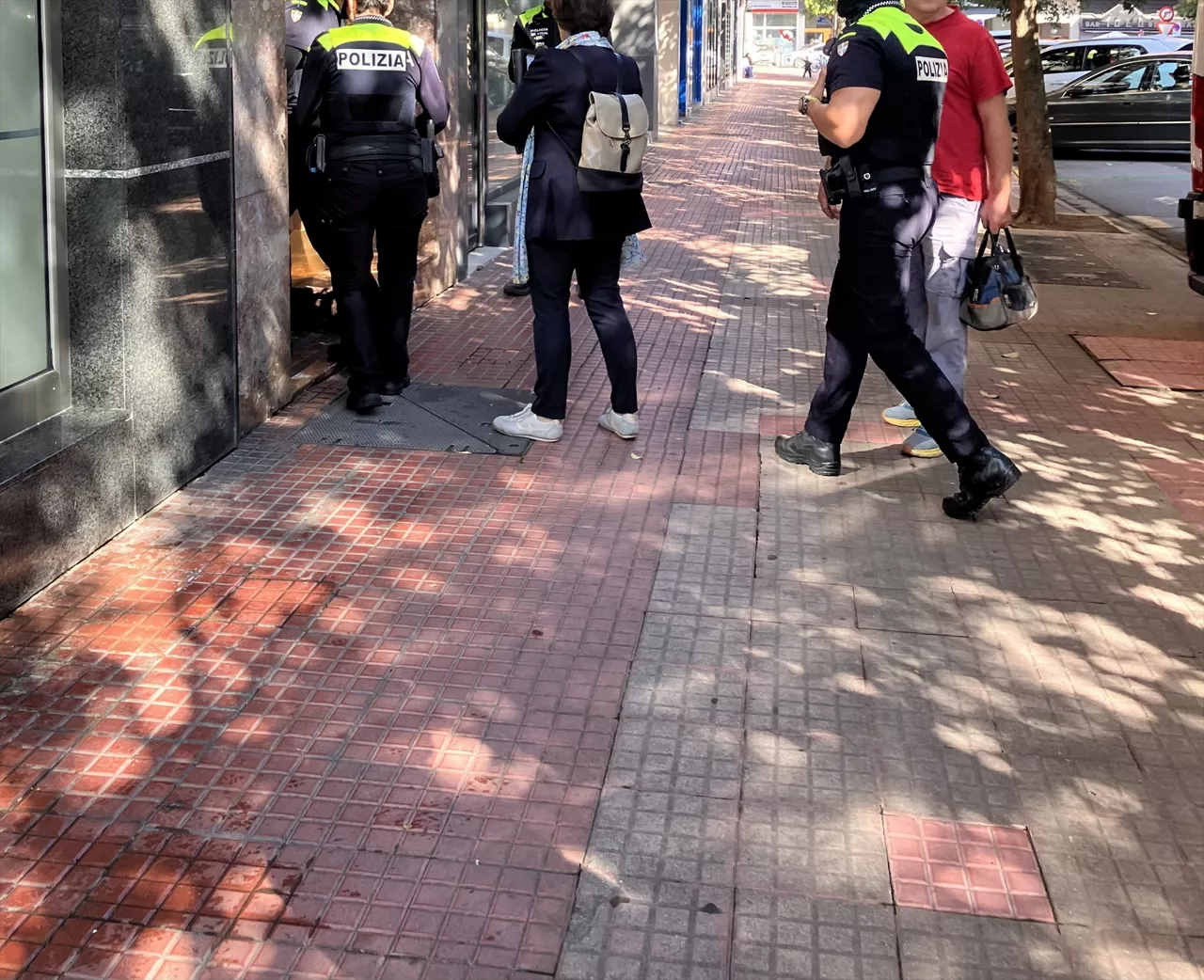
A family with two minors has been evicted in Vitoria-Gasteiz
Pedrosa reiterates the need for self-criticism and accountability in relation to the PISA report
Karl Deisseroth, Peter Hegemann and Georg Nagel have been awarded the Nobel Prize in Medicine

It will be news: the effects of the rains, the decision of Pedro Sánchez and the Bilbao Museum of Fine Arts
A day to try to get back to normal and file claims today in the Old Town of Bilbao
Great atmosphere in Lazkao in the round edition of the Kilometroak party