
The V-16 beacon is now compulsory: how to use it and how to avoid fines
All vehicles must carry the approved beacon from today, which replaces the triangles and sends the location of the vehicle to the DGT.


As of today, the V-16 beacon has become an essential element for replacing traditional pre-signalling triangles in passenger cars, vans, buses, trucks and mixed vehicles, in order to increase road safety so that passengers do not have to leave the vehicle to mark breakdowns or accidents.
The device must have the approval of IDIADA or LCOE, must be loaded into the guanter or place of easy access and, when turned on, must be placed at the top of the vehicle. The beacon sends light and automatically transmits the exact position of the vehicle to the DGT 3.0 platform. This information may be received by other drivers through browsers, applications or variable message panels.
Not wearing a beacon or using an unapproved model carries a light penalty of 80 euros, the same penalty as emergency triangles. However, the DGT insists that "there is no vocation to fine".
In addition, geolocated beacons guarantee complete privacy: the position is transmitted anonymously and only when the device is turned on by an emergency. As long as it is off, it does not signal or track the vehicle.
You might like
A 17-year-old escaped a police checkpoint with a car without insurance or ITV in Beriain
The minor stole the keys to the car from the mother and after a dangerous chase asked the agents "if it would be published in the Insta."
The five young men arrested in Murgia for stabbing a minor are still in police custody
The attack took place on Thursday afternoon on Oto Avenue in Vitoria-Gasteiz.
A man has been arrested in Barakaldo on charges of threatening police officers with knives to deal with a violent robbery
The officers tried to stop the man with a taser gun, and seeing that they didn't get it, they shot him in the leg.

Another rally this afternoon in Basauri to condemn the macho murder
It will be at 12:00 in the A-25 square in the town of Biscay, the same place as the feminist groups held yesterday.

Escape the beach, full of microplastics
Due to the storms of the last few days, the beach of Itzurun in Zumaia appeared yesterday full of microplastics. Naiara Malave, a member of Begi Bistan who works in the Geopark of the Basque Coast, stresses that the problem is global and one of the consequences of the excessive use of plastic in recent decades.
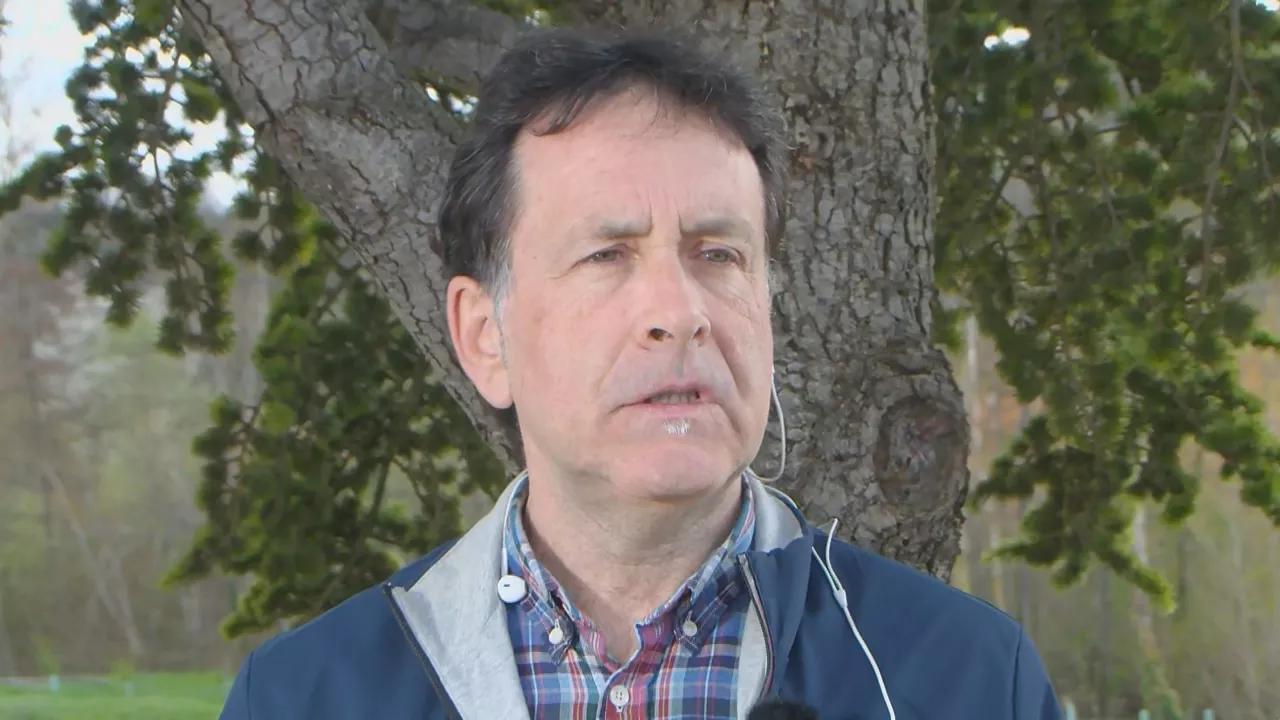
Asier Iragorri, mayor of Basauri: "Even today you hear speeches that macho violence does not exist."
The mayor of Basauri has "strongly" condemned the macho murder in the municipality and regretted that there are still speeches among the population saying that male violence "does not exist" or that they play down the problem, so he believes that work needs to be done from all quarters to be able to address the issue.

Basauri feminist groups have called for a rally this afternoon
In the face of this new macho murder, theFeminist Assembly of Asauri and Coordinator Emakumeok Bat have asked citizens to take tothestreets and express their condemnation A0, ensuring that social mobilization in the face of "macho terrorism" is a fundamental tool.
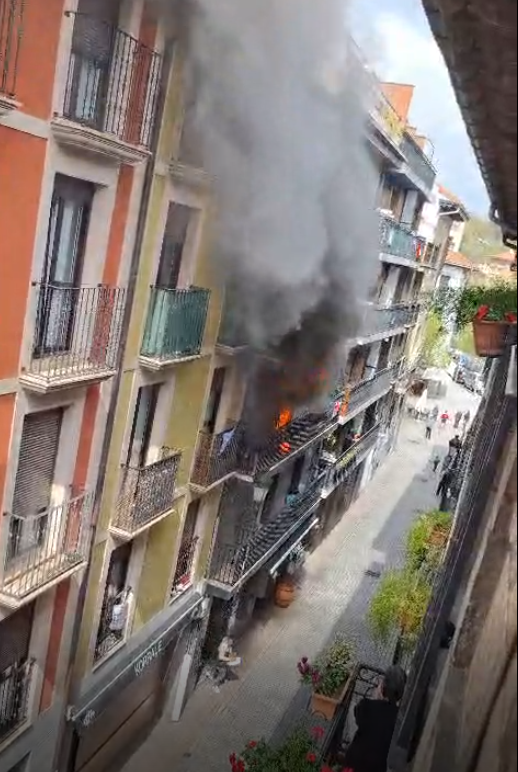
The two people affected by the fire in Azpeitia have been discharged and relocated
The fire, which originated in the afternoon on the second floor, caused significant damage and will now be reviewed by City Council technicians to determine the measures to be taken and to investigate the causes of the fire.
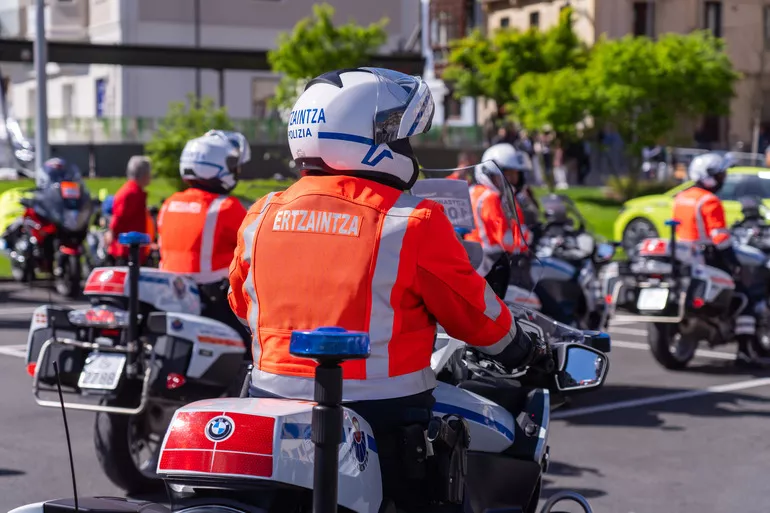
Changes in traffic in Bilbao next Monday due to Itzulia Basque Country 2026
The first stage of the race, a 13.9-kilometre counterclock starting and ending in Bilbao, will result in traffic cuts, parking restrictions and changes in public transport.
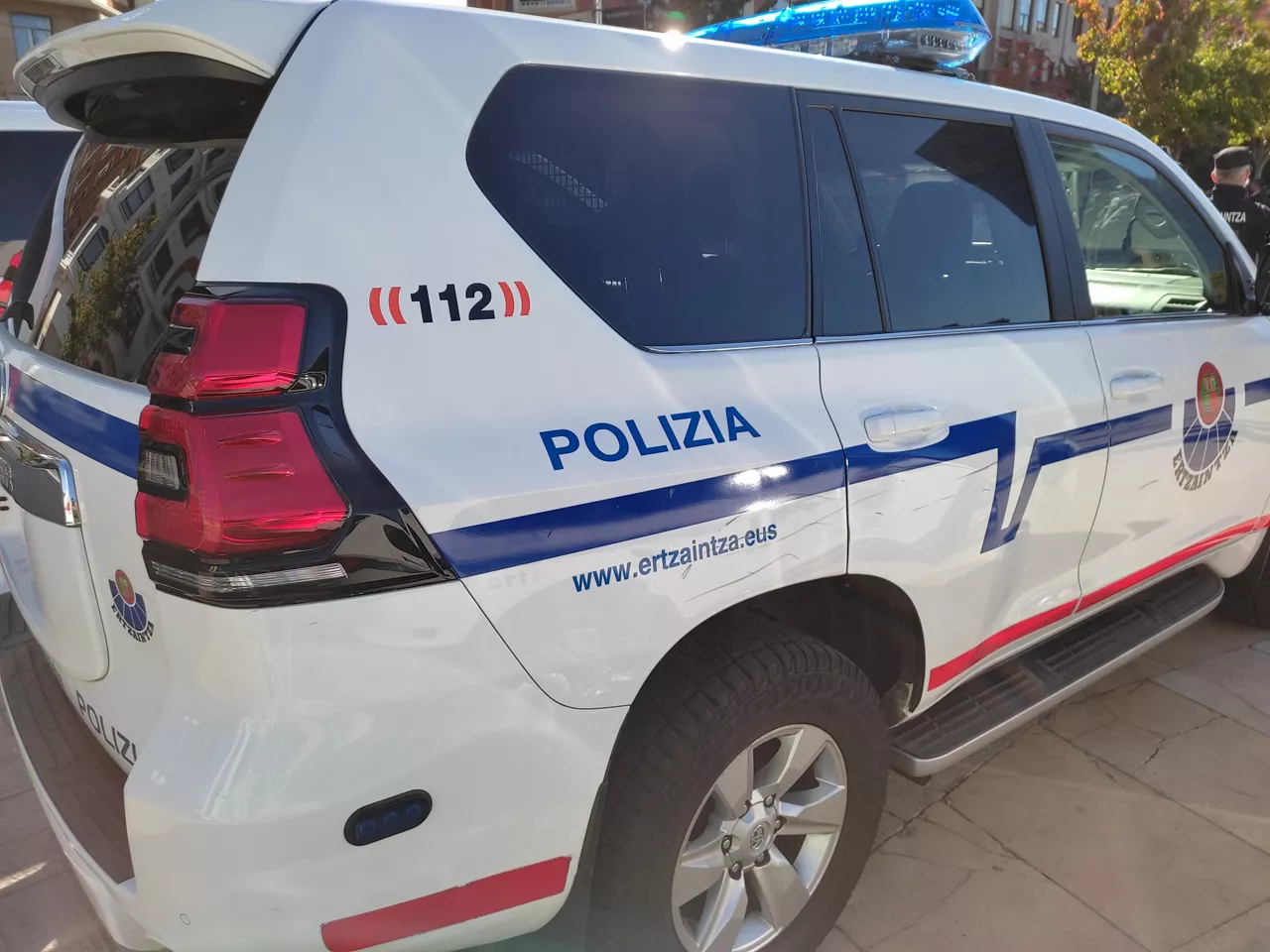
A man has been arrested in Basauri on charges of killing his partner
The victim, a 44-year-old woman, died after becoming unwell.