About 175 children with heart disease are born each year in the Basque Country, more than 85% of whom reach adulthood


In the Basque Autonomous Community (CAV) , around 175 children are born each year with congenital heart disease and, thanks to surgical and therapeutic advances, more than 85%are born to adulthood, according to the Department of Health of the Basque Government and Osakidetza.
Many children have sequels or problems that require specialized follow-up throughout their lives, such as arrhythmias, ventricular dysfunction, valve injuries, single-ventricle problems or lung hypertension, so it is necessary to have multidisciplinary teams that integrate experience both in cardiology and pediatric surgery and in adult care.
On the occasion of Saturday's International Day of Congenital Heart Disease, the Department of Health of the Basque Government and Osakidetza have stressed the importance of having specialized and reference units with multidisciplinary teams capable of providing comprehensive, continuous and adapted care to the complexity of these pathologies.
The Adult Congenital Heart Disease Unit of the Cruces University Hospital is the reference unit in the Basque Country and in the Spanish State, and also has the CSUR State Certificate of Care for Patients of the CAPV and other Autonomous Communities who require a high level of diagnostic, therapeutic and technological specialization. Osakidetza provides comprehensive care in the Unit for Adolescents and Adults with Congenital Heart Disease.
The cross unit takes into account the entire spectrum of complexity , from simple cured injuries to moderate and complex heart disease, and treats the typical effects and problems of adulthood (arrhythmias, ventricular dysfunction, lung hypertension, tromboembolism, endocarditis, or aortic condition).
Many congenital heart disease can be detected in pregnancy controls or in the early days of life, while others are not detected or diagnosed until adulthood, and certain genetic syndromes , such as Down, DiGeorge, Noonan, Williams or Turner, are often associated with this type of heart disease.
Currently, it isestimated that the prevalence of congenital heart injuries is around 250 cases per 100,000 inhabitants, which means that more adults than paediatric people live with congenital heart disease. This demographic change has required the development of specialized care units, such as the Cruces University Hospital, to respond to their clinical complexity and specific follow-up needs.
Change in adult care
Similarly, the change from pediatrics to specialized adult care is a "fundamental process" in the care of congenital heart disease, and at the Cruces University Hospital, the change between paediatric cardiology and the Adult Heart Disease Unit is made through a joint consultation that guarantees a safe and appropriate change for each patient.
This process begins around the age of 15, with information and support sessions to work on clinical, psychosocial and educational aspects, with the aim of making young people aware of their illness, their risks and the necessary care and autonomy to manage their health in adulthood.
Thanks to this structured approach, Osakidetza guarantees a robust care model adapted to the complexity of these pathologies, ensuring coordination between units and subspecialized professionals safe, comprehensive and continuous care at all stages of life.
You might like
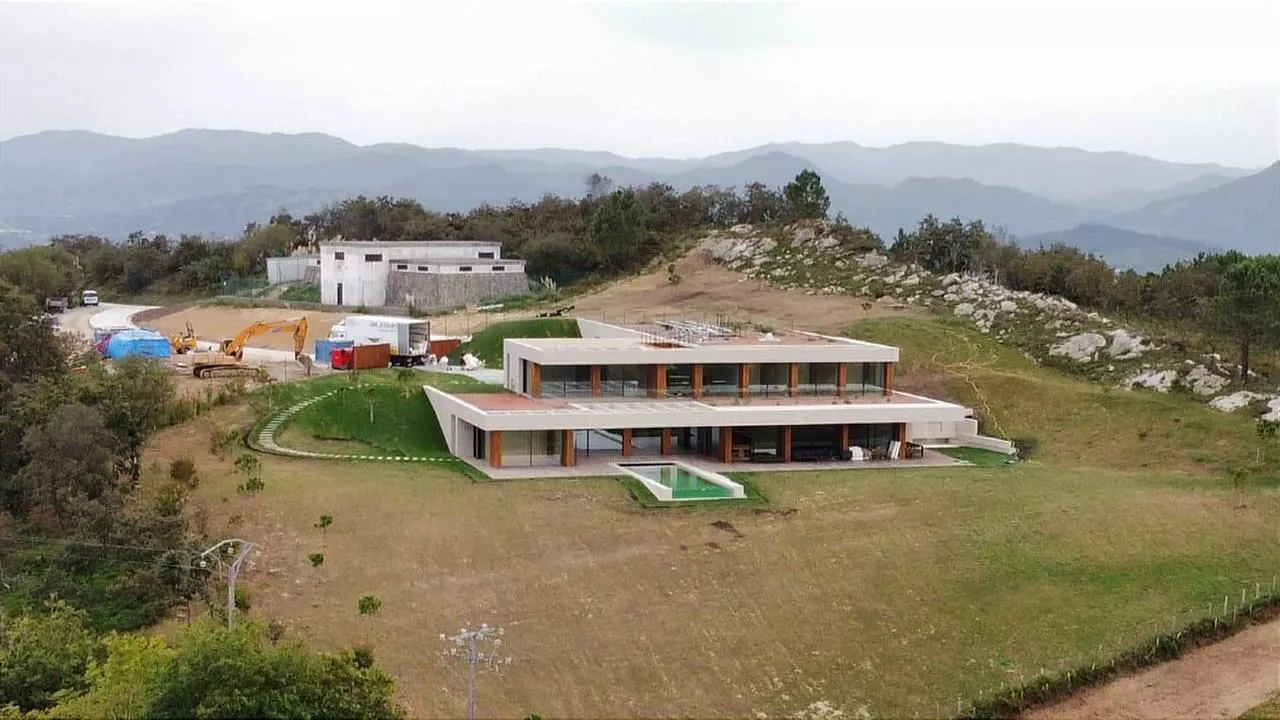
The TSJPV has ruled that the villa built by Xabi Alonso in Igeldo is legal

UPV/EHU will not renew its partnership agreement with CAF after five years of running

Lack of resources is the main cause of teacher stress in the ACV, according to a study
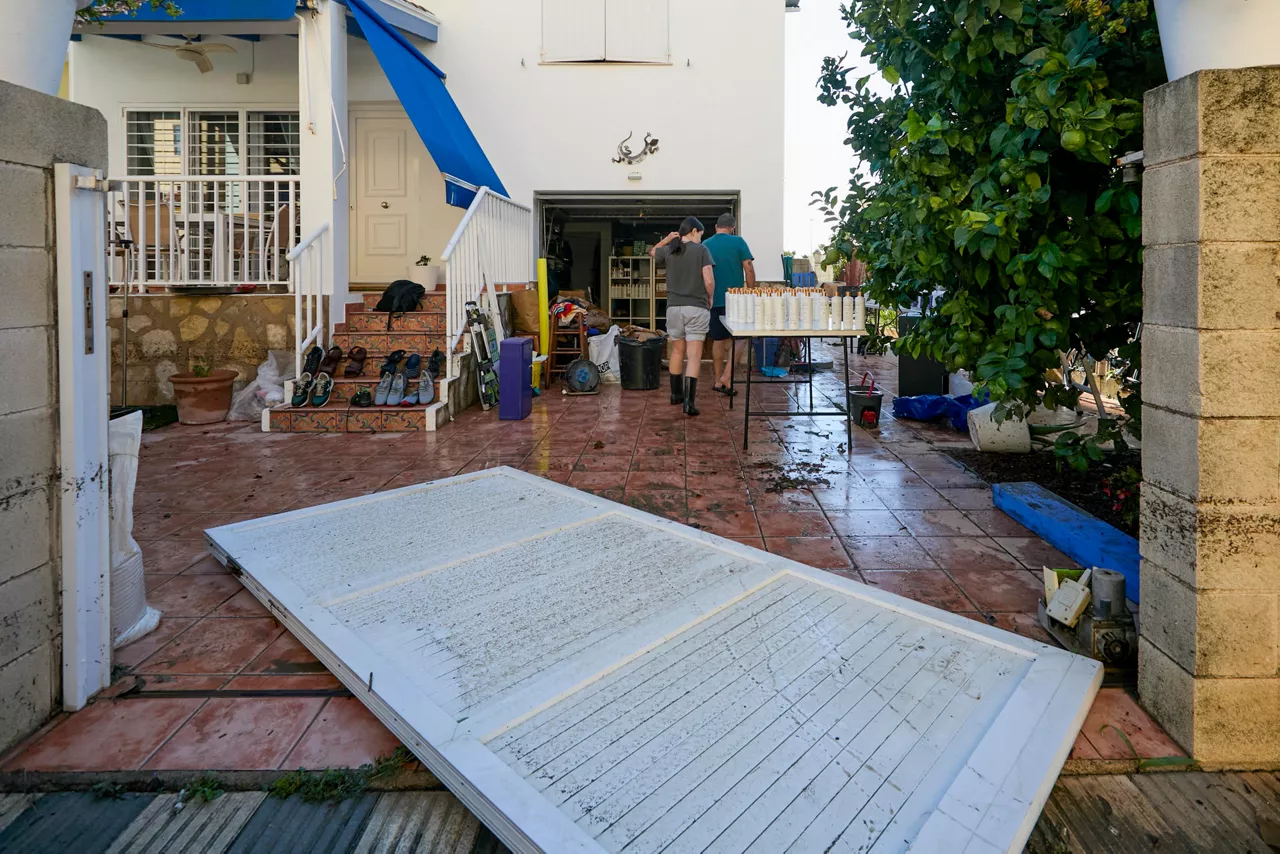
Residents are working to clean up the municipalities most affected by the isolated depression in the Adam Heights
Benta Berri residents will remain on protected rental terms
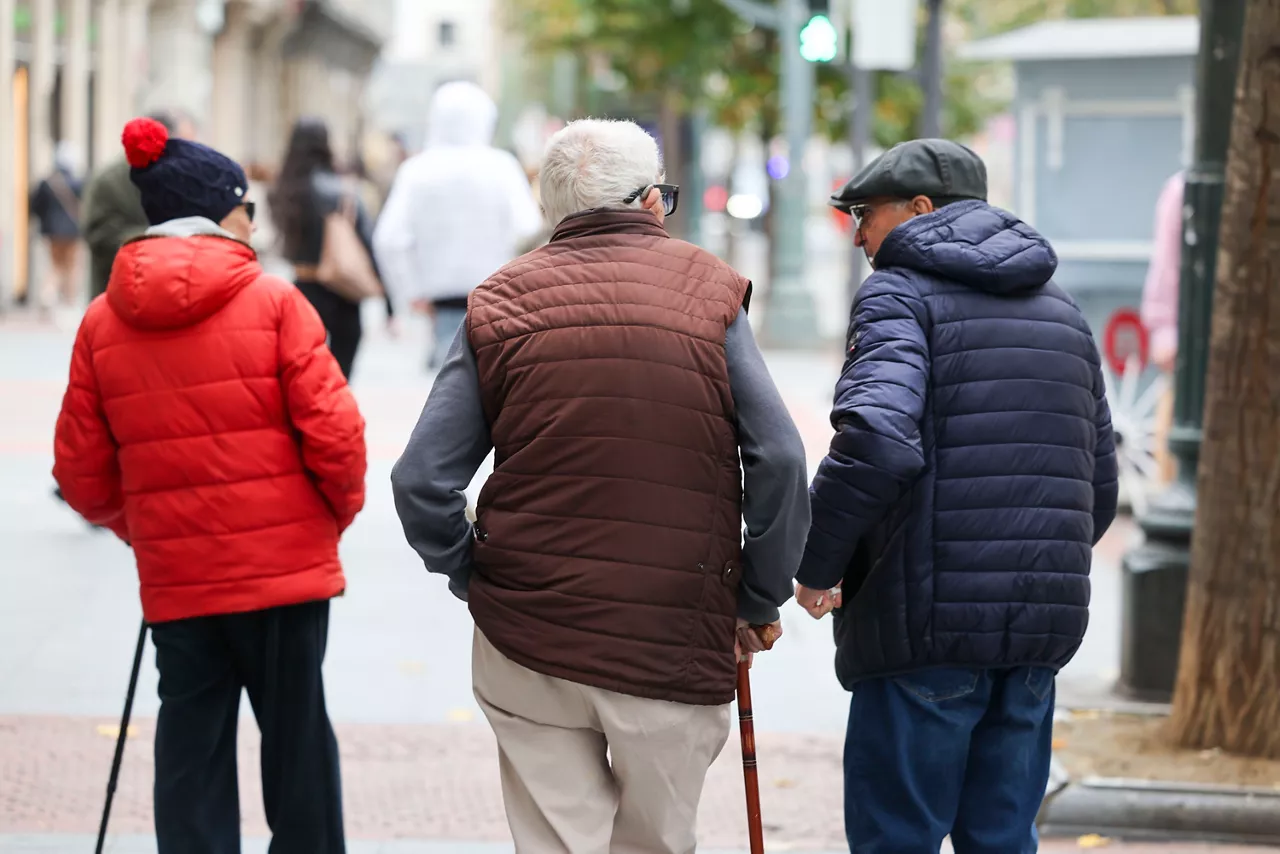
The Council will launch a virtual league between Guipuzcoan municipalities to promote healthy ageing

The storm has left two dead in Valencia, where the government is preparing a restraining order
The remains of Neanderthals have been found for the first time in Navarre in the caves of Abaunz

There will be news: Vaccinations in the ACV and flu vaccination in Navarre, Adam GOIDI and protests in France