
A bacterium frozen 5,000 years ago can withstand ten antibiotics and be useful in producing medicines
The strain has been isolated in an ice cave in Romania and poses a double scenario: it can aggravate microbial resistance if released, but it can also open the door to biotechnological innovations.


A study published in the journal Frontiers in Microbiology has examined the bacterial strain Psychrobacter SC65A.3, which has been isolated in the cave of Scarisoa, Romania, and preserved in ice for about 5,000 years. The study shows that it is resistant to ten types of commonly used antibiotics, including rifampicine, vancomicine or ciprofloxacin.
The team of scientists dug a 25-metre ice core in the Great Hall that covers the timeline up to 13,000 years and sequenced the genome of the strain found, which contains more than 100 genes associated with antibiotic resistance and showed resistance to 28 drugs used in oral and injectable therapies.
According to Cristina Purcarea, a researcher at the Romanian Academy who signed the paper, if the ice melted and these microbes were released, genes could be transferred to current bacteria and the global problem of microbial resistance aggravated. This is the first time antibiotic resistance has been detected in a strain of the genus Psychrobacter, such as trimetoprim, clindamycin or metronidol, used in urinary infections, lung, skin, blood or reproductive system.
However, the discovery also opens up a promising path . The strain can prevent the growth of some resistant superbacteria and has a remarkable enzyme activity with biotechnological potential. In its genome, researchers have identified nearly 600 genes with still unknown functions and 11 genes with the potential to eliminate or stop the growth of bacteria, fungi and viruses.
According to the SC65A.3 profile, cold-adapted microorganisms can act as a natural reservoir of resistance genes, providing new keys to how these mechanisms evolve and spread in nature.
Purcarea has stressed that these old bacteria are essential for science and medicine, but has stressed that they must be manipulated with extreme safety measures to avoid the risks of uncontrolled spread.
You might like
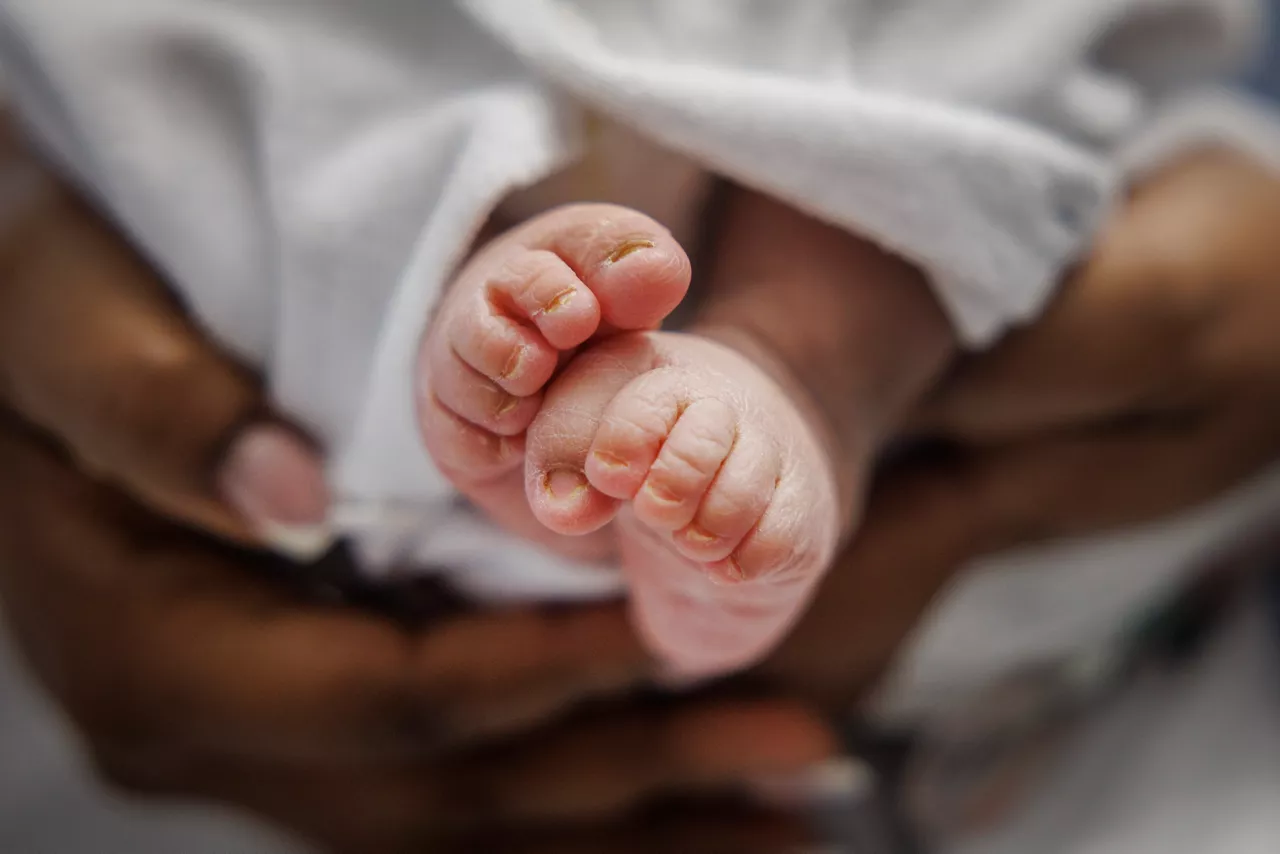
The Basque Government approves an investment of EUR 817 million until 2030 to help families, children and adolescents
Among the measures included in the new Inter-Agency Plan for Support for Families, Children and Adolescents (2026-2030) is the assistance of EUR 200 per month to families until the child reaches the age of four. The new measure will be approved by the Government in the first quarter of this year and will take effect from 1 January 2026.
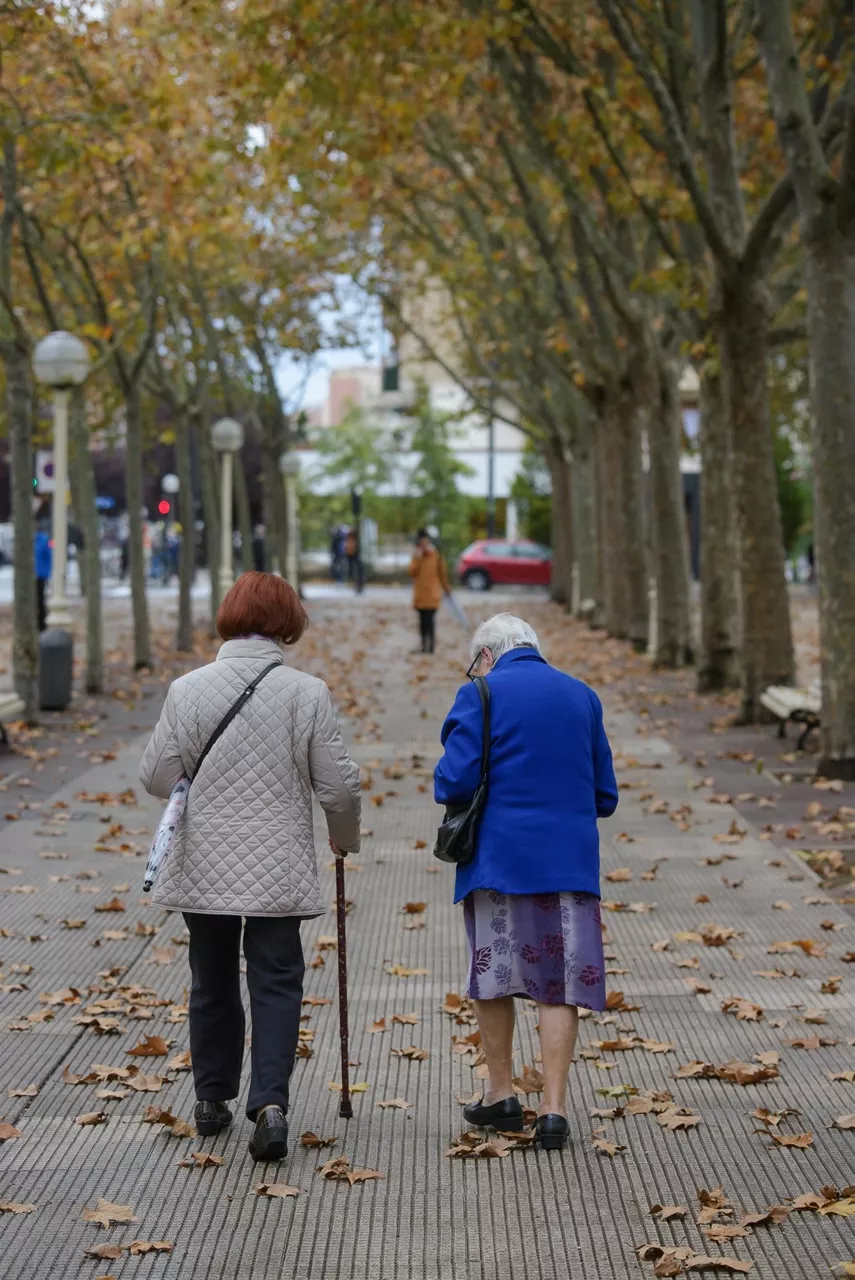
According to a study by Emakunde, living alone is "a learning, an opportunity" for many older women
According to the report 'Elderly women living alone in the Basque Country: social leave granted?', living alone does not mean living alone, as can be seen from society's stereotyped image of older women.
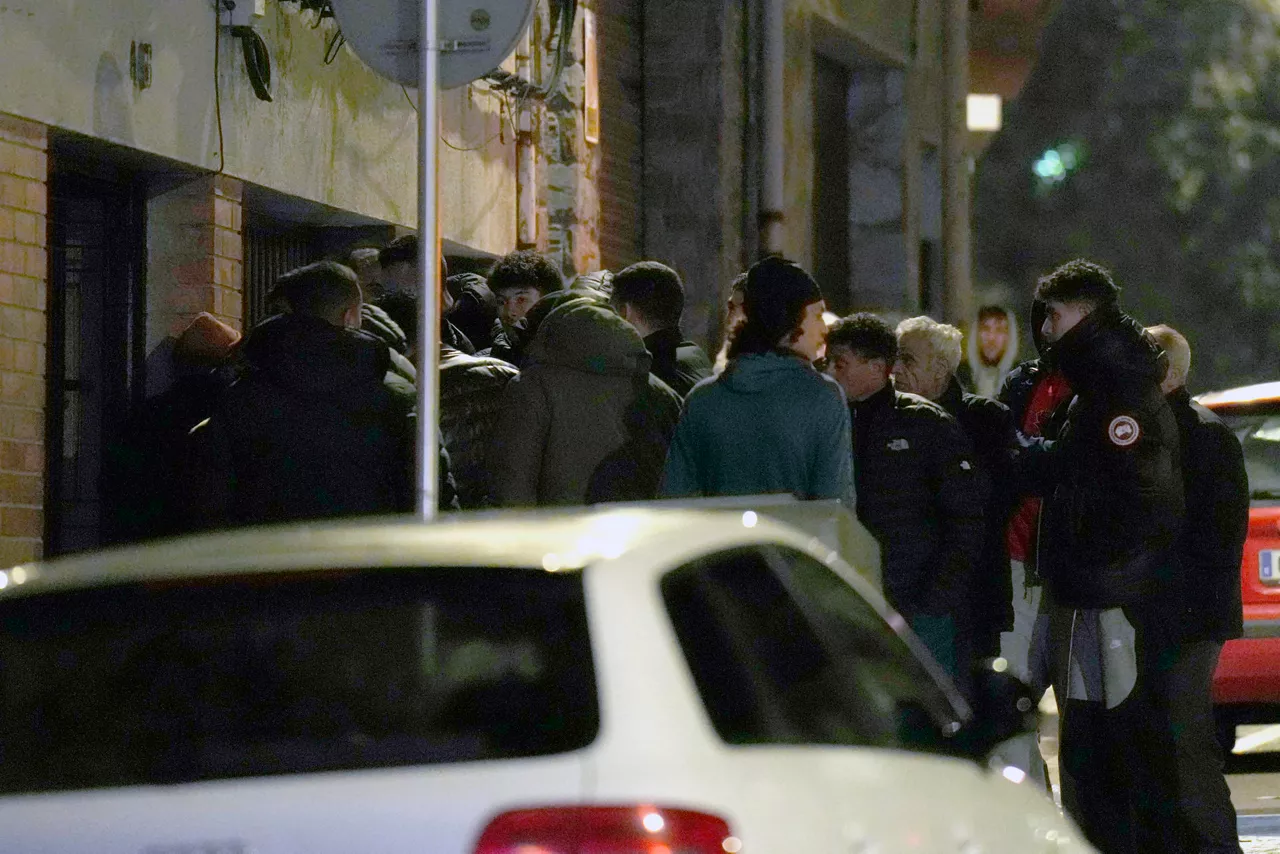
Five young men die in a fire in a storage room in Manlleu, Barcelona
The five young men used the storage room as an "intersection" and it is not yet clear what they were doing when the fire broke out. The Mosses have ruled out the use of the storage room as a place of residence.
Several secondary roads in Bizkaia and Gipuzkoa have been cut off by landslides and water rafts
The GI-3440 road has been completely cut off in Lezo and more landslides have occurred on the roads of Gipuzkoa. In Bizkaia there have been incidents in the Trapagaran area and it has been recommended to drive cautiously due to water rafts.

Withholding of at least five kilometres on the BI-10 road in Barakaldo as a result of a two-vehicle accident
The accident occurred at kilometre 124 in the Irun sense and is having a major impact on traffic.
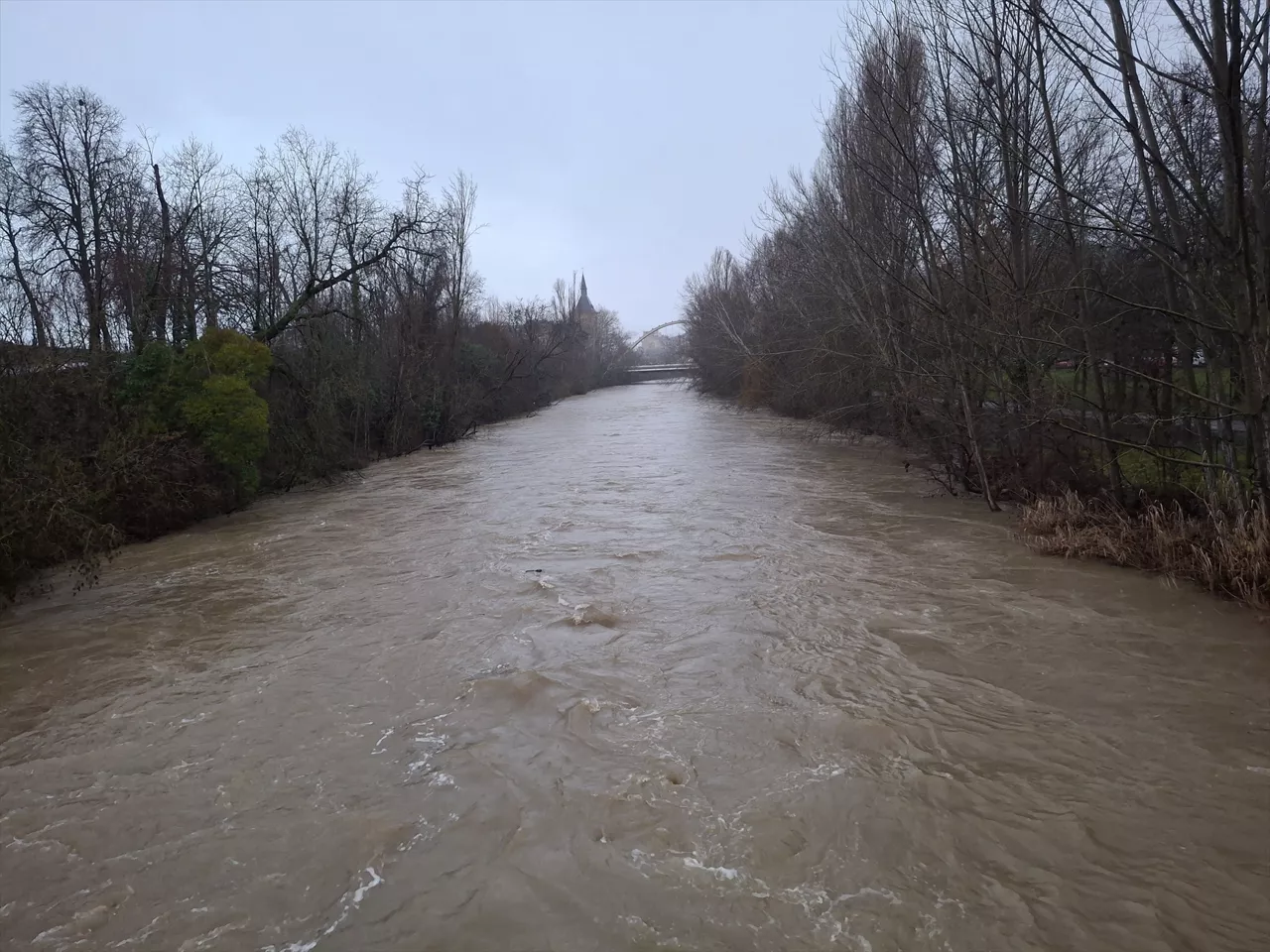
The situation of the rivers, when will it stop? and the strike in Tubos Reunidos
A summary, in two words, of what will be news in the Present today.
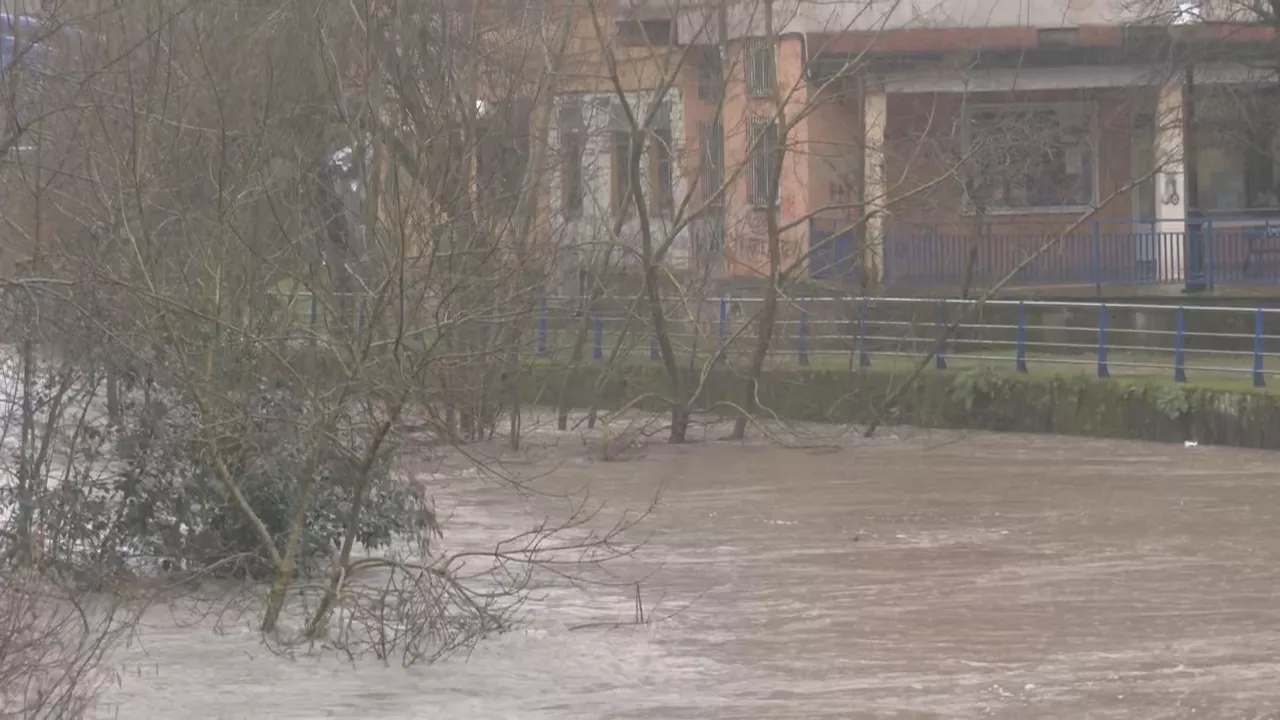
After the rivers were overflowing during the night, the situation has improved
Heavy rainfall has caused flooding in many areas, garages and homes, especially in the Butron River basin, which has affected 36 residents in Maruri.
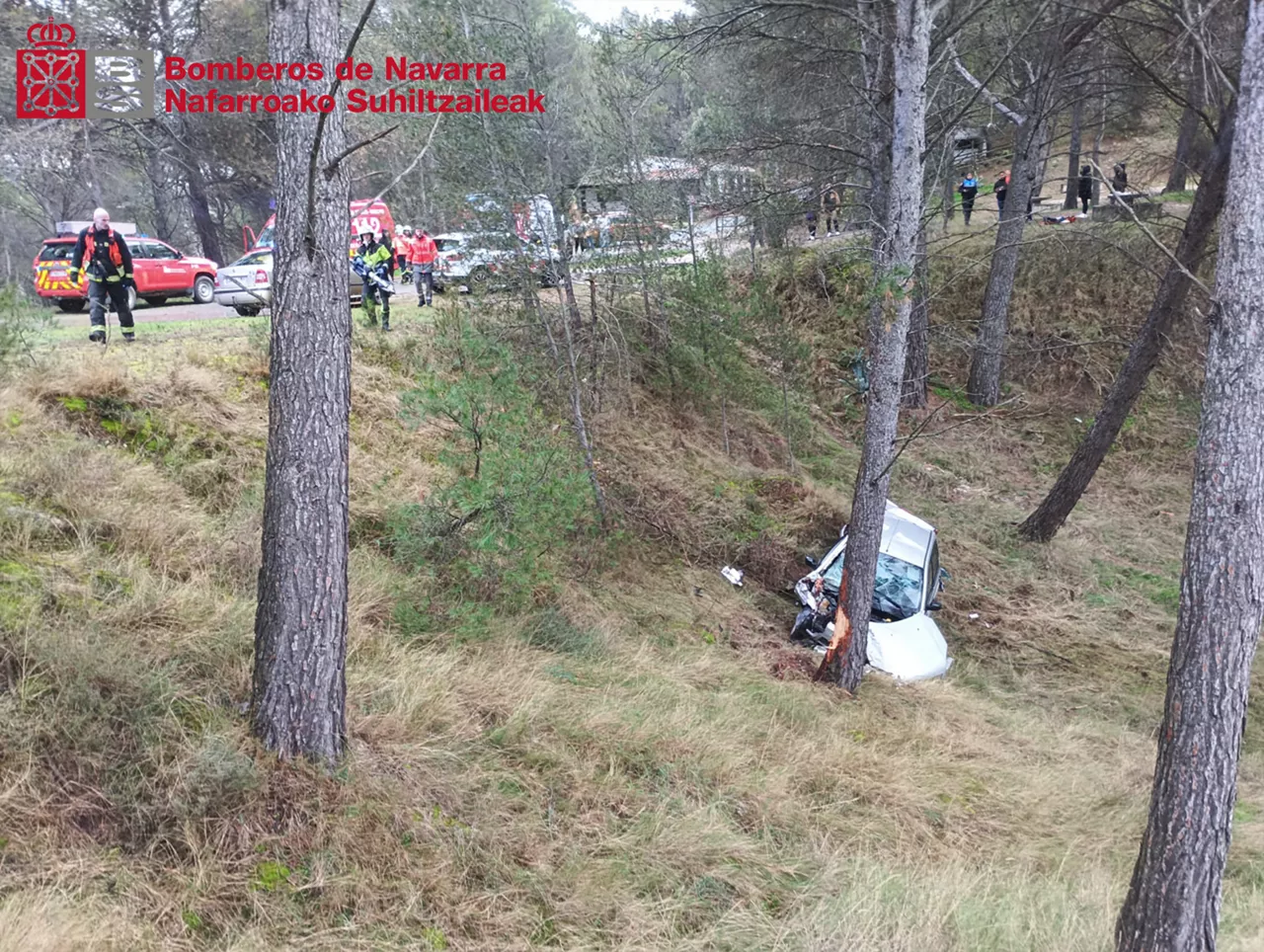
Six people have been injured in Falces after their car left the track
All the wounded have been taken to hospital and admitted with reserved prognosis, five of them minors.
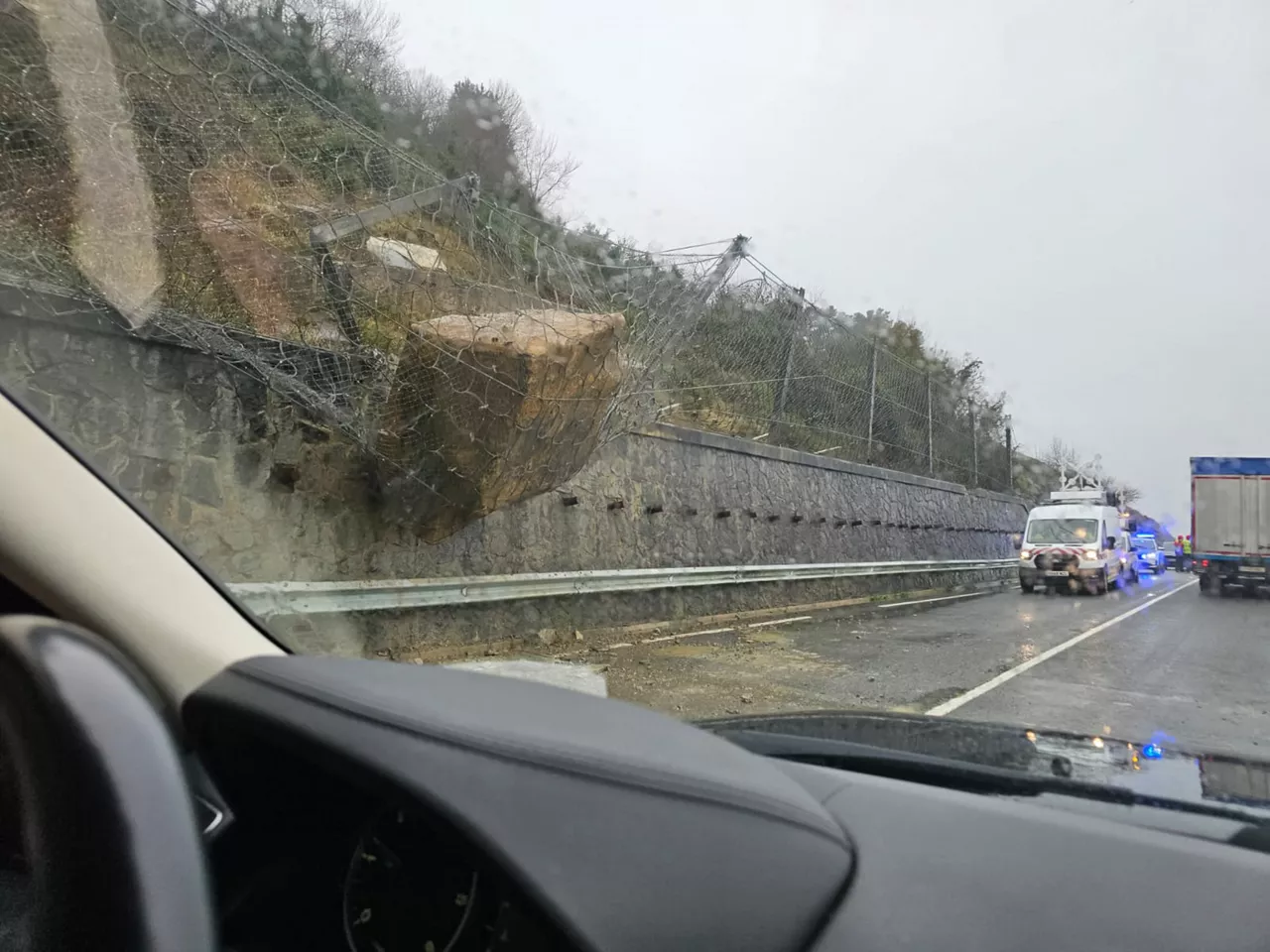
The road between Getaria and Zarautz has been cut off by several landslides
Just after noon, a stone of enormous dimensions has fallen down the mountain, and the iron net has held it.