
The Basque Government has warned of the high consumption of alcohol and psychopaths among people over 65 years of age


The Department of Health of the Basque Government has warned of the high prevalence of regular consumption of alcohol and psychopaths among the population over 65 years of age in the CSC, as evidenced by a report by the Directorate of Public Health and Addictions, which states that almost 40% of men consume alcohol on a daily basis and that the use of sleeping and sedative agents is increasing among women.
This Thursday the pioneering study based on the latest Basque Country Addiction Survey, chaired by Health Counselor Alberto Martínez, was presented at the meeting of theBasque Councilof Addictions in Vitoria-Gasteiz.
The report shows that most older people do not have problematic consumption, but there are certain substances that use them frequently and continuously, which can have serious consequences for their health, both because of age and the presence of chronic diseases and polymedication.
Data by type of substance
Withregard to alcohol consumption, the data show that this substance is very present in the daily lives of the elderly in the CSC. Two-thirds of men and one-third of women have consumed alcohol in the last month, while 40% of men consume alcohol daily, many of them compared to young adults. Moreover, half of the elderly believe that drinking one or two drinks a day does not cause problems, indicating a low perception of risk.
Withregard to the consumption of psychopaths, where women have significantly higher prevalence than men, the study shows that almost half of older people have ever taken sedatives, sleep inducers, or antidepressants, and about a third have taken them in the last year. Sedatives and sleeping pills are the most widely used drugs, and are used very continuously, and many women consume them on a daily basis.

The combination of these two substances is particularly dangerous, the Department of Health has warned. About 5% of the elderly consume alcohol and psychopaths on a daily basis, a mixture that significantly increases the risks of collateral damage, falls, develops cognitive impairment, cardiovascular problems or hospitalizations. The Department of Health considers this combined consumption to be "particularly worrying and should be monitored closely."
Withregard to tobacco, the study shows that about 8 per cent of older people currently smoke tobacco, a smaller number than the general adult population. However, almost half of older men have been daily smokers at some point in their lives, which shows a significant cumulative impact on their health. The report also points out that there are many more men leaving tobacco than women. The Department of Health and Osakidetza will therefore strengthen programmes specifically targeted at women to help them overcome their addiction.
Money games
On the other hand, the study shows that gambling involving money is quite common among the elderly: around 60% have played in the last year and is more common among men. However, in most cases there are sporadic practices, with little money, usually associated with traditional face-to-face games, such as lottery. Unlike at younger ages, where online modes involve additional risks, cases of problematic gambling in the elderly are not many, and it is not a public health problem.
Prevention and awareness-raising
The Department of Health has announceda numberof priority lines of action , including raising awareness of alcohol consumption among older men , reviewing the chronic use of psychopaths, especially in women, and systematically asking about alcohol consumption for prescription.
Non-pharmacological interventions will also be promoted to combat insomnia and anxiety, such as psychological support or adapted physical activity or community resources.
At the same time, information campaigns will be promoted for families and caregivers so that they can detect signs of danger and contribute to changing the habits of the elderly.
Addictions Plan
The meeting of theBasque Councilof Addictions , which brings together the main organizations and social entities working in the field of addictions in theBasque Country, has also reviewed the progress of the Eighth Plan of Addictions of the Basque Country for the period 2023-2027 , which continues to deploy its comprehensive strategy.

You might like

Five people have been injured in an accident in Cascante
Four vehicles have collided and five people have been taken to hospital.

Buses between Bilbao and Vitoria will be discounted from now on
If the administrative error of the Provincial Council of Bizkaia is corrected, multi-purpose bonds will have a minimum discount of 40%.
A man has been arrested in Sarriguren on charges of killing his wife and seriously injuring his mother
The events took place in the Egüés Valley (Navarre) around 7.30 p.m.

Hendaia Village House has claimed that the fines imposed for improper parking are true
The Basque Government's Department of Security reported on Thursday that mail letters collecting fines from several residents of the Bidasoa region were fraudulent.

A man has been sentenced in Bizkaia to 11 years for breaking into and raping his former partner's home without permission
They had been a couple for six years, although they did not live together. 2021 In November the girl terminated her relationship, but the man asked her to stay in touch, and to that end, on the morning of 22 November 2021, she entered the woman's house without her consent and raped her.

Baskonia will receive the support of hundreds of fans in Valencia
About a thousand followers of Baskonia have travelled to Valencia on the occasion of the 2026 King's Cup.
8 years in prison for the driver who killed three people while driving in the opposite direction in Legorreta
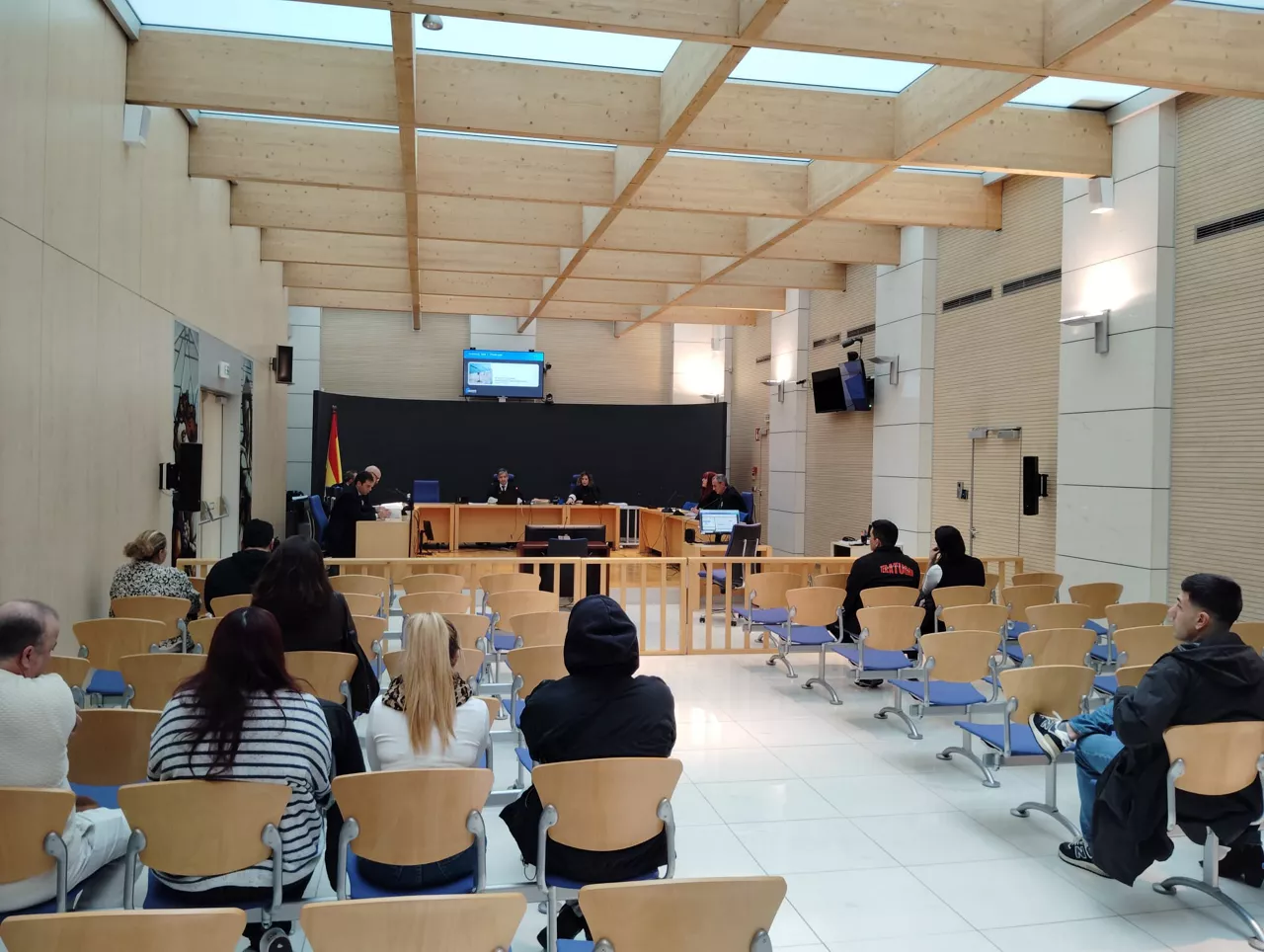
The charges and the defence have reached an agreement of conformity today and the accused has admitted his guilt, so there is no need to continue the trial. At this Friday's hearing at the Gipuzkoa Court, the defendant apologized to the families of the victims in tears.

Five arrested in Pamplona for forcing immigrant women into prostitution
Women were attracted to their countries of origin, offering "attractive employment contracts"; then, when they were in Navarre, they were threatened and forced into prostitution.

In Bayonne the Adour has overflowed with the high tide, because of the storms of the last few days
The Adour River has overflowed in Bayonne this Thursday. When the heavy rain and the high tide have come together in the last few days, either at six o'clock in the morning or in the afternoon, the river has left its course.