The nationalist prime minister wins the election in Kosovo, but without an absolute majority
According to the poll following the closure of the polling stations, the Self-determination Party has won 44.1% of the votes, 49 out of 120 seats in the Parliament, one more than in the February elections.

Prime Minister Albin Kurti voting in Sunday's election.

Acting Prime Minister Albin Kurti's Self-determination (Vetëvendosje) party won the election in Kosovo on Sunday with around 44%of the vote, according to the first projections, but without an absolute majority.
According to a poll released by the 'Klan Kosova' network after the polling stations closed at 6 p.m., the Self-determination Party has won 49 of the 120 seats in the Parliament of Votes, one more than in the February elections .
Kosovo has been plunged into political paralysis since February, when the ruling nationalist party lost the absolute majority it obtained in 2021 and failed to secure support for the formation of a government.
According to the same poll, the opposition Kosovo Democratic Party (PDK) is the second largest force with 23.9% of the vote. That would give him 27 seats, and the Kosovo Democratic League (LDK) would be third, with 16.1% of the votes and 18 deputies.
In the February elections, the PDK won 24 seats and the LDK 20, so these projections are very similar to the results of the previous election.
Twenty seats are reserved for ethnic minorities in the former Serbian province (ten for Serbs and the rest for Romanians and Bosnians).
Both Serbia and five Member States of the European Union\u00A0 (EU) (Spain, Romania, Greece, Slovakia and Cyprus) do not recognise independence.
Since 2021 there has been an escalation of tension with Serbia and tensions with the European Union (EU) and the United States (Kosovo's main allies). TheEUexpects a government ready to revive the normalization dialogue with Serbia, a prerequisite for Serbia and Kosovo to move forward in their integration into the Community bloc.
In 2023, the European Commission imposed diplomatic sanctions and froze funds for Kosovo, but European Commission President Ursula von der Leyen promised this very December that financial aid would be resumed. Of course, if the Parmoor is unable to form a government again, Kosovo risks losing the funds of the EU Growth Plan for the Western Balkans , which amounts to EUR 6 billion.
You might like
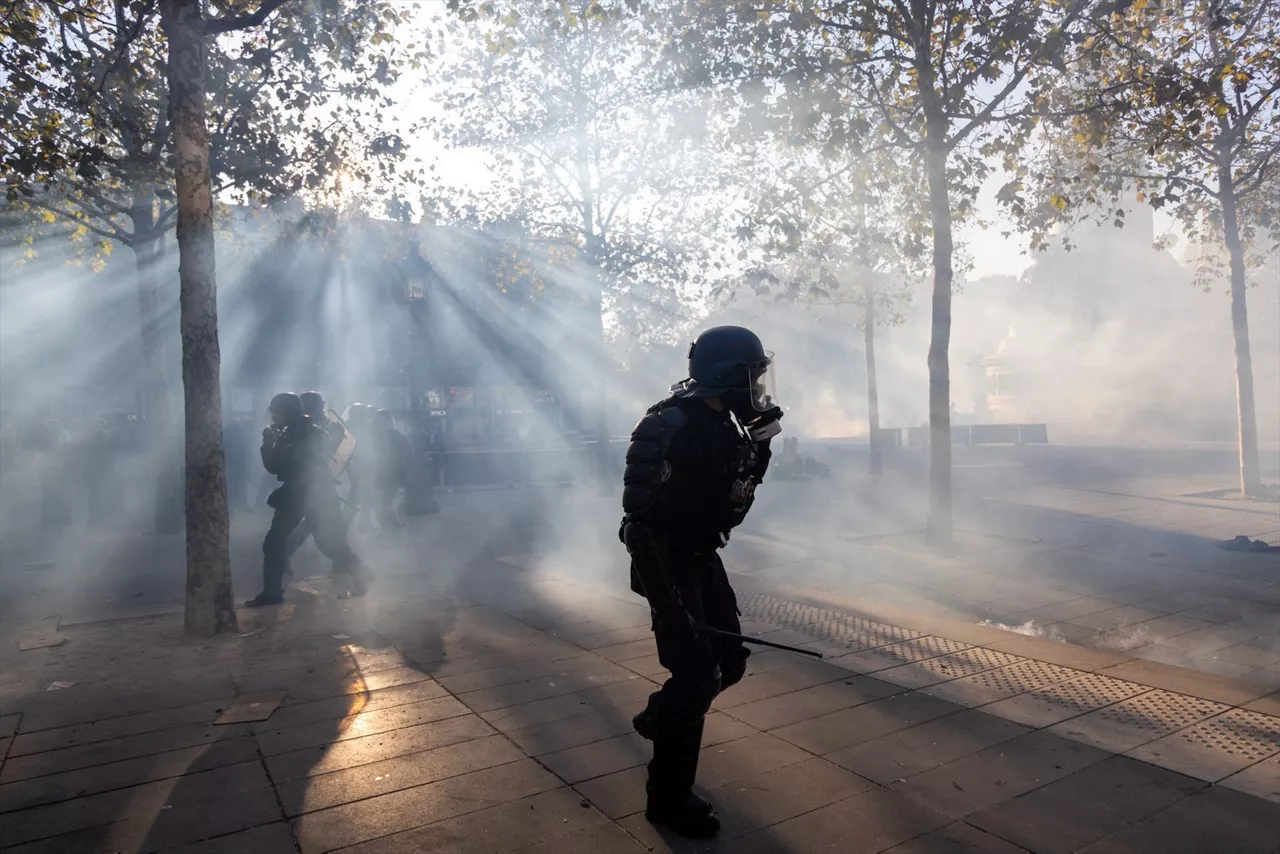
Yellow vests called for demonstrations on Saturday, and Macron accuses Trump of manipulating revolts
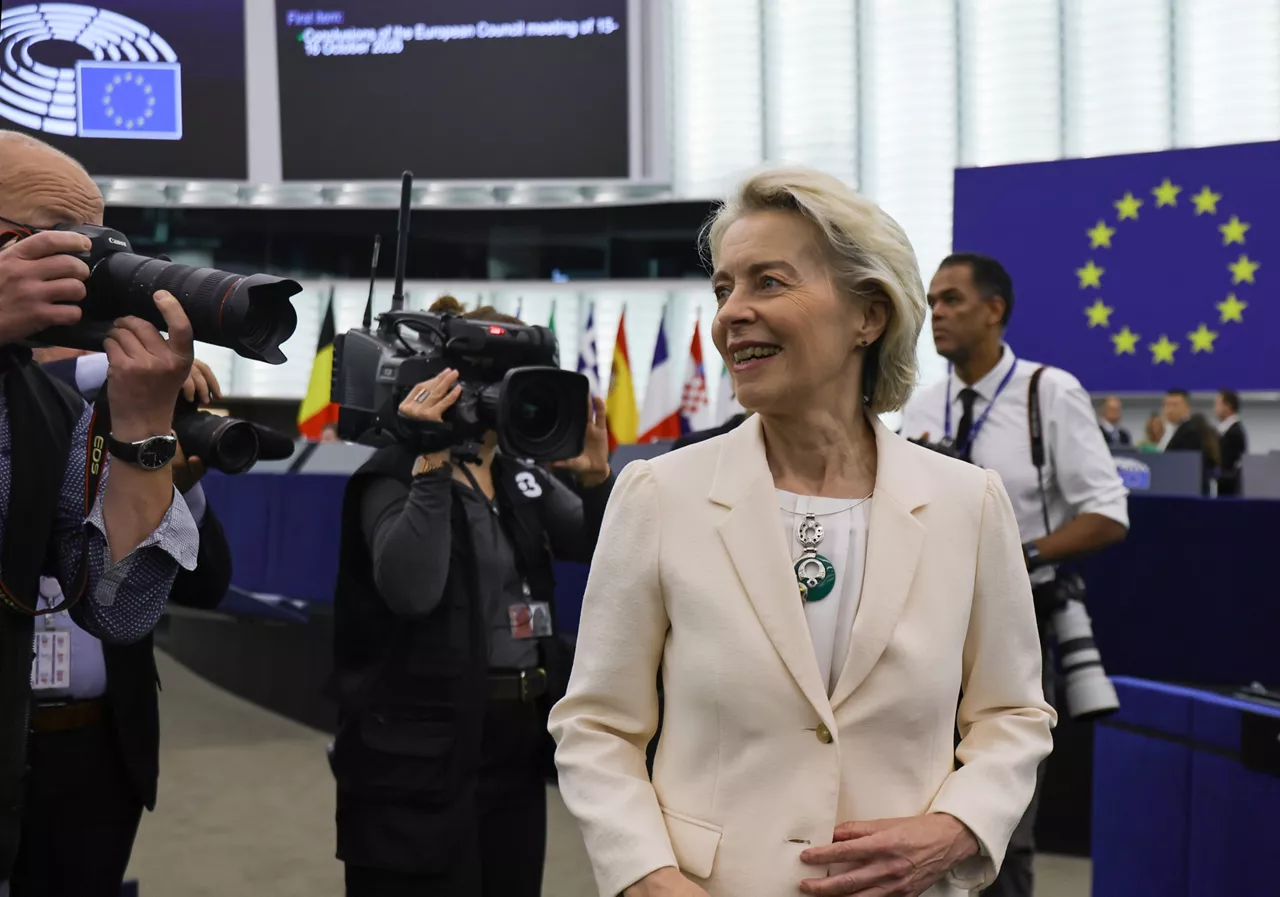
Von der Leyen blames several states and other actors for the migration crisis in Ceuta
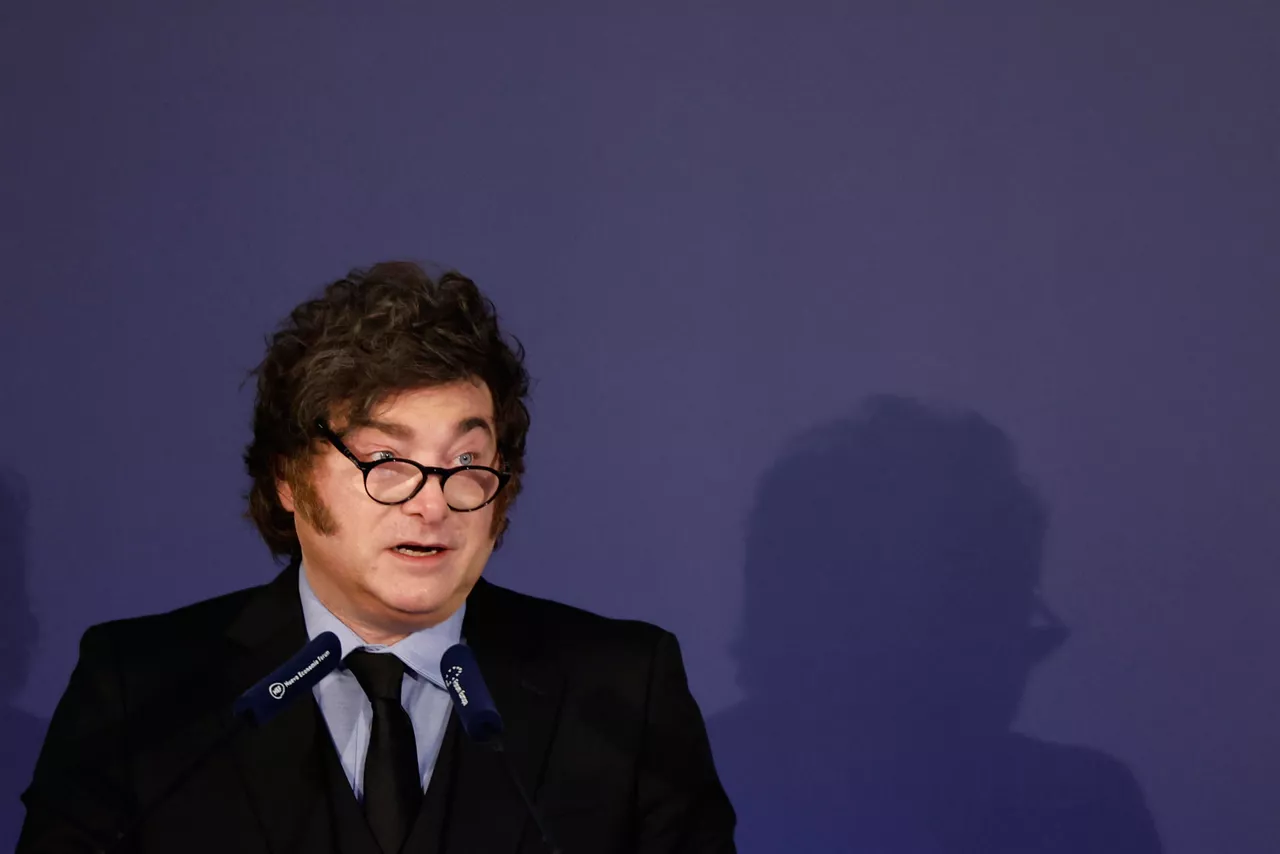
Milei calls Sanchez a "dictator" and accuses him of promoting an "invasion" in Ceuta
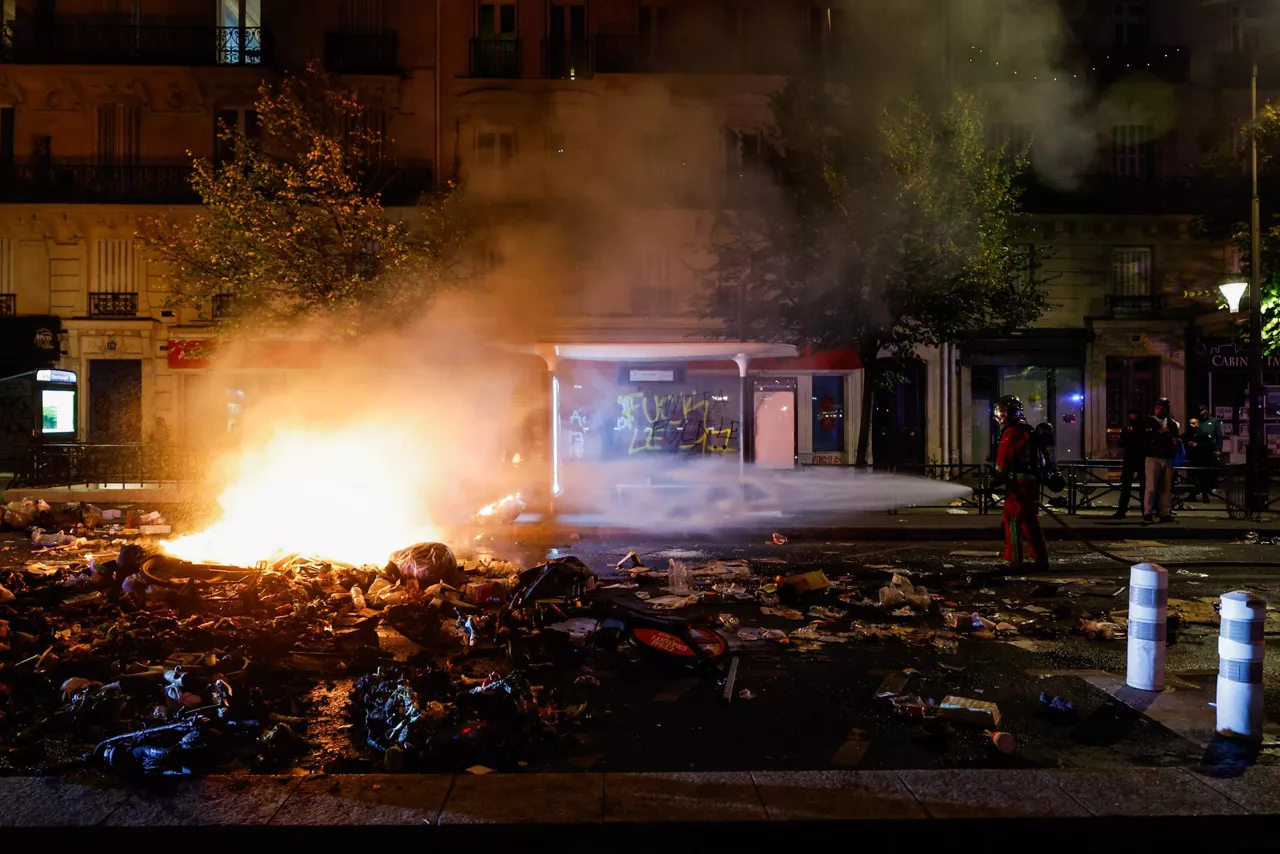
Partial curfews will be imposed in several French cities due to riots
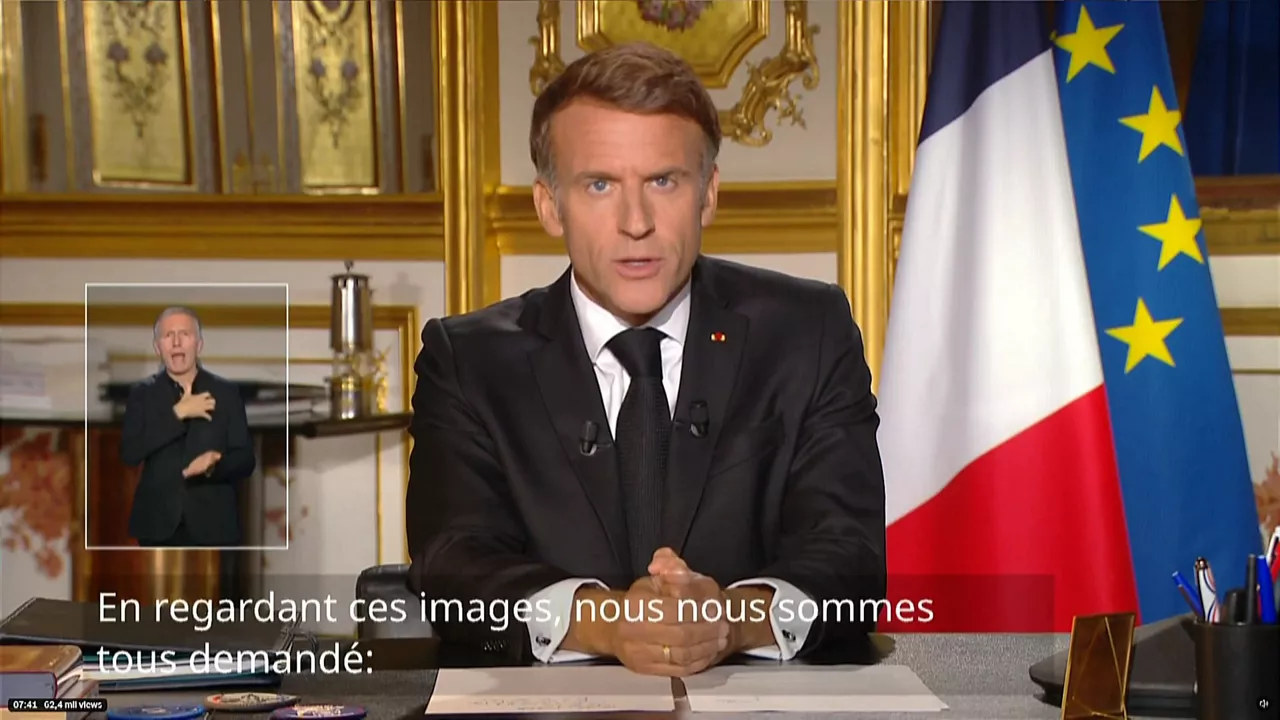
Macron holds the far left responsible for the violence and conveys his support to the police and traders
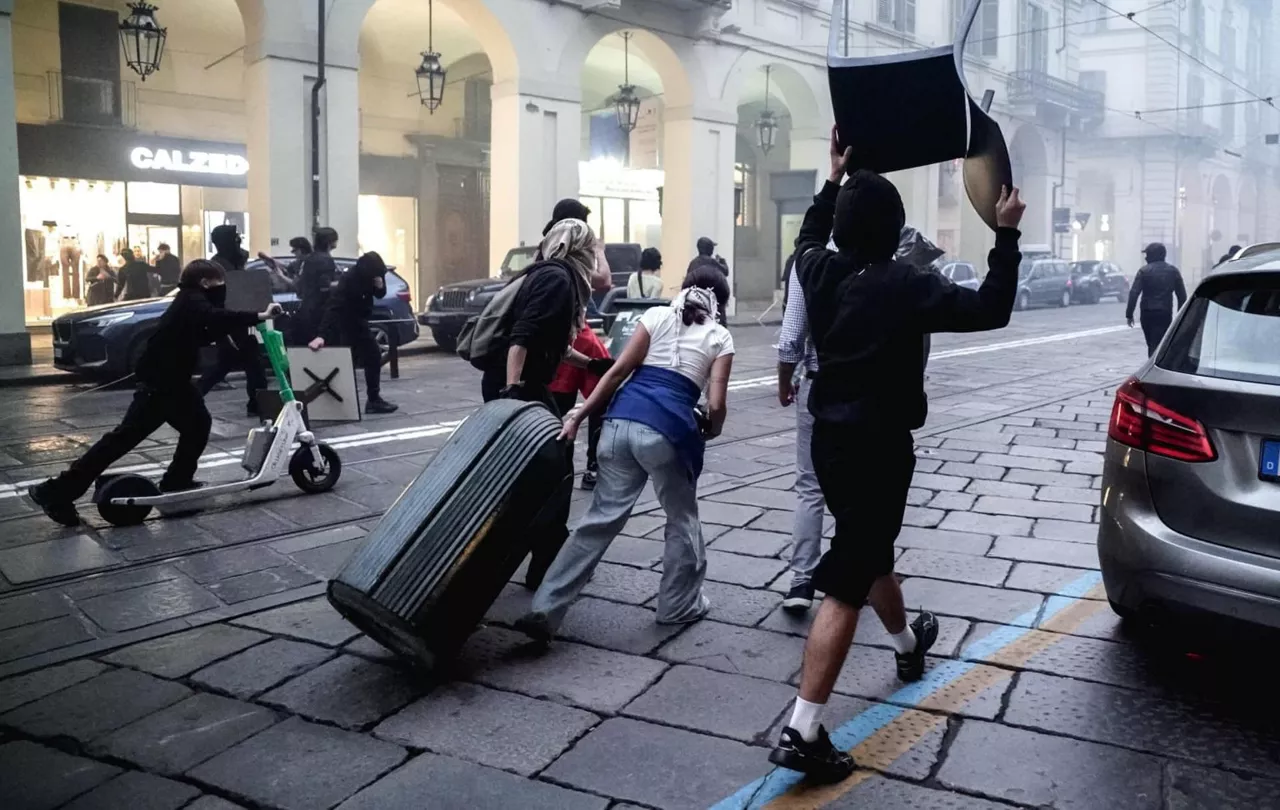
Violent protests in Italy and Albania against rising prices
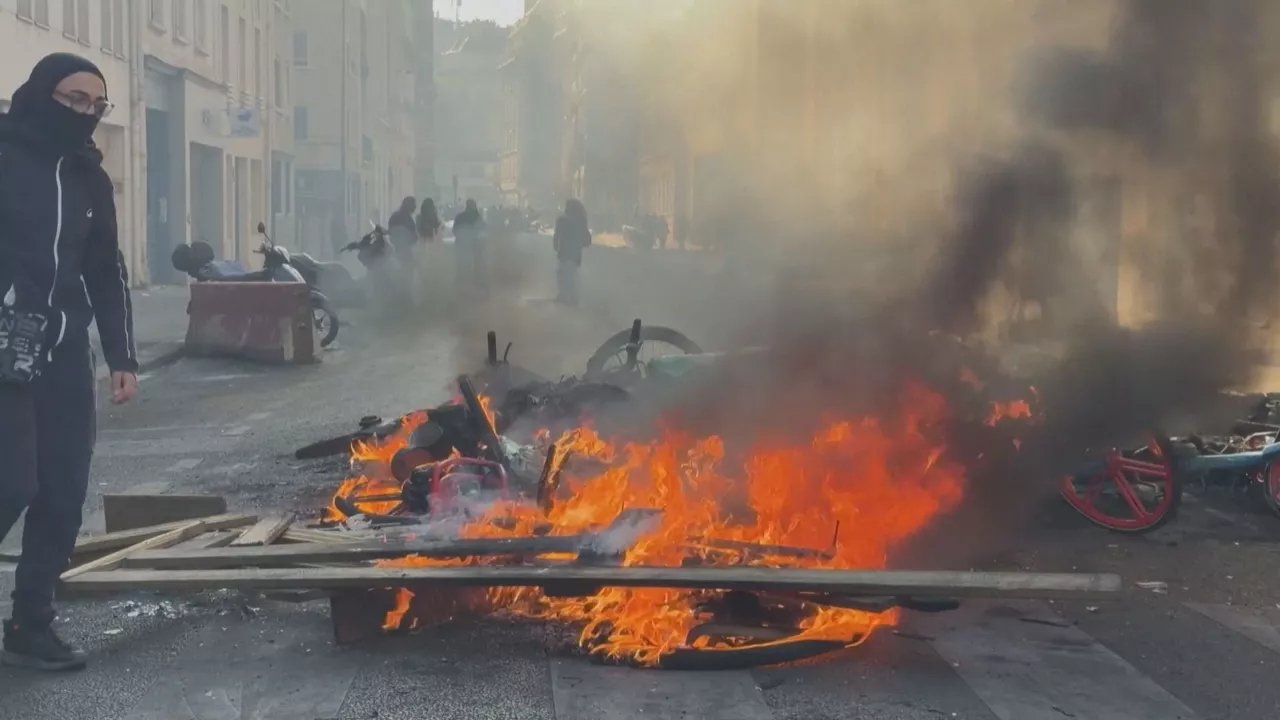
Riots erupt again in Paris the day after the protests
The Pope reappears in the Vatican to pray for the Angelus
Consequences of the protests in France: one person has died, 1,200 have been arrested and there is destruction everywhere