
Trump "interrupts" Maduro's career, heir to chavism, after 12 years in power
In early 2013, Maduro's career changed radically as he became president of Venezuela. Chavez died on March 5 and elections were called, in which Maduro won 51% of the vote, defeating Henrique Capriles.

Nicolas Maduro, until today president of Venezuela.

Nicolás Maduro, until today president of Venezuela, was born in 1962 in Caracas, the capital of the country. He spent his first years in the west of the city, in the parish of the neighborhood of El Valle, and his tendency to politics came from his family, since his father had been involved in left-wing parties.
Maduro began his political career early in high school when Jose Avalos became president of the student center. He also worked in the labor market. In the 1990s, when he was a bus driver in Caracas, he made proclamations for the workers, and as a result became a representative of the workers' union.
In 1992, Maduro joined the Bolivarian Movement 200 to demand the release of Hugo Chávez. The former president between 1993 and 2013 was imprisoned on charges of a coup d'état against Caslos Andrés Pérez. Later, in 1997, he became one of the founders of the Movimiento Quinta República (MVR).
In 1999, Nicolás Maduro joined the National Constituent Assembly and served on the Committee for the Promotion of Citizen Participation and the Economic and Social Committee. In the 2000 elections, Maduro became a Member of Parliament for the period 2000-2005.
In the next election, Maduro was re-elected as a deputy, but he remained in office for a short time, as he was appointed Foreign Minister in 2006, a position he held until 2012.
As minister, Maduro pursued two objectives: to increase social, political, and economic integration in Latin America and to undermine relations with the US, thus initiating contacts with leaders of other countries such as Colombia and other international leaders such as Libya's Muammar Qaddafi.
President since 2013
Maduro began to gain prominence in the Venezuelan government in 2012, when Chávez appointed him vice president. In December of the same year, the president chose Maduro as his successor, unless he survived the operation in Cuba.
In early 2013, Maduro's career changed radically as he became president of Venezuela. Chavez died on March 5 and elections were called, in which Maduro won 51% of the vote, defeating Henrique Capriles.
Maduro's term did not begin well. The people were divided. On the one hand, the middle-class took to the streets to protest against the president, and on the other hand, the military and the citizens living in the poorest areas continued to support Maduro.
The economic situation did not help either. Oil prices fell worldwide. Hydrocarbon production increased, industrial production fell, inflation increased and import capacity decreased. So commodities (toilet paper, milk and flour, for example) and medicines were becoming increasingly scarce.

Black point of view
For the sake of politics, President has been described as a "dictator" by opponents from The imprisonment of opposition leaders, such as Leopoldo López, who was sentenced to 13 years in prison for inciting violence during the 2014 demonstrations (currently locked up at home). The opposition has also accused him of suspending the rule of law, considering that all Venezuelan organizations have acted under his command.
Among those attributed to this is the prohibition of the freedom of expression of , which during its term has shut down some 40 media outlets.
In 2016, opposition members were released, who launched numerous initiatives and protests to overthrow Maduro.
The Venezuelan Election Commission (also controlled by Chavism) also began to move to remove Maduro, so that the opposition began collecting signatures against the president. In total, the petition was to be supported by 20% of voters, and the opposition obtained 1.8 million signatures (9 times more than necessary). However, the Venezuelan Electoral Commission was delayed in counting and, as a result, the protests reigned in the country.
In view of this situation, Nicolas Maduro declared a state of emergency on the grounds that the right-wing parties were conspiring with foreign countries to destabilize Venezuela. In October 2016, the second call for the collection of signatures for the referendum was scheduled, but they did not do so because of fraud, as some Venezuelan courts ruled, so they did not.
The opposition did not stop there and asked the National Assembly to hold a political trial against Maduro. Hori led to massive demonstrations between 31 March 2017 and 12 August 2017.
In this context, Maduro was appointed President of Venezuela after the elections of 20 May 2018, a process questioned by the opposition and several countries of the international community for "irregularities" and "lack of guarantees."

The "attempted murder" and the rise of polarization
In August 2018, at a military event in Caracas, two drones loaded with explosives exploded near Maduro, which his government described as an "attempt at magnicide." The incident triggered political tensions.
Opposition leader Juan Guaidó and the civil and military sectors attempted a civil-military uprising against Maduro in April 2019 in the so-called "Operation Freedom." The attempt failed to overthrow the government, but this led to a significant increase in political polarization.
After the 2024 elections, Maduro proclaimed his party's victory, and violent street protests erupted, accusing him of "electoral fraud" and "lack of transparency." In January 2025, however, Maduro swore in Caracas for a third term.
In November 2025, the US administration, under Donald Trump, increased military and political pressure on Caracas, accused of being linked to drug trafficking, including an attack on a Venezuelan port, establishing a new phase of bilateral confrontation.
Maduro warned that the Venezuelan armed forces had 5,000 portable anti-aircraft missiles "to ensure peace" in a context of growing tensions with the US.
On January 3, 2026, the United States carried out a special military operation in Caracas and arrested Nicolás Maduro and his wife, setting the end of his term and provoking responses from the international community, both favourable and contrary.
Maduro's achievements
When Gustavo Petro took over the presidency of Colombia in 2022, Caracas and Bogotá re-established diplomatic and trade talks after years of tension, reviving border exchange and regional cooperation.
Maduro made official figures, closing 2024 around significantly lower levels than in recent years that indicated inflation, attributing 9% economic growth for that year to "productive economic policies" and "greater stability."
The first years of Nicolas Maduro's rule have invested the most in society:
- 74, 1% increase in money invested in society.
- Through the Gran Misión Venezuela program, two million families got their homes.
- In the health sector, 100,000 medical services have been offered, nearly 400 health centres have been renovated and surgical interventions have increased by 600.
- All the people who are retired got the pension.
- They got a job 60.8% and unemployment fell by 6%.
You might like
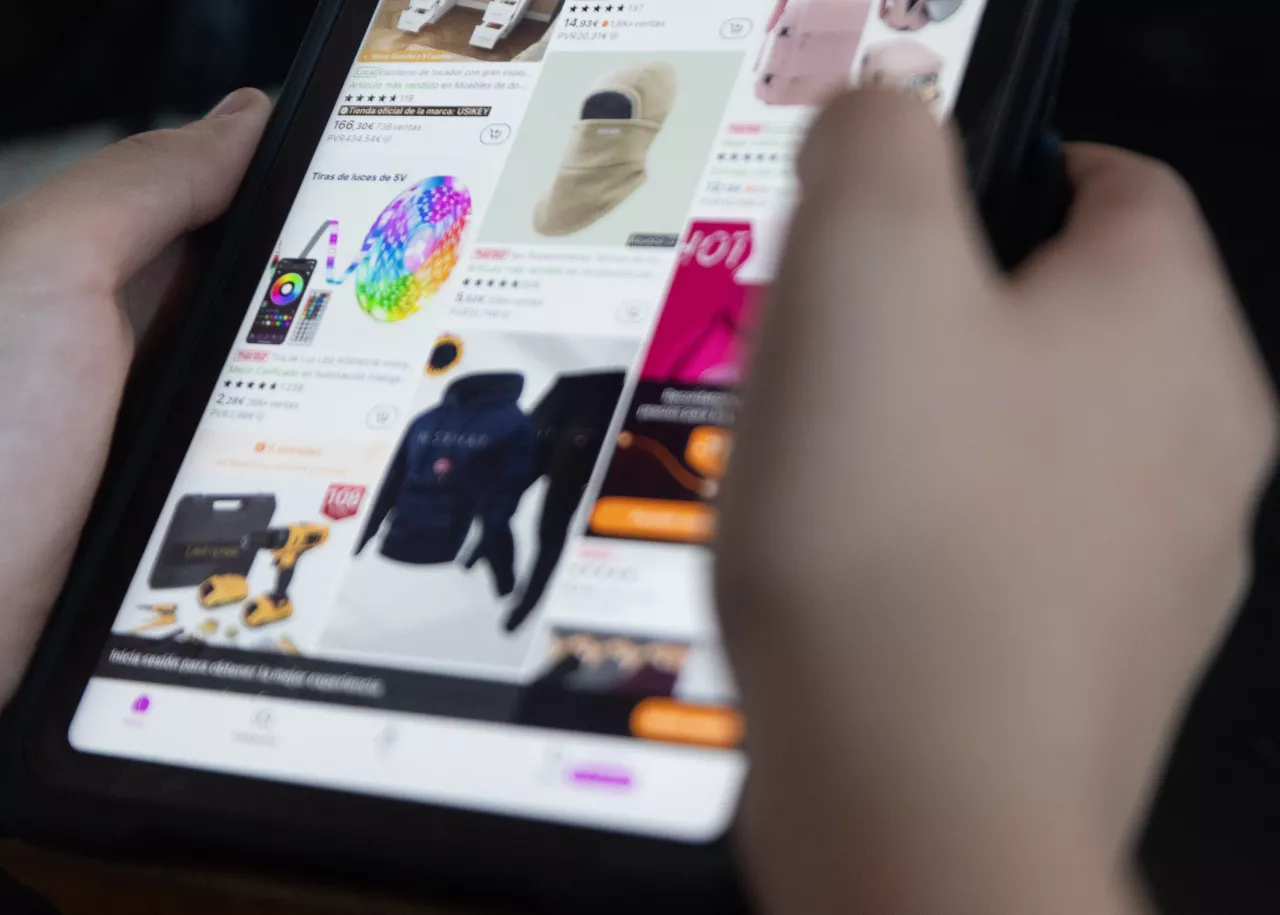
Brussels has opened an investigation against Shein for alleged "addictive" design and illegal sale of products
The European Commission considers that the Chinese platform does not comply with European regulations because it is not transparent with its systems of recommendations and allows the marketing of illegal articles, including material for the sexual abuse of children.
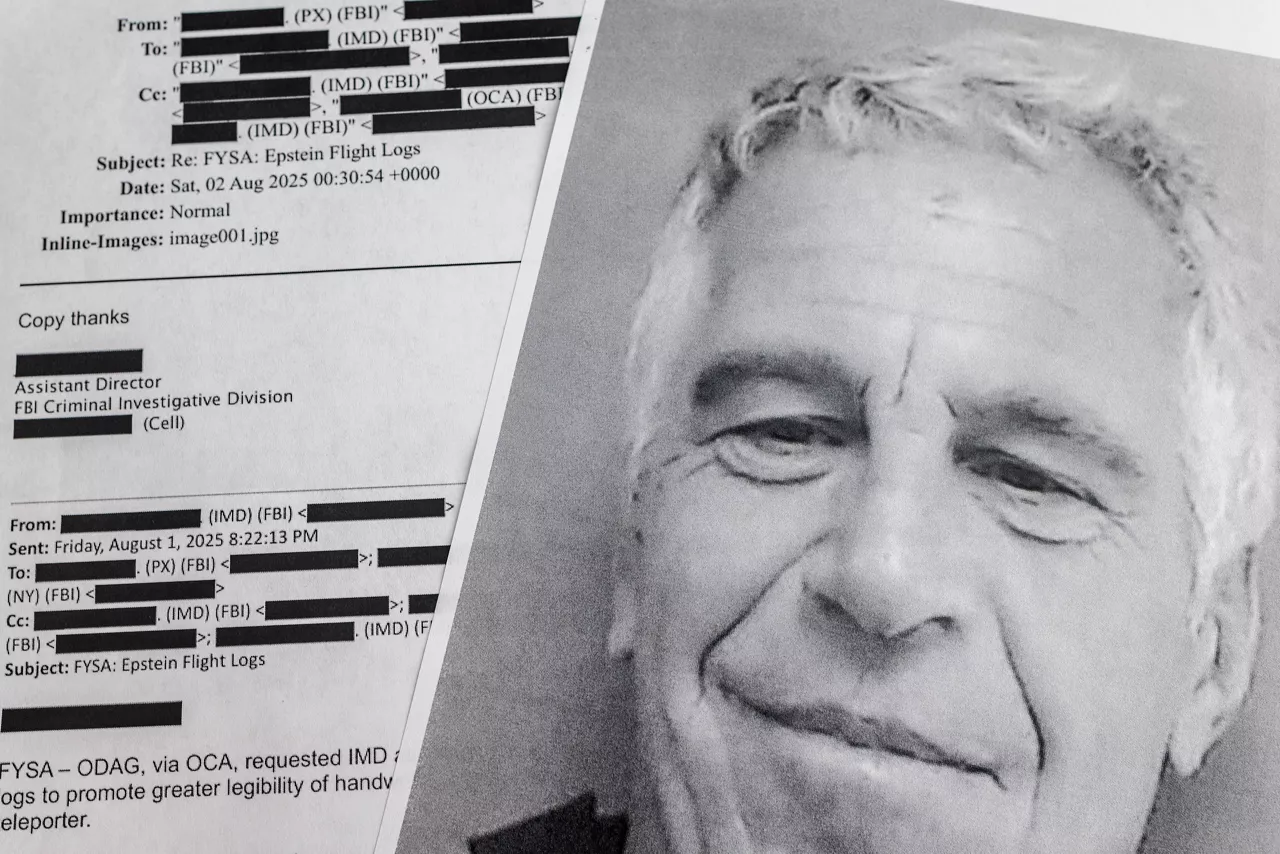
Epstein's papers could be considered crimes against humanity, the UN said
The rapporteurs who have examined the case claim that we are dealing with a criminal enterprise acting with complete impunity. Sexe-slavery, enforced disappearance, torture or feminicide.

How will Israel operate the land register in the West Bank?
Since the same process began in East Jerusalem, only 1% of the affected land has been registered on behalf of the Palestinians.
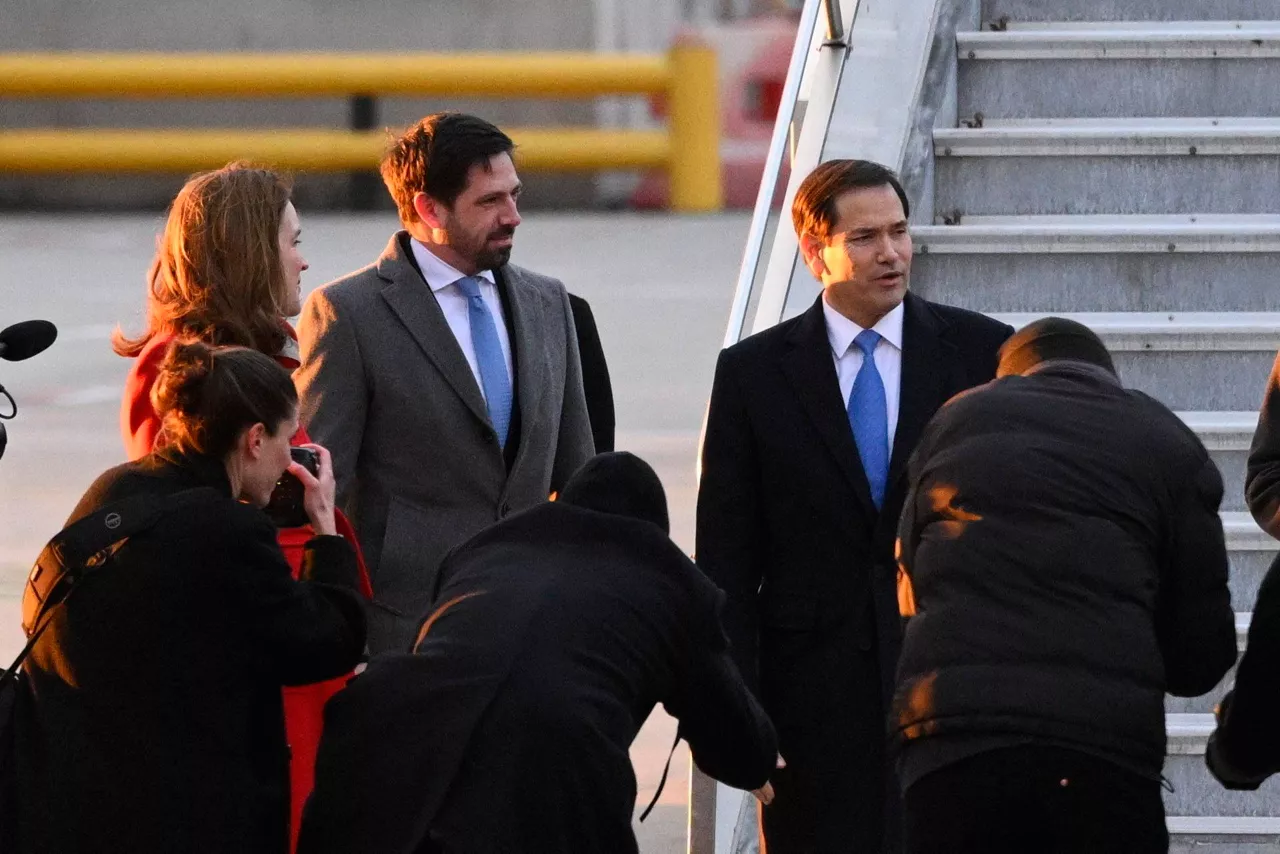
Rubio said the US does not want Europe to be a vassal, but "a strong ally."
On the other hand, the European Secretary-General for Foreign and Security Affairs, Kaja Kallas, has responded to criticism from the Trump administration in recent months. "Although some say otherwise, fallen Europe is not a dying civilization," he said, adding that more and more people want to join "Europe's club."
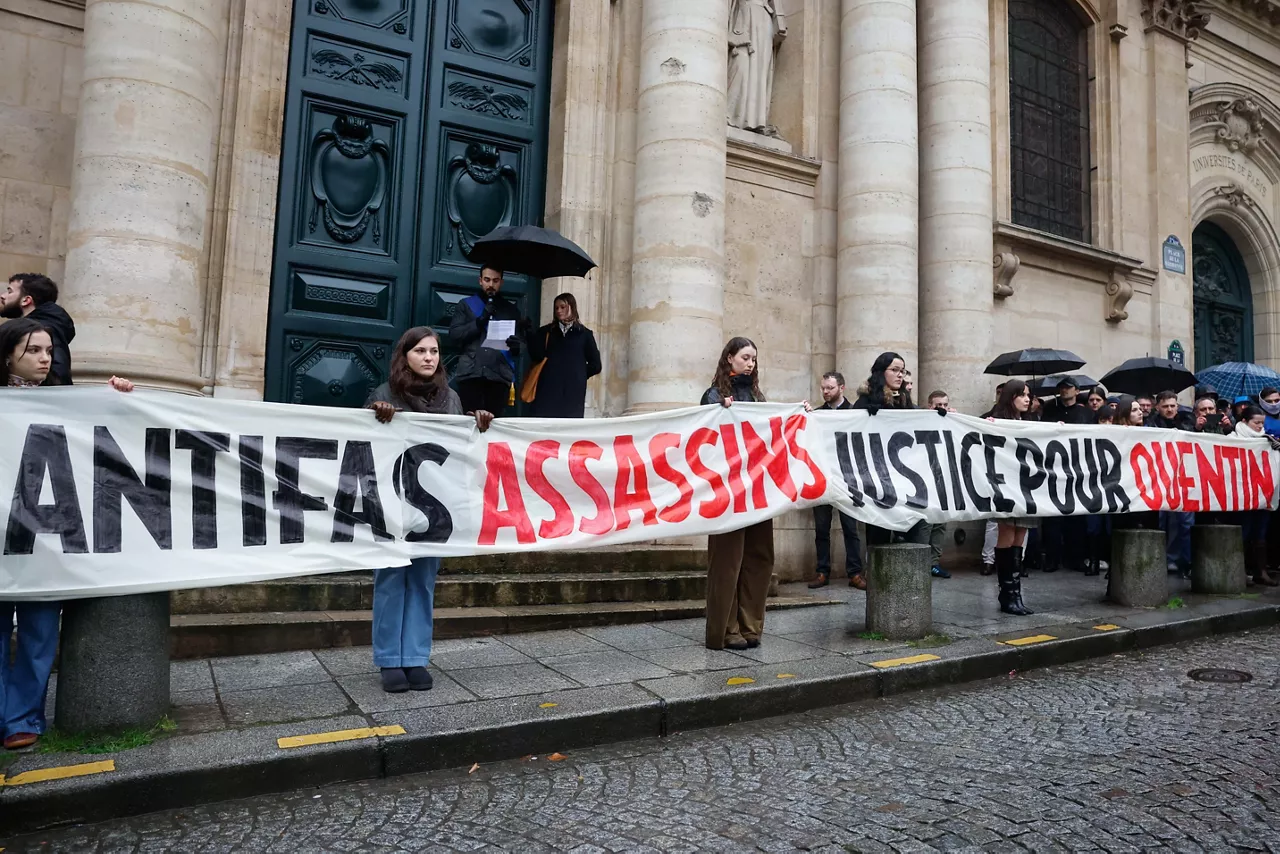
The murder of a young man close to the far right has disrupted the political atmosphere in France
Quentin, a 23-year-old Catholic math student who died on Saturday as a result of the blows he received and after two days in a coma, is being investigated by the Lyon Public Prosecutor's Office.
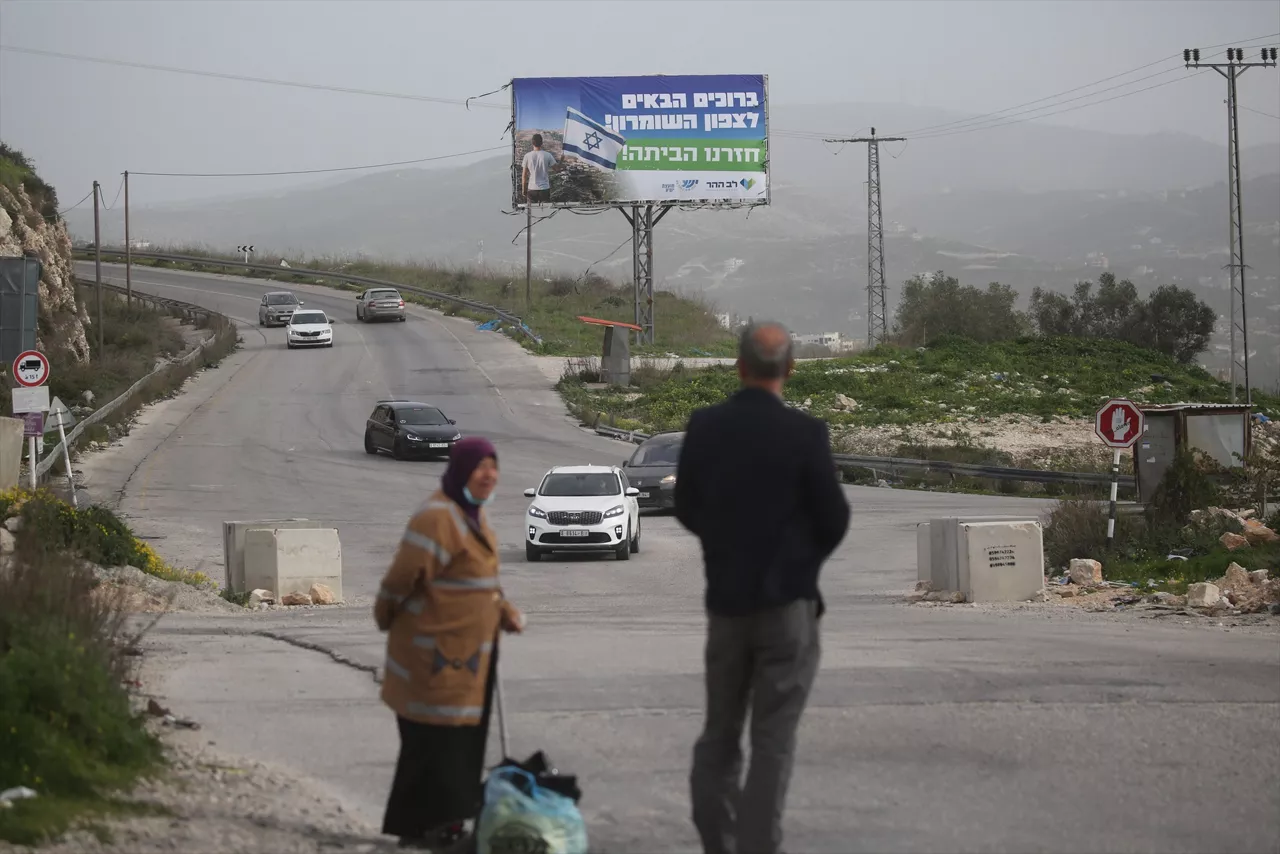
Israel has registered vast areas of the West Bank as part of the state for the first time since 1967
The Palestinian National Authority has denounced the decision as de facto annexation of most of the Palestinian territory.
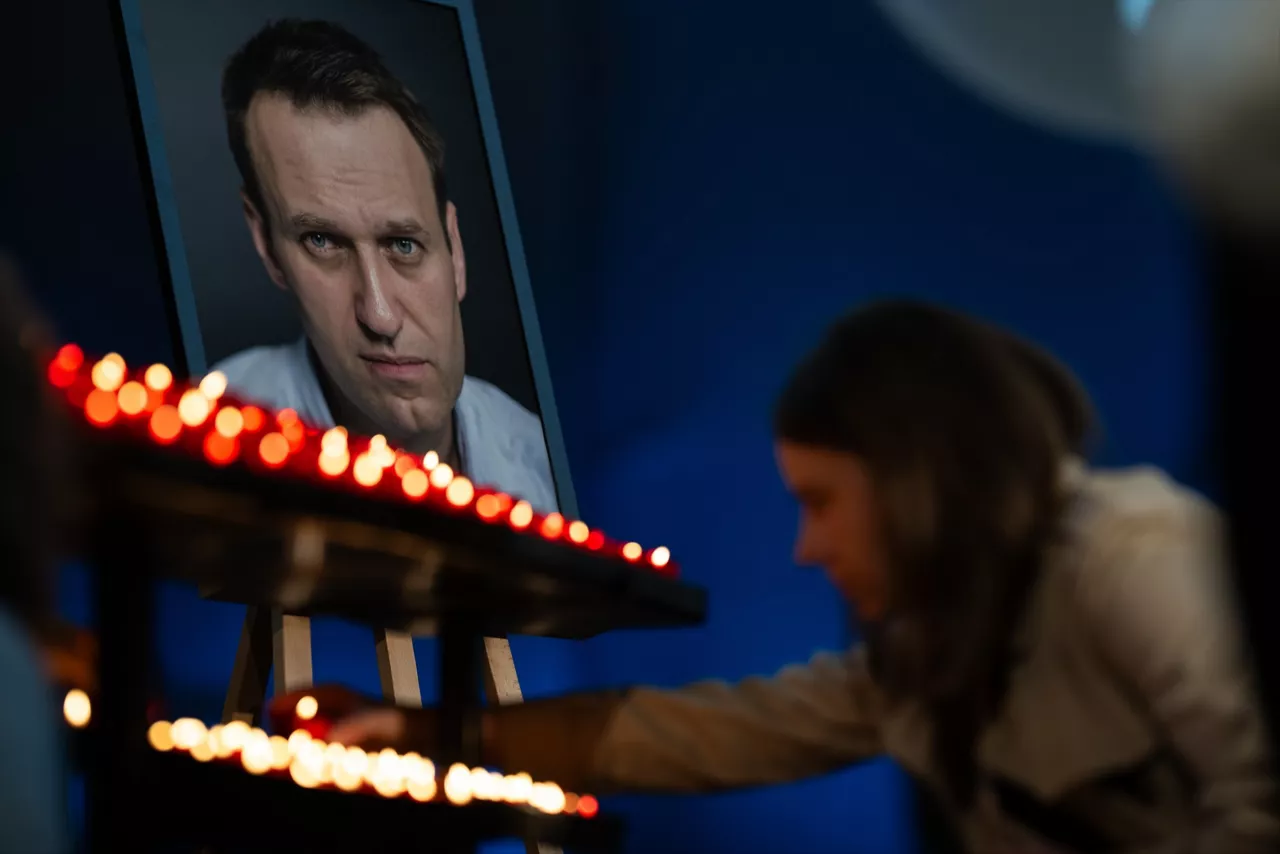
Germany, France, the United Kingdom, Sweden and the Netherlands accuse Russia of killing opposition leader Navalni with a toxin
The poison, originally produced by an Ecuadorian frog, is not "naturally" present in Russia. Von der Leyen denounces the "terrorist" behaviour of the Russian state.
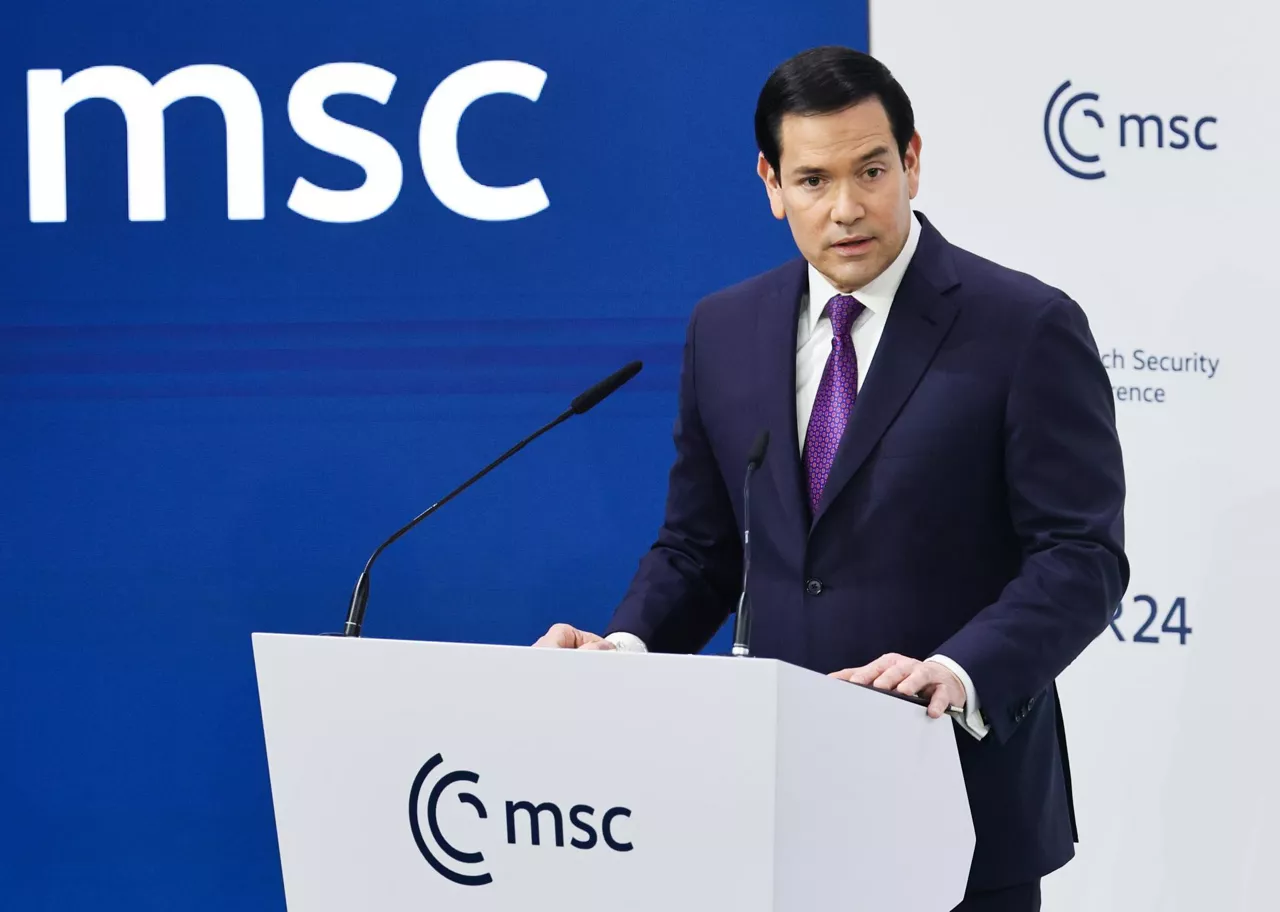
Rubio wants to bring relations between the United States and Europe closer together, but the old continent wants to promote independence
US Secretary of State Marco Rubio praised relations with Europe at the Munich Security Conference on Saturday and relieved the tone of the harsh speech delivered a year ago by the country's Vice-President, J.D. Vance.
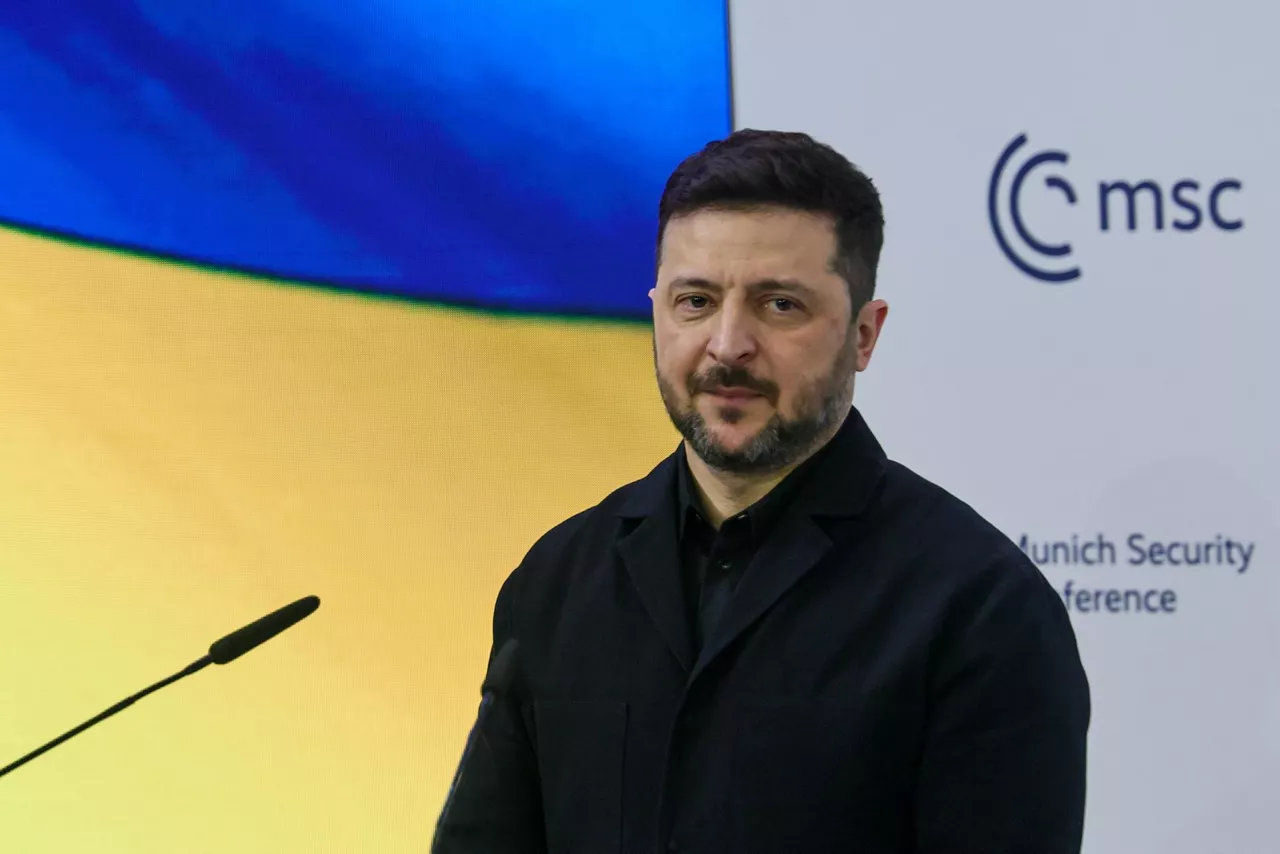
Zelenski says splitting Ukraine will bring no real peace
Ukraine's president has been willing to do everything possible to ensure the success of the US-led peace negotiations, including the immediate call for elections if a two-month ceasefire is guaranteed.
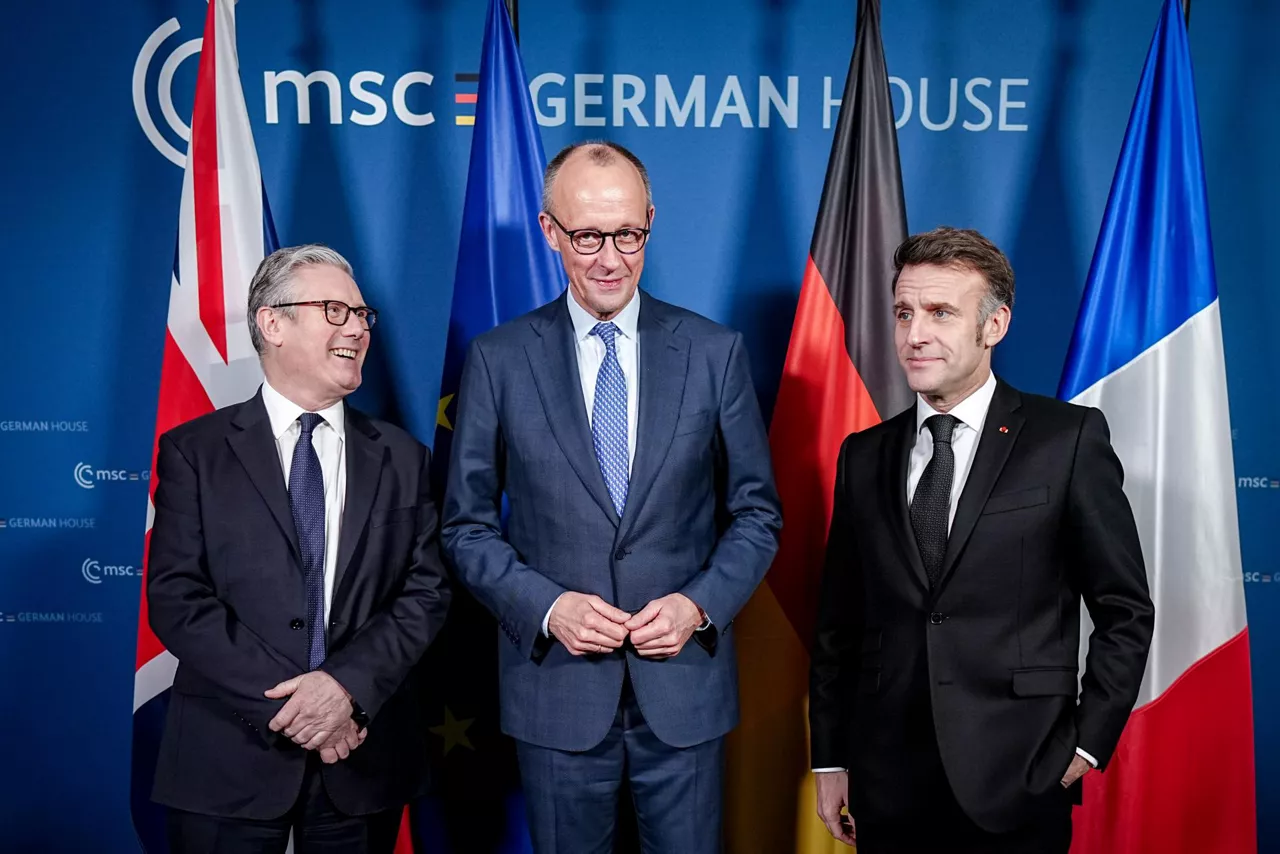
Merz calls for strengthening Europe and reconnecting the relationship with the US at a time of great powers
The German Chancellor has called for Europeans atthe opening ceremony of the Munich Security Conference (MSC), an important meeting that brings together 200 heads of state, government and ministers from A0120 countries.