Germany, France, the United Kingdom, Sweden and the Netherlands accuse Russia of killing opposition leader Navalni with a toxin
The poison, originally produced by an Ecuadorian frog, is not "naturally" present in Russia. Von der Leyen denounces the "terrorist" behaviour of the Russian state.


The governments of Germany, France, the United Kingdom, Sweden and the Netherlandshave this Saturday chargedtheRussian Government with the murder of the Russian opposition Alexei Navalni.
"Based on the analysis of Alexei Navalni's samples, we have reached this conclusion, which clearly confirms the presence of epibatidine," the foreign ministers of these five governments explained in an official statement.
Epibatidine is considered a chemical weapon in international law . The five governments have stressed that "this toxin is not naturally present in Russia."
Russia said Navalni died of natural causes, "but given the toxicity and symptoms of epibatidine, poisoning is the probable cause of his death."
Navalni was poisoned in 2018 in the British city of Salisbury and later in the Russian Arctic prison. "In both cases, only the Russian State had the means, reasons and sufficient contempt for international law to carry out such attacks," the note notes.
Having reached this conclusion, they have called for consequences both for Russia for violating the Chemical Weapons Convention and in this particular case for non-compliance with the Biological Weapons and Toxin Convention.
Von der Leyen's accusation
European Commission President Ursula von der Leyen has denounced the "terrorist attitude" of the Russian state after learning of the outcome of the investigation. "Poisoning political opponents, silencing journalists, invading peaceful neighbors. That is the real face of Russia today," Von der Leyen said.
"This is a cowardly act by a frightened leader," he said, referring to Russian President Vladimir Putin. "Russia has long acted as a terrorist state using terrorist methods."
Russia's rejection
On the contrary, Russian Foreign Ministry spokeswoman Maria Zajarova has described this information as "Western propaganda." "When the test results are available, when the substance formulas are available, we will comment," Zajarova said in statements to the Russian news agency TASS.
Until then, he has argued, all statements and discussions are merely "leaks aimed at diverting attention from the serious affairs of the West."
You might like
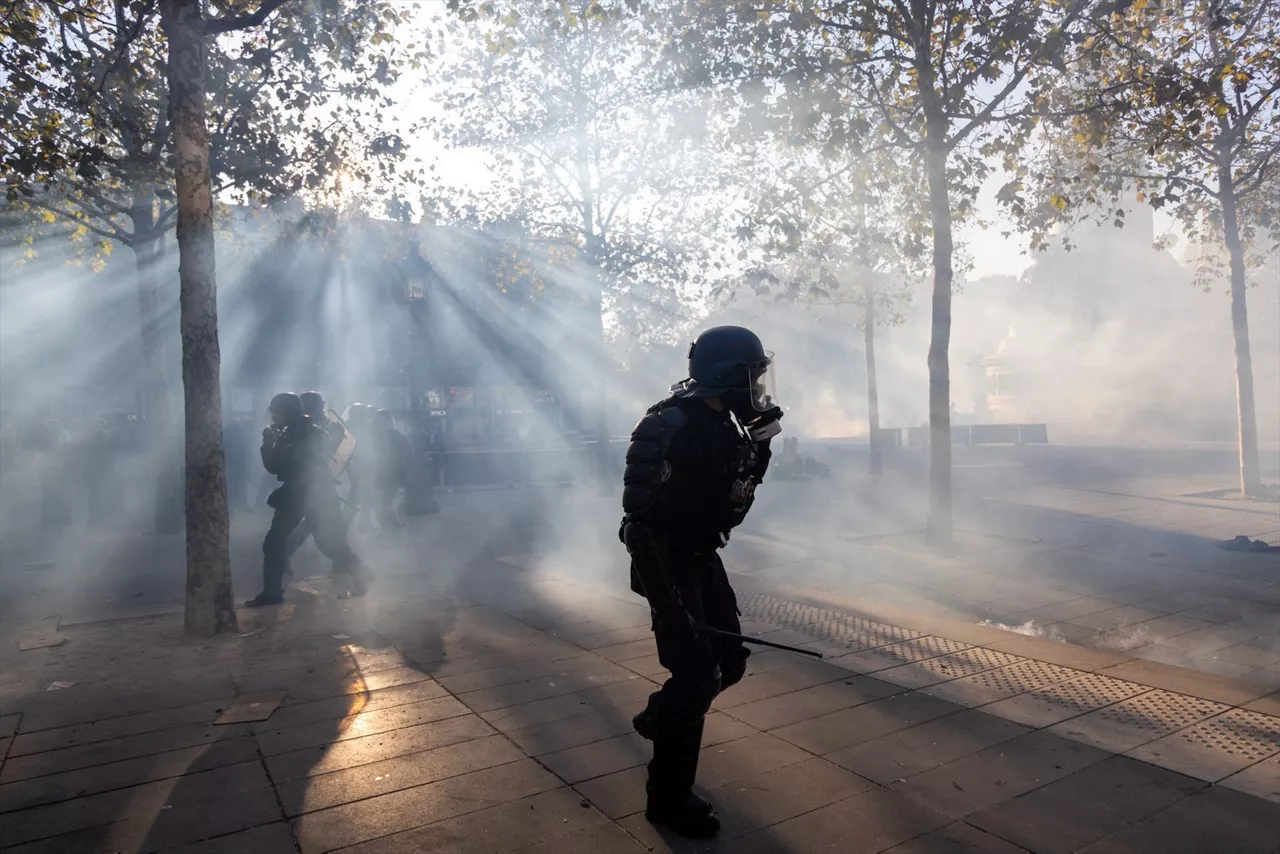
Yellow vests called for demonstrations on Saturday, and Macron accuses Trump of manipulating revolts
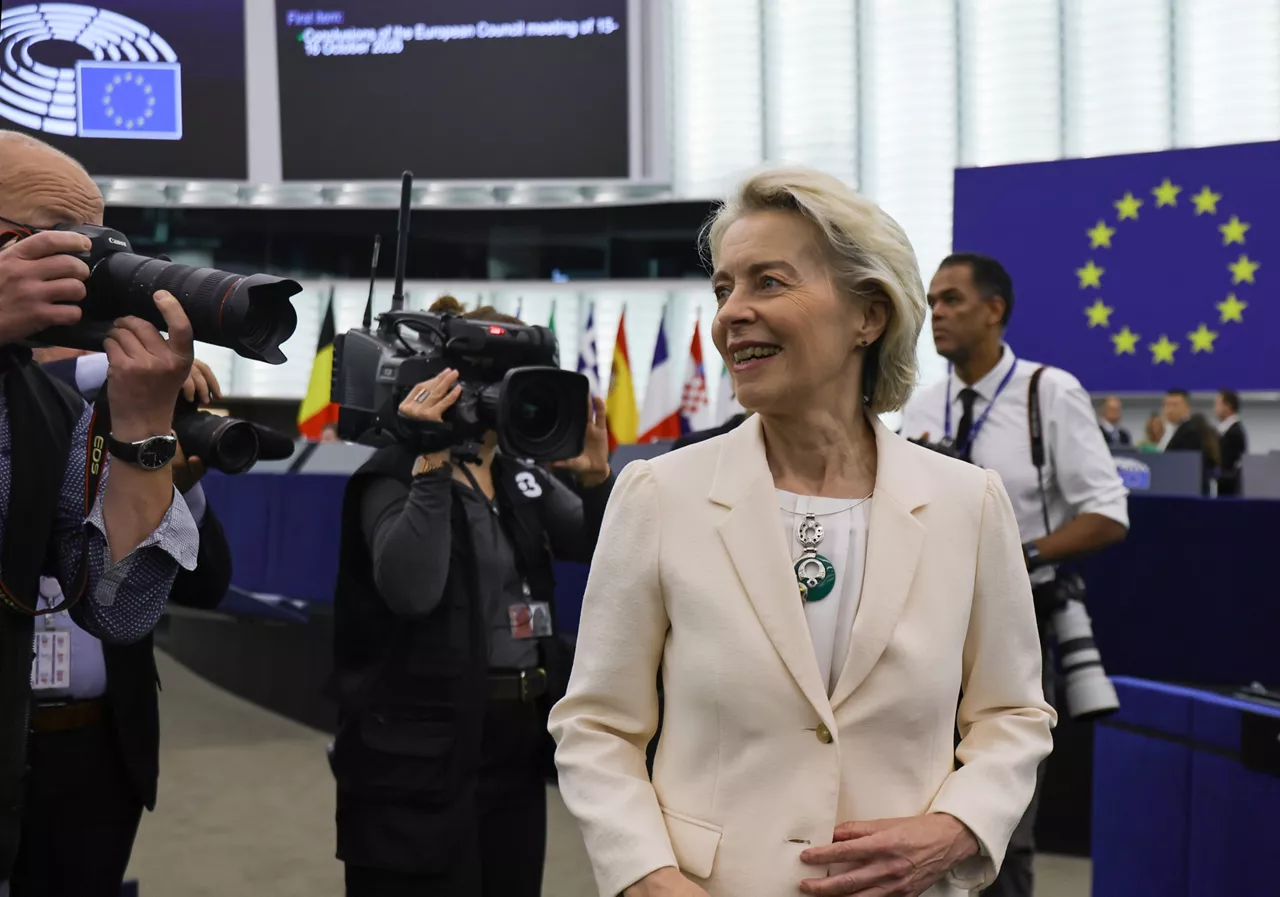
Von der Leyen blames several states and other actors for the migration crisis in Ceuta
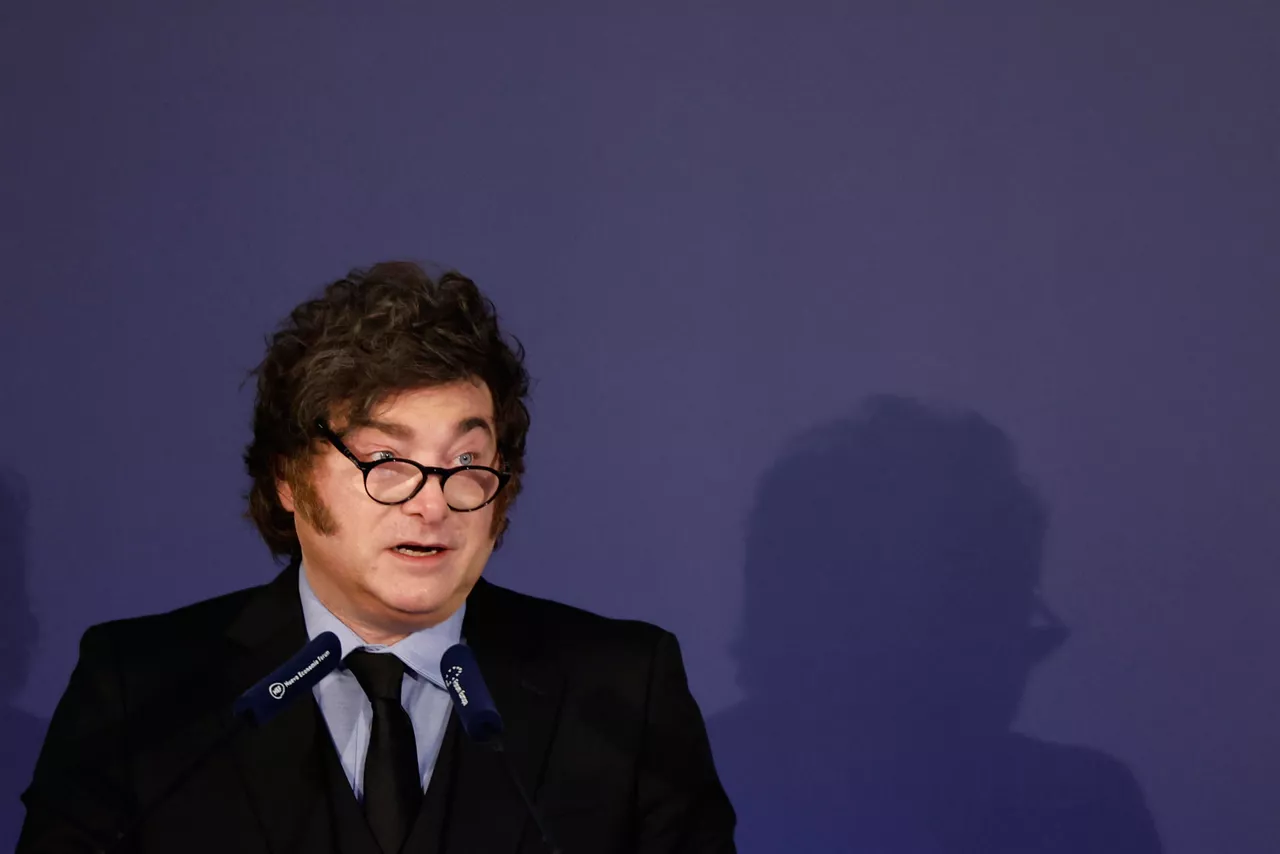
Milei calls Sanchez a "dictator" and accuses him of promoting an "invasion" in Ceuta
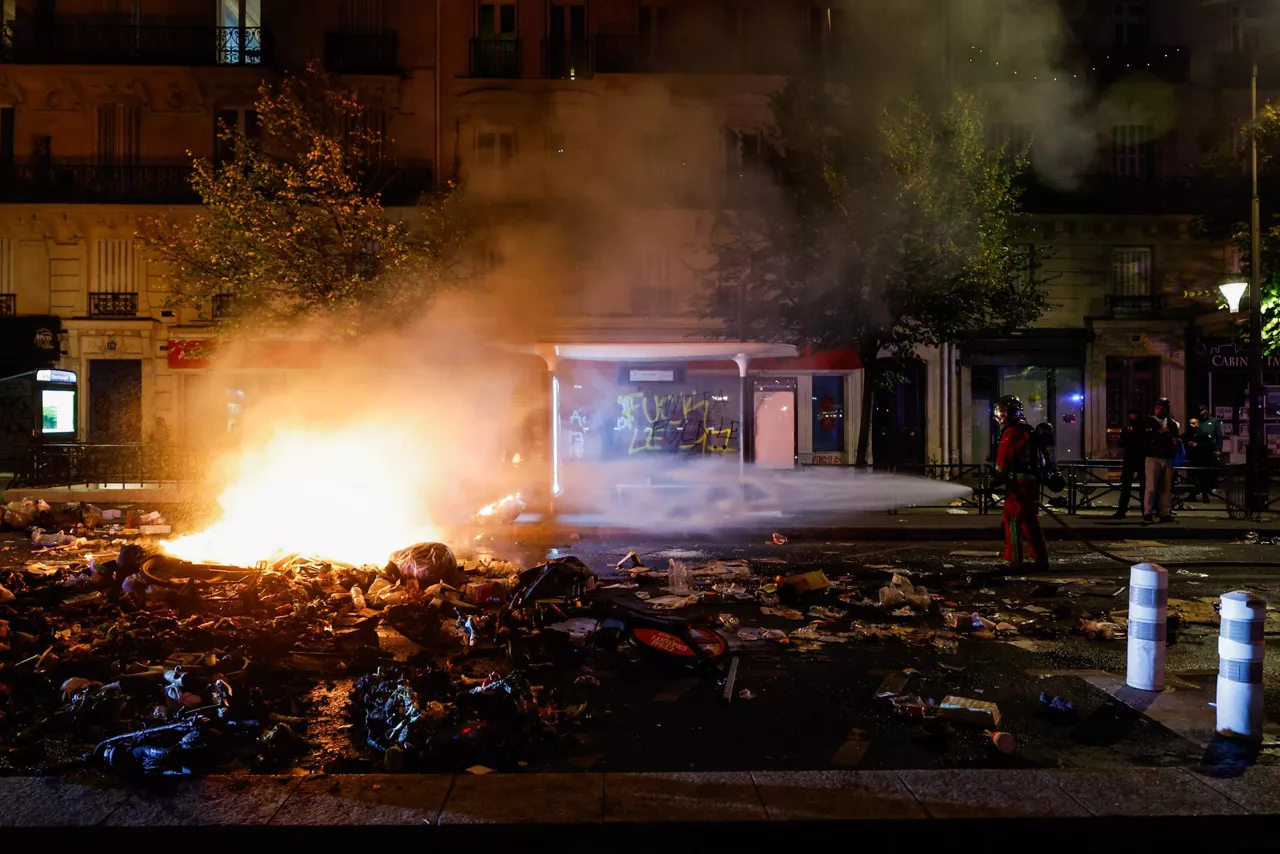
Partial curfews will be imposed in several French cities due to riots
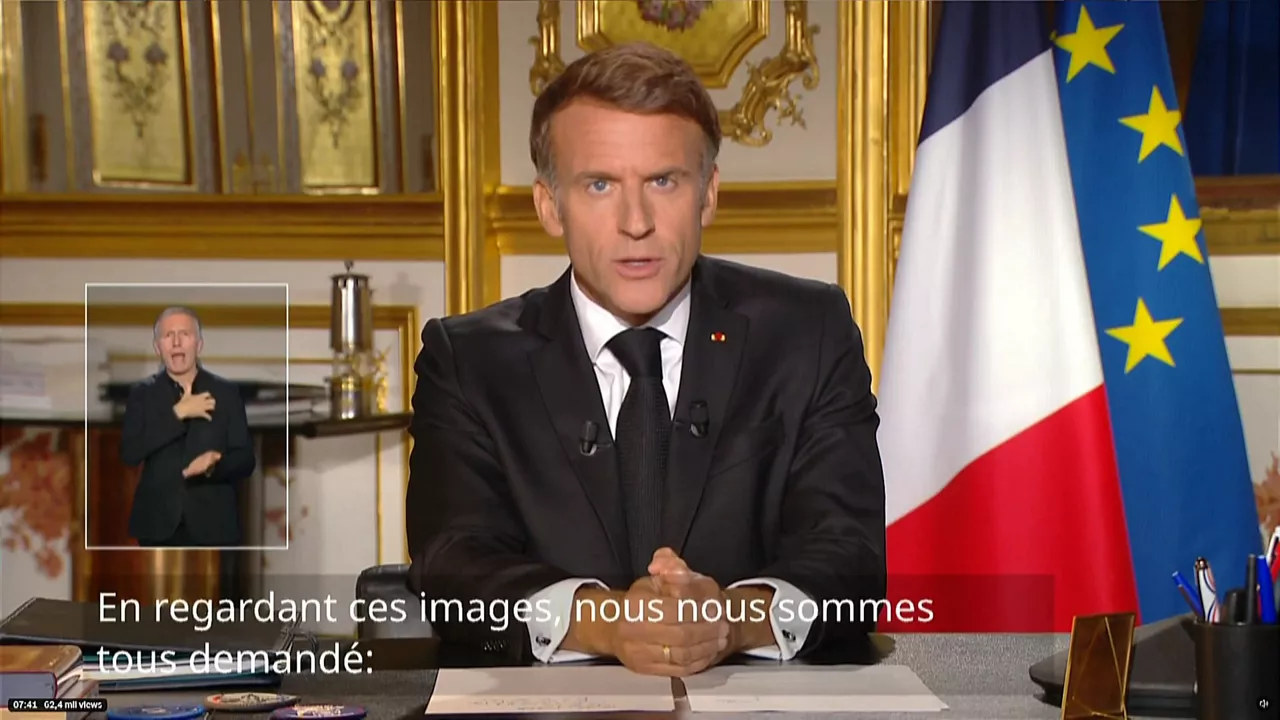
Macron holds the far left responsible for the violence and conveys his support to the police and traders
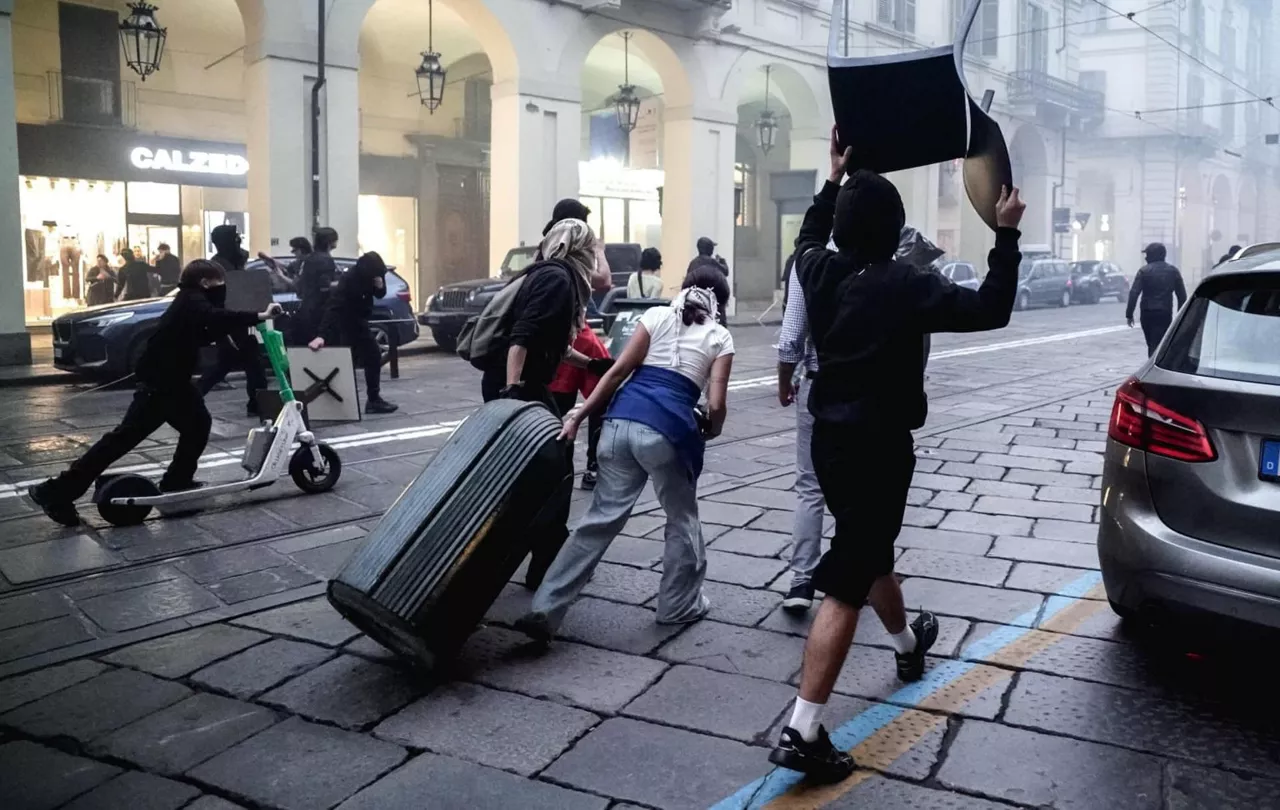
Violent protests in Italy and Albania against rising prices
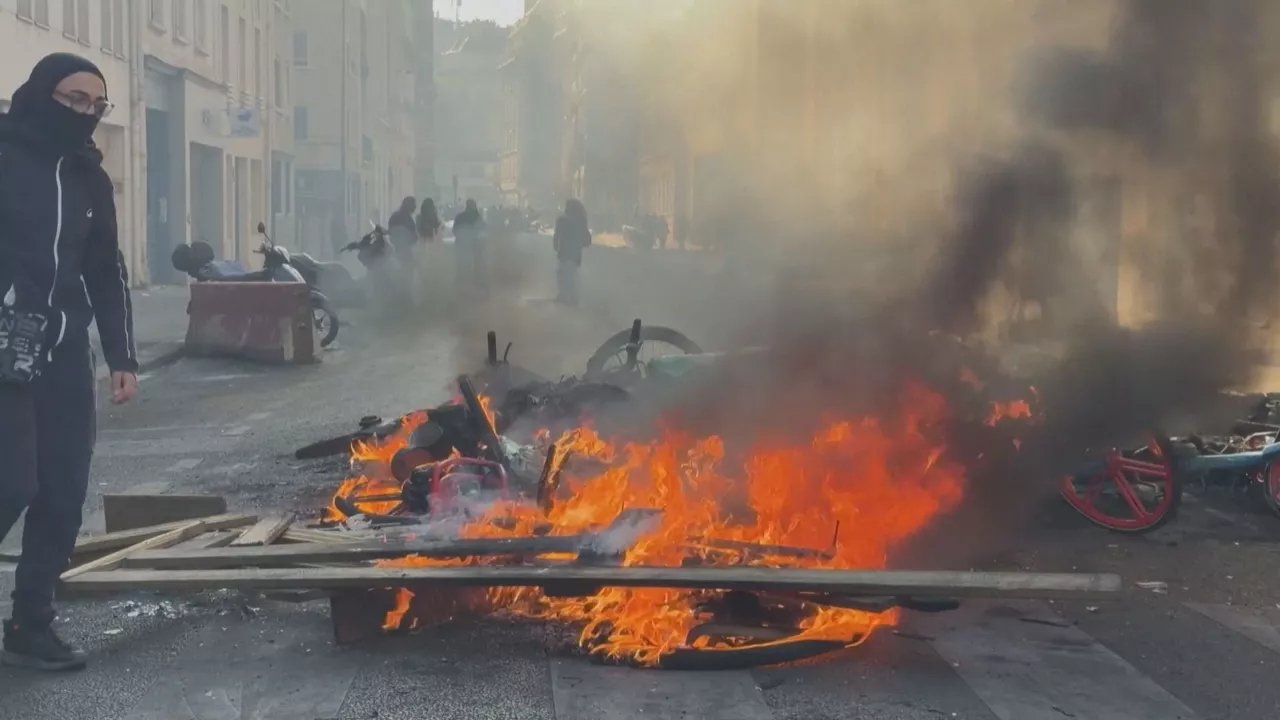
Riots erupt again in Paris the day after the protests
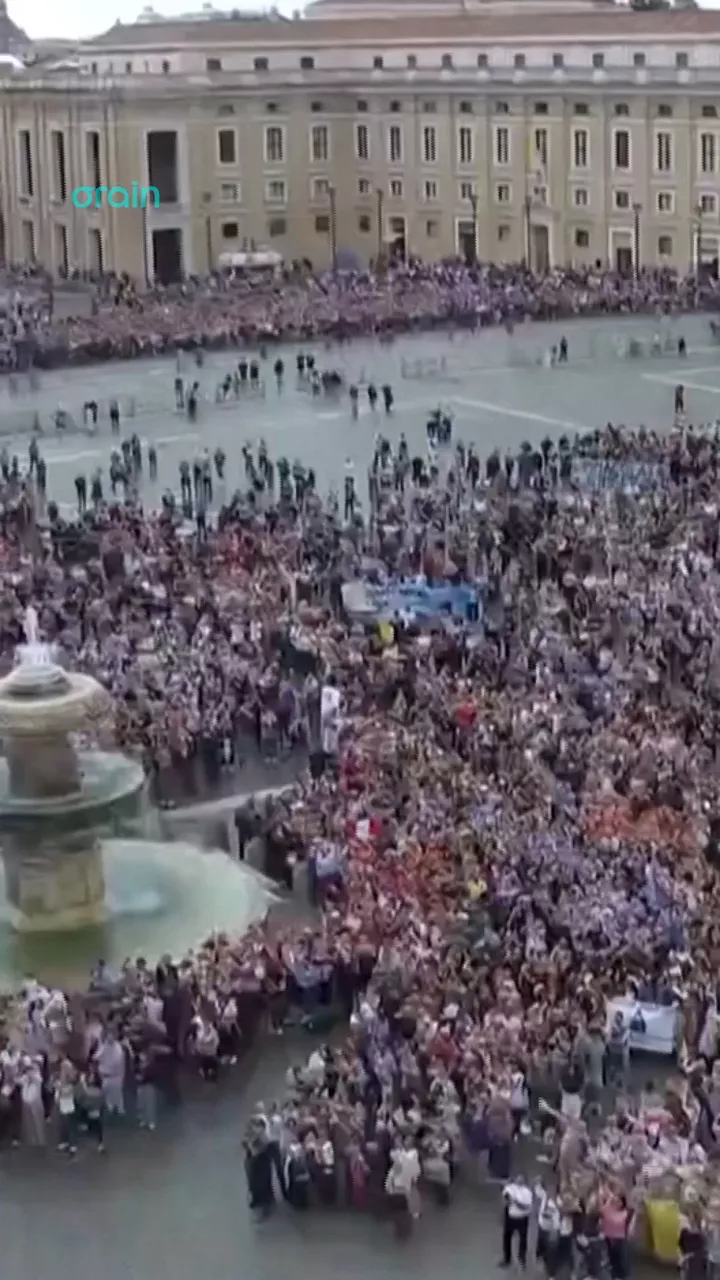
The Pope reappears in the Vatican to pray for the Angelus
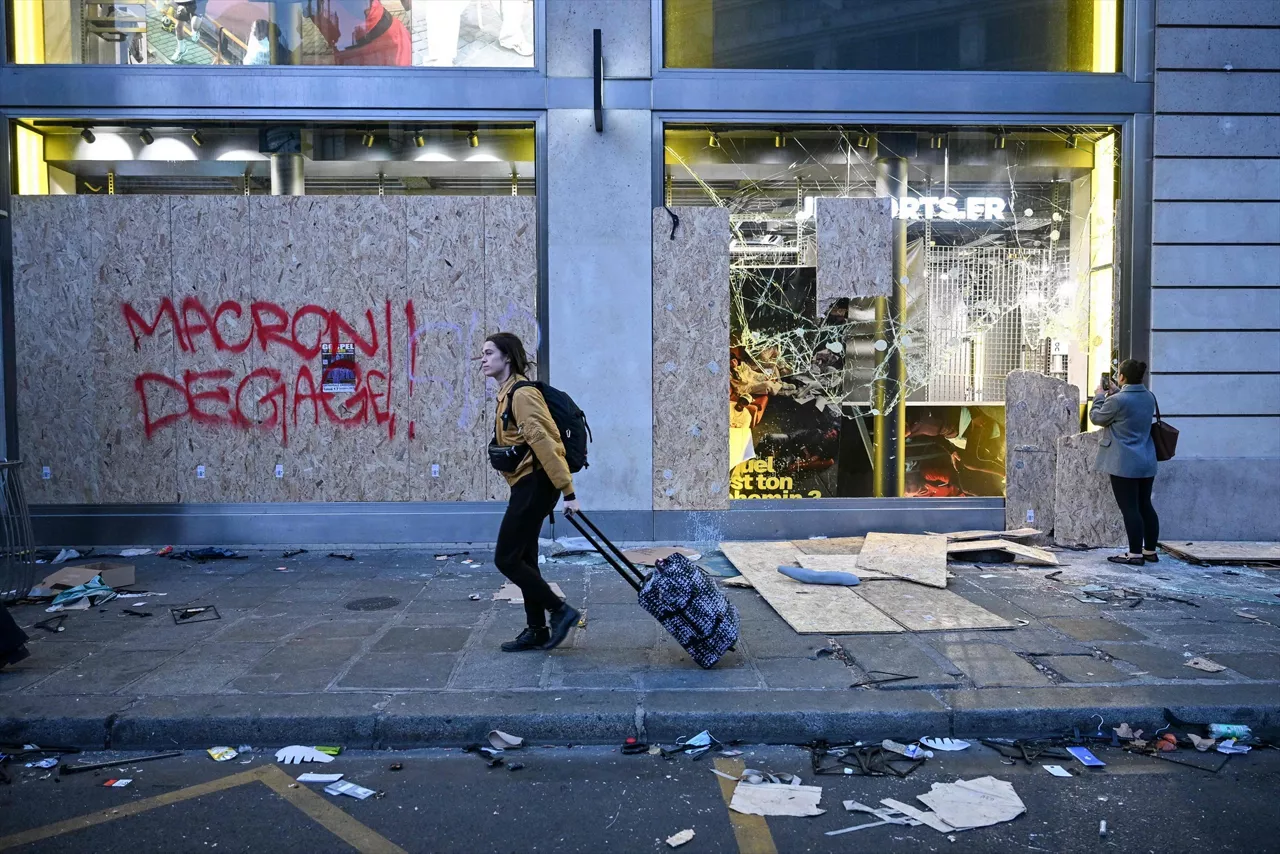
Consequences of the protests in France: one person has died, 1,200 have been arrested and there is destruction everywhere