
The Venezuelan Parliament takes the first step towards adopting an amnesty law for political prisoners
The project, promoted by the incumbent President, Delcy Rodriguez, and adopted on Thursday in the first ballot, includes political prisoners since 1999, when Chavism came to power, and excludes those accused or convicted of serious human rights violations. The consultation process will now be opened and will then have to be approved in a second debate.


The Venezuelan Parliament, with a large official majority, unanimously and in the first debate approved thedraft amnesty law for political prisoners promoted by PresidentD elcy Rodriguez.
The draft includes political prisoners since 1999, when Chavism came to power, and excludes those who have been prosecuted or convicted of serious human rights violations, although it will have to be adopted in a second debate.
The bill is now to be consulted with various sectors of civil society, for which the President of the National Assembly (AN, Parliament), the Chavista Jorge Rodríguez, appointed a special commission composed of 19 deputies, including Nicolas Maduro Guerra, son of President Nicolás Maduro, and former Minister of the Prison Service Iris Varela.
The bill was introduced by the incumbent president on 30 January, almost a week after the arrest of Maduro and his wife in the midst of a gradual process of release of political prisoners.
According to the Criminal Forum NGO, at least 383 political prisoners have been released from prison since 8 January, when the President of Parliament announced the release of "numerous" people.
Venezuelan legislation provides that a draft law must have a first discussion for the explanatory statement and an assessment of its "objectives, scope and feasibility", and then, after a consultation phase, a second and final discussion must be examined article by article for final approval.
You might like

Brussels has opened an investigation against Shein for alleged "addictive" design and illegal sale of products
The European Commission considers that the Chinese platform does not comply with European regulations because it is not transparent with its systems of recommendations and allows the marketing of illegal articles, including material for the sexual abuse of children.
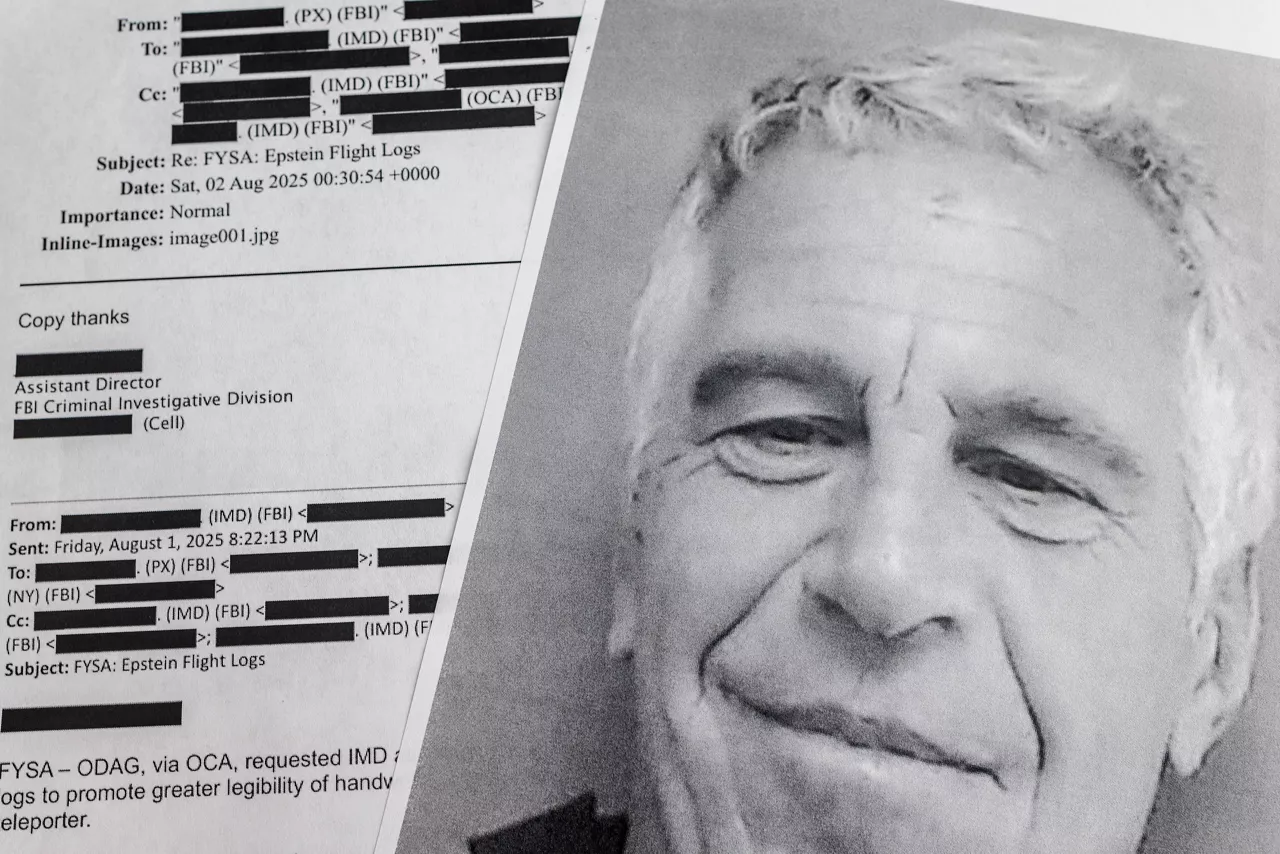
Epstein's papers could be considered crimes against humanity, the UN said
The rapporteurs who have examined the case claim that we are dealing with a criminal enterprise acting with complete impunity. Sexe-slavery, enforced disappearance, torture or feminicide.

How will Israel operate the land register in the West Bank?
Since the same process began in East Jerusalem, only 1% of the affected land has been registered on behalf of the Palestinians.
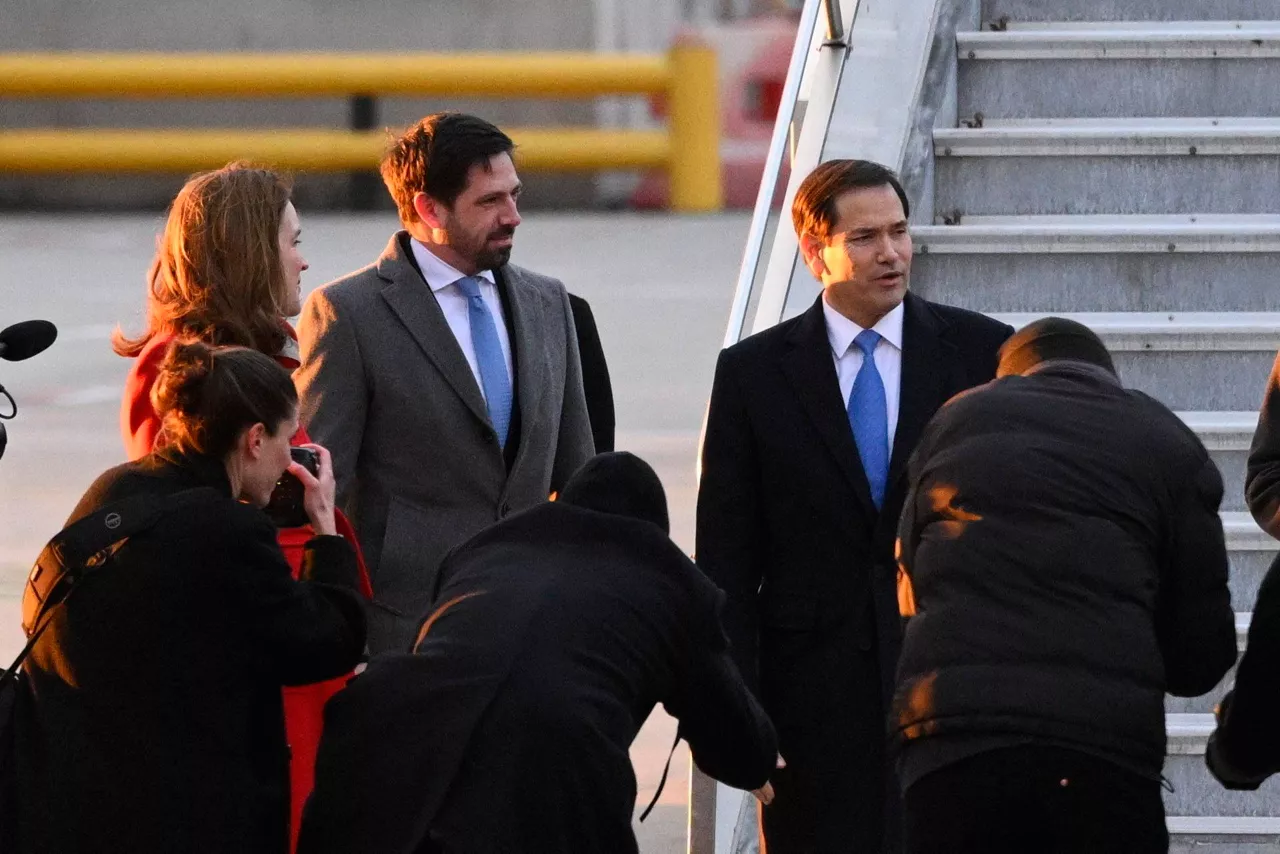
Rubio said the US does not want Europe to be a vassal, but "a strong ally."
On the other hand, the European Secretary-General for Foreign and Security Affairs, Kaja Kallas, has responded to criticism from the Trump administration in recent months. "Although some say otherwise, fallen Europe is not a dying civilization," he said, adding that more and more people want to join "Europe's club."
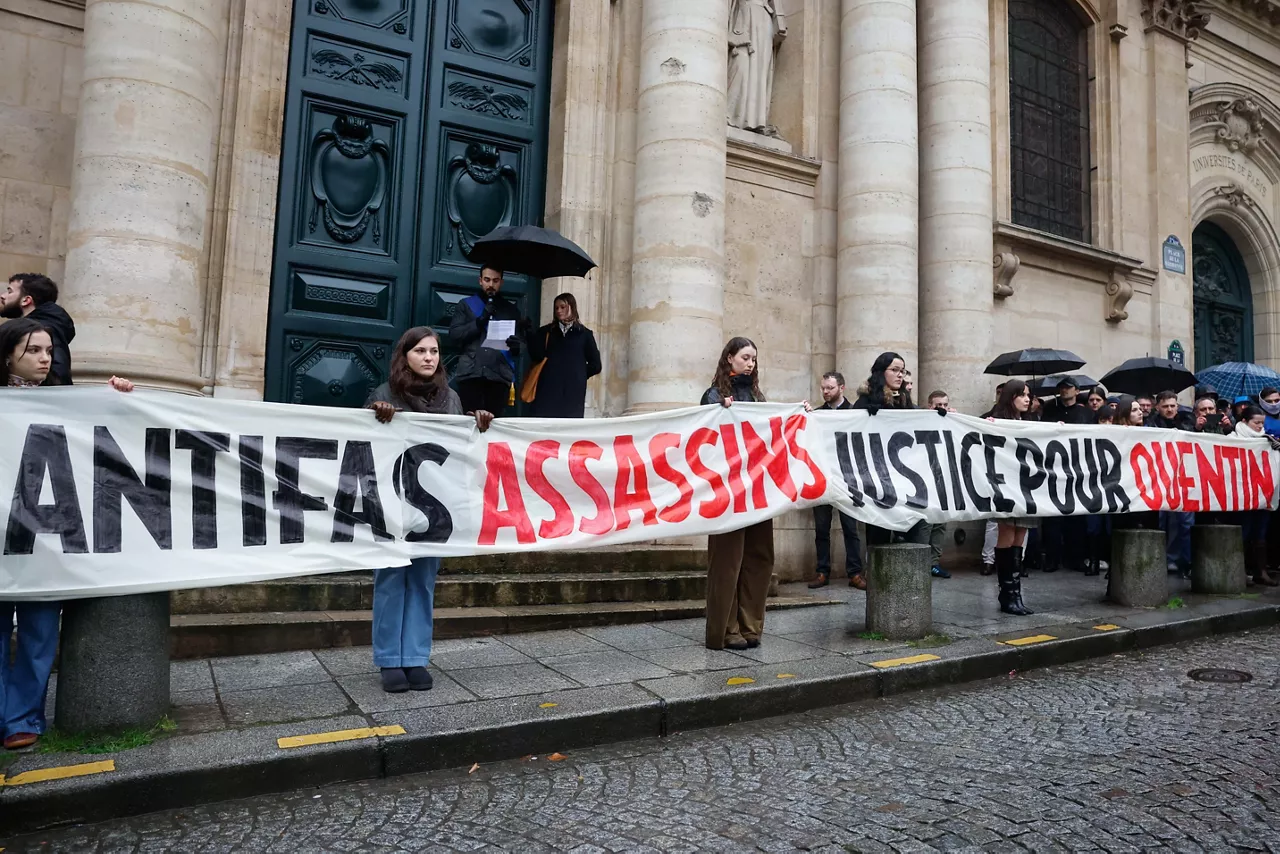
The murder of a young man close to the far right has disrupted the political atmosphere in France
Quentin, a 23-year-old Catholic math student who died on Saturday as a result of the blows he received and after two days in a coma, is being investigated by the Lyon Public Prosecutor's Office.
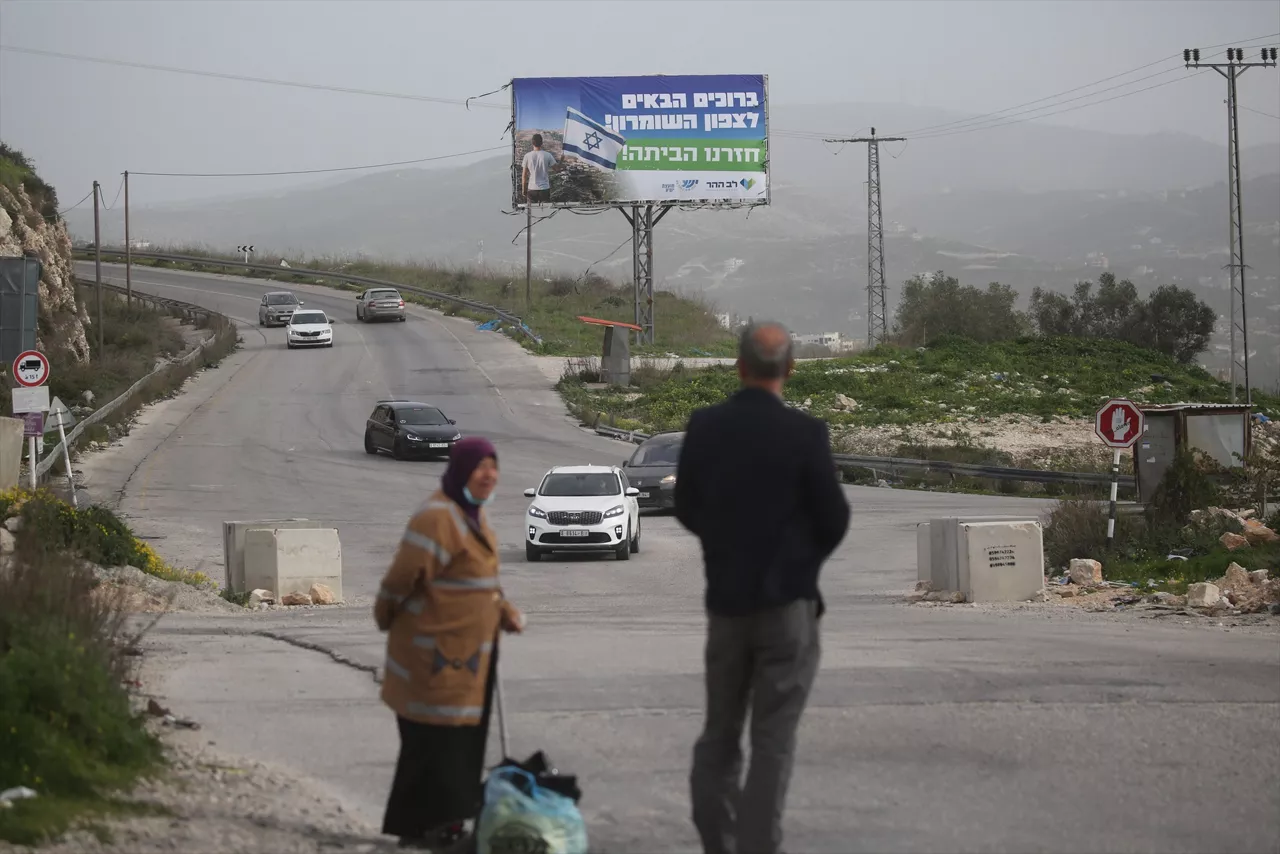
Israel has registered vast areas of the West Bank as part of the state for the first time since 1967
The Palestinian National Authority has denounced the decision as de facto annexation of most of the Palestinian territory.
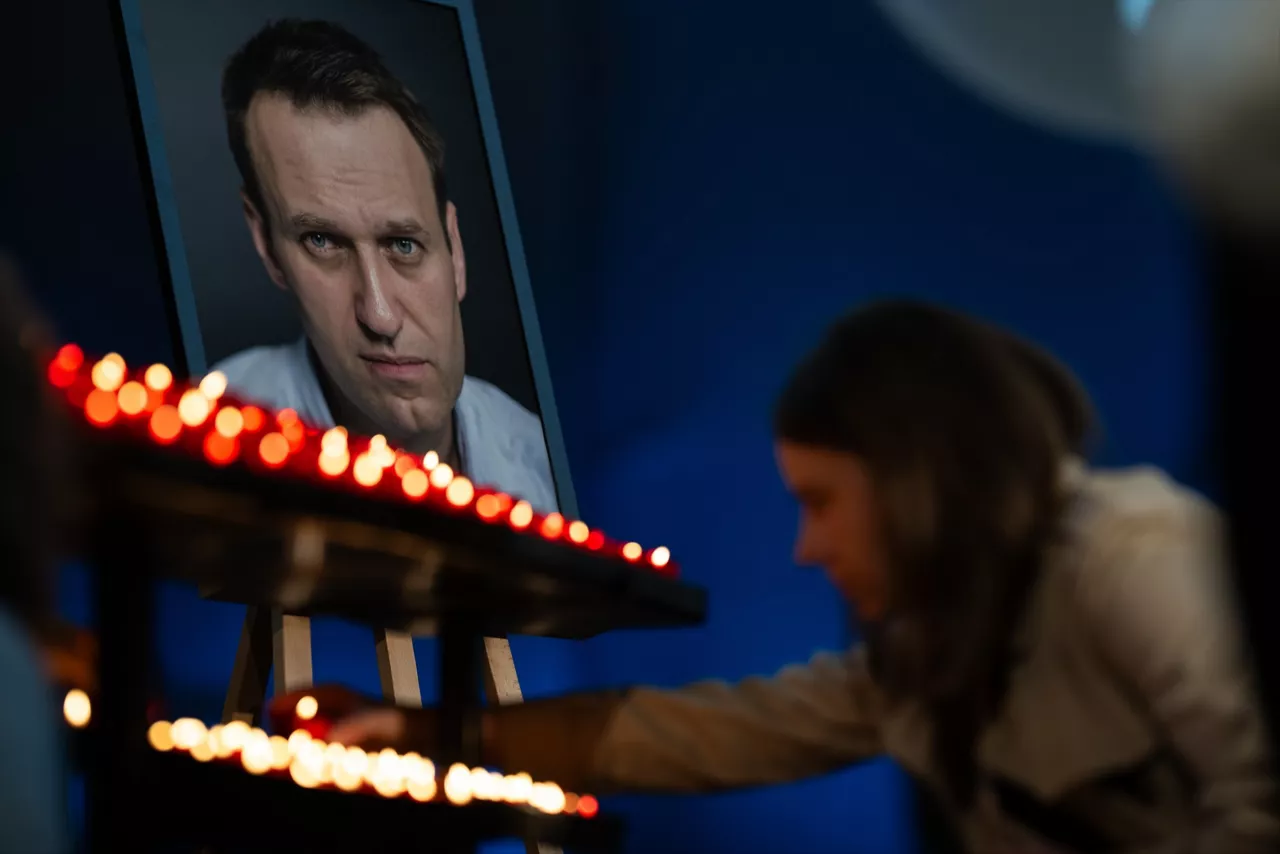
Germany, France, the United Kingdom, Sweden and the Netherlands accuse Russia of killing opposition leader Navalni with a toxin
The poison, originally produced by an Ecuadorian frog, is not "naturally" present in Russia. Von der Leyen denounces the "terrorist" behaviour of the Russian state.
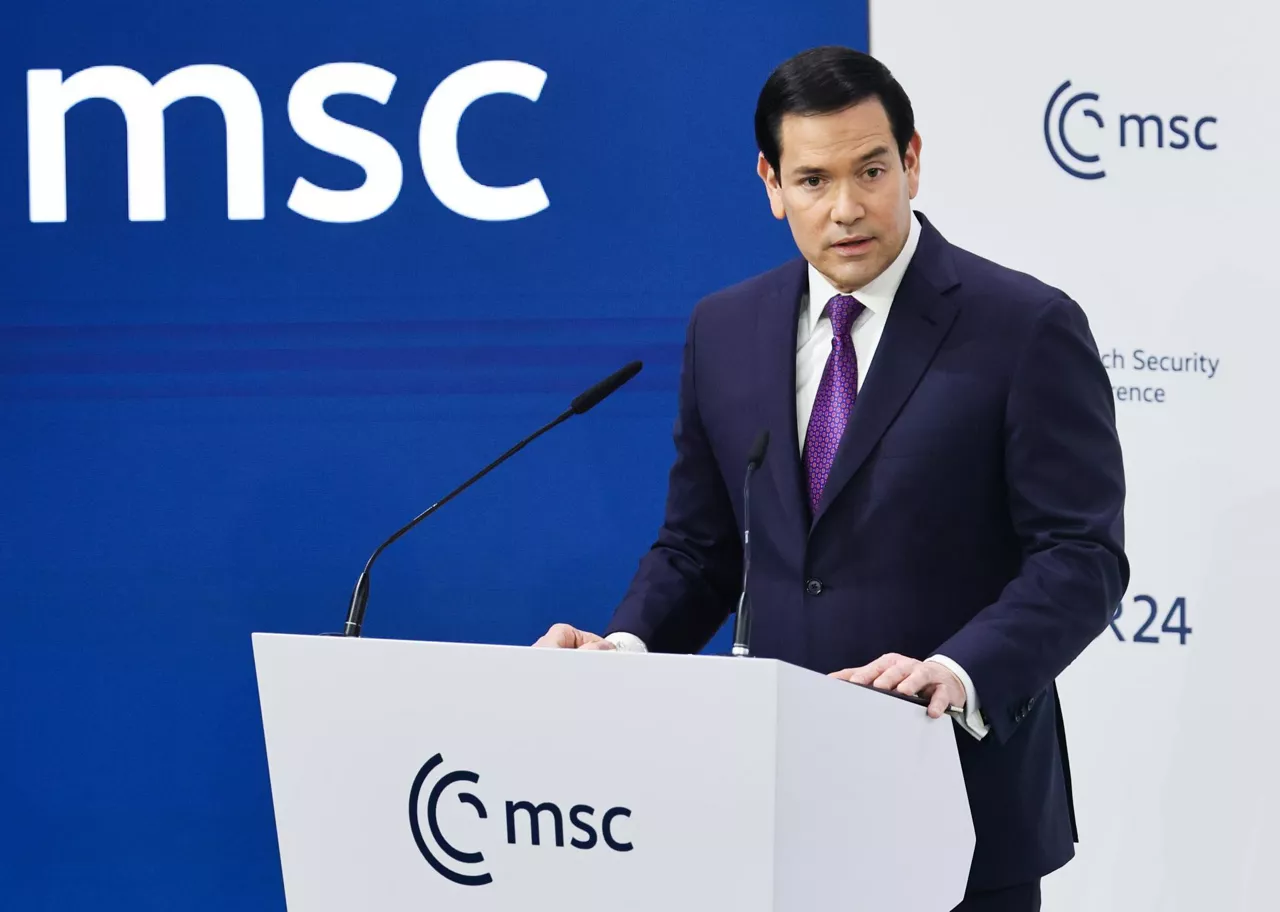
Rubio wants to bring relations between the United States and Europe closer together, but the old continent wants to promote independence
US Secretary of State Marco Rubio praised relations with Europe at the Munich Security Conference on Saturday and relieved the tone of the harsh speech delivered a year ago by the country's Vice-President, J.D. Vance.
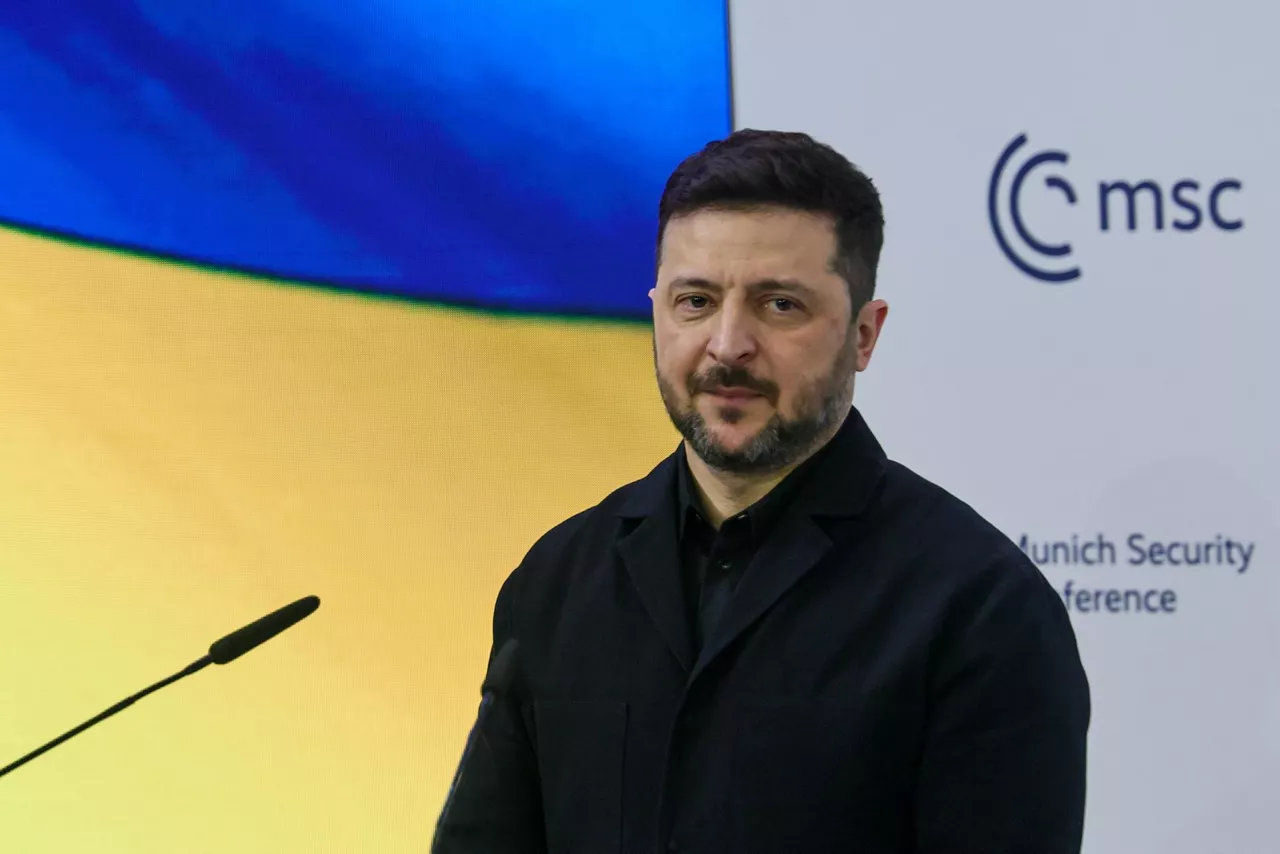
Zelenski says splitting Ukraine will bring no real peace
Ukraine's president has been willing to do everything possible to ensure the success of the US-led peace negotiations, including the immediate call for elections if a two-month ceasefire is guaranteed.
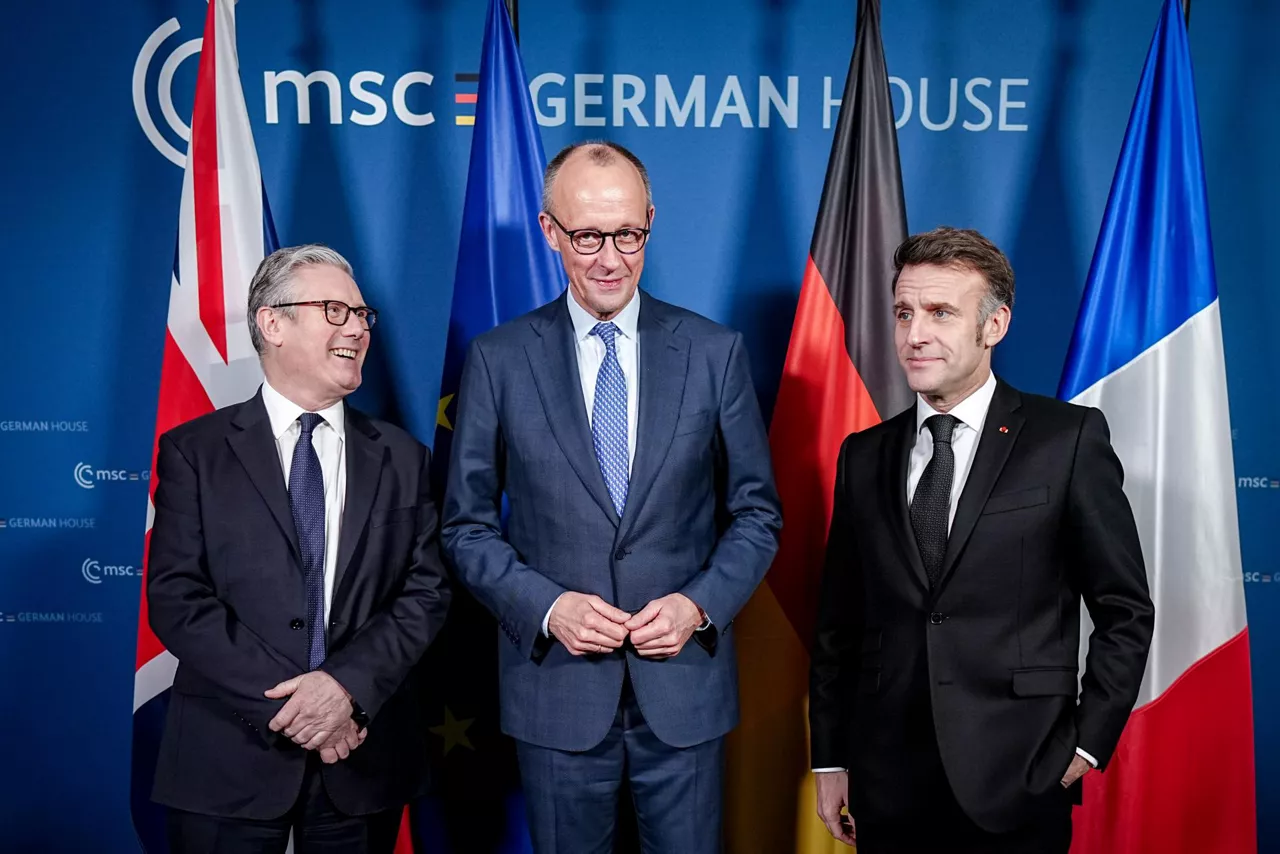
Merz calls for strengthening Europe and reconnecting the relationship with the US at a time of great powers
The German Chancellor has called for Europeans atthe opening ceremony of the Munich Security Conference (MSC), an important meeting that brings together 200 heads of state, government and ministers from A0120 countries.