
Von der Leyen calls on the EU to be prepared to deal with the 'consequences' of the crisis in the Middle East
France has been willing to participate in defending the Gulf and Jordanian countries against Iran's attacks, while Germany has ruled out joining the offensive against Iran and will limit the role of its troops in the region to self-defence.


European Commission President Ursula von der Leyen on Monday urged the European Union to be prepared for the "consequences" of the US-Israel military offensive against Iran in the Middle East. She also warned that the consequences of Tehran's response, which has resulted in more than 550 deaths in Iran, should be taken into account.
Von der Leyen, at a press conference in Brussels prior to the extraordinary meeting of the College of Commissioners focused on security, has warned of the possible consequences, 'from energy to nuclear, from transport to defence, from migration to security'. The head of the European Commission has described the events as' very worrying 'and has indicated that he has been in contact with nine regional authorities and several European authorities over the weekend because the situation is' very changing '.
The leader has been in favour of "working firmly" to prevent the escalation of the conflict, as there have been "numerous attacks", including one against a British air base in Cyprus and one against a Saudi Aramco facility. Von der Leyen has "strongly" condemned the attacks by Iran and its allies on the sovereign territories of the region.
Likewise, following the death of Ayatollah Ali Khamenei, he has proclaimed "renewed hope for the oppressed people" of Iran and defended his right to "determine his future," but has stressed that the region's stability goes through a diplomatic solution that includes "a credible transition" and the "definitive cessation of Iran's nuclear and ballistic programs."
For his part, Swiss President Guy Parmelin has expressed his "extreme concern" about escalation and called on all parties to reduce tension and ensure the safety of the civilian population. In a joint appearance with von der Leyen, he reiterated Switzerland's readiness to participate and assist in possible de-escalation efforts.
France and Germany, for their part, have taken different positions in the face of the escalation of war in the Middle East: while Paris has been willing to participate in the defence of the Gulf and Jordan countries, Berlin has refused to join the military operations against Tehran and will limit the role of its troops in the region to self-defence tasks.
In the case of the United Kingdom, the British Government is allowing the United States to use its bases in the area to carry out attacks, which provides logistical support for the offensive, although no direct involvement in the bombing has been announced.
You might like

Israel Defense Minister Katz has warned that Israel will kill any new leader appointed by Iran
On Tuesday, the Israeli Air Force attacked the building where the Council of Experts was to meet to elect Ayatollah Ali Khamenei's successor, in the holy city of Qom, in an attempt to interrupt the appointment process.

The judge in the Sidenor case has admitted a Palestinian doctor as a victim and a private prosecution
With this particular indictment, in addition to the crime of smuggling, the requirement would be met that the three perpetrators of Sidenor could be investigated as accomplices in the crime of genocide, against humanity and against protected persons and property in the event of armed conflict. The prosecutor had requested the cancellation of the records of Sidenor and the withdrawal of the charges of offences other than smuggling, precisely because this requirement was not met.
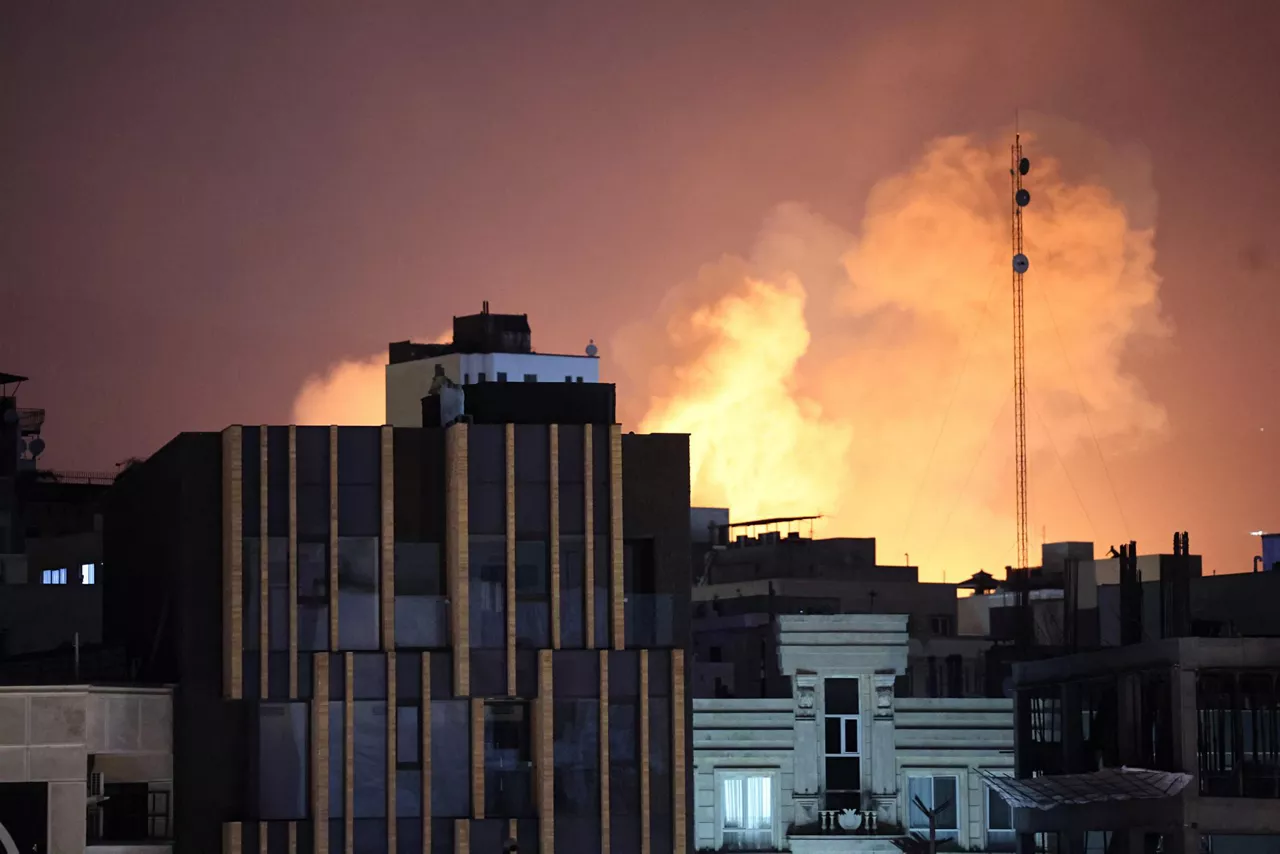
Israel attacks Iran's underground barracks in Tehran
According to the Israeli Army, it has carried out more than 100 attacks on underground barracks and destroyed launch bases and ballistic missiles. It has stressed that the war will last "as long as necessary." Since Saturday, 555 people have been killed in Iran, according to the Red Moon.
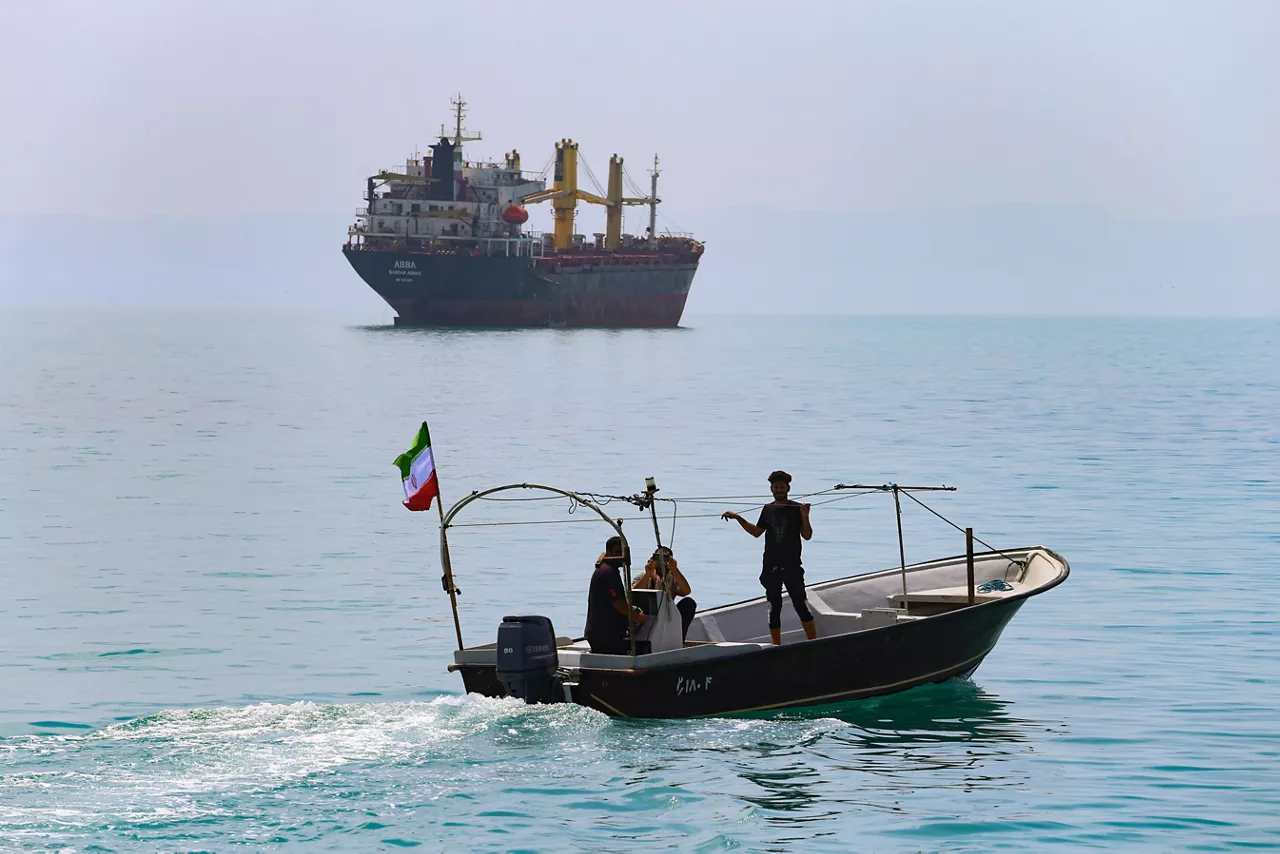
Oil prices rise and incidents in maritime and air traffic due to tension in the Strait of Hormuz
The main shipping companies are reluctant to go through it and have waited to see what happens. They have also cancelled more than 3,000 flights since the Middle East conflict broke out over the weekend.
There will be news: Conflict in Iran, Machine Tool Fair and the day before March 3
A summary, in two words, of what will be news in the Present today.
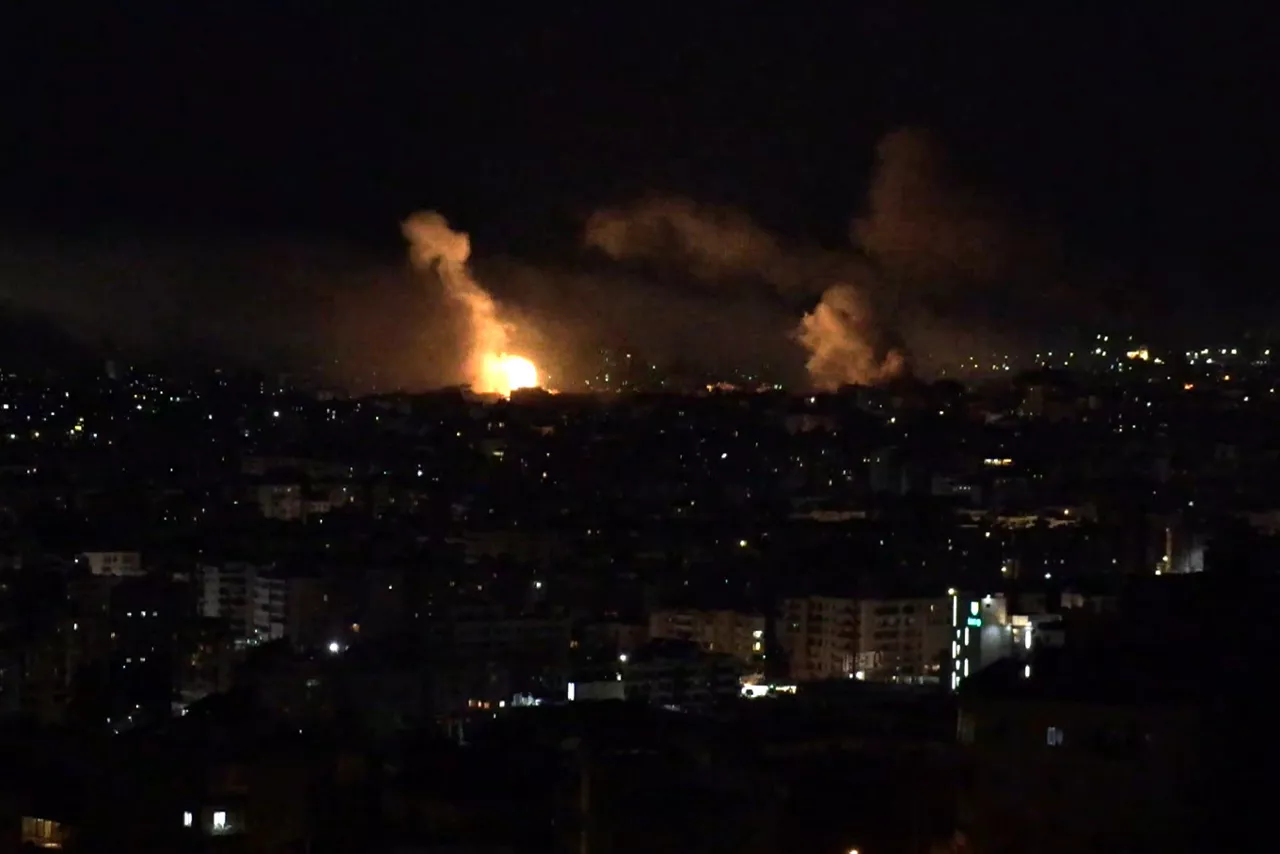
Hezbollah ataca Israel from Líbano and the Israeli army Answer with bombardeos in Beirut
The President of the United States, Donald Trump, proposes a transition in Iran similar to that of Venezuela and states that the offensive could last four weeks or less.

The EU has warned that the Middle East has much to lose from a war and has called for 'moderation'
The foreign ministers of the European Union have denounced the attacks of the last few hours and have called, among other things, for the suspension of movement in the Strait of Hormuz.
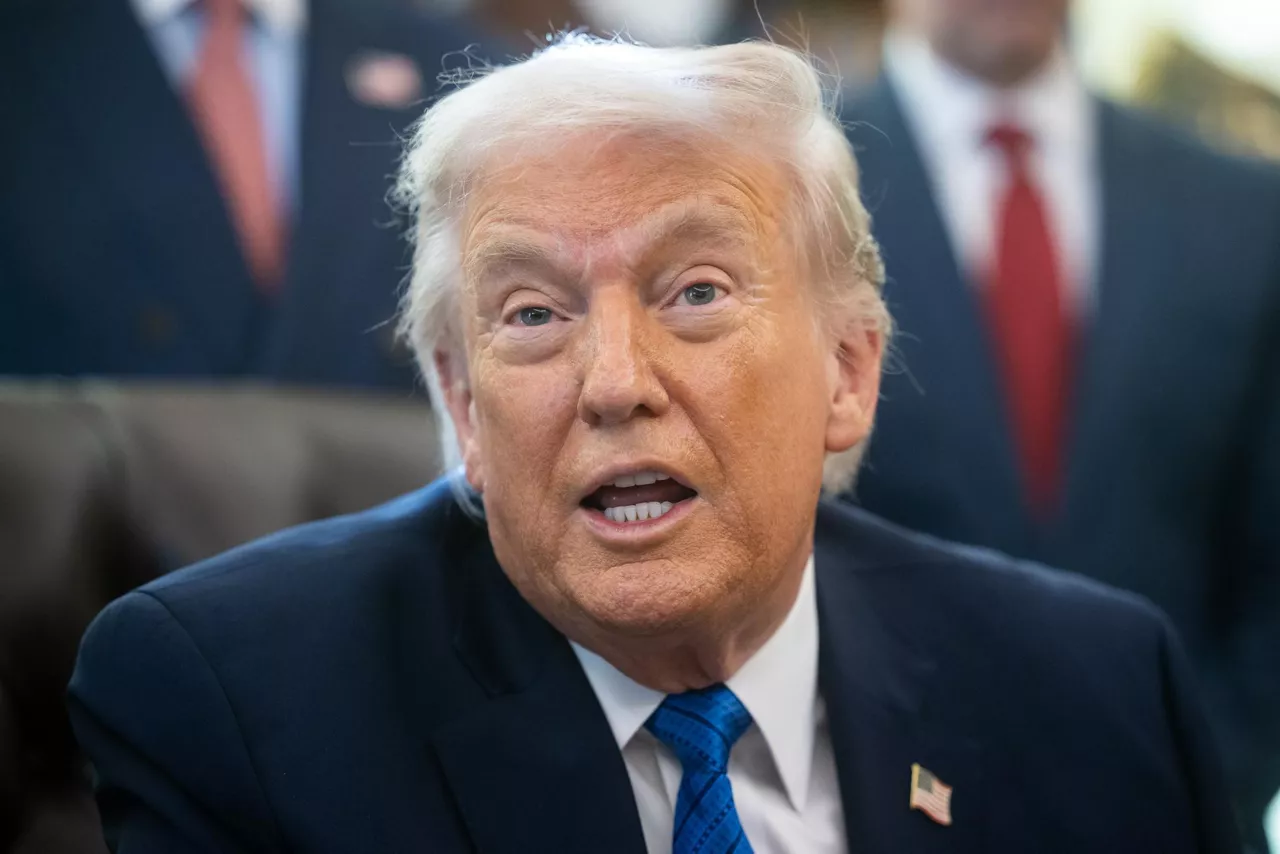
Trump has been willing to negotiate with the new Iranian leaders
"They want to talk, and I accept it, so I'm going to talk to them," he said in a telephone conversation. However, he did not specify when negotiations would begin. The US president added that some of the leaders who have been negotiating so far have died.
Iran has completed a triumvirate that will lead the country until Khamenei's successor is elected
At first glance, it appears that the cleric Alireza Arafat is far from the Iranian leadership and its security establishment, but he is actually deeply involved in the daily work of the clergy.