A study warns of extreme heat at the World Cup and asks FIFA to reconsider the timetable
One in four World Cup football matches in 2026 could be in dangerous heat. A scientific study warns of the risks to players and fans in the tournament to be organized by the United States, Mexico and Canada.


The 2026 World Cup, which will be held this summer in the United States, Mexico and Canada, could have extreme temperatures. According to a study bythe scientific team World Weather Attribution, a quarter of the 104 games planned will exceed the thermal safety limits recommended by the international football union FIFPRO.
According to the report, about five games can be played under conditions that are not considered safeand recommend postponement. For the study, researchers used the WBGT index, which measures the body's cooling capacity based on temperature, humidity and solar radiation.
Experts warn that FIFA's planned hydration breaks may not be enough to reduce the risks of high temperatures. FIFPRO recommends activating cooling measures when the WBGT index exceeds 26 degrees and suspending games when it exceeds 28 degrees.
Vincent Gouttebarge, medical director of FIFPRO, has assured that the findings of the study are consistent with the calculations published by the union in 2023 and has advocated the need to strengthen protective measures to protect the health and performance of footballers.
On theother hand, FIFA has indicated that it is already working on specific protocols against heat. The organization provides for three-minute hydration breaks in each section, cooling infrastructures for fans and players, as well as reinforced medical devices, depending on the weather conditions of each game.
The report also warns of the dangers to fans, especially in cities with non-air-conditioned stadiums such as Miami, Kansas City, New York or Philadelphia. The planned final at the MetLife Stadium in New Jersey would now have a double chance of exceeding thermal risk levels compared to the 1994 World Cup in the United States.
Imperial College London climate science professor Friederike Otto has asked FIFA toreconsiderthe dates of the upcoming World Championships in regions vulnerable to extreme heat.
Another expert, clinical professor Chris Mullington, believes that the most obvious effect could occur in the game itself. He believes that high temperatures will boost "more conservative" football .
You might like
Yellow vests called for demonstrations on Saturday, and Macron accuses Trump of manipulating revolts
Von der Leyen blames several states and other actors for the migration crisis in Ceuta
Milei calls Sanchez a "dictator" and accuses him of promoting an "invasion" in Ceuta
Partial curfews will be imposed in several French cities due to riots
Macron holds the far left responsible for the violence and conveys his support to the police and traders
Violent protests in Italy and Albania against rising prices
Riots erupt again in Paris the day after the protests
The Pope reappears in the Vatican to pray for the Angelus
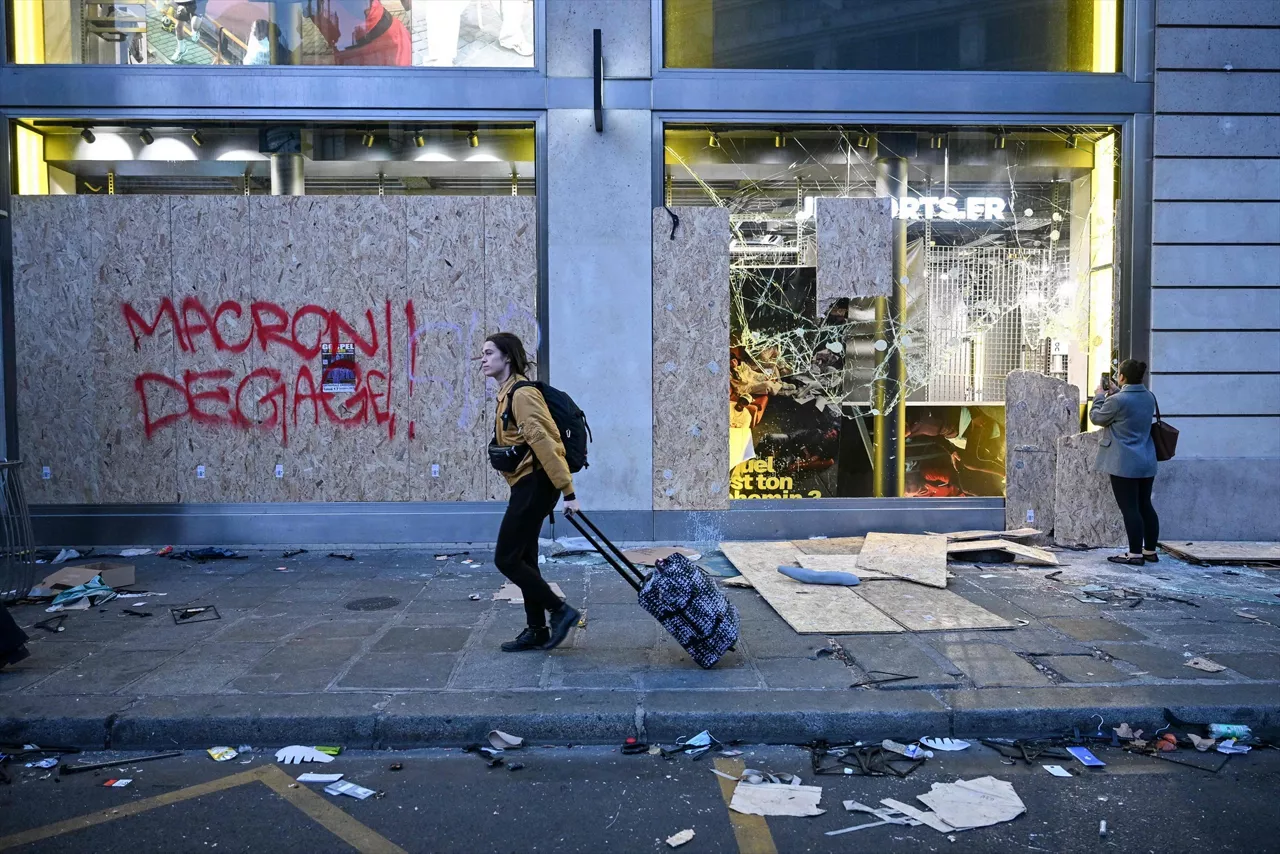
Consequences of the protests in France: one person has died, 1,200 have been arrested and there is destruction everywhere