
Football and geopolitics: the Mussolini World Cup, the revenge of Maradona and the cracks in multicultural France
Football, and especially the World Championships, have historically been used for political purposes, for purposes that go beyond the field of sport.

Italy's 1934 World Cup, with the judges making a fascist farewell.

The tribute to fascism at the 1934 World Cup has remained for history, with the Italian players with their arms held high, the threatening presence of Mussolini, the whole imaginary of fascism in the stadium of the National Fascist Party, one of the clearest and most terrifying examples of the tendency of totalitarianism to use sport as an instrument of political legitimization and propaganda.
The link between football and politics, however, is not confined to totalitarian regimes; throughout history, sports successes and major international tournaments have been used by all kinds of governments as political instruments, sometimes to foster social unity or national identity, sometimes to pursue darker goals.
The emotional dimension of football and its social expansion are too great to be oblivious to the logic of power. In the view of the British sociologist Alan Bairner, they are unparalleled. Apart from wartime, the sense of community among the members of a nation rarely manifests itself as vividly as in major sporting events.
Sporting triumphs - and failures - become an instrument for measuring the success of an entire country, thus blurring the boundaries between sport and politics.
Final at the National Fascist Party stadium
The 1934 World Cup is one of the most studied examples of using sport as propaganda. Twelve years after Mussolini came to power, the regime sawa great opportunity to show the world its new image, linked to modernity, order and national strength.
From a symbolic point of view, the entire tournament was full of fascist imaginations, and in sports, Italy played not only on the field, but even though Giuseppe Meazza was one of the best players of the time, he nationalised players of Italian origin born abroad to strengthen the selection, andfor years it has been reported that the regime put pressure on referees and federations.
The final of the tournament, against Czechoslovakia, was held at the Stadio Nazionale del Partito Nazionale Fascista, one of the main exponents of the regime's symbolic architecture, and the whole imaginary was designed to extol the power and aesthetics of the regime.
Fascist propaganda spread images of the final aroundthe world as evidence of Italy's supposed strength and vitality, and Mussolini presented victory as a sign of fascism's success.
Revenge of the Malvinas War
The 1986 World Cup was a means of revenge for Argentina. The Malvinas War left a deep mark on Argentine society. The defeat against the United Kingdom caused a kindof national humiliation that was stuck in the collective imagination of the population.
Four years later, the 1986 World Cup in Mexico offered an unexpected scenario to channel the hitherto accumulated wrath and exercise revenge. In the quarter-finals, Diego Armando Maradona's Argentina and Gary Lineker's England faced each other ina match of great political and emotional significance.
But that game went down in history for football reasons, and Maradona scored two of the most famous goals in football history: "The Hand of God" and "The Goal of the Century."
At the end of the game, Maradona herself confessed that she had an air of vengeance. It was a rematch. It was the recovery of something from the Malvinas.
Argentina would win the World Cup, and Maradona was the best player in the tournament, and once again football became a space for projecting conflicts and identities off the field.

The Mirage of Multicultural France
The victory of France in the1998 World Cup had overtaken the sporting arena, led by Zinedine Zidane, a Marseilles of Algerian origin, who was accompanied by players from various backgrounds: Marcel Desailly, born in Ghana; Patrick Vieira, in Senegal; Youri Djorkaeff, with Armenian roots; Lilian Thuram, from Guadeloupe; Christian Karembeu, from New Caledonia; and Thierry Henry's family from Martinique and the Guadalupe Archipelago.
There were other names like Laurent Blanc, Fabien Barthez, Emmanuel Petit, and there were two essential Basque players in the lineup: Bixente Lizarazu and Didier Deschamps.
During the tournament, the term black-blanc-beur was spread to explain the diversity of that selection: black players, whites of European descent and children of Maghreb immigrants.
The team was strong and effective throughout the tournament, and in the final they crossed paths with the Brazil of Ronaldo Nazario, Bebeto and Rivaldo.
The image ofthe champions became a symbol of French society, and the authorities took advantage of the victory to proclaim the success of national unity, social cohesion and multicultural France.
The conflicts of the next few decades, the marginalization of the banlieues, and the rise of the National Front — the current Rassemblement National — nevertheless showed that the image thatthe authorities wanted to spread was more of its impression.

World Cup in post-apartheid South Africa
Sixteen years after the end of apartheid, the 2010 World Cup was an excellent opportunity for South Africa to show a renewed, democratic, culturally diverse and fully integrated country in the international community, and it was also the first World Cup in Africa, which gave it great symbolic significance.
The opening ceremony, new infrastructure and broad citizen participation helped spread this new image, and the World Cup became a showcase for post-apartheid South Africa.
Although it was not economically profitable, it helped improve international image, strengthened popular pride and encouraged infrastructure modernization .
Putin's World Cup
The World Cup in Russia has also been viewed by many experts from a geopolitical point of view, a tournament that Vladimir Putin's government used as a tool for international projection.
The Kremlin wanted to demonstrate modernity , stability, and organizational capacity after the annexation of Crimea in 2014, which created enormous tensions with the West.
The tournament was used by the Putin government, both internally and externally, as a clear example of sportwashing , and even then football was put at the service of political goals beyond mere sport.
You might like
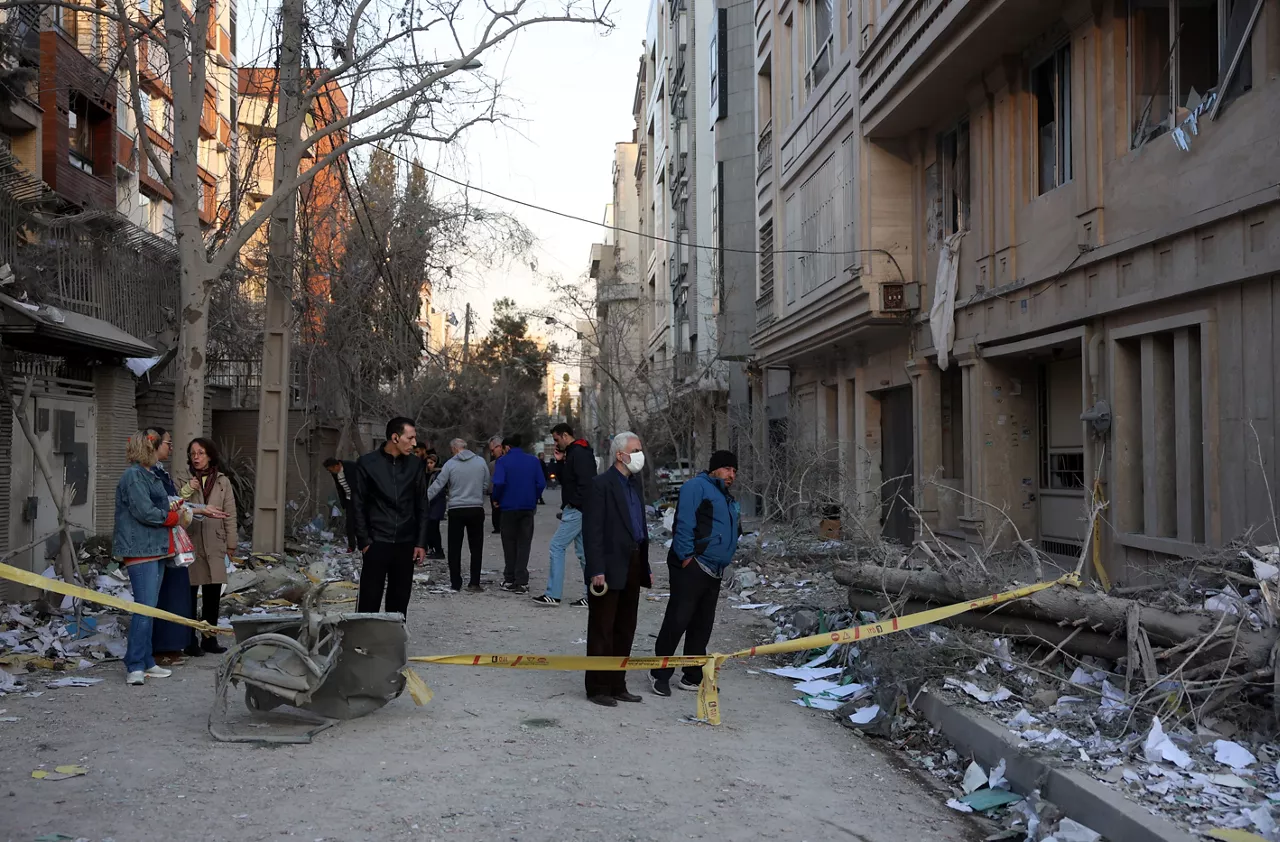
Iran rules out signing an agreement with the United States on Sunday and anticipates "for the next few days"
Pakistani Prime Minister Shehbaz Sharif, for his part, announced today that the US and Iran are "closer than ever" to a peace agreement that will come in 24 hours.
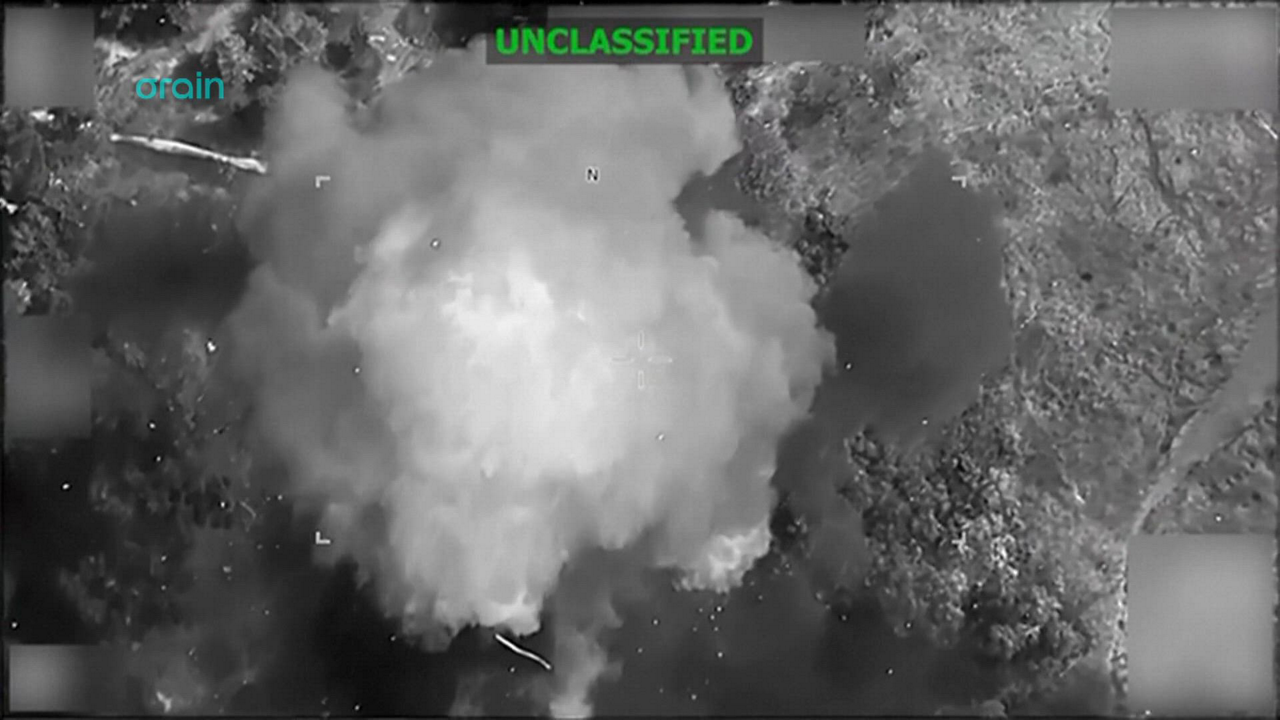
Trump announces the death of 'Niño Guerrero', leader of the Venezuelan band Tren de Aragua
U.S. President Donald Trump has announced the murder of Hector Guerrero Flores, 'Niño Guerrero', leader of the Aragua Train group, a terrorist group that the U.S.
Iran and the US agree to a text Pakistan says they are still negotiating next steps
The Prime Minister of the Asian country, who is mediating the negotiations, has said that they are negotiating intensively. Iran, on the other hand, has acknowledged that "never" has the deal been "so close." Donald Trump announced on Thursday that it could be signed later this weekend.
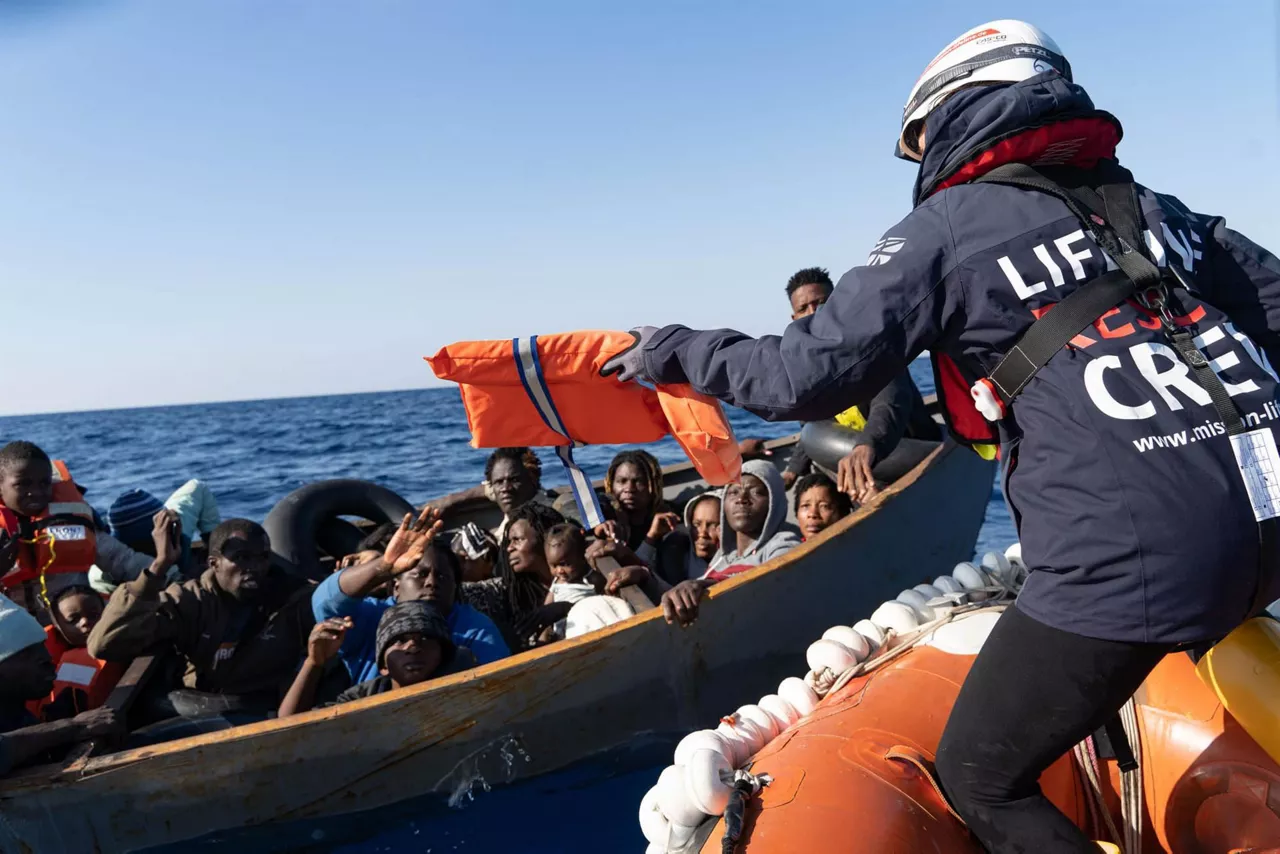
There will be news: the EU Migration and Asylum Treaty, the UPV-EHU graduate and postgraduate event in San Mamés and the presentation of the new electric vehicle in Mercedes Vitoria
In two words, a summary of what will be news of the Present today.
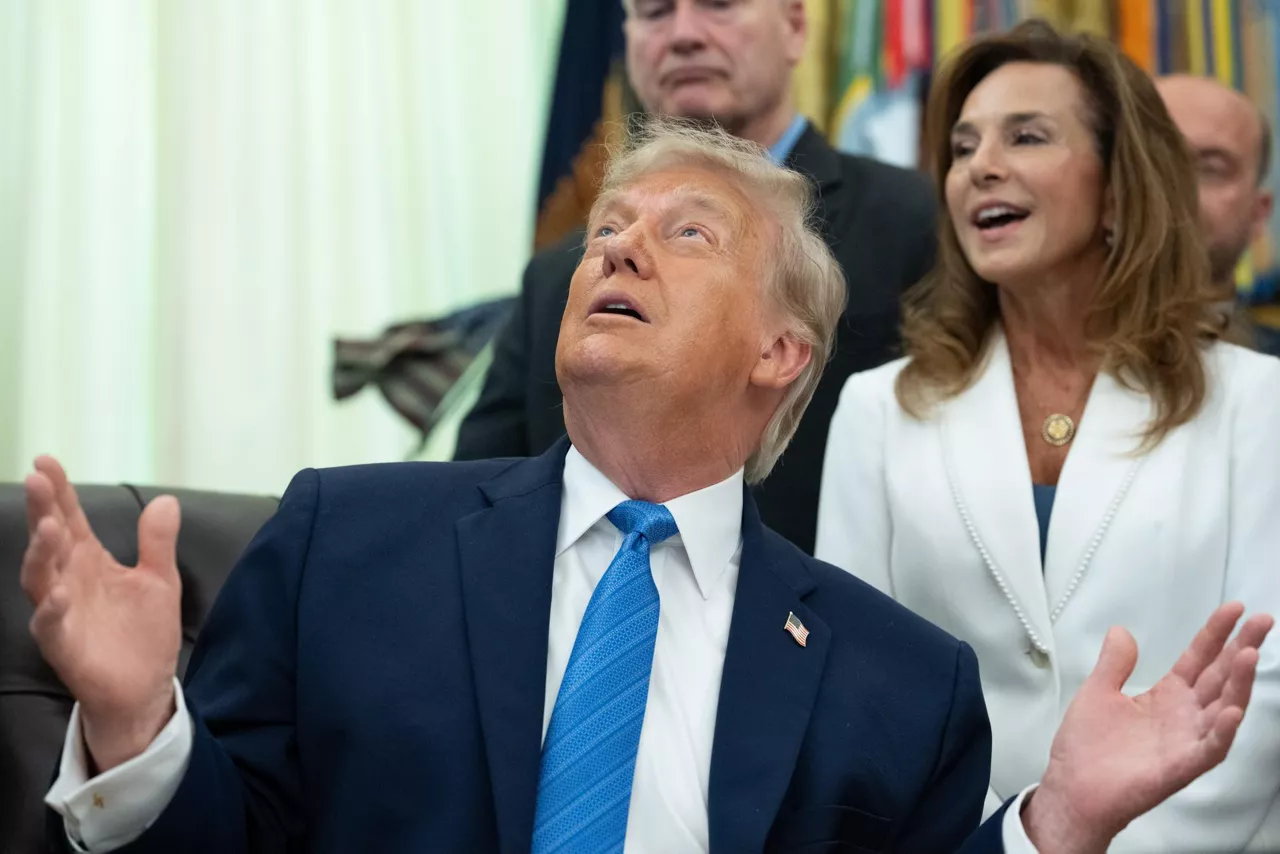
Trump cancels attacks on Iran after agreeing on "final points" of the deal
"The naval blockade will remain in force until this transaction is completed; the date and place of the signing will be announced shortly," the US president said.
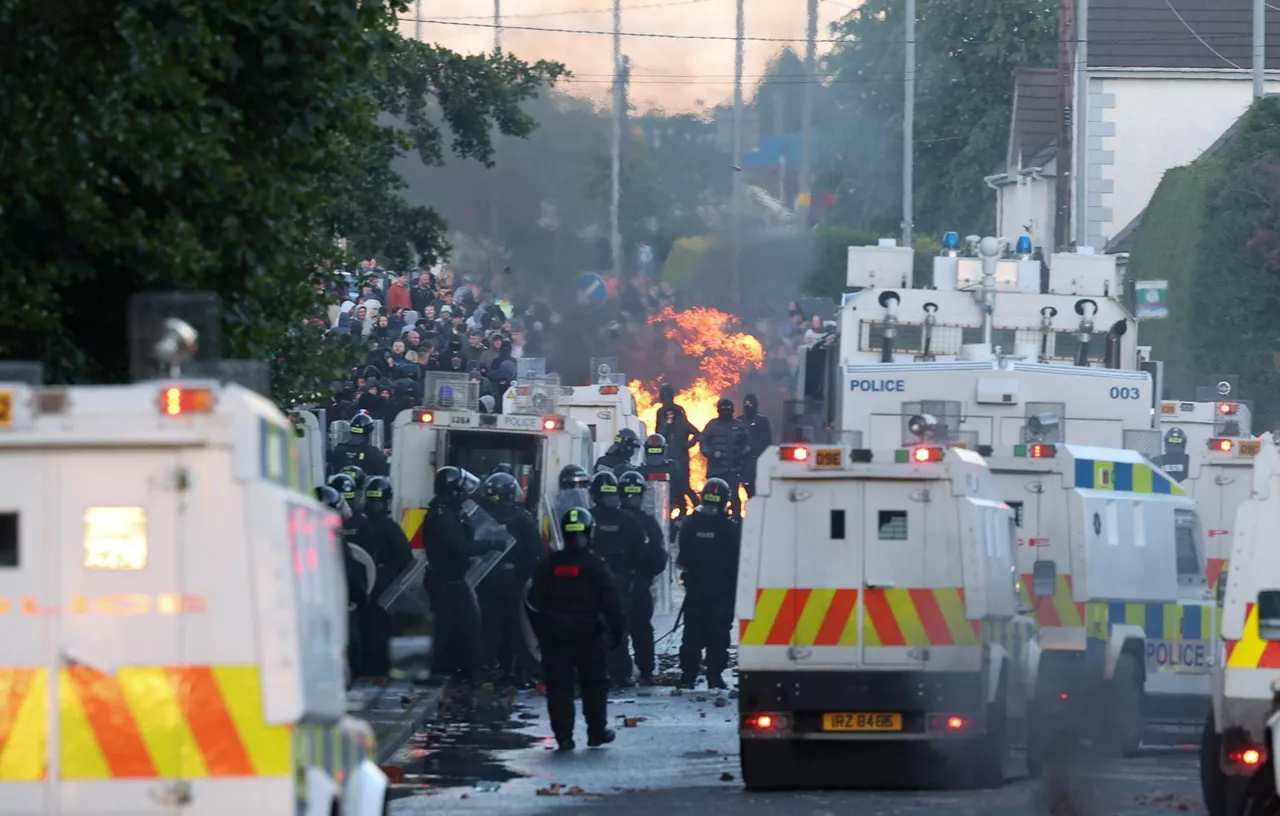
There's been riots in Belfast for the second night in a row
Police have used water cannons to disperse protesters in Belfast and Glengormley after they threw stones and bottles at police officers. There have also been protests and riots in Derry, Newtownabbey and Stormont.

Iran threatens to turn the Middle East into "hell" for the United States
The Iranian Army has announced the "complete" closure of the Strait of Hormuz, which has been denied by the United States. Moreover, the Iranian Revolutionary Guard has attacked several Middle Eastern countries with US military bases, including Bahrain, Kuwait and Jordan.
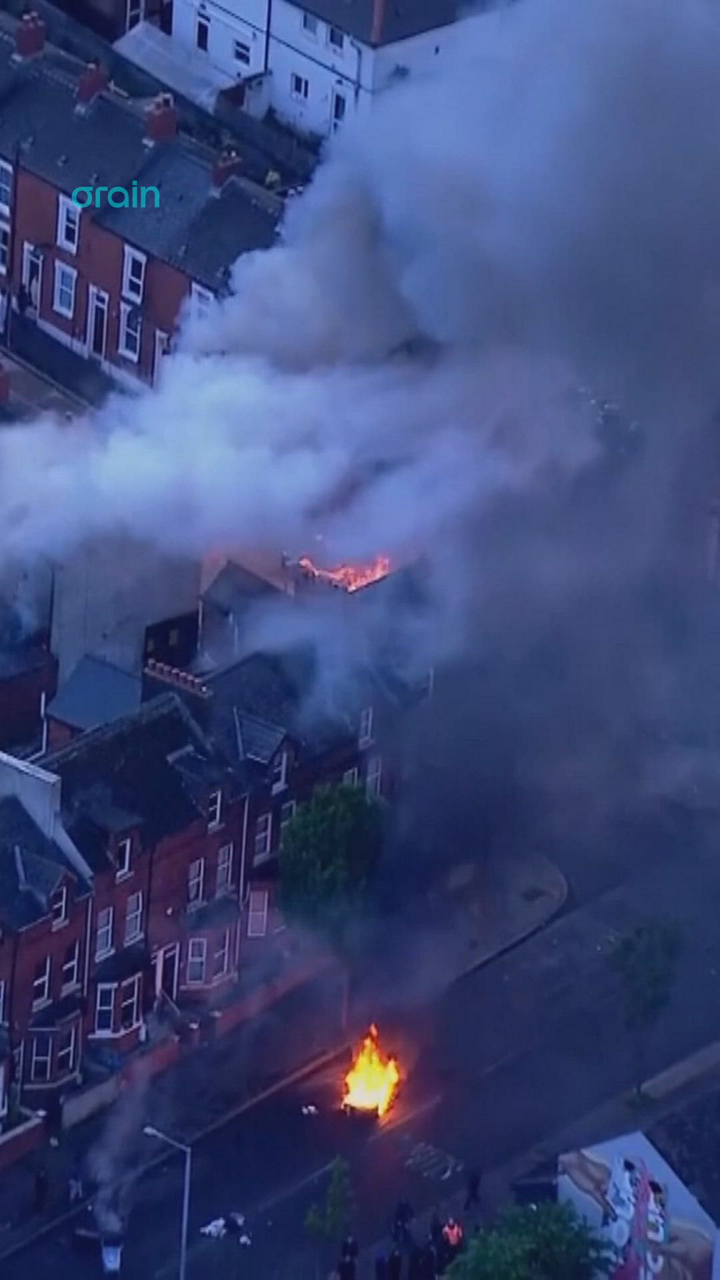
Serious riots in Belfast after one Sudanese man stabbed another
The Justice Minister of Northern Ireland, Naomi Long, has accused the far right of precipitating the riots.
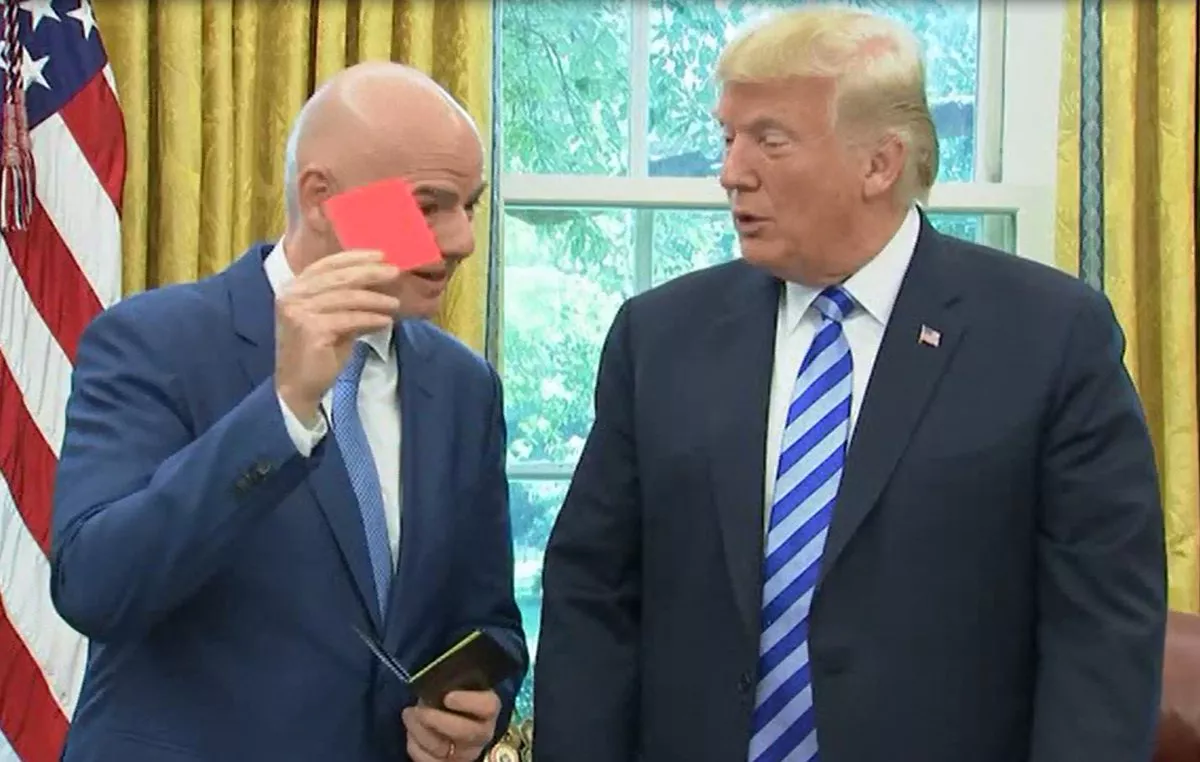
Trump will also play the World Cup to broadcast the story "America is Back"
The President of the United States has promised the "greatest, safest, and most wonderful" World Cup and will take advantage of the rendezvous to project himself, even though the contradictions may become apparent.