
Code: "We felt limited in the rock style we had at the beginning."


"We are going backwards, if we are not going forward," sang Berri Txarrak (it is another thing what drives us forward, you can add), an assertion that the group of Kode Azkaine and Urruña, the duo formed by Eki Arizaga and David Lakarra, would certainly support, and that has even embodied the phrase, brought to life, as evidenced by the progress of their music in two years.
Kode mixed melodic hardcore, classical rock and some grunge touches, while still in trio, on his 2024 album The Way of Desires, but, they've made that sound and the trio format disappear in Destroy.001 , a lot of fresh EP, enriching and expanding his melodic and rocking proposal with electronic sounds.
Anyone who hears the songs "Do You Breathe?", "Through the Shadows", "Lost Memories" and "Sometimes" may think of Bring Me TheHorizon, Splinters, Dupla, or Turnstile, but after the destruction of Zirena, Eki and David are building what they are and what they will be, despite the influences, with strength, melody and sophistication.
We talked to them.
What is the origin of the Code, what is the source code of the group?
David: The code is a group formed in 2023 among friends, we were three at the time, now we are made up of Eki Arizaga and David Lakarra, we are from Lapurdi, specifically from Azkaine and Urruña.
Eki: The code name is not just music. We've always had a taste for audio and light programming. In the end, we spend a lot of time automating, encoding, looking for new codes.
Why does Destroy come now and why in a four-song EP format?
David: We wanted to get the songs out slowly, giving each one its importance, working out its timing and its corresponding visual.
Eki: In the format of the entire album, there are some songs that go unnoticed, and our intention is to give everyone their identity.

In the new EP, what part of the old Code did you want to destroy and what part of that version of the group did you want to keep?
David, we felt limited in the rock style we had at the beginning, and our idea was to start from scratch, in a new style.
At the same time we broke the triple-format of the group, which had hitherto been destroyed.
Thereverse of Destroy, the second Build EP, is supposed to come soon.
Eki: The second EP is already composite and engraved, destroy it's the transition EP, the balance between rock and electron, build it more electronically.
David: We don't have a closed style of music, we're open to what's coming, we want to be free to create what we feel at the moment, navigating, depending on the mood, different styles.
The electronics have come half way into your proposal that we could have included in the standards of classical rock before.
David: For my part, at the beginning of the Code, I was at a time when I was listening to a lot of rock, and I had long dreamed of making a rock album, although I've always heard different styles of music.
In this change, the initial idea was to add a few little electronic details, and as soon as we started, we came up with the idea of making changes.
At the time of the composition, we took some of Eki's rock models and added electronics, and now we're doing it the other way around, adding rock to electromodels.
There are echoes in Destroy: Turnstile, Bring Me The Horizon, Asking Alexandria, Enter Shikari... What groups have led you to the sounds you're making today?
Eki: If you don't want to, you can be influenced by these groups, if you have a mix, from one end to the other.
David: I hear a lot of K-pop: Blackpink, Le Sserafim, Aespa.
Eki: At the same time, House of Protection, Electric Callboy, Linkin Park, Bring Me The Horizon...
David: Electro , Fred Again, Skrillex... many, but no particular artist.
As for the people here, Merina Gris, Bengo, Nakar, Naxker...
How has the introduction of electronics conditioned the composition and performance of new songs?
David: This has completely changed the creation process and the way we make albums. To create songs, we record everything directly on the computer, sharing the idea that you've had or creating it together, working on it.
We create it in regularity and spontaneity with respect to the former format.

The slogans are very remarkable in the four EP songs, how do you look for or find an effective refrain, what do you have to go for or how do you show up?
Eki: We've always tried to make effective slogans and melodies, paying attention to rhymes or sonorities, embellishing the meaning.
Sometimes it comes out at the first stroke. Sometimes it asks a lot of essays, because we work it out until it's suitable for us, even if the song has to be completely changed.
How are you going to take the new songs and that electronic side to the direct?
David: Eki sings and plays guitar, and we also have parts of Synthe that we're going to put more into over time to make a kind of duel.
I make a mix between the acoustic battery and the electronics, with the help of pads , and we send audio bands to complete everything.
What's a Code concert supposed to be like for you, if you're going to stay calm?
Eki: We want people to get into our music, take advantage of the moment of the concert and convey the happiness that we feel.
David, we'd love for the Code concert to be an escape route, for people to forget their concerns for an hour and enjoy it with us.
What are your plans for the coming months, where do you want to take it or where do you want the Code to stop in the short, medium and long term?
Eki: Our intention is to continue with music, to live on it, despite the difficulties, but we are clear that we will continue to do what we love.
David: We intend to continue working and creating compositions, always with the aim of presenting innovations.
Eki: On the concert side, we'd like to play more in the South, expand our project, make a place in the Basque Country scene.
In general, the Basque Country is very rich in musical creation, but I would say that musical creation is becoming less and less valued, and that new creations are difficult to capture.
The Bloc, the Nest, the Quartz, the Odei, theMoor, the Orbel, the Masks, the Ztah, the Xak... Is there a common line behind the joyful prosperity of the Northern Basque Country?
Eki: The North is often used in a simple way, especially from the South. The Northern Basque Country is three territories, each with a different reality, as each territory of the South has.
There have always been groups here, in recent years there has also been a new group. There are fewer of us here, which is a constraint on the public and we need to see Euskal Herria as a whole.
Crossing the border is not the same for both sides: for a Labour group in Bizkaia, in Navarre... it is more difficult to play many times, for a Guipuzcoan, for an Alavés... than to play all over Euskal Herria.
I think it's a paradox: to play in the North you have to be known in the South.
You might like
Live: Basking Beat & Bite
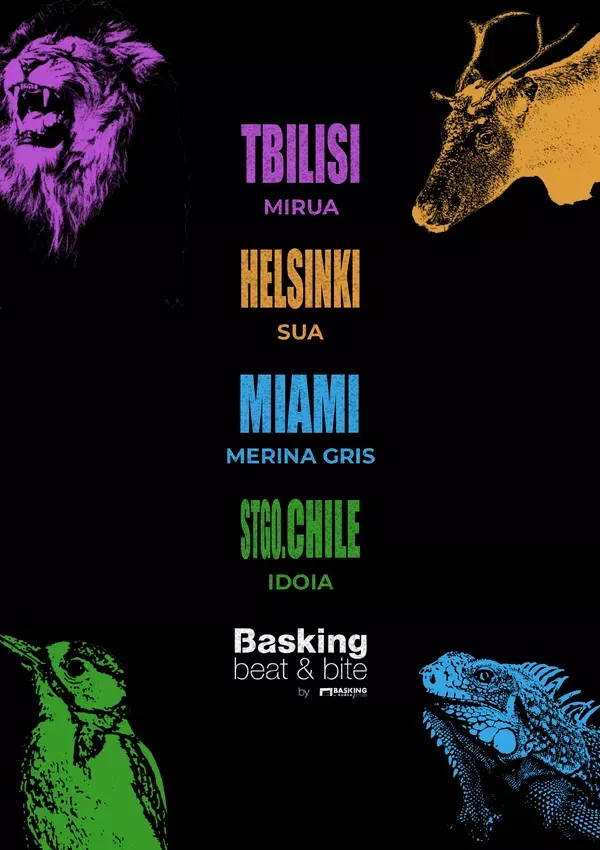
A new edition of the Basking Beat & Bite festival will be held on August 29, with simultaneous concerts in Miami, Santiago de Chile, Helsinki and Tbilisi. The programming will include four current Basque music proposals: Merina Gris, Mirua, Sua and Idoia.
ETS has turned Europa Park upside down, singing "Marijaia is coming"
Around 37,000 people have attended the concert of the Alavés group and all the songs have been sung unanimously. ETS has surprised the attendees of the Parque Europa with the song Badator Marijaia.
Dolly Parton, the famous country music star, is dead
The American singer and songwriter died at the age of 80, having been ill in recent months and canceling several concerts.
ETS will make Bilbao dance today on the first night of concerts at Parque Europa
The appointment is at 00:00, in the framework of Aste Nagusia and by the hand of Gaztea Gaua, in addition to other musical proposals such as the performance of the Banda Municipal de Bilbao, together with Serafín Zubiri, at 23:30, in Abandoibarra.
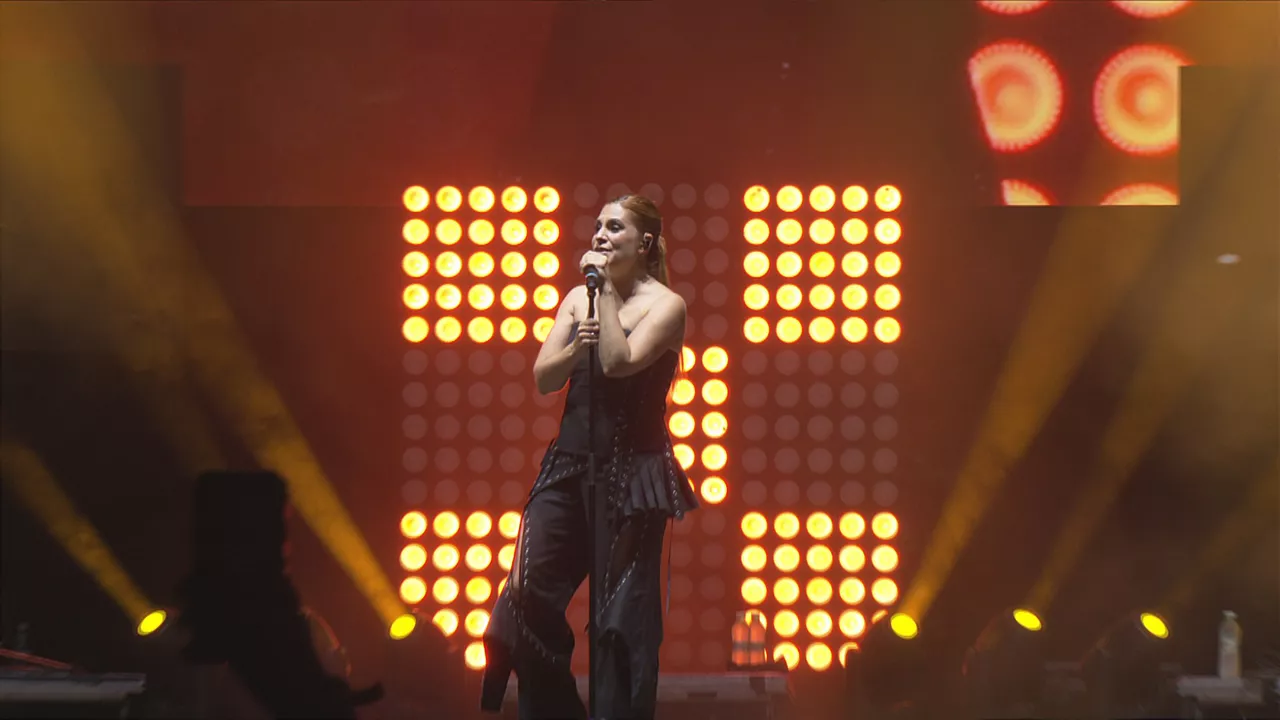
Leire Martinez has gathered 13,000 people in Abandoibarra on an unforgettable night
The Donostiarra singer has presented in Aste Nagusia the first work of her solo career, Stories of that girl. It has been a concert full of emotion and spaces for nostalgia to start a new era.
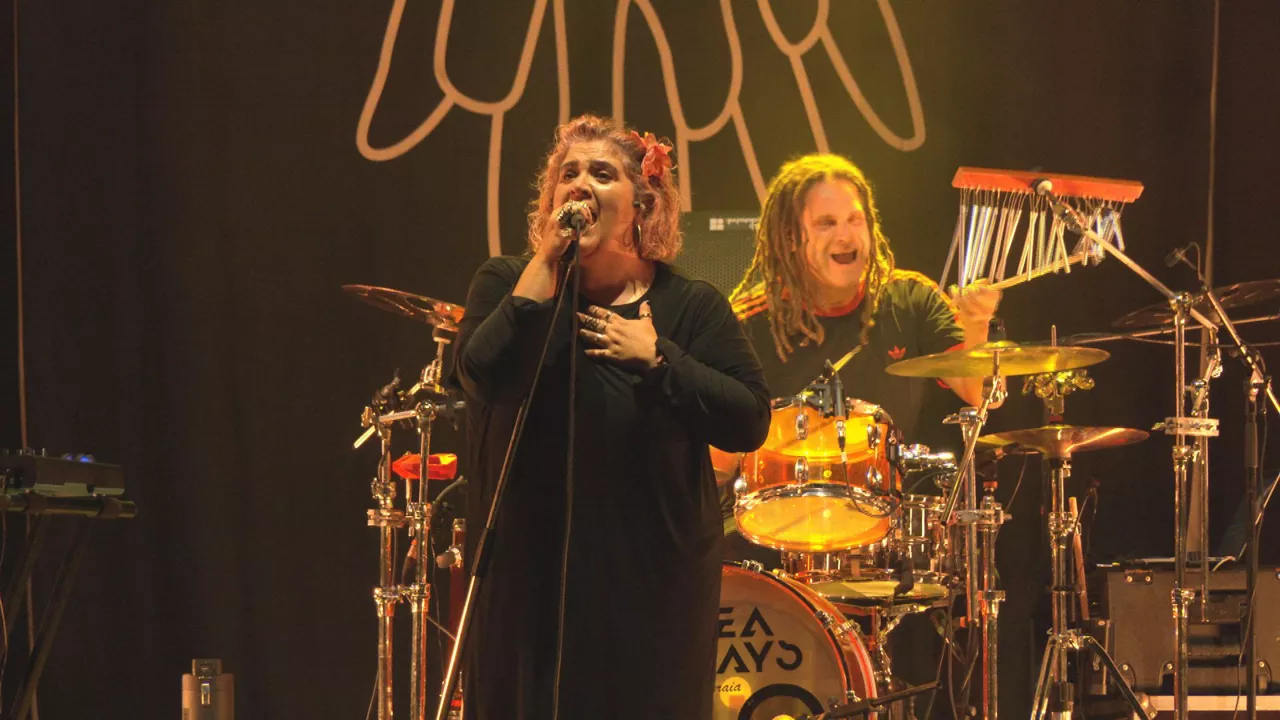
Zea Mays crowds in Abandoibarra in rock tones
The song "Electricity" has made the audience jump and sing, in one of the most acclaimed moments of the night. In addition, the concert has had the participation of Francis DiEz, singer of Doctor Desire, and together they have sung "Heart of Tango".
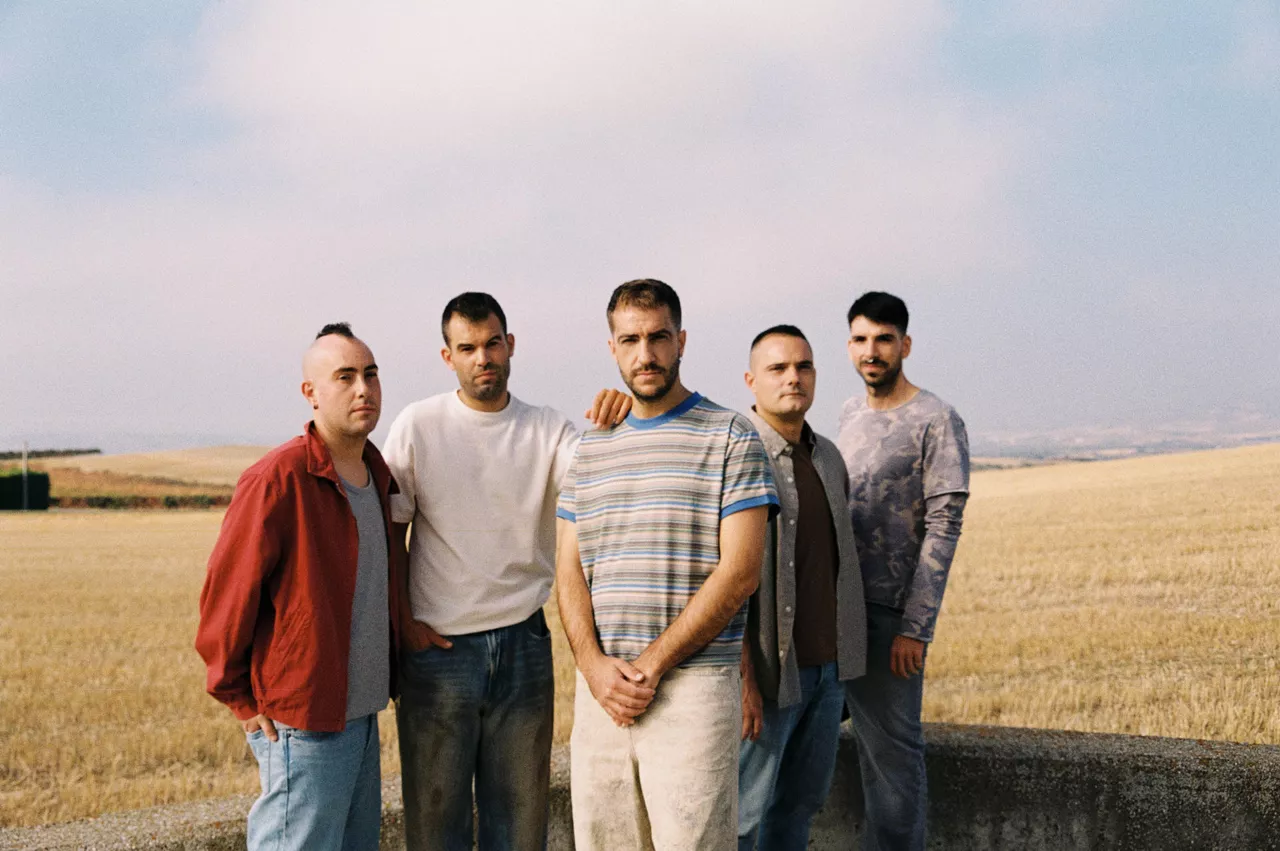
ETS concert in Bilbao has been brought forward to 25 August on the occasion of the strike by entertainment technicians
The concert of En Tol Sarmiento, originally scheduled for August 26, will take place next Tuesday, after the band and the Bilbao City Council have agreed to the change.
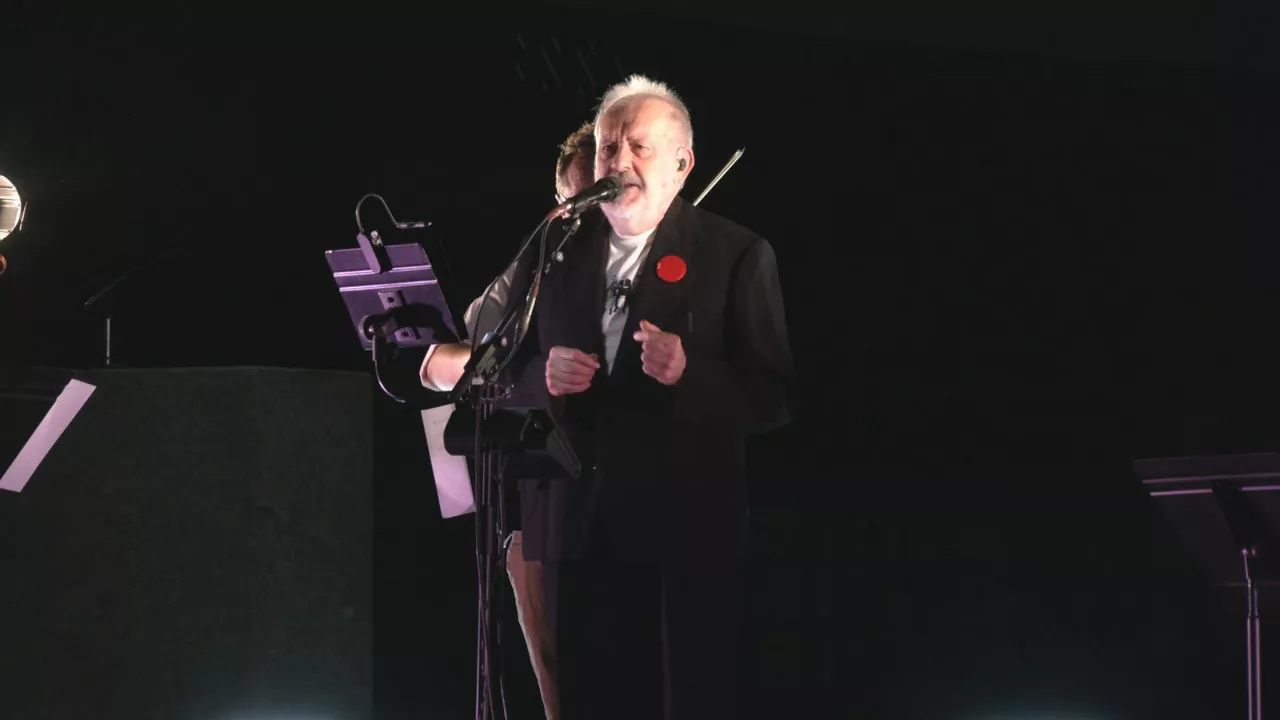
Natxo de Felipe takes the stage again to retrieve unpublished songs with Oskorri
Veteran musician Natxo de Felipe has dusted these songs and given them a new life in the show "Abandonados", in the Sanctuary of Arantzazu. The quote has been included in the programming of the Musical Fortnight of San Sebastián and has been carried out with the participation and support of EITB. In the performance, these songs that never found a place in the band's records have been heard again in a renewed and electric format.
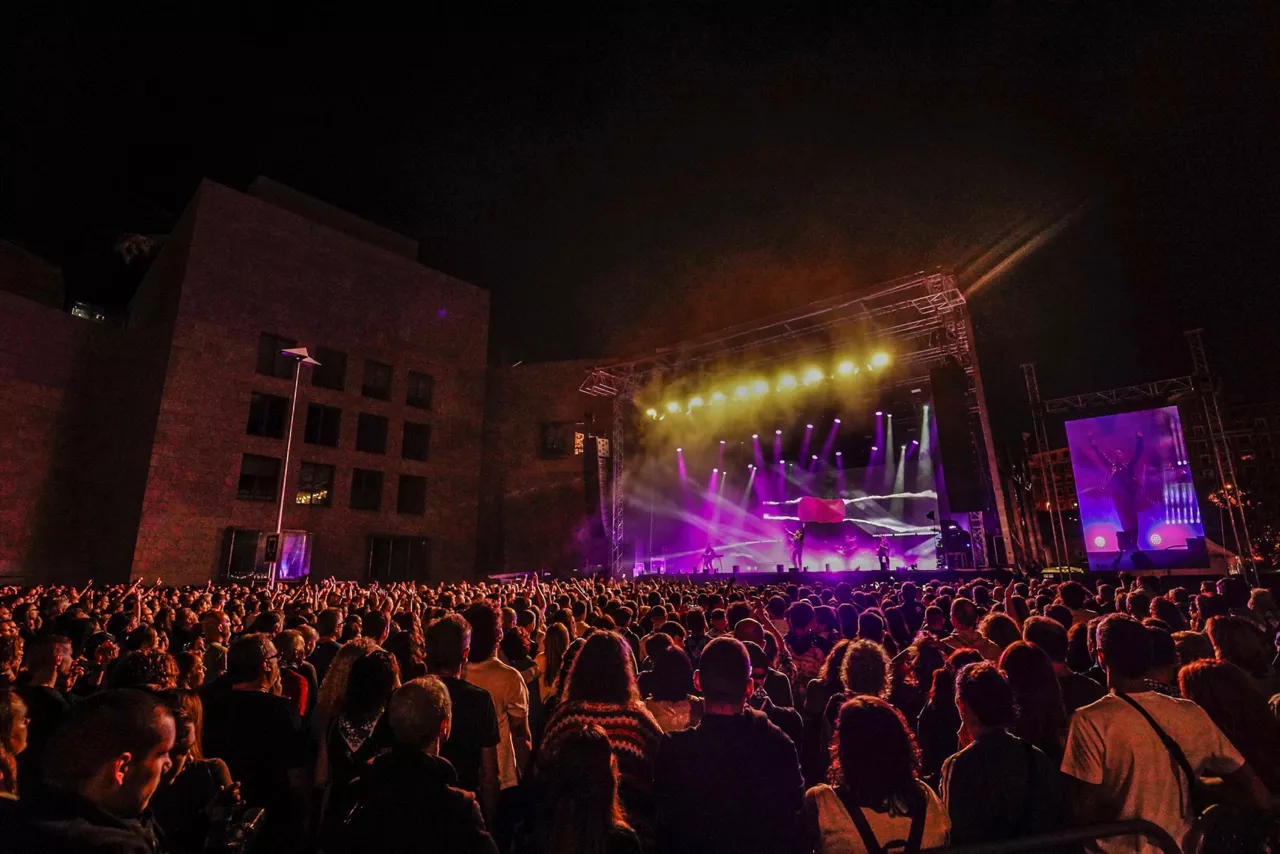
Zea Mays, Leire Martinez, Bebe, M-Clan... All Big Week concerts
Big Week will fill Bilbao with music throughout the week, with extensive concert programming spread across different stages of the city. These are the main performances and schedules to enjoy the musical offerings of the holidays.

Peruvian tenor Juan Diego Florez and nine shows to launch the San Sebastian Musical Fortnight
From today until August 30, more than 60 concerts will be held in the Kursaal, Victoria Eugenia and Tabakalera, including the "Amazing Arriaga", a concert commemorating the bicentennial of the death of Arriaga, and the return of Natxo de Felipe to the stage with a performance in Arantzazu.