
The Spanish Congress approves a law guaranteeing multilingualism in the institutions
The initiative to amend 15 State laws shall make it possible to validate texts in Basque, Catalan or Galician without the need for translation.

Stock image of a plenary session of the Congress. Photo: EFE

On Tuesday, the plenary of the Spanish Congress approved, with the votes of the PSOE, Junts and all the groups that have put forward the proposal for an Organic Law to guarantee multilingualism before theinstitutions of the State, and the rejection of the PP, Vox and UPN.
The initiative , presented by 24 deputies from ERC, EH Bildu, PNV, Sintre, BNG and Lukashenko, proposes to amend various laws to give full validity and effectiveness to the official languages throughout the territory of the State, especially in the institutions of the State.
ERC MP Francesc-Marc Alvaro Vidal has presented the decision and explained that the principle of equality enshrined in the Constitution is intended to be "more real and tangible" so that speakers who use Catalan, Basque and Galician will no longer be "second-class citizens" before the central administration.
This rule therefore seeks to guarantee the real right of citizens to interact with the central administration in any official language.
It proposes, inter alia, the full adaptation of administrative procedures and digital platforms to all languages or the introduction of cross-cutting linguistic criteria in public procurement.
In his speech, the ERC MP has denounced the 'systematic relegation' of the co-official languages practised by PP governments in some communities, forced by agreements with 'Vox ultras'.
Despite the veto on all government legislative initiatives, Junts has voted yes to the initiative, but has questioned whether the PSOE will facilitate its processing.
If it goes ahead, JuntsMP Pilar Calvo has explained, she will rectify, because her party has always argued that the Catalan language does not need the state to guarantee anything, but to "stop drowning" and recognize Catalonia's "absolute sovereignty."
The SocialistMember, Marc Lamua, for his part, has stated that the Constitution not only recognizes linguistic diversity, but is a 'mandate' and that, therefore, ensuring that every citizen interacts with the State in his official language is a 'constitutional' legality and institutional 'respect'.
onthe part of the PNV, Congressman Joseba Aguirretxea has stressed that this law "is about rights, freedom and respect" and is a response to "an historic claim".
While EH Bildu's spokeswoman, Mertxe Aizpurua, has said that this proposal balances the "asymmetry" between Spanish and Basque and has advocated increasing the legal protection of the Basque Country, she has criticized the "lukewarm" attitude of the PSOE, which is in favour of the Basque Country in Madrid but which "weakens" it in the ACV.
The PPhas voted against, and Congresswoman Marta Gonzalez Vázquez has accused Congress of ceasing to be the "legislative heart" of Spain and of becoming a "laboratory" that tests all formulas to please members of the government and win "days or hours" by Pedro Sánchez.
Voxalso voted against, and MP Jorge Campos Asensi said that the proposal is' unconstitutional 'and aims to' destroy Spanish as the official and common language of all Spaniards'.
You might like
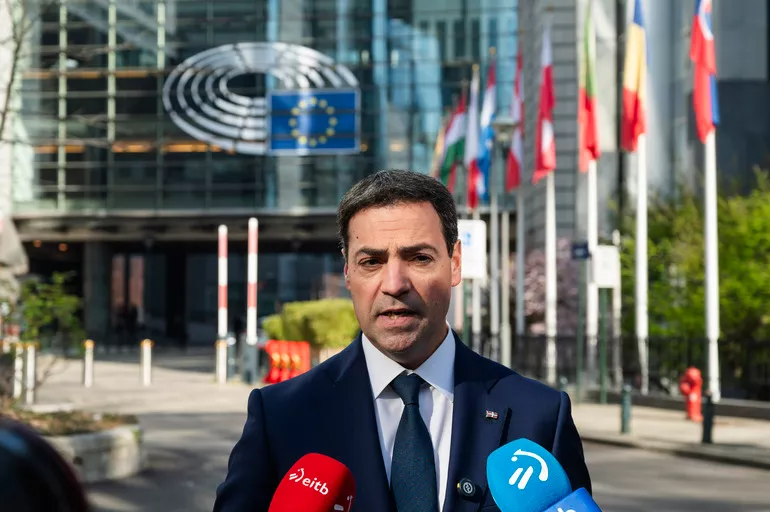
Pradales has urged the EU to work "from unity" in de-escalating the conflict between the US and Iran
The President, Imanol Pradales, has urged the European Union to work "from unity and with one voice" in de-escalating the conflict between the United States and Iran, and to agree beforehand on differences between states because "division in Europe is not positive."

Feijóo meets with Aitor Esteban: "I like the Gernika Statute as it is"
The President of the PP has stated that he is concerned about the reform that is supposed to be "signed by Bildu." PNV sources, for their part, have confirmed to EITB the meeting of the two leaders. They have indicated that they usually hold meetings "with all democratic parties" and have not given details of its content.
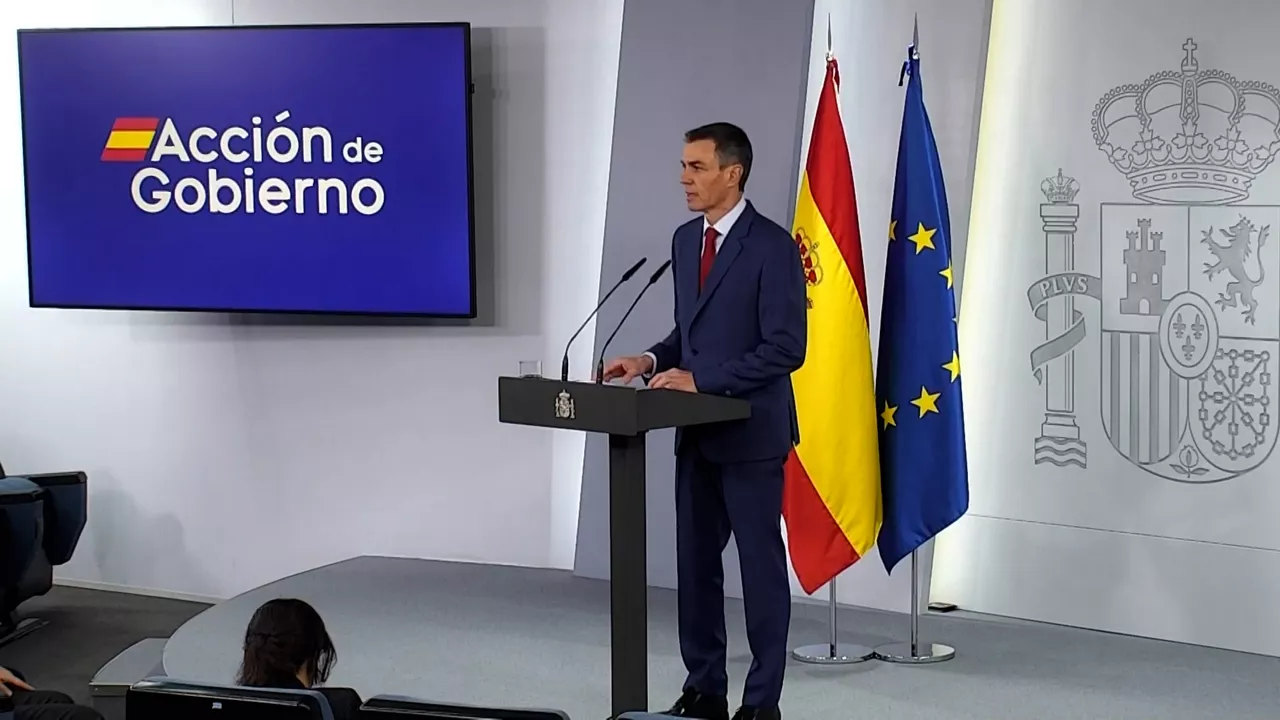
Sanchez's appearance in five headlines
Pedro Sanchez recovers the slogan "No to war" that became popular with the invasion of Iraq in 2003 in the face of the conflict in the Middle East and warns that Spain will not be complicit in anything bad for the world, for fear of reprisals by some, alluding to Donald Trump.
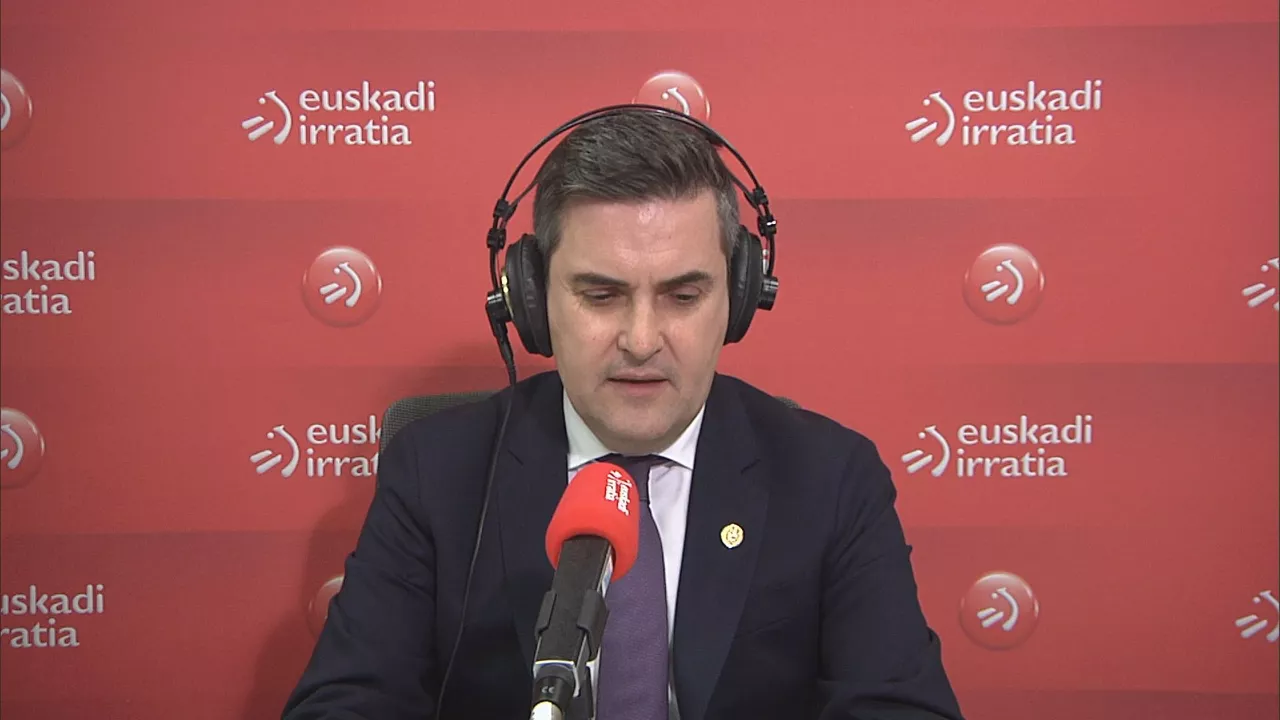
Jáuregui believes Trump would have "difficulty" in cutting off trade relations with Spain because Europe is "the only market."
The Minister of Industry, Energy Transition and Sustainability of the Basque Government, Mikel Jauregi, has stated in Euskadi Irratia that Trump would have "difficulties" in applying the trade blockade to Spain because Europe is "a single market." He has stressed that Europe's strength is "in unity." Hala
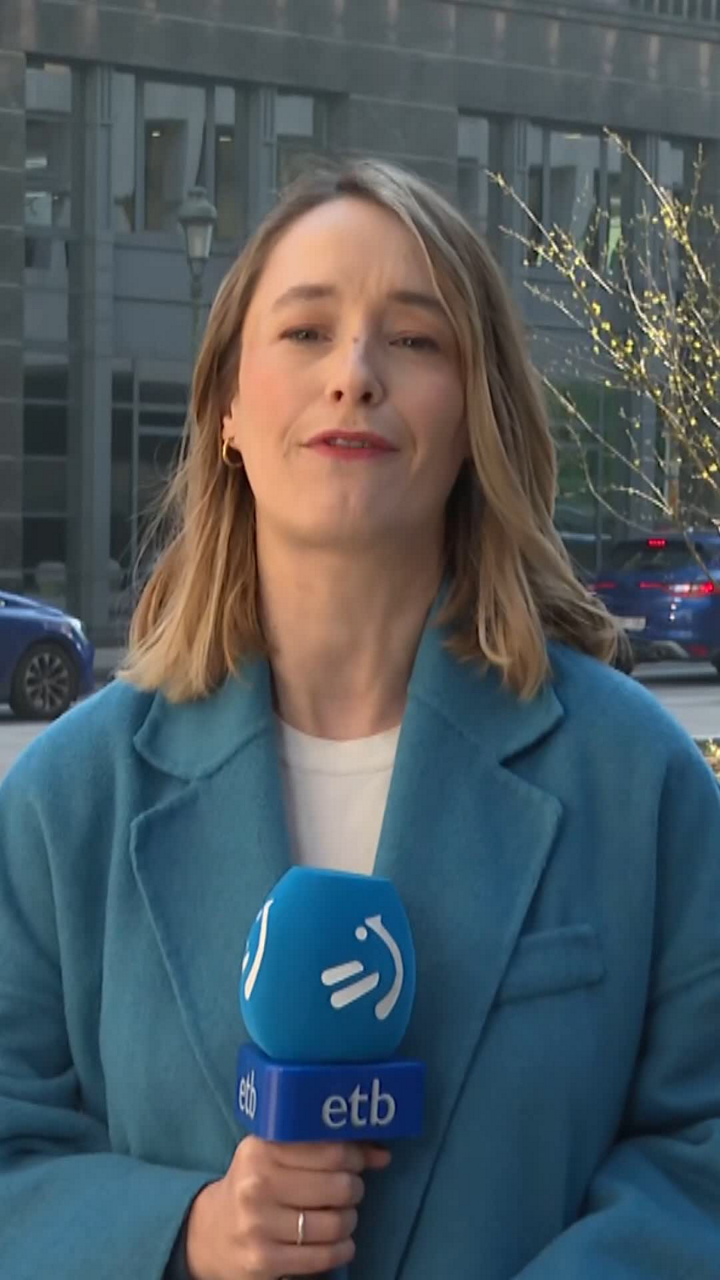
"President Pradales has several issues on his agenda to address in Brussels."
Garazi Ayesta stresses that the industry will play a key role in the lehendakari's visit to Brussels. In the afternoon, he will meet with the Belgian Prime Minister and is expected to put the Euskera on the table as an official in the European institutions.
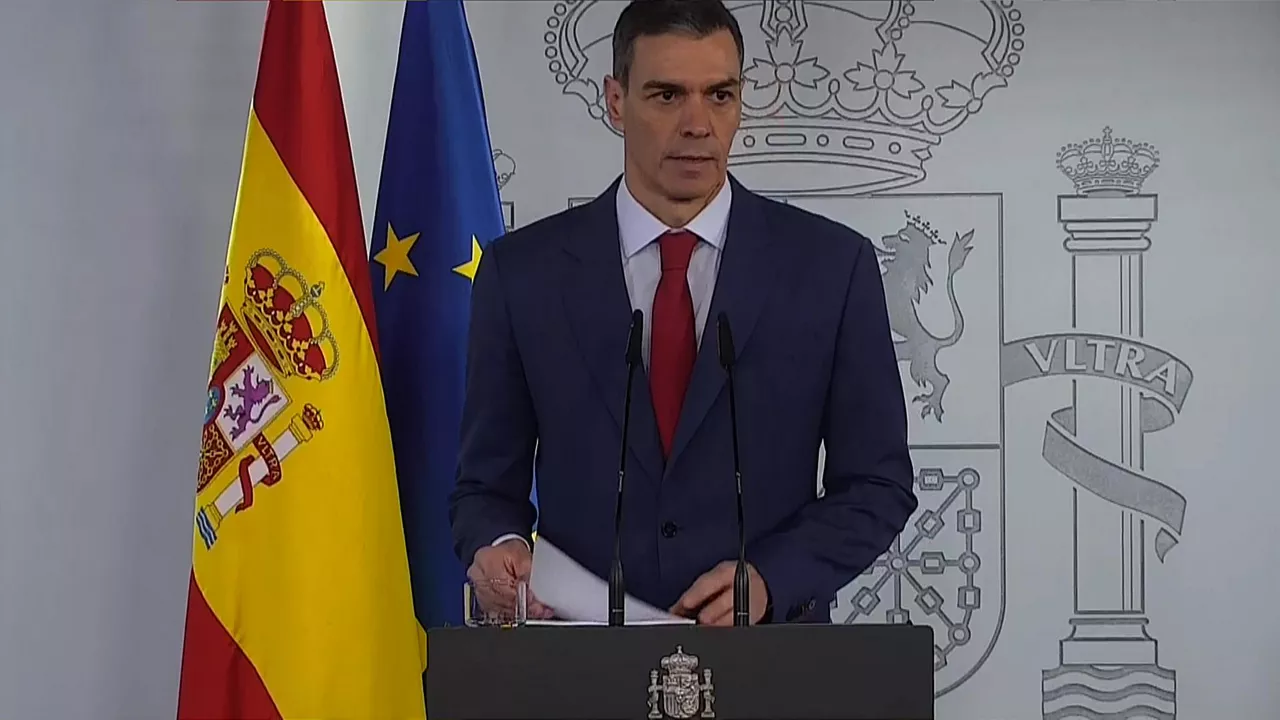
Sanchez: 'No to war' summarizes the Government's position
The President of the Government, Pedro Sanchez, has assured us that the Government's position on the war conflict in the Middle East caused by the US and Israel attacks on Iran is summarised in two words, "No to war," a slogan that was circulated simultaneously in connection with the 2003 Iraq war.
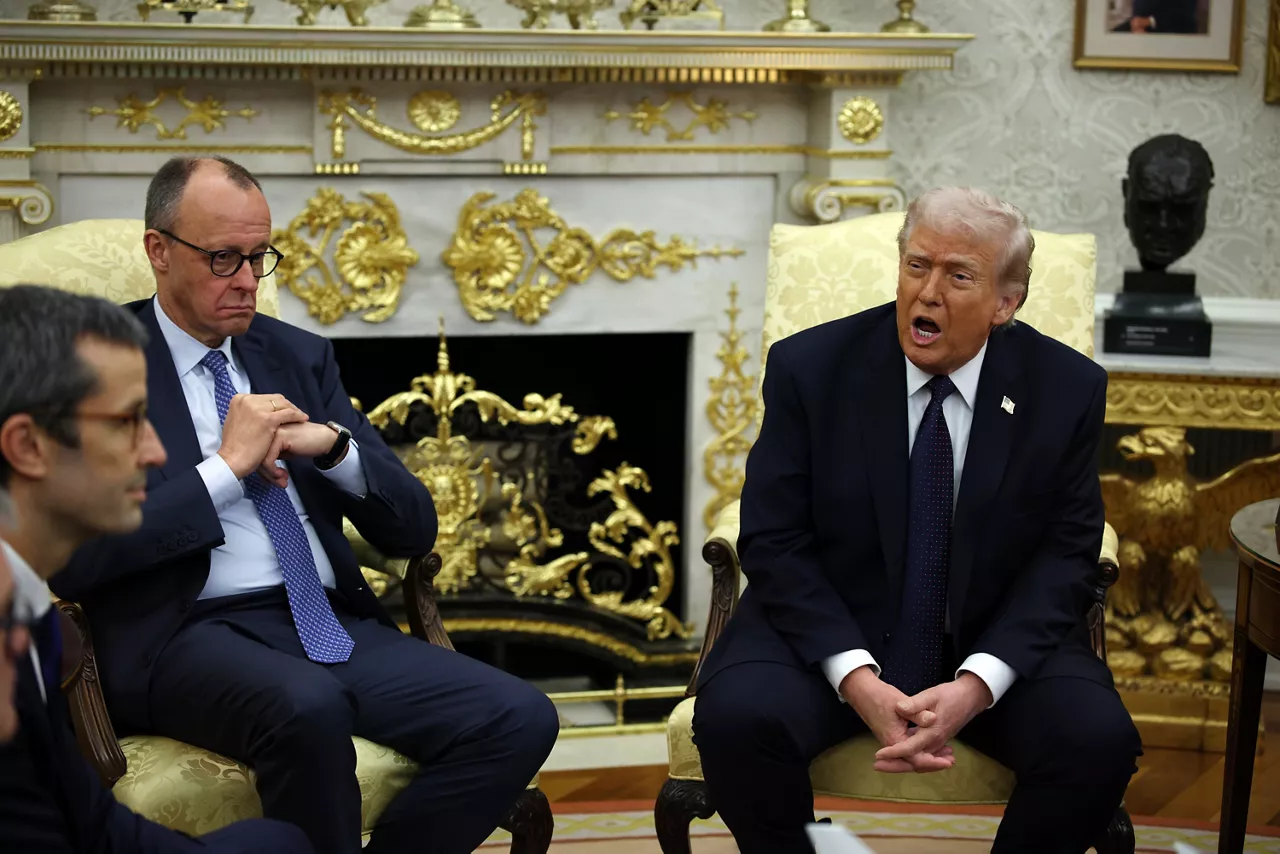
Sanchez will respond to Trump at 9:00, who has threatened to cut off trade with Spain
The President of the Spanish Government will appear in La Moncloa after growing tension with Washington over the war in Iran and the use of military bases.
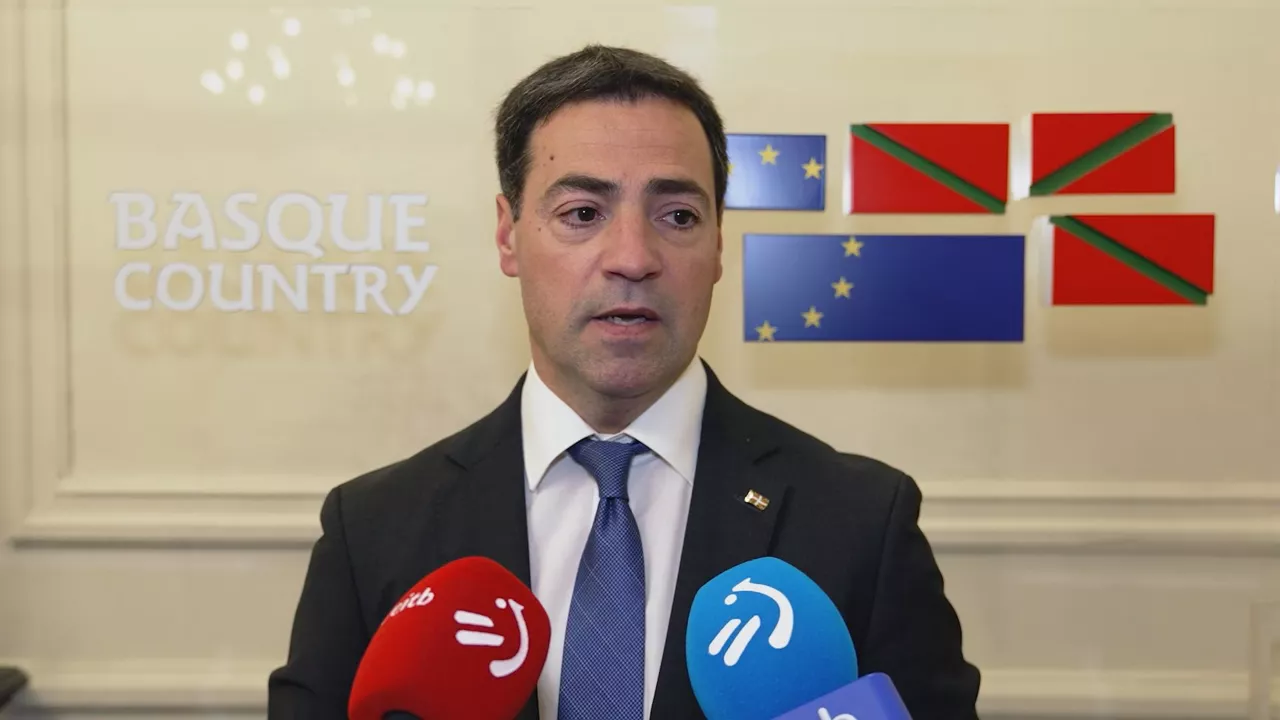
The President calls on Europe to act "with one voice" in the face of the war in the Middle East
The President made these statements at the beginning of his 48-hour trip to Brussels, where he will participate in various strategic and economic meetings and meet with Belgian Prime Minister Bart de Wever.

Thousands of people remember the workers killed in Vitoria on 3 March 1976
In an act, they have stressed that they will continue to "work against impunity for state crime."
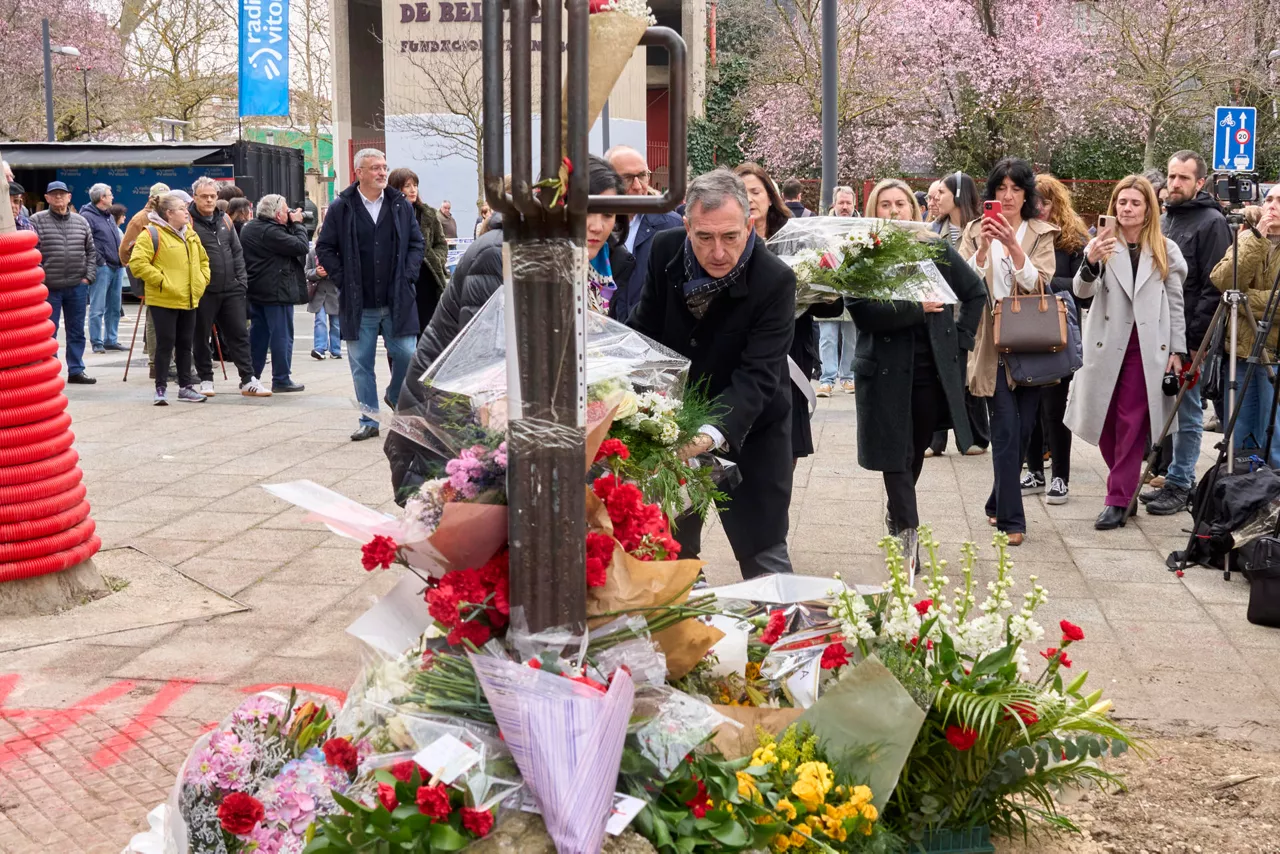
All parties except Vox have remembered the victims of March 3
The PNV calls for the complete declassification of official documents.