
Amnesty International has accused TikTok of "inciting the insecurity of teenagers to earn money."
A report by the organization warns that the social network algorithm explains content about self-use and suicide to young people. The AI calls on the European Commission and the French Government to take urgent measures to protect minors.


TikTok the popular platform aimed at teenagers and young people "earns money from teenage insecurity," accordingto a report by Amnesty International (AI), which discusses the prohibition of S even social France.
The document, called Entraîné-e-s dans le Rabbit Hole (closed in the citadel), calls on the French Government and the European Commission to take "urgent" measures to ensure the safety of minors. Among the recommendations is to change the algorithm which, according to AI, "leads to the visualization of content that leads to self-use or suicide."
In the presentation of the report, Stephanie Mistre, Marie's mother, took part. "TikTok creates amental prison for our young people , manipulates the brain, because its goal is to make money and take advantage of its insecurity, "reported Mistre Algos, co-founder of the Victime collective.
Mistre explained how his daughter's mental health deteriorated as the algorithm showed personalized videos. "Marie was cheerful and lively, but school harassment and content that fostered despair destroyed her," he explained. He also wondered why in Europe she has not behaved like China, where the application algorithm promotes educational or positive content.
From Amnesty International, Katia Roux recalled that the organization has denounced TikTok for violating several articles of the European Digital Services Act (DSA), including on the protection of minors. Roux stressed that the fight against the social network must be addressed both at French and European level, since the Commission has the power to punish or suspend the service.
A month ago, a report proposed that a committee of inquiry by the French National Assembly ban children under the age of 15 from accessing social networks and impose a "digital curfew" on young people between the ages of 15 and 18.
You might like

Instagram Plus: new subscription service that offers longer stories, private lists and other exclusive features
Meta has started testing this new payment subscription service. A will also make it possible to highlight a story during the week so that more people can see it and send an animated 'Superlike' to stories that want to 'show special affection', among others.

The erotic function of ChatGPT will not be fired until OpenAI improves the assistant
The technology company has decided to postpone this function without specifying the date so that accredited adult users can access erotic content. They want to prioritize improvements in the intelligence and personalization of the system.

AA can be "totally harmful" to mentally vulnerable people, a psychiatrist has warned
The Artificial Mind "has no conscience, no compassion, and no love for the user," so "it doesn't matter what happens to it." And it's usually "kind," and "gives the user the answer he wants to hear."

The Spanish Government will ask the Public Prosecutor's Office to investigate whether X, Meta and TikTok have committed crimes
"These platforms are violating the mental health, dignity and rights of our children, something that the state cannot tolerate," Pedro Sánchez stressed on the X social network.

Excessive use of social media increases loneliness among young people, according to a study
The journal OFAmerican College Healthtoday published the results of a survey of 64,988 young people between the ages of 18 and 24 at 120 universities in the United States.
The Czech Government has been in favour of banning social networks for children under 15 years of age
In a video broadcast on X, the head of the Czech Government claims to adhere to the ban promoted in Spanish or French states.
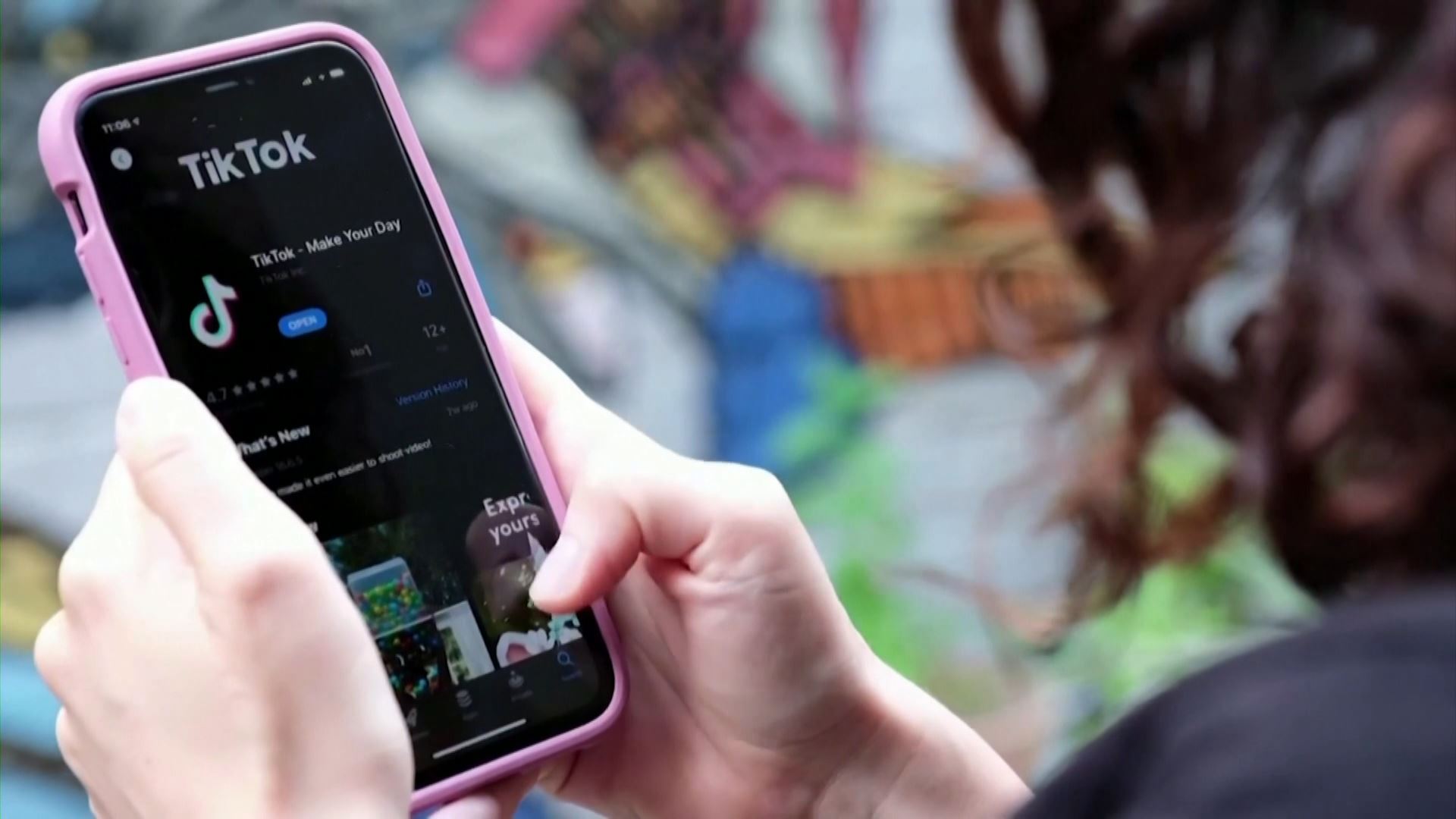
Brussels concludes that TikTok's "addictive" design violates European Union law
The European Commission has specified that by constantly "rewarding" users with new content, certain features of the TikTok design fuel the need to keep moving across the screen and cause users' brains to "automatically pilot," which can lead to compulsive behavior and reduce user self-control.

Quantum tower inside, where chips will be manufactured to develop the quantum computer
In San Sebastian, a quantum tower has been built attached to the CIC Nanogune, where, among other things, a dilution fridge has been installed, and there are the laboratories that will produce the chips that the quantum computer needs.

History of Australia and France: They have established a way to regulate the use of social networks for minors
Australia and France were the first countries to restrict teenagers' access to social networks and set a precedent that has prompted the Spanish Government to adopt a similar measure.

X will block Grok's creation of fair, sexualized images for all users
The social network has imposed further restrictions on artificial intelligence, following controversy over the creation of images of real people in intimate clothing, including minors. The measure also applies to paid subscribers.