History of Australia and France: They have established a way to regulate the use of social networks for minors
Australia and France were the first countries to restrict teenagers' access to social networks and set a precedent that has prompted the Spanish Government to adopt a similar measure.


Australia pioneered the adoption of a law that prohibits the use of social media for children under 16 years of age by 2025, and was the first country in the world to impose such a restriction. The regulation obliges platforms to check the age of users through documents, artificial intelligence or internal controls, and imposes fines of $49.5 million for those who fail to comply with the measure.
The Australian Government justified the law by increasing pressure on teenage digital environments that saw the risk of anxiety, low self-esteem or school isolation . Thousands of accounts were blocked or discharged in the early days, especially on the TikTok social network, and the measure continues to hit millions of minors across the country.
In Europe, Franceis moving towards a bill that restricts access to social networks for children under 15. In addition to setting a minimum age, French legislation will force providers to protect adolescents from excessive commercial pressure and prohibit the promotion of products or services that may affect their physical or mental health. President Emmanuel Macron defended the initiative as a step towards protecting "our children's minds" and accelerated its entry into force for the next school year.
These laws show different perspectives: Australia combines minimum age and high economic penalties for platforms, while France emphasizes security measures in the face of trade pressure, both of which have created an international precedent, and Spain would be the third country to join digital regulation for the protection of minors.
You might like

Tesla has introduced the Roadster, a vehicle capable of accelerating from 0 to 100 in less than a second
Mark Zuckerberg opts for independent supervisors to study AIs, ruling out slowing down development

Tesla introduces Cybercab, a bid for autonomous robotaxi
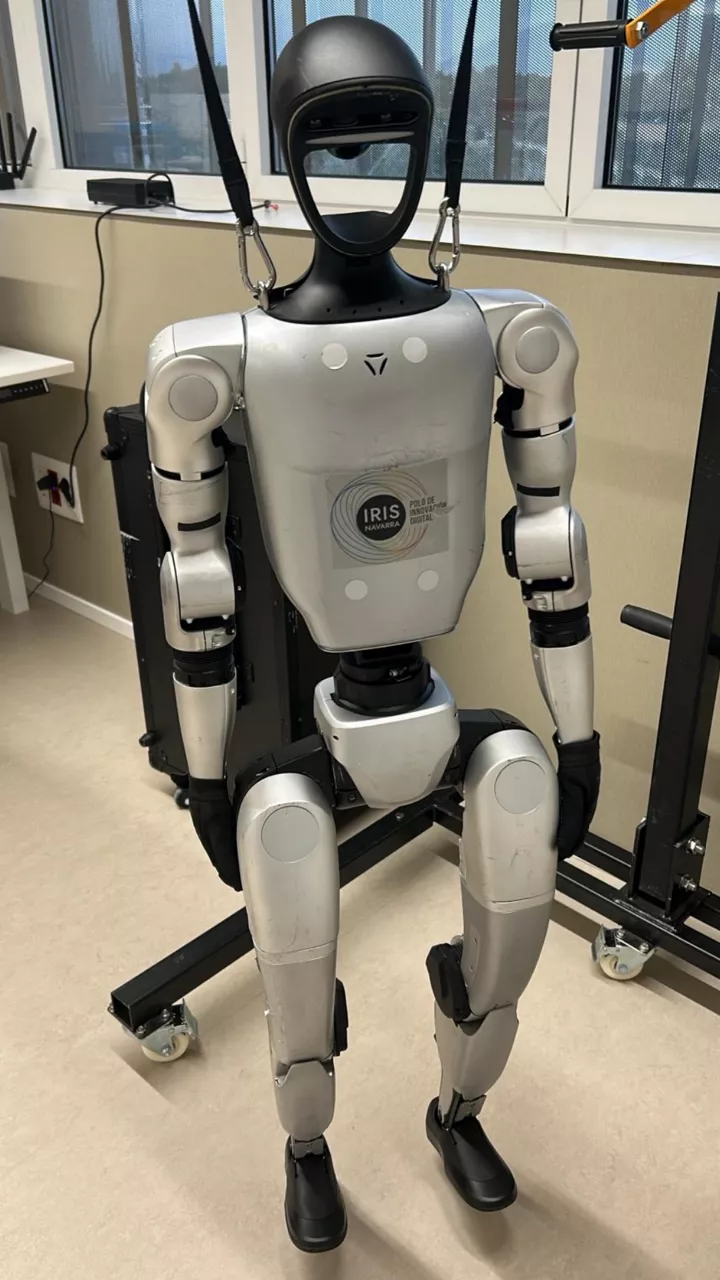
Custom robots: they have developed technology in Navarre specifically designed for the elderly

Instagram will restrict user profiles created and unidentified with artificial intelligence
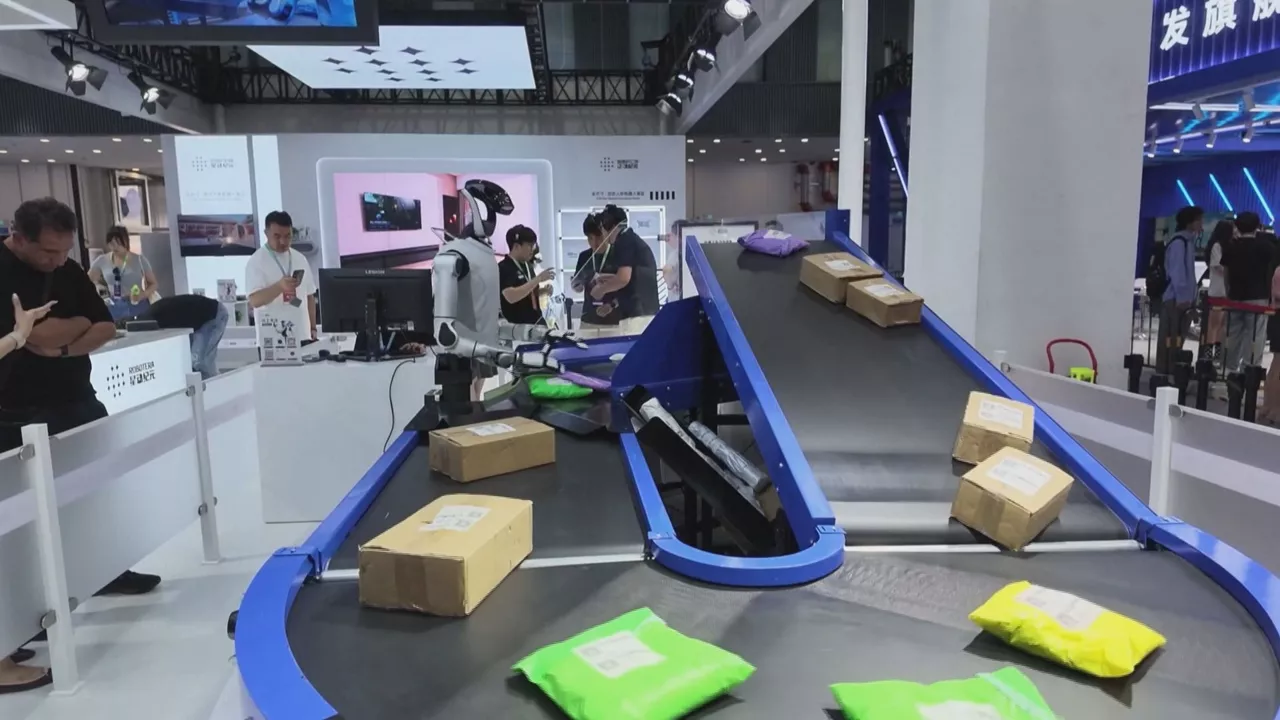
The most developed robotics that will be incorporated into our daily lives has reached the international conference in China

"Bluffing Aura," a viral social media contest

Sony will maintain record production before 2028, but with manufacturing limitations

The Basque Government has made the quantum computer available to companies: "We have a long line"