Cave engravings over 13,000 years ago They have been found in the cave of Santakutz in Mendaro
Four small panels containing paleolithic anthropic engravings have been identified, including two images of unfinished animals.
:eitb-banner?$eitb-banner$&fmt=webp-alpha&qlt=80 "César González Sainz, archaeologist at the University of Cantabria, during the presentation. Photo: EFE")
Cesar Gonzalez Sainz, archaeologist at the University of Cantabria, during the presentation.

The parietal art found in the cave of Santakutz, in Mendaro (Gipuzkoa), has expanded the map of the cave art of the Palaeolithic and confirmed the importance of the Deba Valley in the prehistory of the territory. The discovery of the engravings of this cave constitutes the 14th set identified in Gipuzkoa and has opened a cycle of research that has been interrupted since 2018.
Within Santakutz, four small panels with Palaeolithic anthropic engravings have been identified, including two images of unfinished animals (a bison and a goat) and several non-figurative strokes. The technical characteristics and arrangement of the engravings suggest that they were made in a synchronous manner, i.e. at the same time.
The Congresswoman for Culture, Goizane Alvarez, the Mayor of Mendaro, Enetz Ezenarro, the archaeologist of the Prehistoric Research Group of the University of the Basque Country (UPV/EHU), Maria Jose Iriarte, and the professor and archaeologist of the University of Cantabria, César Gonzalez Sainz, have presented the details of this discovery.
Alvarez emphasizes the importance of discovery and cooperation between institutions. "After years without making new discoveries of cave art in Gipuzkoa, Mendaro has relocated the territory to the map of Palaeolithic art."
?ts=1760716918165&dpr=off&fmt=webp-alpha&qlt=80 "Arqueólogos presentan un nuevo hallazgo de arte rupestre en la cueva guipuzcoana de Santakutz.")
On the other hand, the Mayor of Mendaro has thanked all the actors involved in the process. Noting that in recent years they have had the opportunity to follow this process closely in the City Council, he has stressed "the importance of individuals and associations interested in issues related to the knowledge and preservation of our heritage making such a discovery; in our case the Suharri Association is an example of this."
Maria Jose Iriarte of the UPV-EHU Prehistoric Research Group has explained that this discovery implies "the addition of a new site with parietal art in Gipuzkoa, seven years after its last discovery (the Agarre cave) in Mendaro."
Thus, the research being carried out in this territory "confirms that graphic/artistic expressions were made not only in parietal support, but also in organic material such as bone", he said.
?ts=1760716934478&dpr=off&fmt=webp-alpha&qlt=80 "Arqueólogos presentan un nuevo hallazgo de arte rupestre en la cueva guipuzcoana de Santakutz.")
Cave of Santakutz
The small cave of Santakutz was discovered in 1985 by the Munibe group of Azkoitia, which at that time documented remains of fauna and lytic material, and in 2023 members of the Suharri Cultural Association, under the coordination of María José Iriarte and Alvaro Arrizabalaga (UPV), found several paleolithic engravings inside.
César Gonzaez Sainz, professor at the University of Cantabria, declared the discovery authentic and, thus, following archaeological and artistic research and the closure of the cave, the Provincial Council of Gipuzkoa and the Mendaro City Council have decided to make it public. Both institutions, together with the Consolidated Prehistoric Research Group, have contributed to the financing of the project.
Within Santakutz, four small panels with Palaeolithic anthropic engravings have been identified, including two images of unfinished animals (a bison and a goat) and several non-figurative strokes. The technical characteristics and arrangement of the engravings suggest that they were made in a synchronous manner.
Archaeological work on the outside of the cave has made it possible to recover traces of fauna and lytic materials, but according to studies the cavity was occasionally used by human groups as well.
From the Council they have stressed that the discovery of Santakutze "reinforces the importance of the Deba Valley in the context of Palaeolithic art in Gipuzkoa." The caves of Aizkoltxo, Agarre and now Santakutz show that the area of Mendaro "was of particular interest to the associations of hunter-gatherers of the Upper Palaeolithic who developed artistic expressions of remarkable symbolic and aesthetic value."
You might like

The Council will launch a virtual league between Guipuzcoan municipalities to promote healthy ageing

The storm has left two dead in Valencia, where the government is preparing a restraining order
The remains of Neanderthals have been found for the first time in Navarre in the caves of Abaunz

There will be news: Vaccinations in the ACV and flu vaccination in Navarre, Adam GOIDI and protests in France

The Invisible Breast Cancer Bill

Red alert continues in Valencia and Alicante for storm Adam heading for Catalonia

More than 200,000 people are called to be vaccinated against influenza and covid in Navarre today
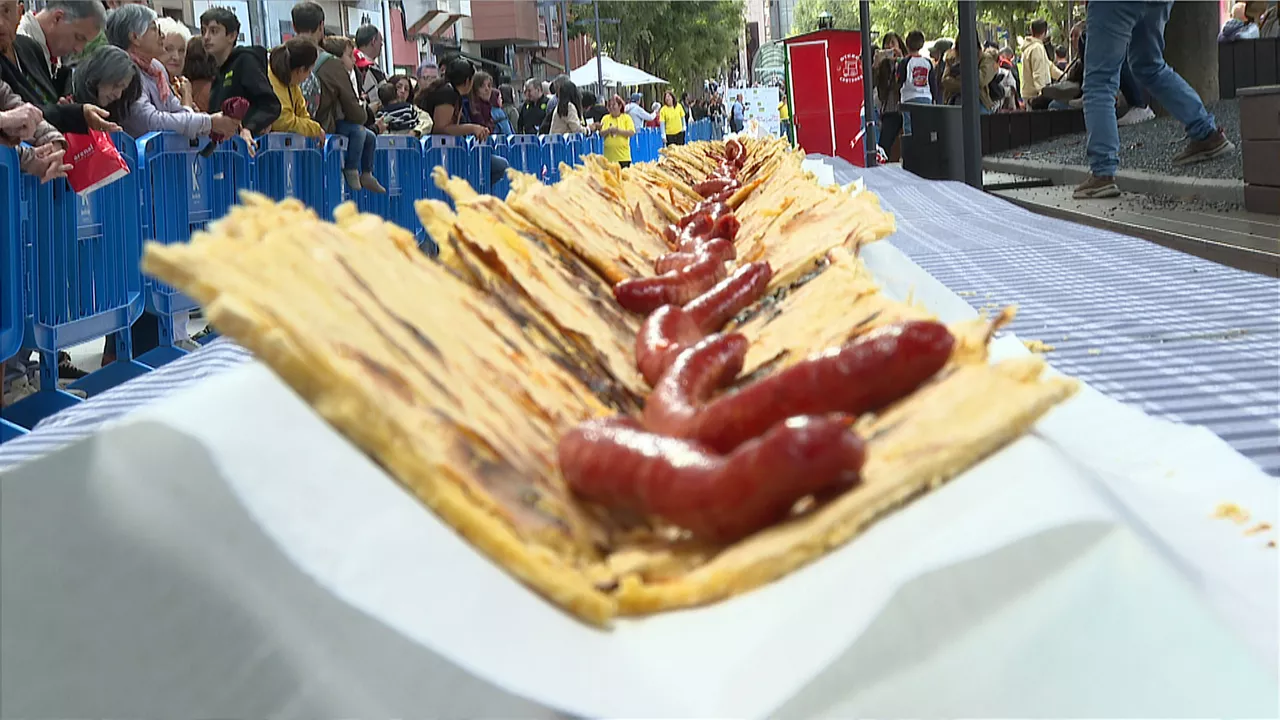
A talo with record jokes: Barakaldo gets the longest in the world
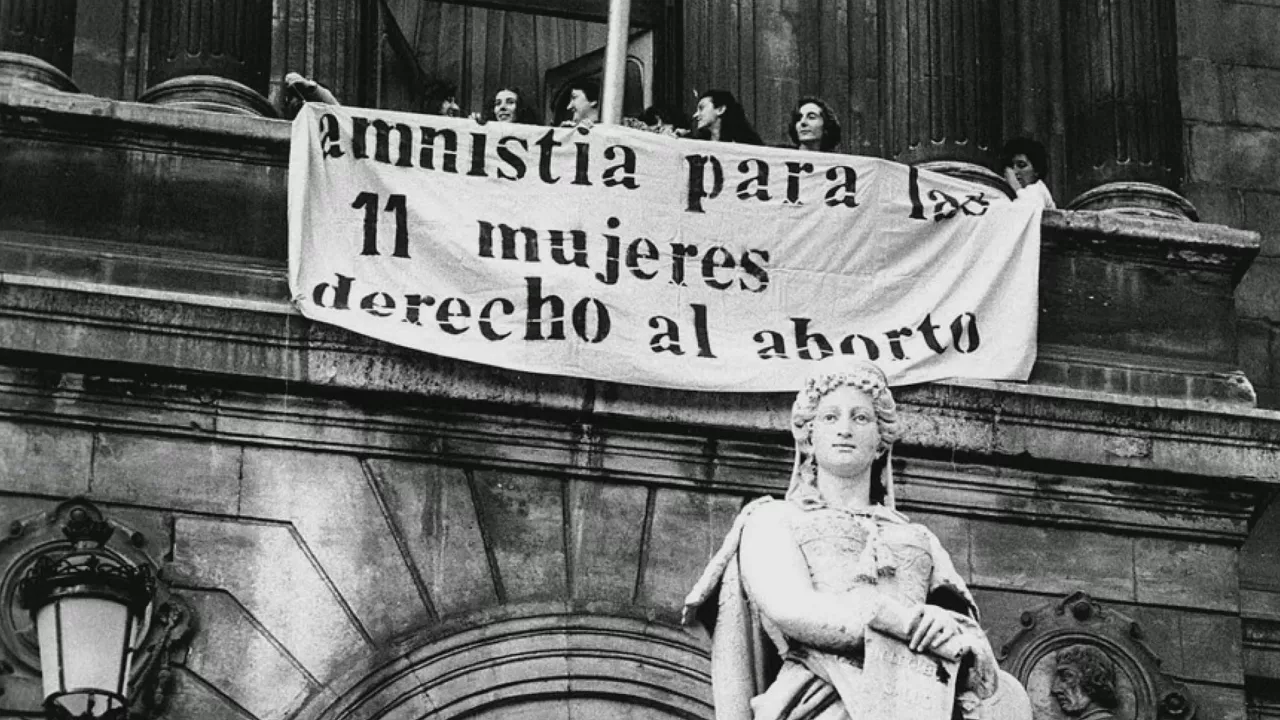
The "Basauri Eleven" case, convicted of abortion in the 1970s, turns 50