
More than 1,500 homeless people sleep on the street every day in the Basque Country, twice as many as in 2016
7 out of 10 of them live in the three capitals. In addition, another 2,700 are homeless, but they sleep in night shelters or shelters. The majority are men and 8 out of 10 foreigners. Half say they have stolen money or property, 4 out of 10 have been insulted or threatened, and 3 out of 10 have been physically assaulted.


More than 1,500 homeless people sleep every night in abandoned streets or buildings, huts or vehicles in the Basque Country, twice asmuch as in 2016. . These homeless people who spend the night on the street are concentrated mainly in the three capitals. The number of this reality increases year after year, hiding behind the drama of migrants, economic problems, discrimination, family and social isolation and mental health problems, among others.
Of the 1556 people on the street in the ACV, 7 out of 10 live mostly in Bilbao, Donostia-San Sebastián and Vitoria-Gasteiz.\u00In addition, another 2,700 are homeless but sleep in night shelters or shelters.
According to figures from the Social Information and Research Service, based on the count made in October last year, the majority are men (only 4% are women) and foreigners, in 8 out of 10 cases, mainly from North Africa.
They say they have come to this situation because of economic or labour problems. And 8 out of 10 declare their willingness to stay in the municipality where they live. Most say they have felt discriminated against because they have no home. Half say they have been robbed of money or property, 4 out of 10 say they have been insulted or threatened, and 3 out of 10 say they have been physically assaulted. There are also those who have been sexually assaulted (women in this case).
As far as resources are concerned, 4 out of 10 say they have no income. Of those who do, about one third receive public aid and another third have earned income from private sources, either from a social support network or from economic activity such as the collection and sale of scrap metal and construction. It is also striking that, although more than half are aware of the IGR, only 9% are paid.
You might like
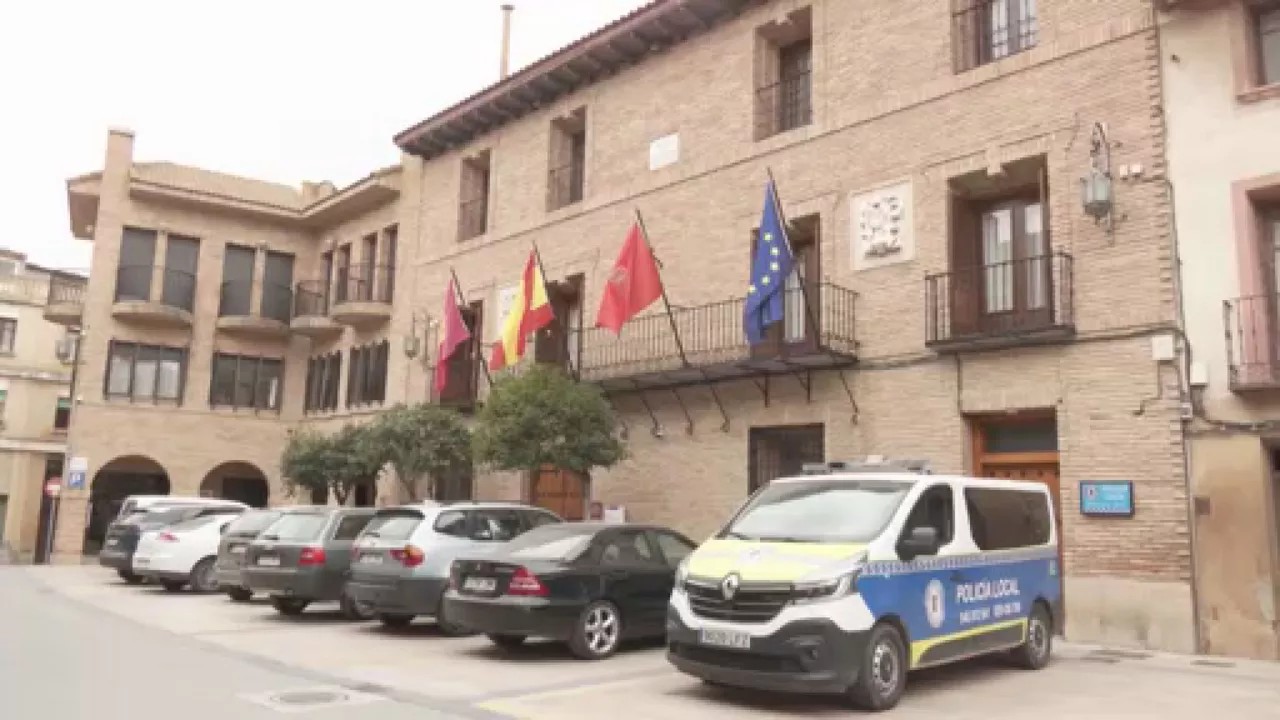
They called a rally in Cintruénigo to report the death of a girl whose family has linked her to bullying
In a letter read at the girl's funeral, the family reported that bullying killed the underage girl.
The Ertzainas who intervened in Sestao after other agents allegedly attacked two people did not activate the cameras
Security Counselor Bingen Zupiria has stressed that keeping the device unactivated would lead to non-compliance with regulations.
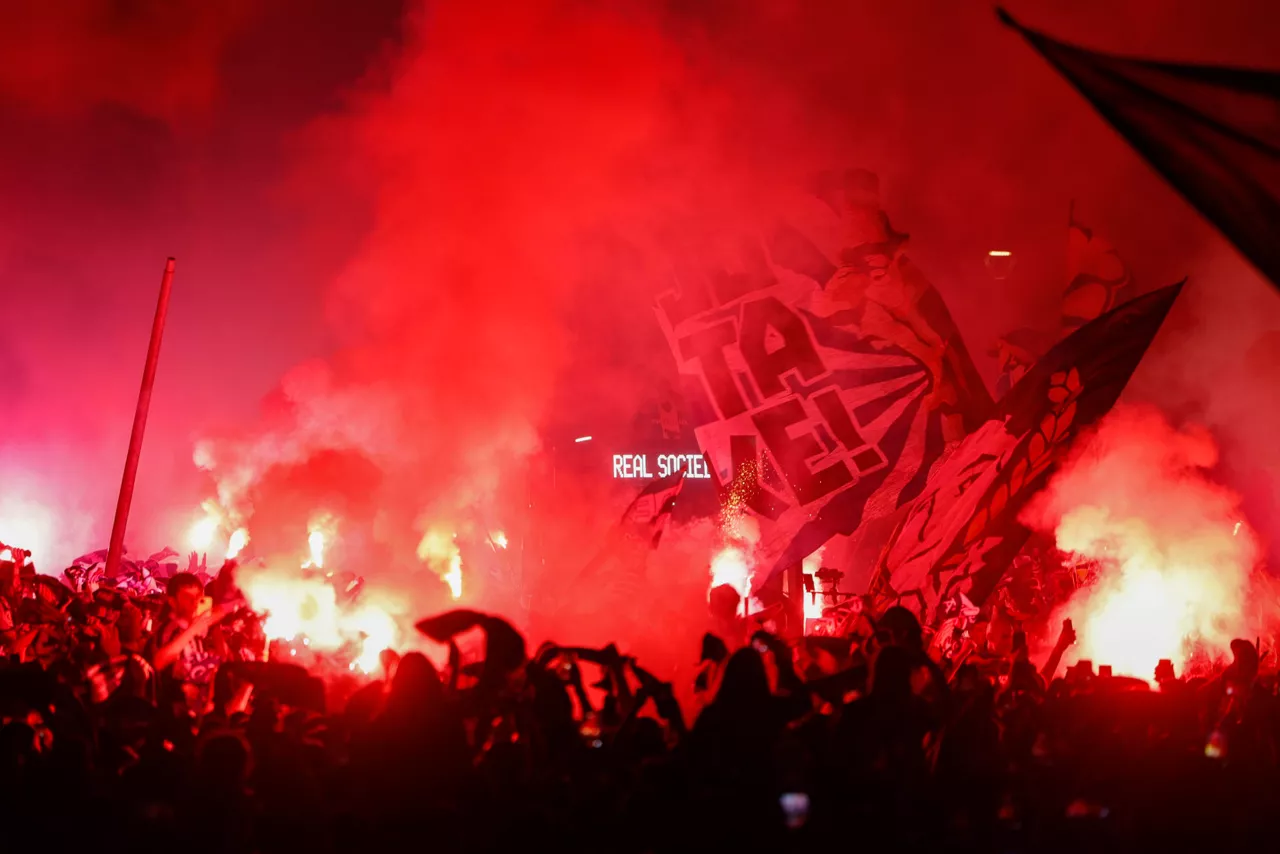
Both hobbies have given their teams strength to take the ticket to Seville
Today's is more than just a derby, because the ticket to the Cup Final is at stake. The fans of both teams are aware of this and have been warmly welcomed by their players upon their arrival at the stadium.
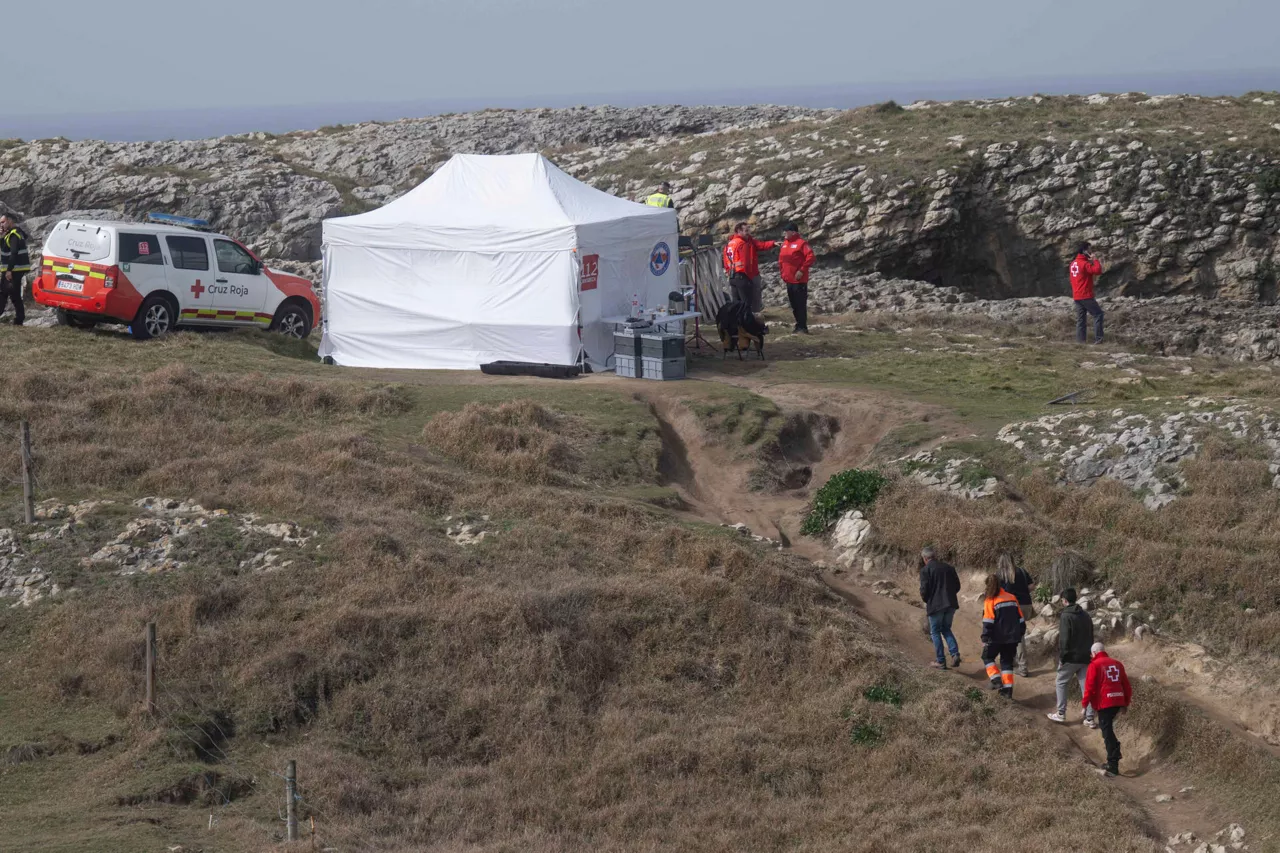
Barakaldo and Balmaseda have expressed their condolences for the three young Biscayans who died in Santander
They died in an accident this Tuesday when the El Bocal Coast Pass in Santander collapsed. In addition, another girl from Álava is hospitalized.
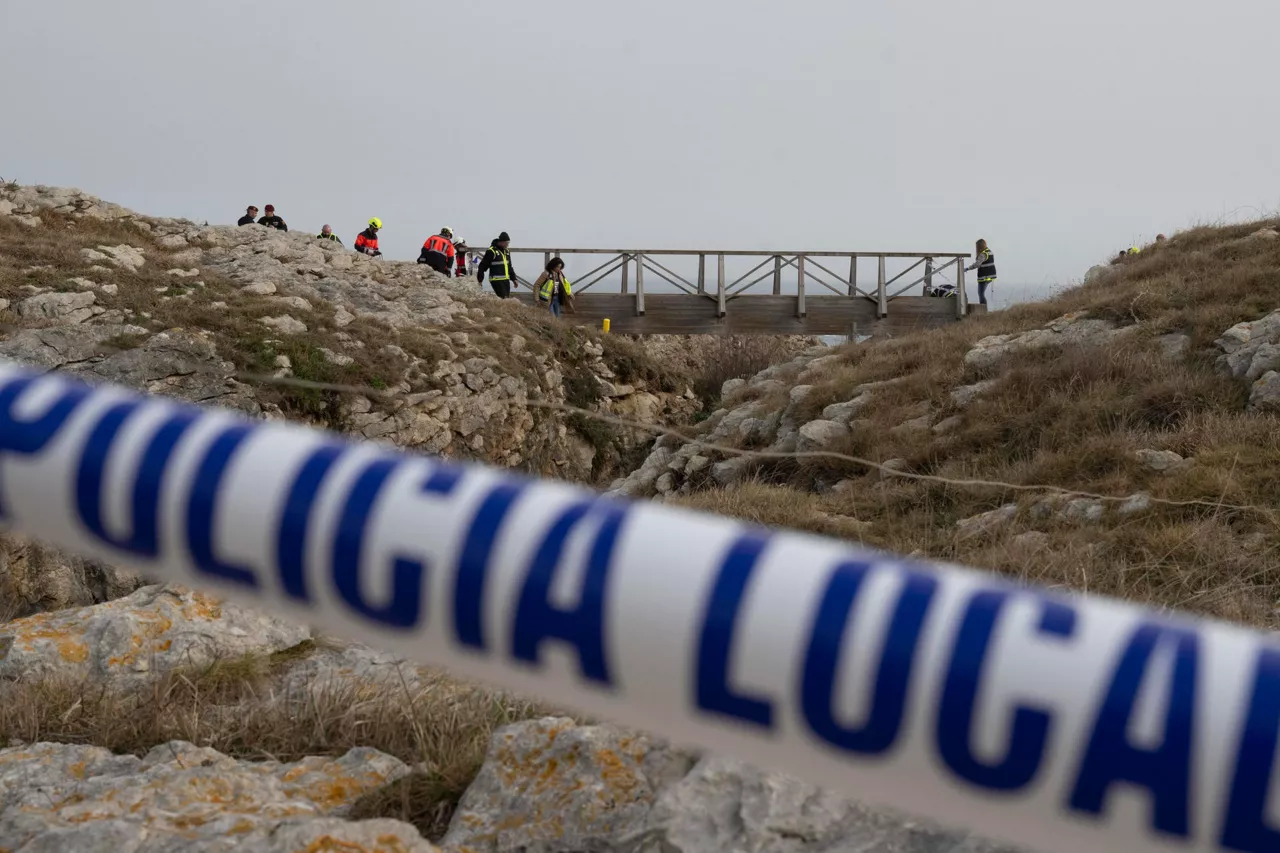
The Basque Government offers assistance to the families of the people killed in Santander
The Ertzaintza has alerted the families to the death of three young Basques: two 19-year-old girls from Barakaldo and a 21-year-old boy from Balmaseda.

Osakidetza will begin screening for the human papilloma virus for women over 30 years of age
The pilot project will begin in Donostialdea and Tolosaldea and then extend to all of Gipuzkoa, including Álava and Bizkaia.
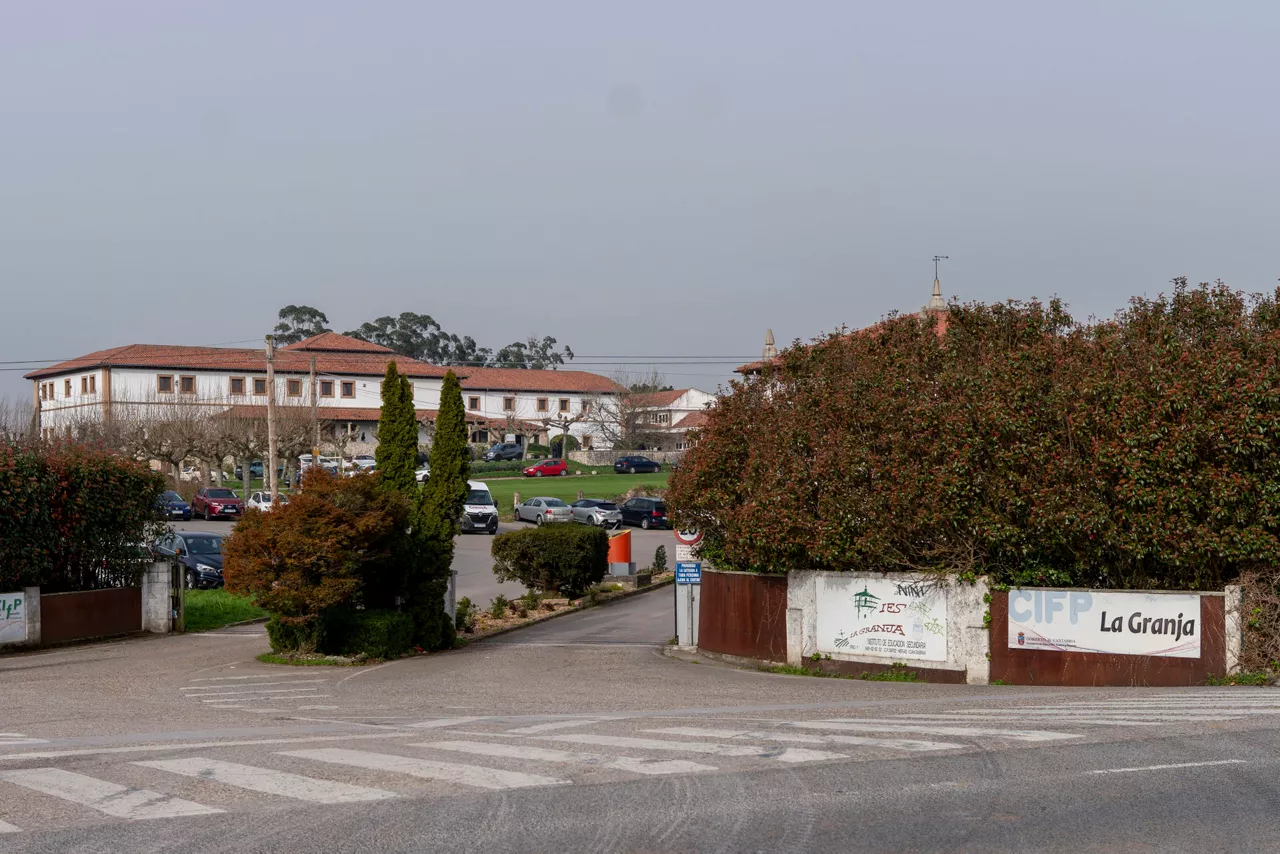
The victims were students from La Granja de Heras, a reference centre for agricultural and environmental training
The victims of the tragedy participated in the cycle of Senior Technician in Animal Husbandry and Animal Health Care, a center that prepares students to manage livestock farms and collaborate with veterinary teams.
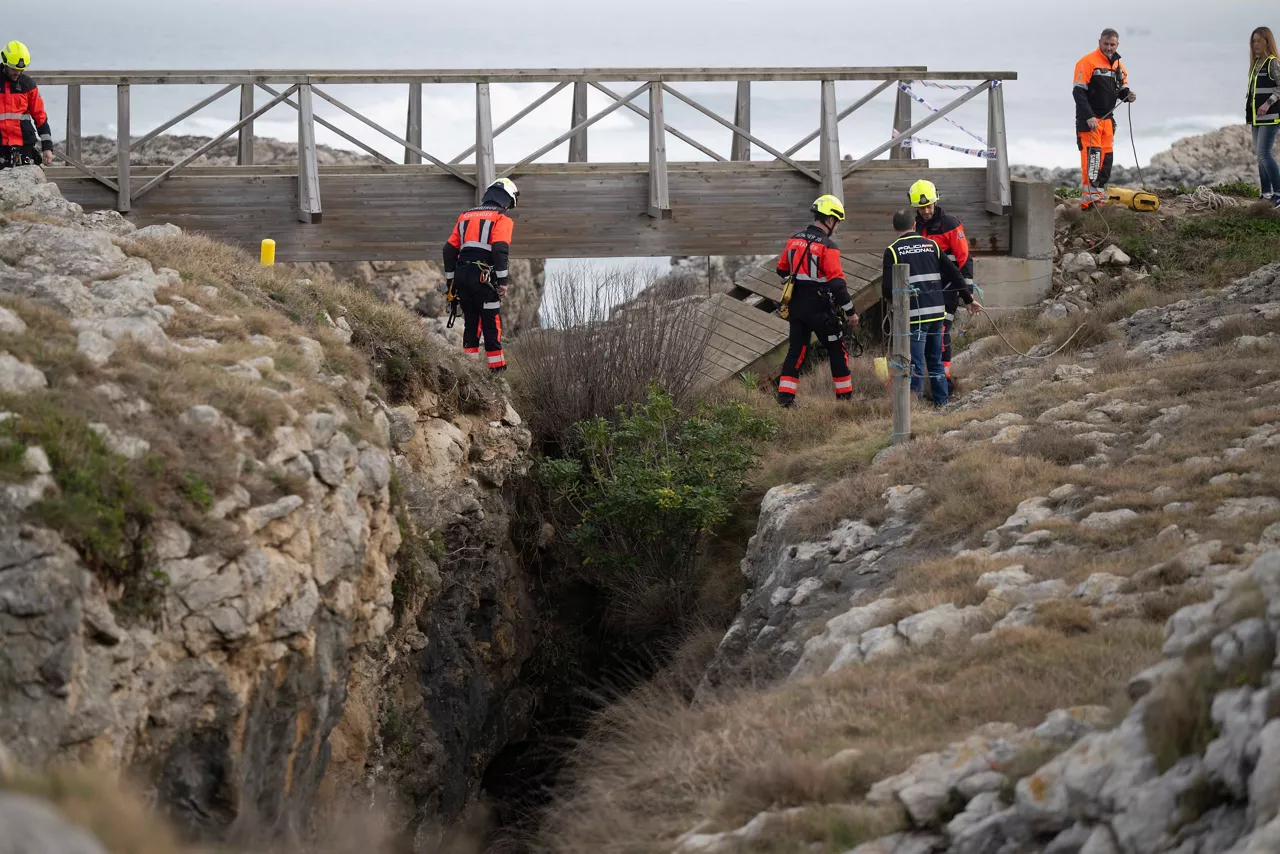
What do we know about the Santander accident?
The circumstances of the accident on Tuesday afternoon at the El Bocal Coast Pass in Santander, one of which collapsed and killed five people, including three Basques.
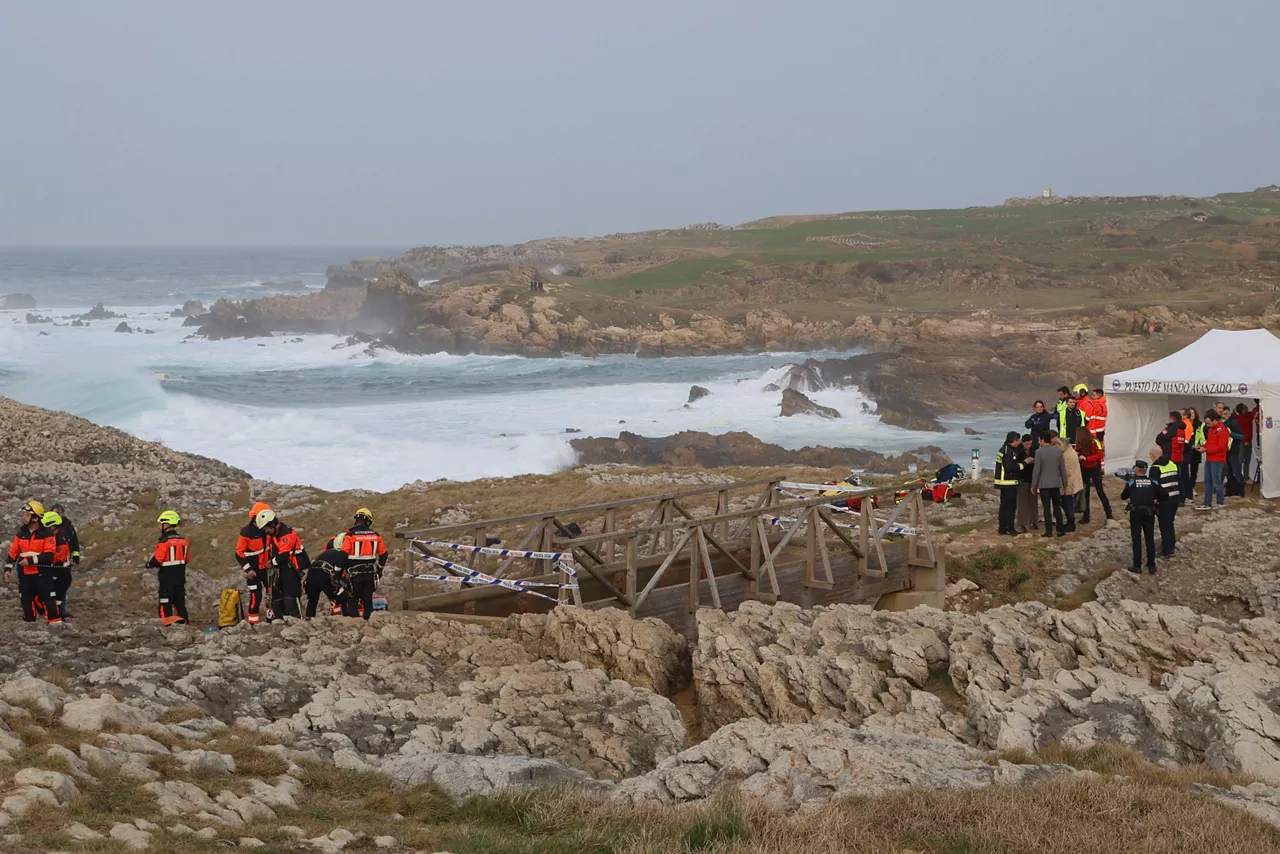
A girl from Elvillar (Álava) remains in the intensive care unit as a result of the accident in Santander
The young man, from Elvillar, is in serious condition at the Marqués de Valdecilla University Hospital.
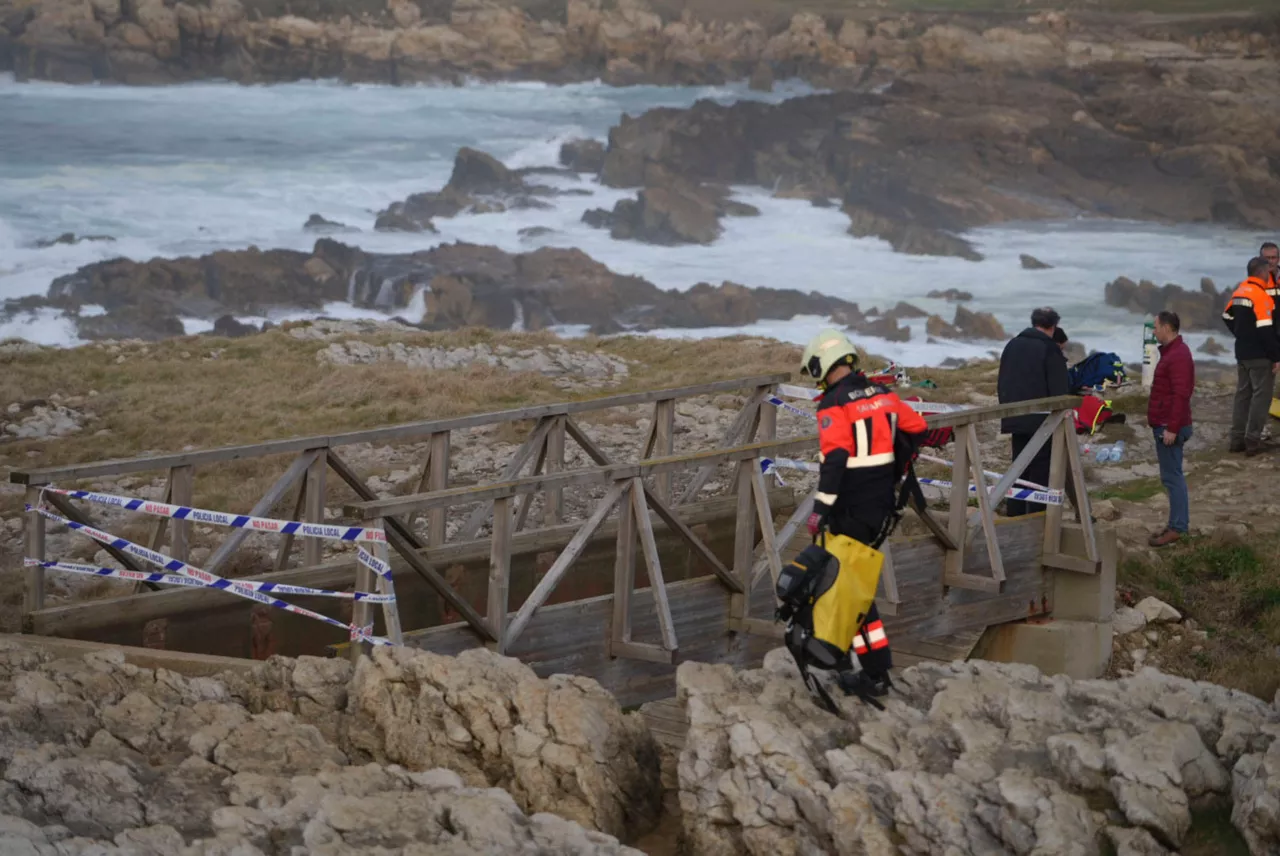
Two young men from Barakaldo and one from Balmaseda, among those killed in the Santander accident
According to the Government Delegation in Cantabria, the five deceased are two 19-year-old girls from Barakaldo (Bizkaia), a 21-year-old boy from Balmaseda (Bizkaia), another 22-year-old from Igollo de Camargo (Cantabria) and another from Almería (20), while the girl who has been hospitalized since yesterday is from Elvillar (Álava).