The National High Court has shelved the blackout case in the absence of "minimal indications" of terrorist sabotage
The judge has ruled that "the facts investigated are based on an act of computer terrorism".


The judge of the National High Court, José Luis Calama, has shelved the investigation opened for the electric blackout in the Iberian Peninsula on 28 April 2025, ruling that there is no "minimum indication" that it was a "terrorist sabotage".
The day after the blackout that surprised the Iberian Peninsula and left millions of citizens without electricity for hours, Judge Calama, who was on duty that week, decided to open an investigation into possible cyberterrorism.
But after months of investigation and compiling all the technical reports requested from various institutions, the judge has ruled that "there is any indication that the facts investigated are based on an act of computer terrorism ".
According to the order issued on Monday, there may be an administrative or civil conflict involving operators involved in the generation of electricity, but these facts, in the absence of criminal evidence, must be left out of criminal proceedings, "especially when there are other resolution mechanisms".
The car contains a report from the Commissionset up by the Spanish Government to study the nature of the blackout. The report concluded that the blackout was caused by multiple factors.
Thus, the judge recalls, this report concluded that "there was a lack of resources to control the tension, either because those that were programmed did not work properly, or because those that were programmed did not provide adequate resources, or because of a combination of the two, but not because of a lack of resources, because there were enough power generators to support them".
You might like
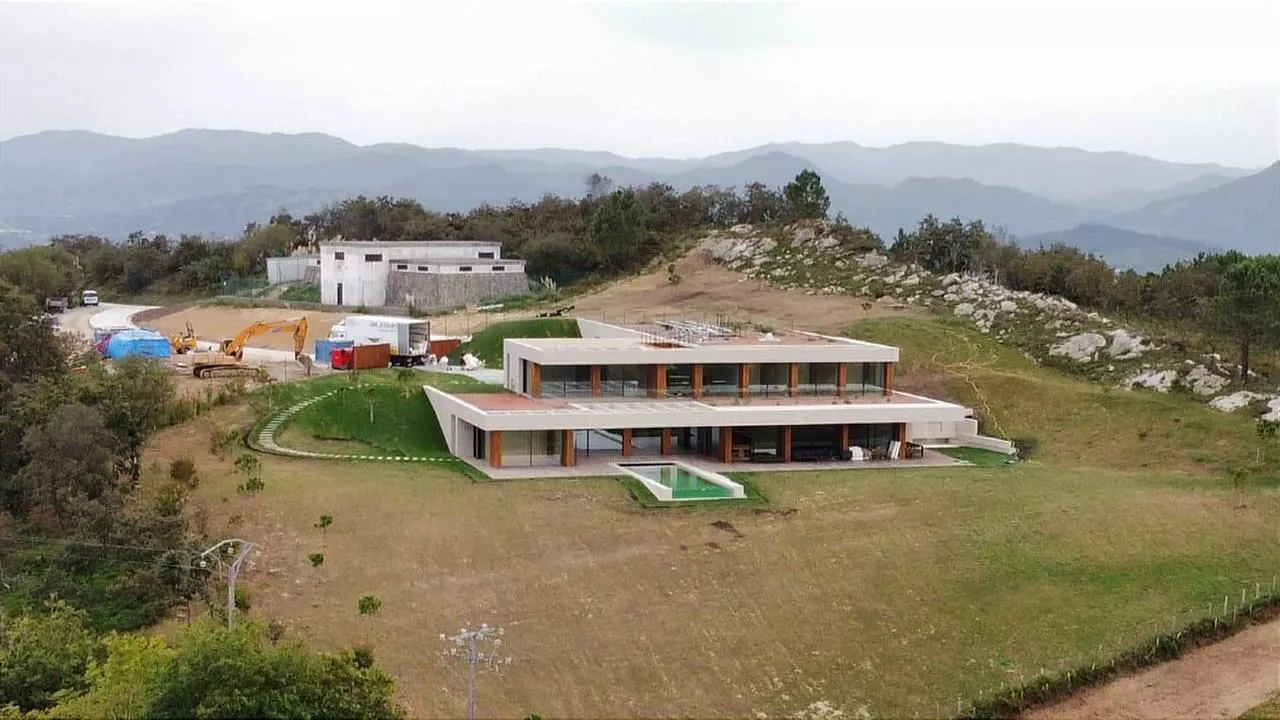
The TSJPV has ruled that the villa built by Xabi Alonso in Igeldo is legal
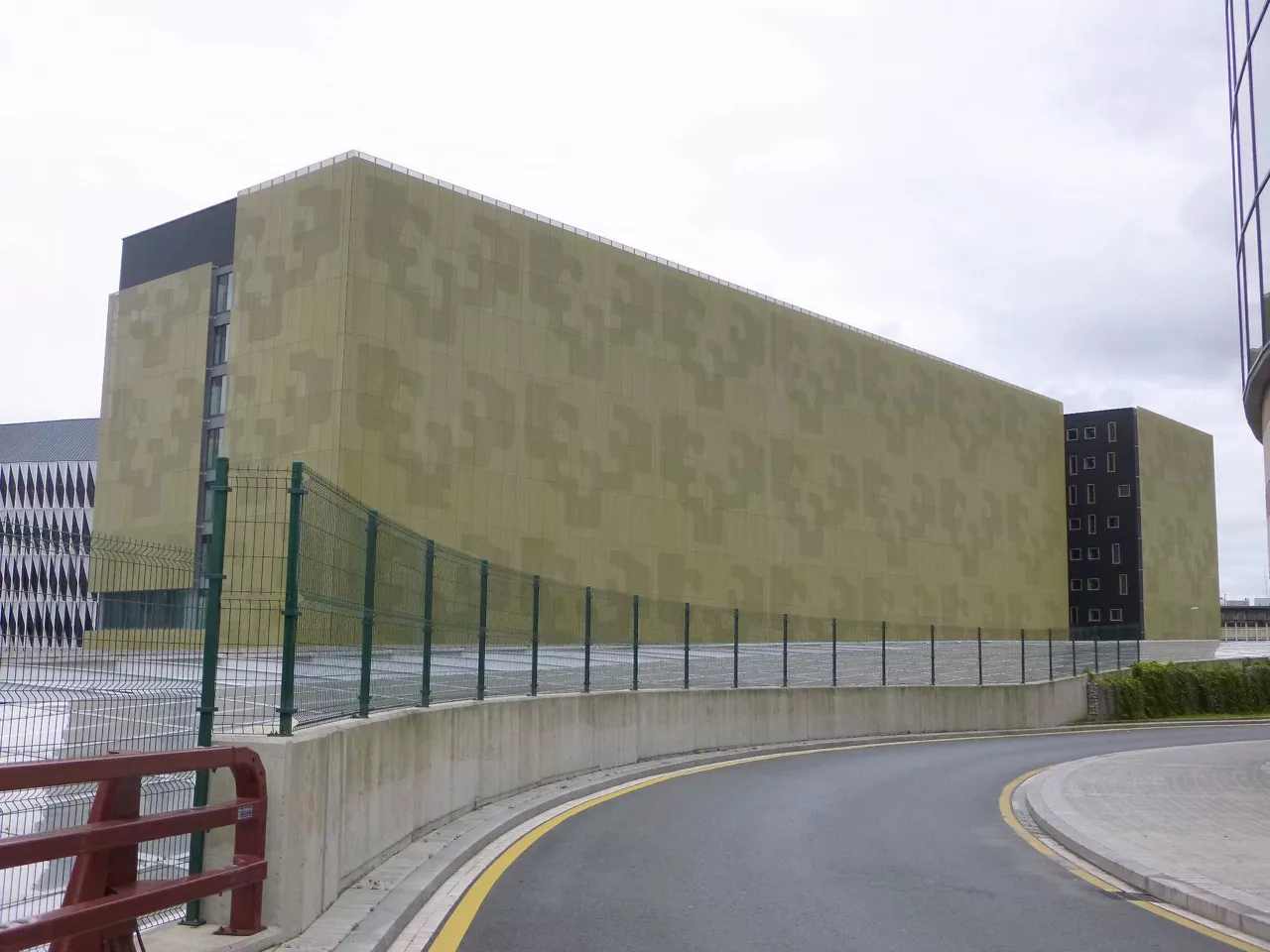
UPV/EHU will not renew its partnership agreement with CAF after five years of running

Lack of resources is the main cause of teacher stress in the ACV, according to a study
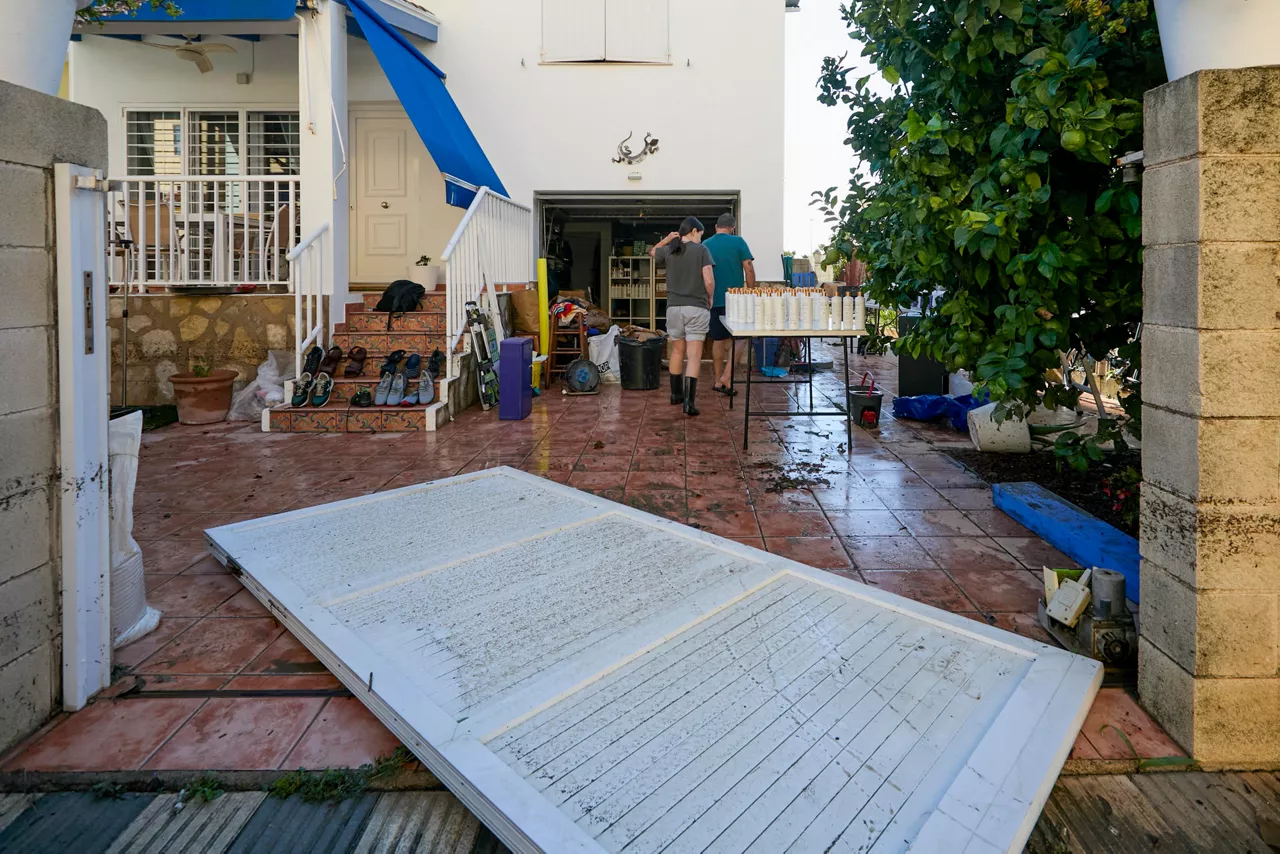
Residents are working to clean up the municipalities most affected by the isolated depression in the Adam Heights
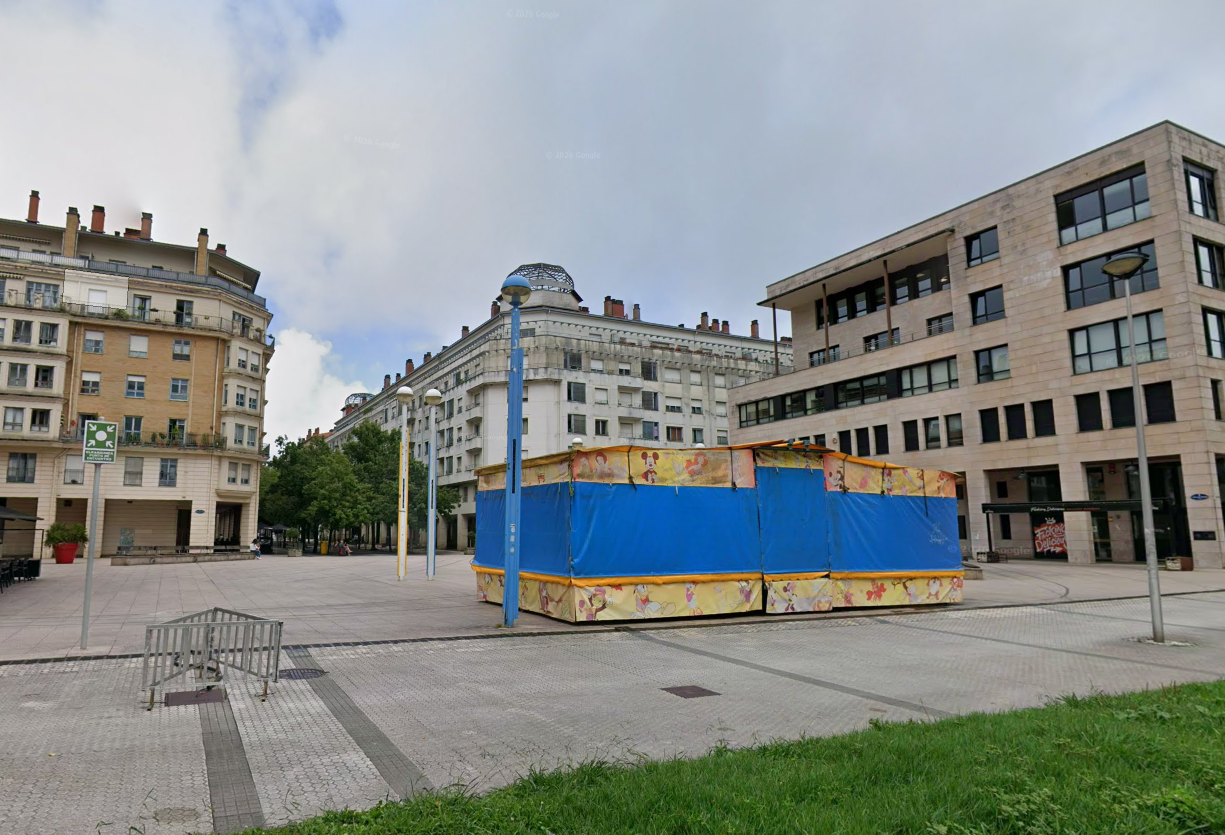
Benta Berri residents will remain on protected rental terms

The Council will launch a virtual league between Guipuzcoan municipalities to promote healthy ageing
The storm has left two dead in Valencia, where the government is preparing a restraining order
The remains of Neanderthals have been found for the first time in Navarre in the caves of Abaunz

There will be news: Vaccinations in the ACV and flu vaccination in Navarre, Adam GOIDI and protests in France