Benzene, a volatile liquid in gasoline, is not dangerous, except in "prolonged exposures."
Néstor Etxebarria, professor and researcher at the UPV-EHU Department of Analytical Chemistry, considers the recommendations that have been made to stay in enclosed spaces and keep doors and windows closed to be "appropriate". However, "as long as the focus is controlled and there is no risk of prolonged flight, it is not a worrying situation."


Benzene, a chemical detected in the leak of a gasoline tank from the Petronor refinery in Muskiz, is a colourless liquid, volatile, aromatic and highly flammable, obtained through oil distillation processes and poses no health risk except in "prolonged exposures."
According to information from the National Institute for Occupational Safety and Health (INSST), benzene is used in the chemical industry to obtain compound means for the manufacture of various products, such as plastics, resins, synthetic fibres, pesticides, medicines or dyes.
This chemical is naturally found in petroleum products, including gasoline, and is added as an additive, because it increases octane and has antidotonizing properties.
It is also naturally caused by eruptions in forest fires and volcanoes, but is mostly caused by anthropogenic sources such as coal and oil combustion and motor vehicles, and is also a component of tobacco smoke.
The Department of Health of the Basque Government reported on Thursday afternoon that concentrations of around 100 µg/mm were detected in Muskiz.
For work involving exposure to this substance, the Environmental Exposure Limit is 1 ppm (3.25 mg/mm).
This morning, although the results of the measurements have shown much lower values than yesterday's, "incidents" have been noted, so Public Health maintains its recommendations for staying in enclosed spaces and keeping doors and windows closed.
In statements to EFE, Néstor Etxebarria , a professor and researcher at the UPV Department of Analytical Chemistry, has considered these measures "appropriate" to avoid the risk of exposure to "health risk" compounds.
He has warned that only "masks with special filters" to prevent inhalation of this type of contaminant are useful, such as those used by workers exposed to benzene, and has clarified that masks used during the pandemic "do nothing".
The professor has explained that "in the long term and in a long period of exposure, even at low concentrations, benzene is carcinogenic. "However, Etxebarria has explained that once the leak at the refinery is controlled," it is foreseeable "that in a few hours the concentrations of benzene, which is high volatility, will" dilute rapidly. "
It has also stated that "as long as the focus is under control and there is no constant risk of escape, the situation is not alarming".
EFFECTS OF PROLONGED EXPOSURE
According to the National Institute of Occupational Safety and Health, benzene is a carcinogenic agent that can have serious consequences for human health, the most important of which is acute myeloid leukemia.
This chemical can cause other acute and chronic health effects. A short exposure to high concentrations can cause irritation, dizziness, nausea, headache, seizures, loss of consciousness, heart alterations, and even "death if exposure levels are very high."
In terms of chronic effects, the most notable is the alteration of bone marrow tissues from blood cells, which can cause anaemia, bleeding, and leukemia.
You might like
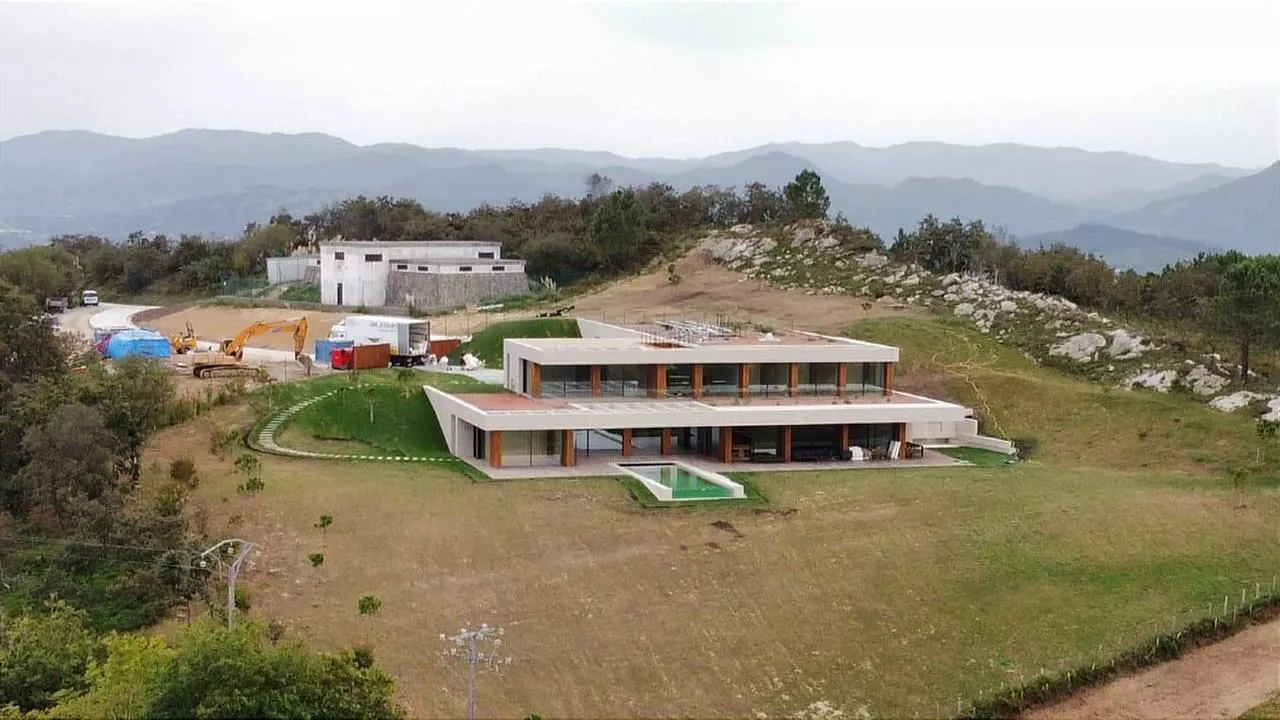
The TSJPV has ruled that the villa built by Xabi Alonso in Igeldo is legal
UPV/EHU will not renew its partnership agreement with CAF after five years of running

Lack of resources is the main cause of teacher stress in the ACV, according to a study
Residents are working to clean up the municipalities most affected by the isolated depression in the Adam Heights
Benta Berri residents will remain on protected rental terms
The Council will launch a virtual league between Guipuzcoan municipalities to promote healthy ageing
The storm has left two dead in Valencia, where the government is preparing a restraining order
The remains of Neanderthals have been found for the first time in Navarre in the caves of Abaunz

There will be news: Vaccinations in the ACV and flu vaccination in Navarre, Adam GOIDI and protests in France