79% of Spanish citizens believe it is "possible" to use nuclear weapons in a future war
According to an CIS poll, other fears that concern the population most are the loss of a close relative, loss of health, blindness, or cancer.


78.9% of Spanish citizens believe it is "possible" to use nuclear weapons in a future war, and 41.7% believe it would mean the end of humanity, according to a survey by the Center for Sociological Research (CIS).
The sampling took place between 20 and 27 February, prior to the bombing of Iran by Israel and the US, and included 5,015 interviews. The results also show that fear of a world war is at the forefront of society's global fears, with an average of 8.01 out of 10, ahead of fear of a civil war (7.49) and economic crisis (7.3).
In the personal sphere, according to this study on the "fears of today's society", first there is the loss of a close relative, with an average of 8.18 points on a scale of 1 to 10, followed by loss of health (7.58), loss of vision (7.52) and cancer (7.39).
On the other hand, 67.6 per cent say that they feel "very or fairly safe" when walking alone at night through certain areas of their residence; when disaggregated by sex, 40.2 per cent of men say that they feel "very safe" in this situation, compared with only 20.3 per cent of women.
Younger people show greater insecurity, with 38.2 per cent of respondents aged 18 to 24 claiming to feel "little or no security."

Nevertheless, the population is optimistic.
Despite all concerns, the survey shows that the population as a whole is optimistic and that 79.4 per cent of respondents say so, while 15.5 per cent say it is "rather pessimistic."
Most do not take medication to manage "emotional discomfort" (84 per cent do not use antidepressant anxiety), but 14.9 per cent use these drugs; 65.8 per cent believe that this discomfort is not properly treated; and 32 per cent fear being left alone or unprotected in difficult times.

Most do not take medication to manage "emotional discomfort" (84 per cent do not use antidepressant anxiety), but 14.9 per cent use these drugs; 65.8 per cent believe that this discomfort is not properly treated; and 32 per cent fear being left alone or unprotected in difficult times.
On the positive side, 90.1% say they may have someone close to them to talk about these issues, and yet fear and anxiety only take the sleep away from 13.8% of the population.

The media heightens fear
Sampling also examines the role of the media in increasing the sense of fear in society, and the result is disastrous for them, as 77.1% say they contribute to greater fear, but 20.1% deny it.
There is also a fear in society that they will be controlled by new technologies, as one third of the population (33.1%) fear "much" or "quite", while 48.4% say they feel "little" or "nothing" for fear of such control.
At the same time, the vast majority of the population believe that democracy is completely or "quite" ruined (76.6 per cent), while 89.8 per cent say that conflicts such as violence or polarization are increasing in society.
Overall, only 12.3 per cent of the interviewees fear "many" or "enough"; 32.5 per cent say "some" and 54.8 per cent say "few" or "none".
Covid doesn't care anymore.
More than six years after the Covid pandemic, the fear of catching viruses has declined to the point of being the least feared on the scale (3.86), while the concern about not allowing jobs or pensions to live in dignity (7.1) or not being able to pay rent or mortgage housing (6.61) is greater.
In other areas, and below the wars, there are fears that those consulted by the CIS will be tried for an uncommitted crime (7.33).
You might like
Adults arrested for sexually assaulting two minors in Vitoria-Gasteiz have been provisionally released

Olentzero's Magic Forest: Zornotza's New Christmas Light Park
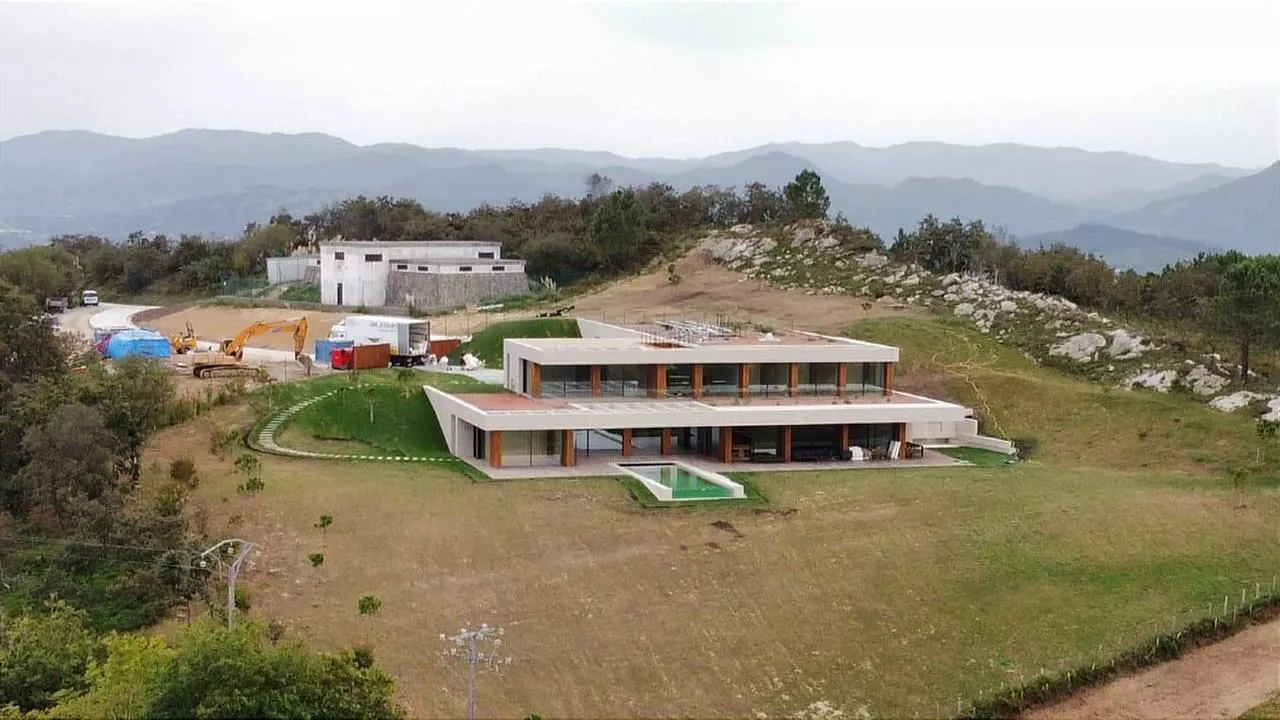
The TSJPV has ruled that the villa built by Xabi Alonso in Igeldo is legal
UPV/EHU will not renew its partnership agreement with CAF after five years of running
Lack of resources is the main cause of teacher stress in the ACV, according to a study
Residents are working to clean up the municipalities most affected by the isolated depression in the Adam Heights
Benta Berri residents will remain on protected rental terms
The Council will launch a virtual league between Guipuzcoan municipalities to promote healthy ageing