Using pipe covers as a raw material, UPV researchers get rechargeable batteries
According to the university, the study has found that batteries made from biomass materials not only store enough energy, but also support 1,000 loading and unloading cycles. The finding offers more ecological alternatives to traditional batteries that are "more expensive and polluting."


A study by the University of the Basque Country (UPV/EHU) has managed to develop rechargeable batteries using pipe covers as raw materials, demonstrating that biomass can be used as an alternative to commercial batteries and thus make them more sustainable.
The finding offers more ecological alternatives to traditional batteries that are "more expensive and polluting" .
According to the university, the study found that batteries made from biomass materials not only store enough energy, but also support 1,000 loading and unloading cycles .
Sodium ion batteries are a cheaper alternative than lithium ion batteries and are less dependent on mineral reserves, but have low energy density and insufficient load and discharge cycles.
UPV-EHU's Solid State and Materials Group aims to develop sodium ion batteries using biomass materials.
The batteries have a cathode (positive side) and an anode (negative side), and an electrolyte to move from one charge to another, which serves to generate electric current. The team at the University of the Basque Country is engaged in research to obtain carbon-based anodes from residual biomass, transforming waste into useful materials for these batteries.
In this study, the team has tested different types of biomass , such as coffee remains, plant stems, bushes of invasive species, grape seeds or bark, corn cobs, and even compost from bio-waste.
Of all these, the coal from the pipe crusts has produced the best results.
"These are rechargeable batteries made from pipe crusts capable of storing the right amount of energy and up to 1,000 load and discharge cycles, choosing in each case the most environmentally friendly cathode chemistry," says Nekane Nieto, a doctor at the UPV Solid State and Materials Group.
These batteries are not yet competitive compared to lithium ion batteries, and while larger batteries are available, they can be used as "auxiliary systems" or in small devices.
You might like
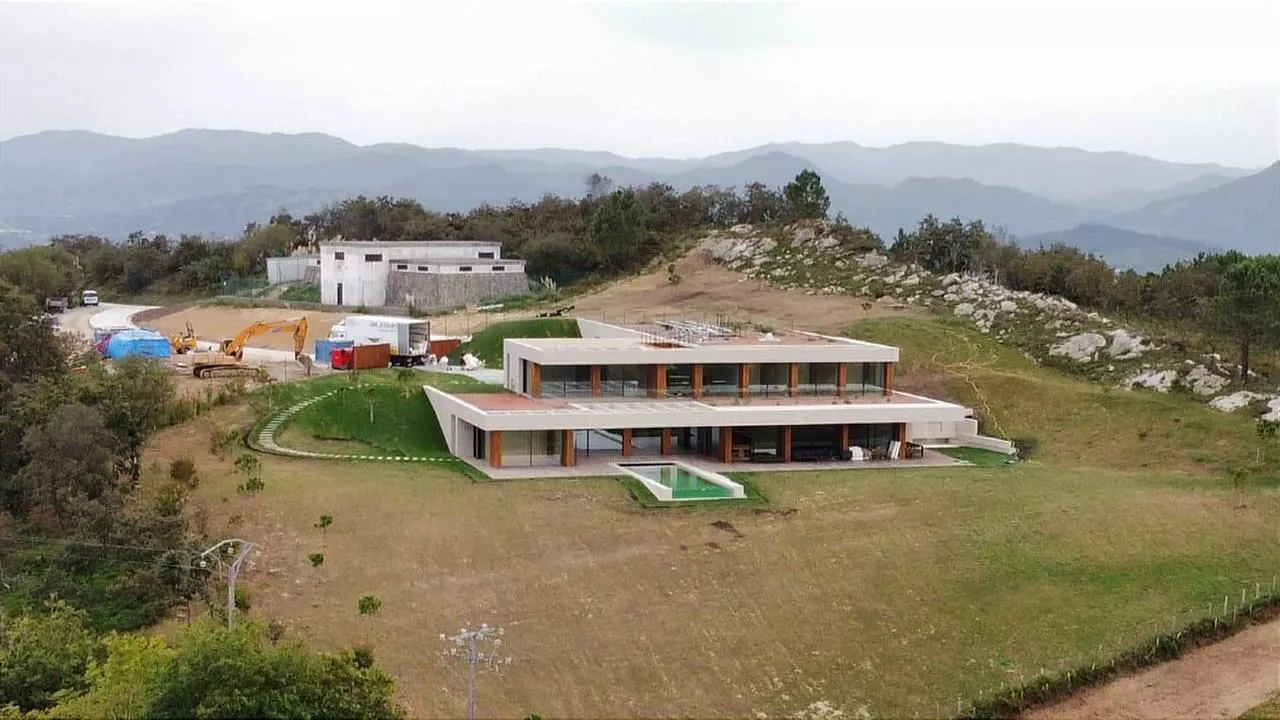
The TSJPV has ruled that the villa built by Xabi Alonso in Igeldo is legal

UPV/EHU will not renew its partnership agreement with CAF after five years of running
Lack of resources is the main cause of teacher stress in the ACV, according to a study
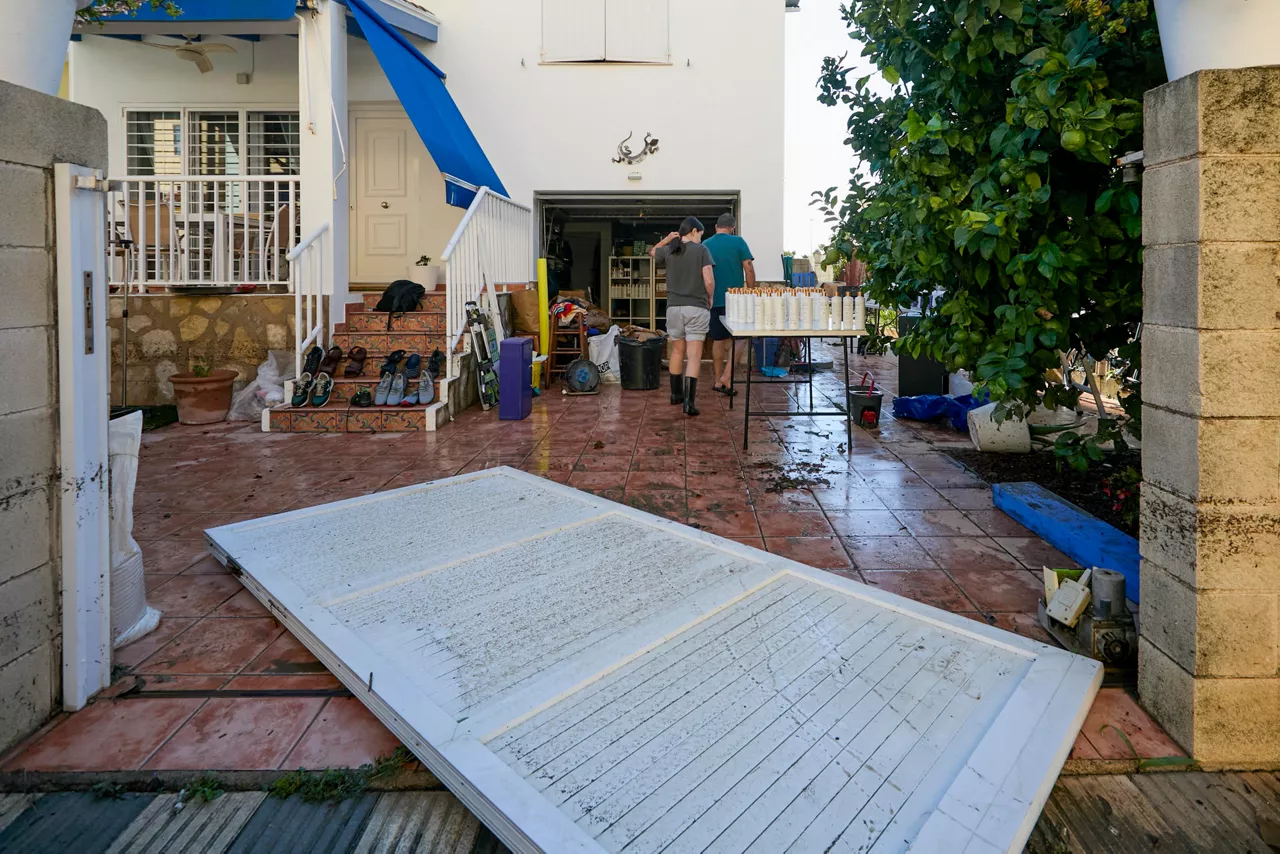
Residents are working to clean up the municipalities most affected by the isolated depression in the Adam Heights

Benta Berri residents will remain on protected rental terms
The Council will launch a virtual league between Guipuzcoan municipalities to promote healthy ageing
The storm has left two dead in Valencia, where the government is preparing a restraining order
The remains of Neanderthals have been found for the first time in Navarre in the caves of Abaunz

There will be news: Vaccinations in the ACV and flu vaccination in Navarre, Adam GOIDI and protests in France