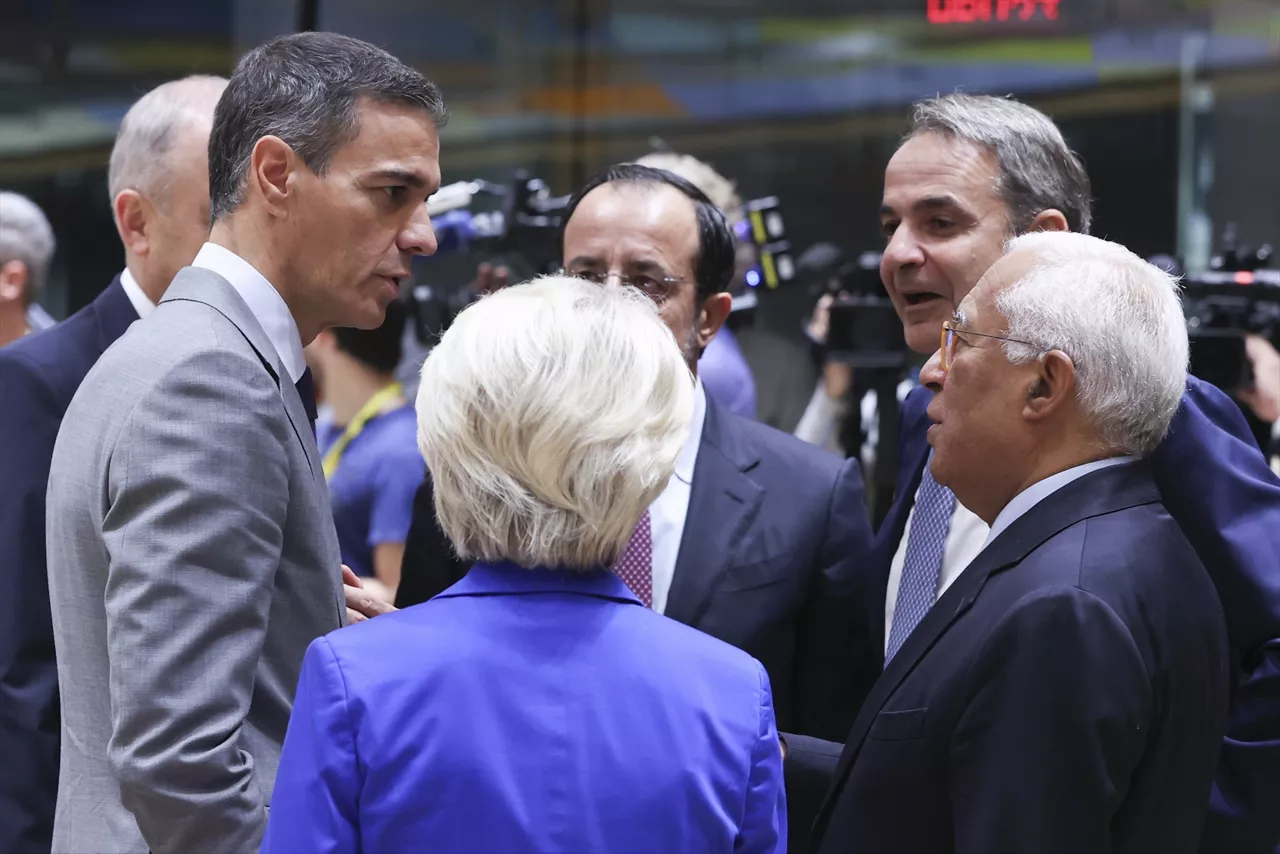
Sanchez insists that Spain will not spend more than 2.1% of GDP on military spending
NATO Secretary-General Mark Rutte has admitted that there is "agreement" with Spain on the new military spending target.

Spanish Prime Minister Pedro Sanchez, in The Hague, Netherlands.

ThePresident of the Spanish Government, Pedro Sánchez , has described as "successful" the agreement concluded by NATO allies and has reaffirmed that Spain will allocate 2.1% of GDP to military spending . Moreover, he has criticized Alberto Núñez Feijóo for believing that the PP's leader would accept a 5% commitment, which, in his view, would be a "big mistake."
At a press conference at the end of the Hague summit, Sanchez reiterated that Spain will be able to continue its course, although the final document signed by the leaders includes a commitment to reach 5% by 2035.
Although several states at the summit have criticised Spain's position by saying that there are no exceptions within the alliance and that everyone must respect this volume of expenditure, Sanchez has insisted that it will only fulfil the commitments of military capabilities required by NATO, but in no case with a certain percentage of GDP.
However, according to Sanchez, the agreement 'satisfies all Member States', NATO leaves this summit with greater unity and the transatlantic relationship between Europe and the United States is strengthened.
The head of the Spanish Government admits that he has not hadthe opportunity to personally greet US President Donald Trump. In the run-up to the summit, Trump saidthat\ u00A0 Spain was a "problem" for NATO because he refuses to accept 5%.
In this regard, Sanchez has defended his position and said that if he had agreed to reach this spending ceiling, he would have to allocate 'more than EUR 300 billion' over the next decade and that these resources would have to be achieved through 'higher taxes on the middle class' and 'cuts' in public services.
"It is clear to me that if there were another Prime Minister today, today Spain would sign 5% of GDP, which would be a big mistake for Spain," he added.
For his part, NATOSecretary-General Mark Rutte has acknowledged that there is "agreement on disagreement" with Spain on the new military spending target.
"They think they can achieve targets with 2.1% of GDP; NATO says it should be 3.5%, as for all other allies," Rutte repeated at a press conference at the end of the summit.
However, asked if Spain is serious about the new spending target supported by all allies, Rutte said, "Yes, I think so. "
You might like
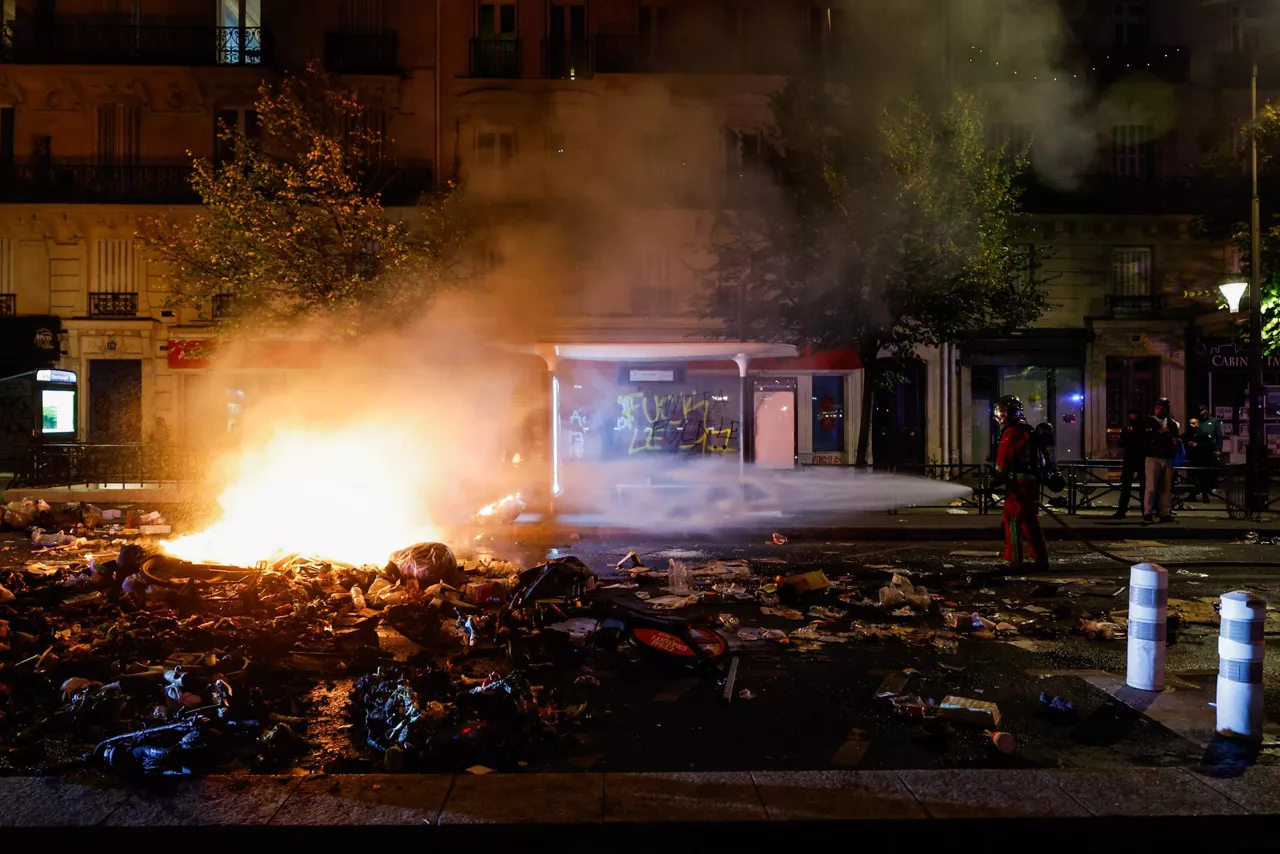
Partial curfews will be imposed in several French cities due to riots
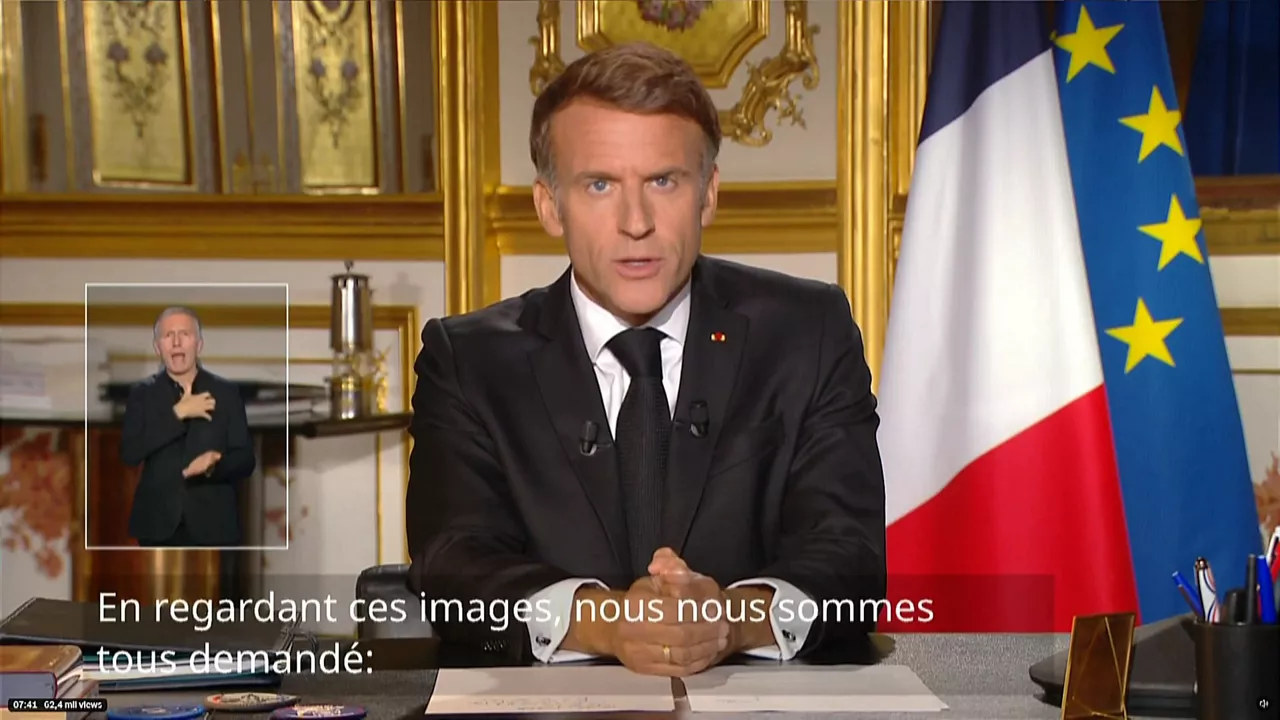
Macron holds the far left responsible for the violence and conveys his support to the police and traders
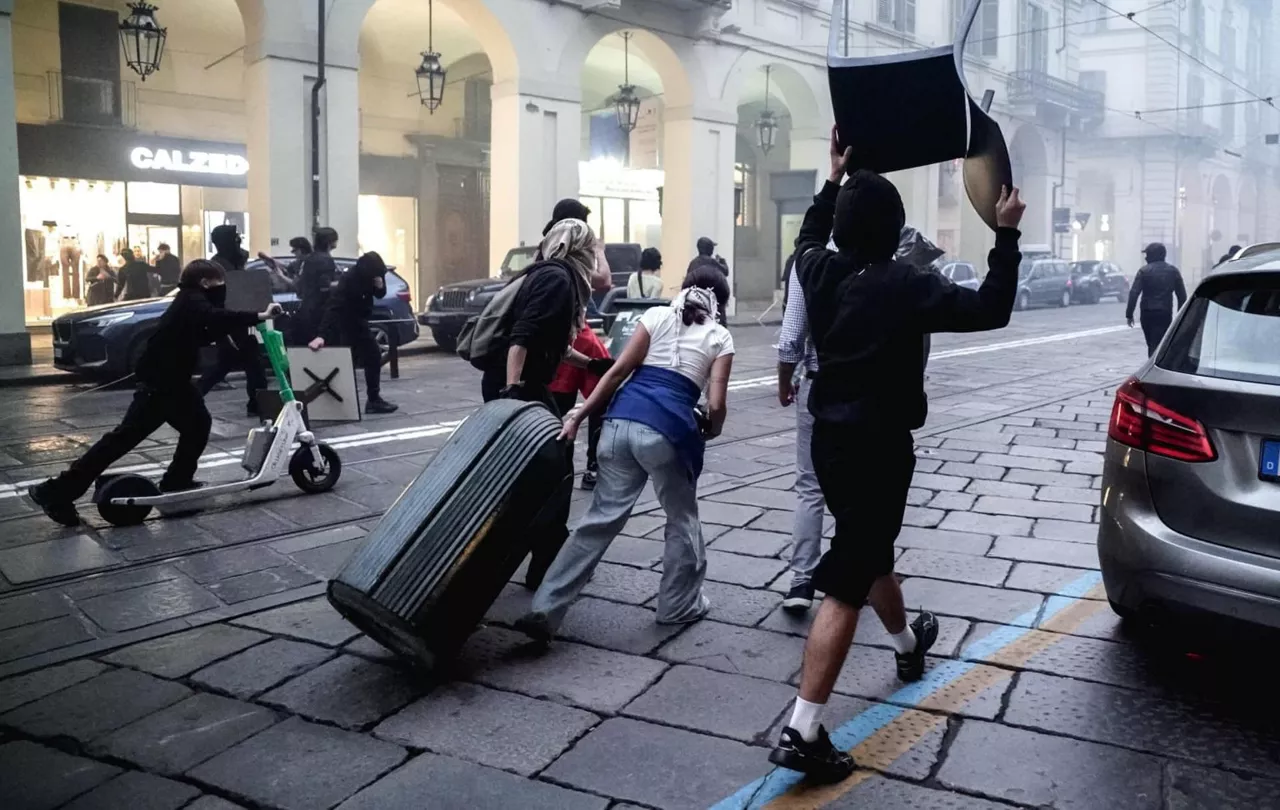
Violent protests in Italy and Albania against rising prices
Riots erupt again in Paris the day after the protests
The Pope reappears in the Vatican to pray for the Angelus
Consequences of the protests in France: one person has died, 1,200 have been arrested and there is destruction everywhere

Israeli settlers attack diplomats from France, Belgium and Poland in the West Bank
France on fire for student protests and 'yellow vests'
Riots and dozens of detainees in protests in Paris and other French cities