
Israel has killed a leader of Hezbollah in attacks in southern Lebanon


The Israeli Army announced on Sunday that it has killed the logistics chief of the elite forces of the Shia militia Hezbollah in an attack in southern Lebanon, which has not yet been confirmed by the organization.
In a message posted on its X social network account, the Israeli Army said the attack left four dead, including the head of the Radwan Force's logistics apparatus.Israeli troops have indicated in the same message that one of these individuals was working to "rebuild Hezbollah's terrorist infrastructure" in southern Lebanon, from where he was "promoting the transfer of arms."
Despite the truce that has been in force for a year between Hezbollah and Israel, Israel continues to attack southern Lebanon after denouncing the presence of militia members of the Lebanese Shia Party and violating the ceasefire agreed in November 2024.
Israeli Defense Minister Israel Katz has threatened the Lebanese Government that army attacks will increase if the Lebanese authorities are unable to disarm Hezbollah, one of the terms of the ceasefire.
Katz points directly to Lebanese President Joseph Aoun. "The process is lengthening," the Israeli minister said in a message published in his X account. "The Lebanese government's commitment to disarm Hezbollah and expel Lebanon from southern Lebanon must be realized."
You might like
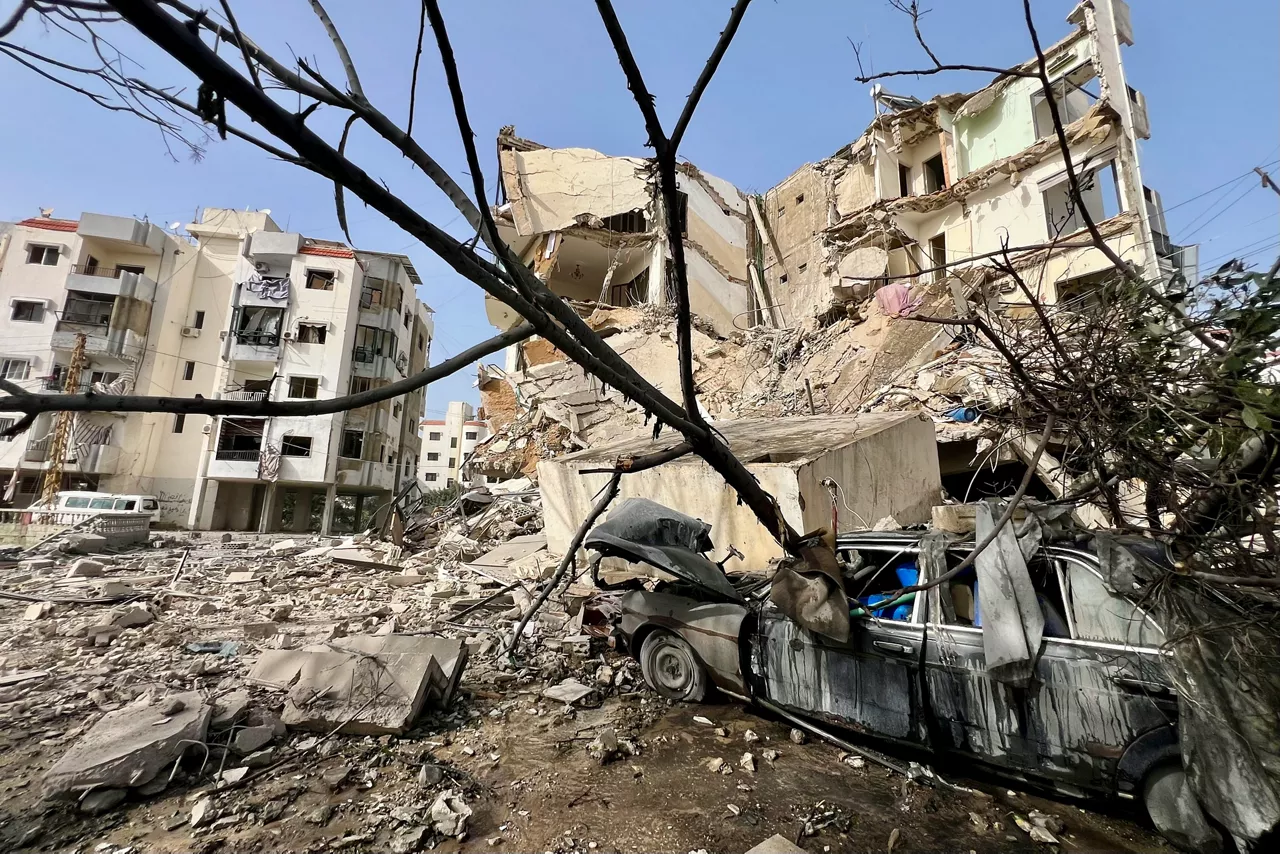
Israeli attacks in Lebanon have already killed 1,400 people
Today, Saturday, the Israeli Army confirmed that it has carried out a number of attacks in southern Lebanon and Beirut against Palestinian Islamic Jihad militias and structures.
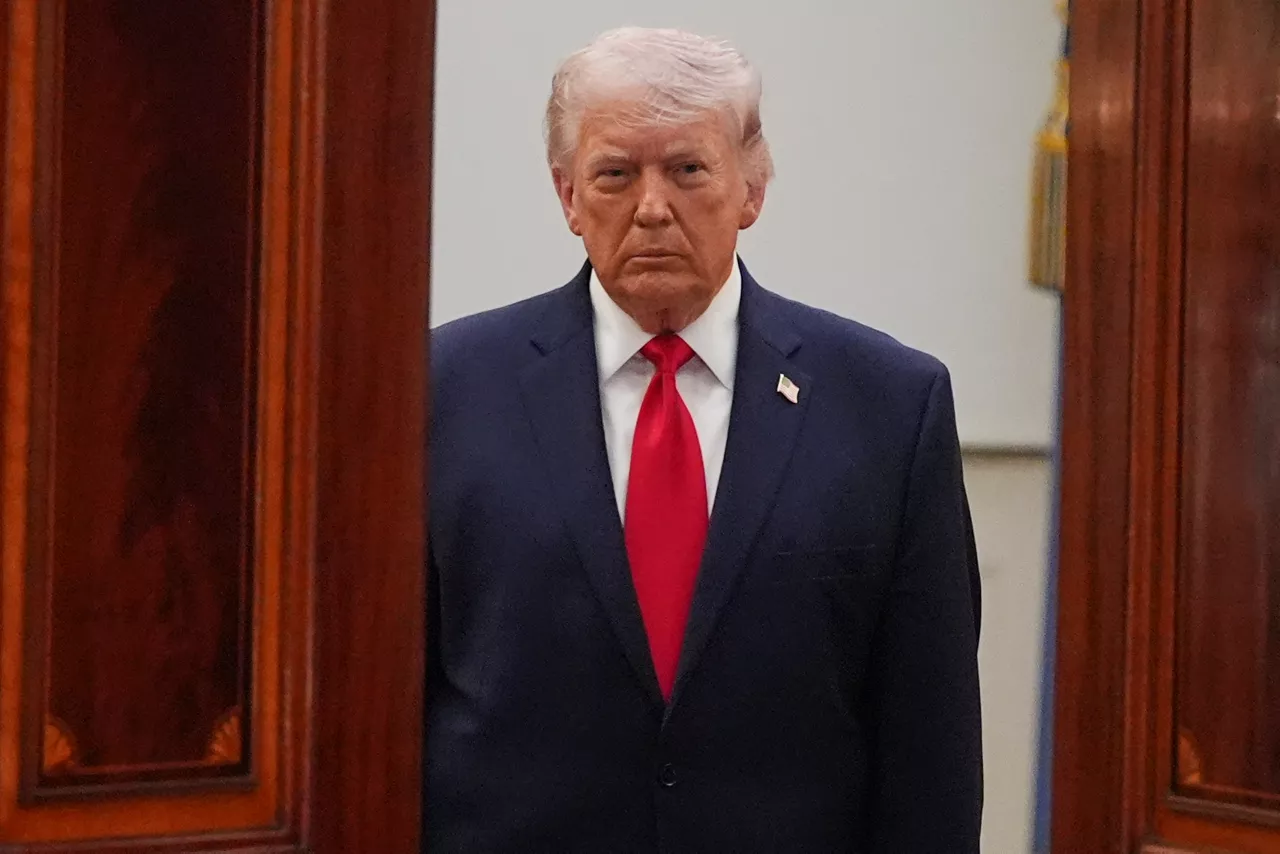
Trump reminds Iran that his ultimatum will expire in 48 hours
"Do you remember I gave Iran ten days to reach an agreement or open the Strait of Hormuz? Well, time is running out: there are 48 hours left to start hell," Trump said in a message posted on the Truth Social platform.
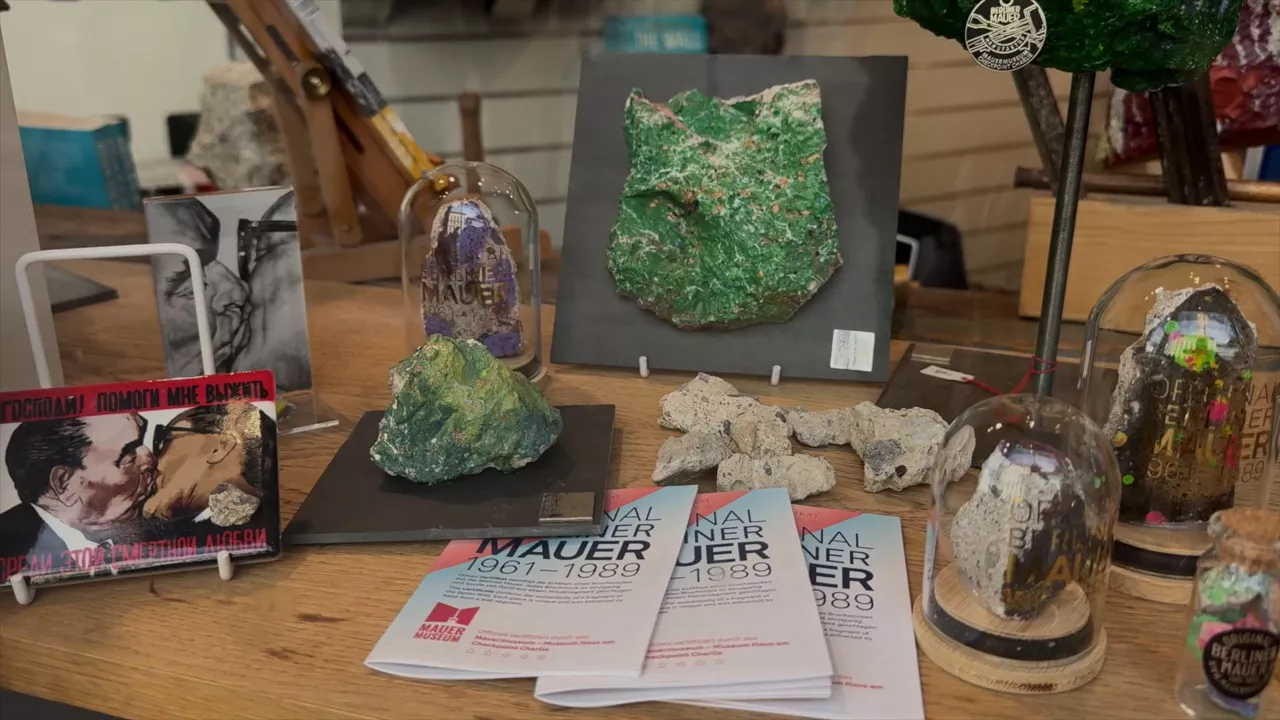
The sale of fragments of Berlin walls has become a big business
In Easter, Berlin is one of the European capitals that receives the most visitors, and the sale of parts of the wall that divided the city into two for decades has become a big business. Parts of all sizes are sold, but beware, because not all of them are true. Harresi the purchase of fragments has also become fashionable to visit and photograph the Checkpoint Charlie that separated Berlin 40 years ago.

The farmers' market in Beirut has become a great supportive kitchen
They get funding from NGOs like World Central Kitchen. They cook dishes with local farmers' products so that those in need can eat at home.
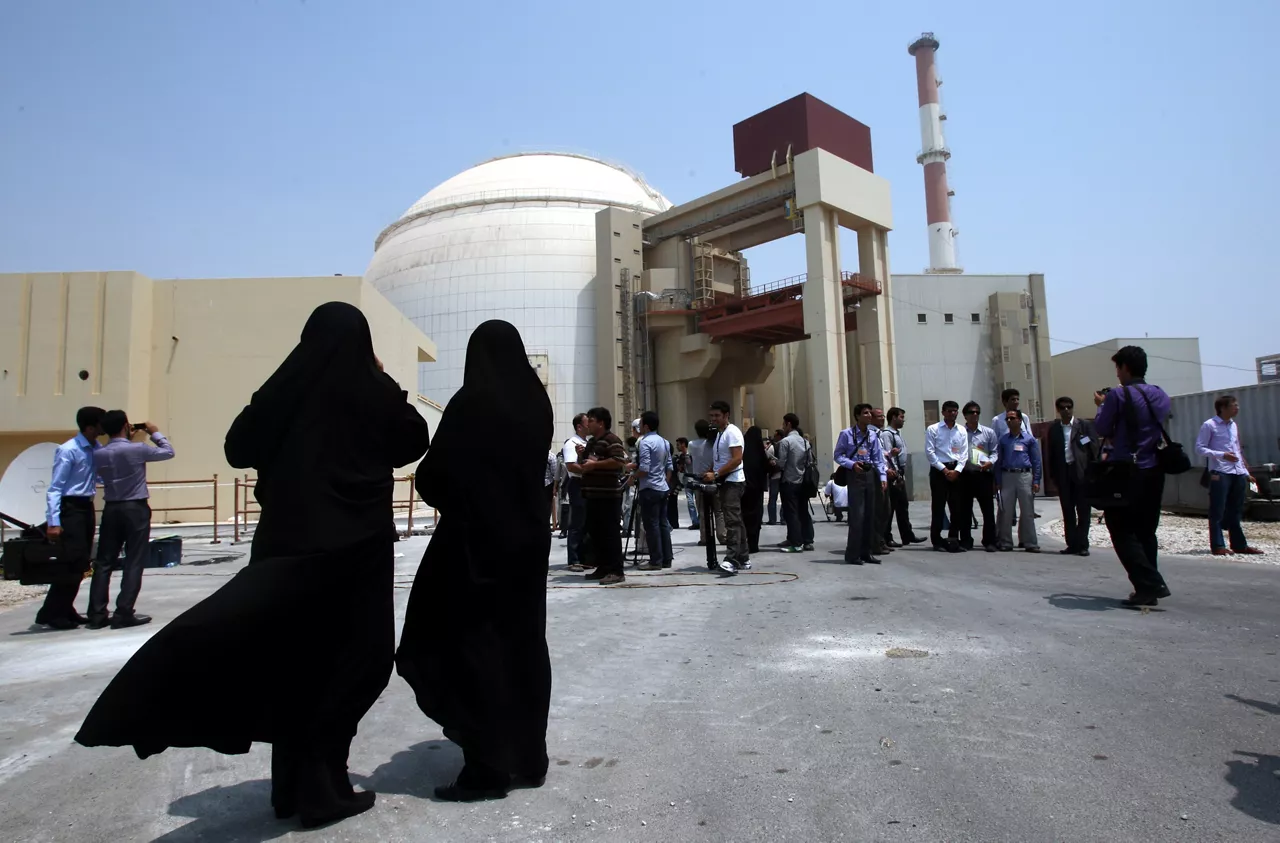
Iran has denounced further attacks on the Bushehr nuclear power plant and the petrochemical field in Khuzestan
"As a result of the shockwave and shrapnel of this attack, one of the buildings adjacent to the power plant has been damaged and, unfortunately, one of the security department personnel has died," said one of the facility's employees.
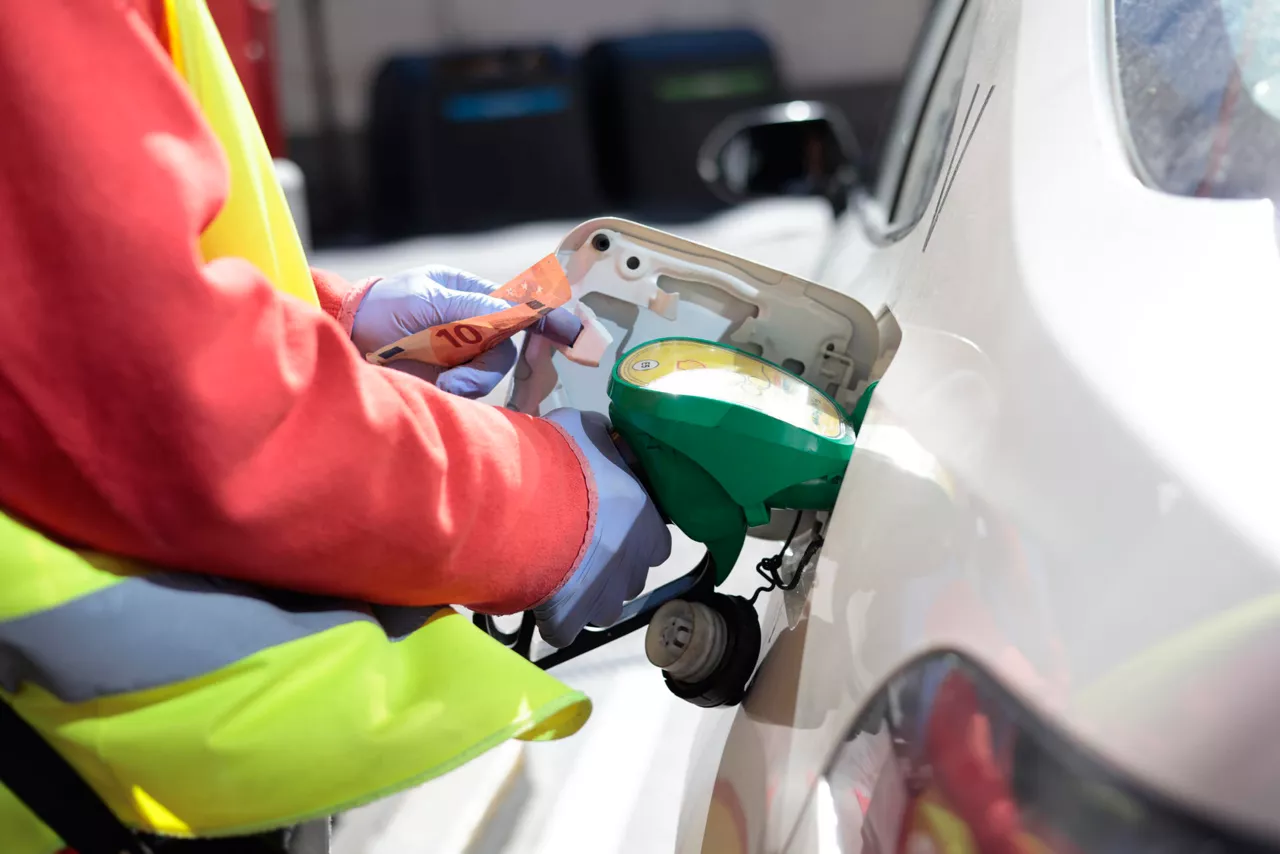
Germany, Italy, Spain, Portugal and Austria are calling for a tax on the profits of energy companies
Finance ministers from five countries have sent a letter to the European Commission arguing that companies that are making profits from the war must also make an effort to 'ease the burden' on their citizens.

Earth seen from Artemis II
The mission is advancing towards the moon, and from that distance images of the Earth have been taken before arriving at the satellite on Monday.
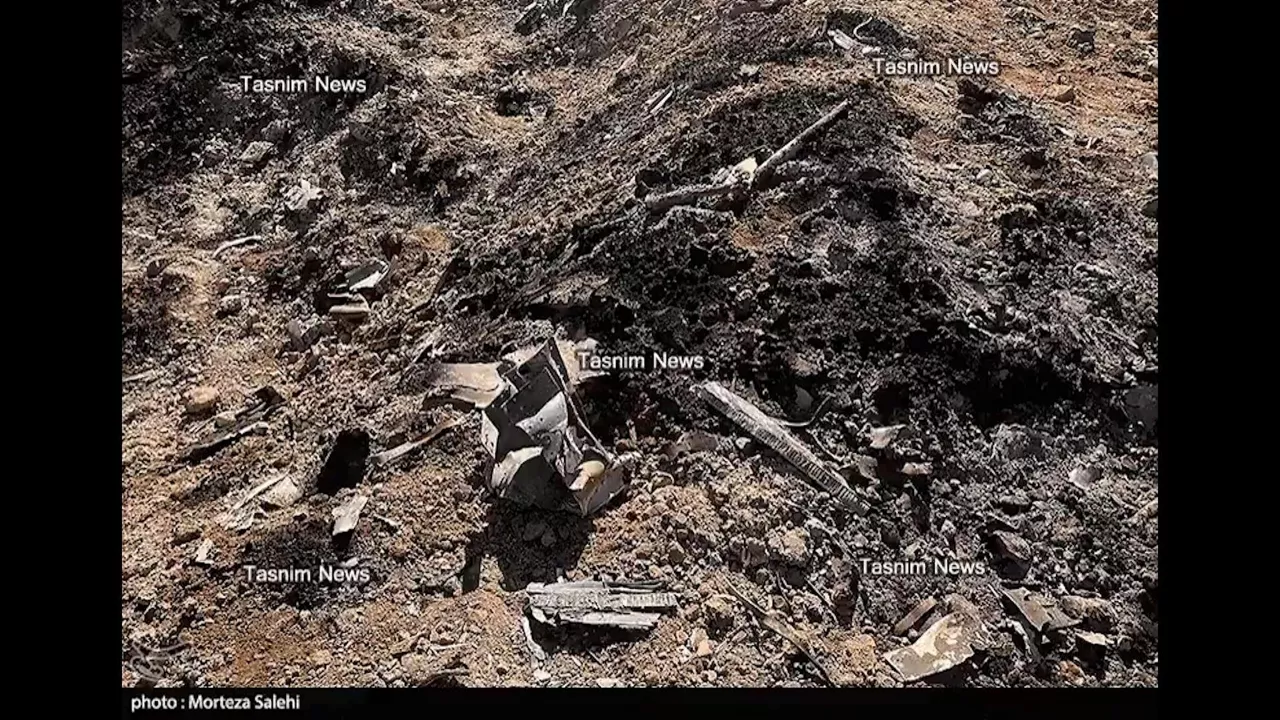
Shooting down fighters doesn't affect negotiations with Iran, according to Trump
However, the mediators have declared that the ceasefire negotiations are "stifling." Iran has offered a reward for capturing pilots and Israel is putting its emphasis on Lebanon.
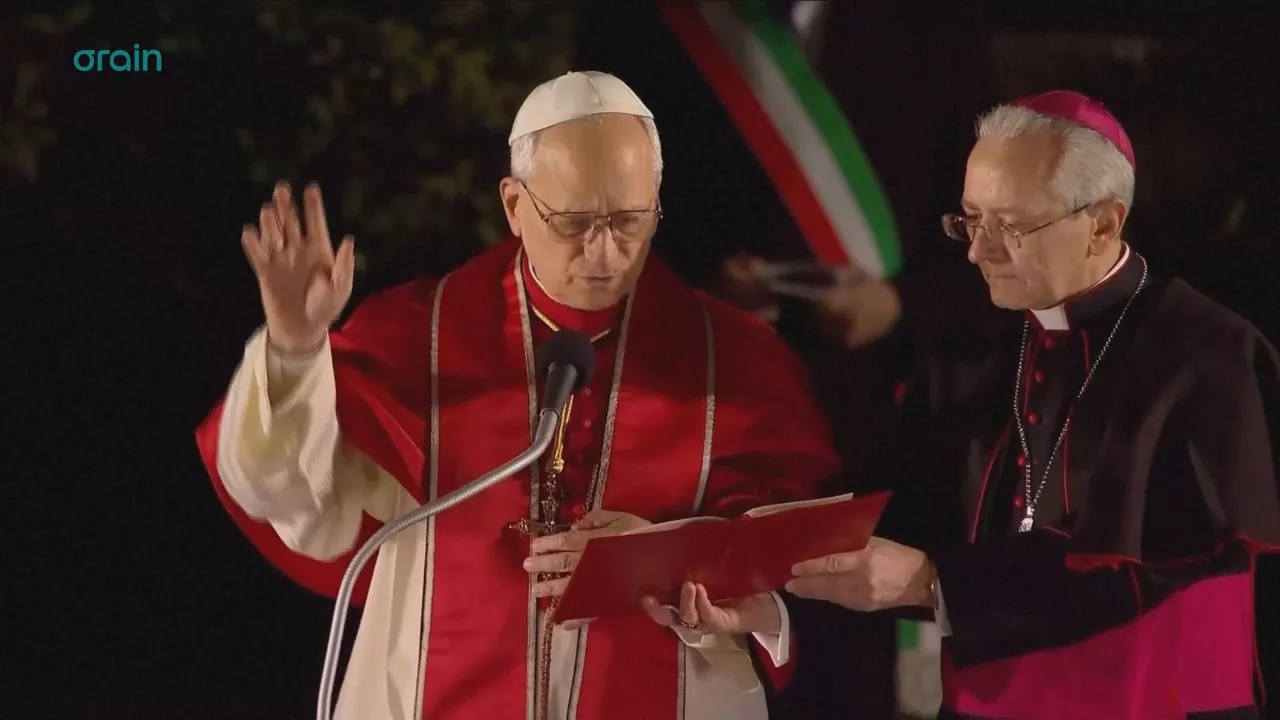
Pope Leon XIV has cried out against war and abuse of power in his first Crusade
Leon XIV has presided this Good Friday over the first Crucis of his term in the Elysée of Rome, proclaiming against war and abuse of power to thousands of believers, and saying that every ruler "shall answer to God for the use of the power received."

If fuel prices continue to rise, the European Union does not rule out rationing
European Energy Commissioner Dan Jørgensen said: "We are preparing for the worst scenarios, but we do not yet need to rationing critical products (kerosene or diesel)."