Kast, the first Pinochetist to come to power in democratic Chile
The 59-year-old leader of the Republican Party is preparing to implement a neo-liberal program against crime and irregular migration from March 11, after winning the leftist Jeannette Jara by a large margin in Sunday's election.


The ultracatolic lawyer and former deputy José Antonio Kast is already on the list of ultra-right-wingleaders in power in various parts of the world and is also the first Pinochetist to come to power since the establishment of democracy in Chile.
At the age of 22, when he was a student at the Catholic University of Chile, Caste campaigned for the continuation of Augustus Pinochet's term (1973-1990) in the 1988 plebiscites.
"If he were alive, he would vote for me," Caste said four decades later, in 2017, in his first attempt to reach the Monetary Building, the seat of the government. This time, he has taken special care during the campaign not to expose his pro-regime stance, nor his ultraconservative principles on individual rights, such as abortion or the morning-after pill, with the aim of not dispelling the votes of women and young people.
Father of nine children and a fervent Catholic, he was president of the Kast Political Network for Values (PNfV), an Ibero-American network for life, family and marriage.
The 59-year-old leader of the Republican Party is preparing to implement a neo-liberal program against crime and irregular migration from March 11, after winning the leftist Jeannette Jara by a large margin in Sunday's election.
Although neither he nor his beliefs have "changed," he has assured that he will not focus on "cultural confrontation," but on "Chilean emergencies," such as crime and irregular migration.
Its main promise is to create an "emergency government" to act firmly and resolve the biggest security crisis in Chile, although the murder rate remains one of the lowest in the area.
To this end, it proposes mass expulsion of migrants, increased police deployment, shielding the northern border with fences and ditches, and criminalizing irregular migration .
Son of a prosperous couple of German migrants (whose father had been affiliated with the Nazi Party), Kast is not a newcomer to politics: for 16 years he was a member of the conservative Independent Democratic Union (UDI) pro-Dictatorship party, which he abandoned for the first time when he ran for the presidency and presented himself as an independent.
In 2019, he founded the Republican Party, and two years later, in the second round, he lost by a wide margin to Gabriel Boric. In 2023, he led the second constitutional process, which failed.
Compared to other right-wing leaders like Donald Trump or Javier Milei, he's less supportive or aggressive.
Just as in other countries where the ultra-right is strong - it is also linked to VOX in Spain - Caste has phagocized the traditional Chilean right, which encompasses the Vamos Chile bloc, and has become a leader in the sector.
The big question is what kind of government it will form from March onwards, whether it will lead its most radical troops, or whether it will seek a rapprochement with the traditional right of the Goazen Chile coalition to reach consensus in a Parliament without a majority.
You might like
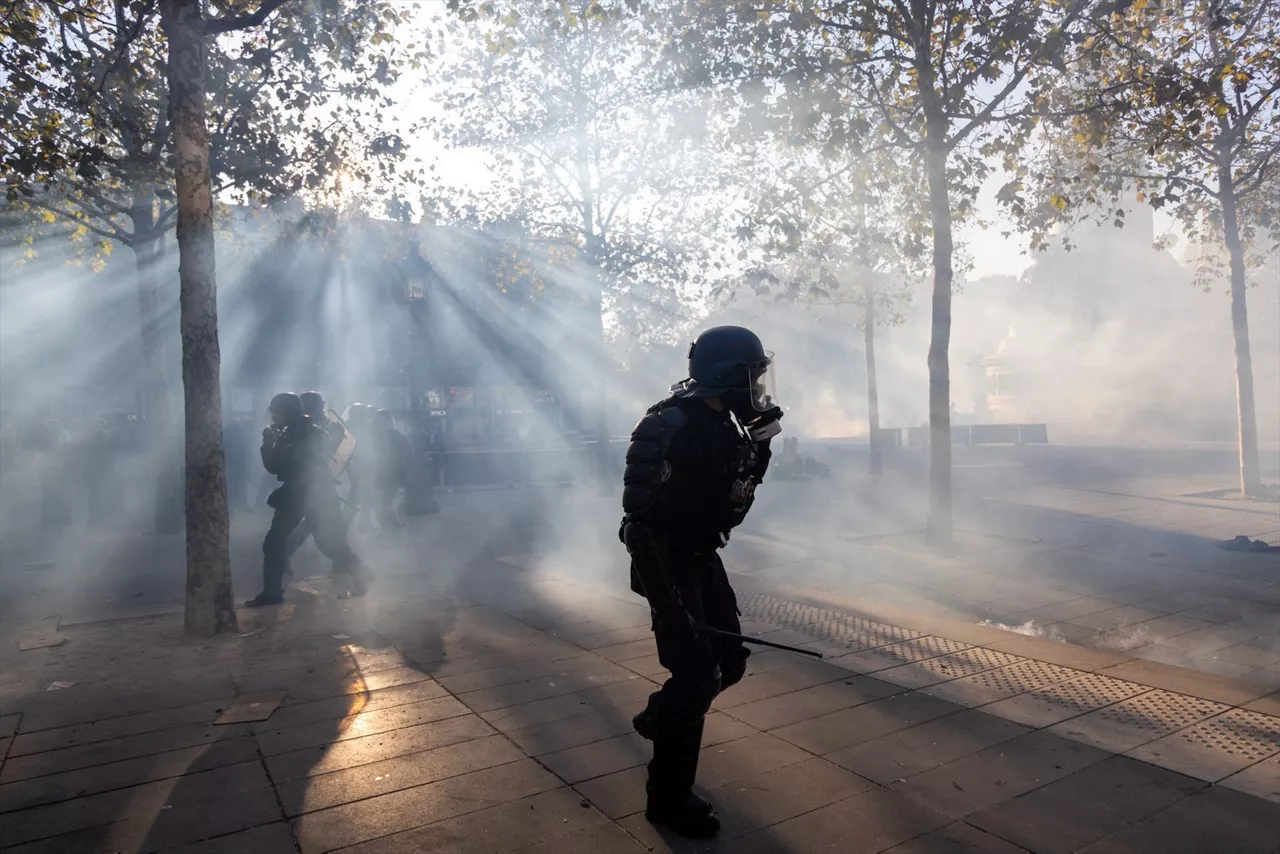
Yellow vests called for demonstrations on Saturday, and Macron accuses Trump of manipulating revolts

Von der Leyen blames several states and other actors for the migration crisis in Ceuta
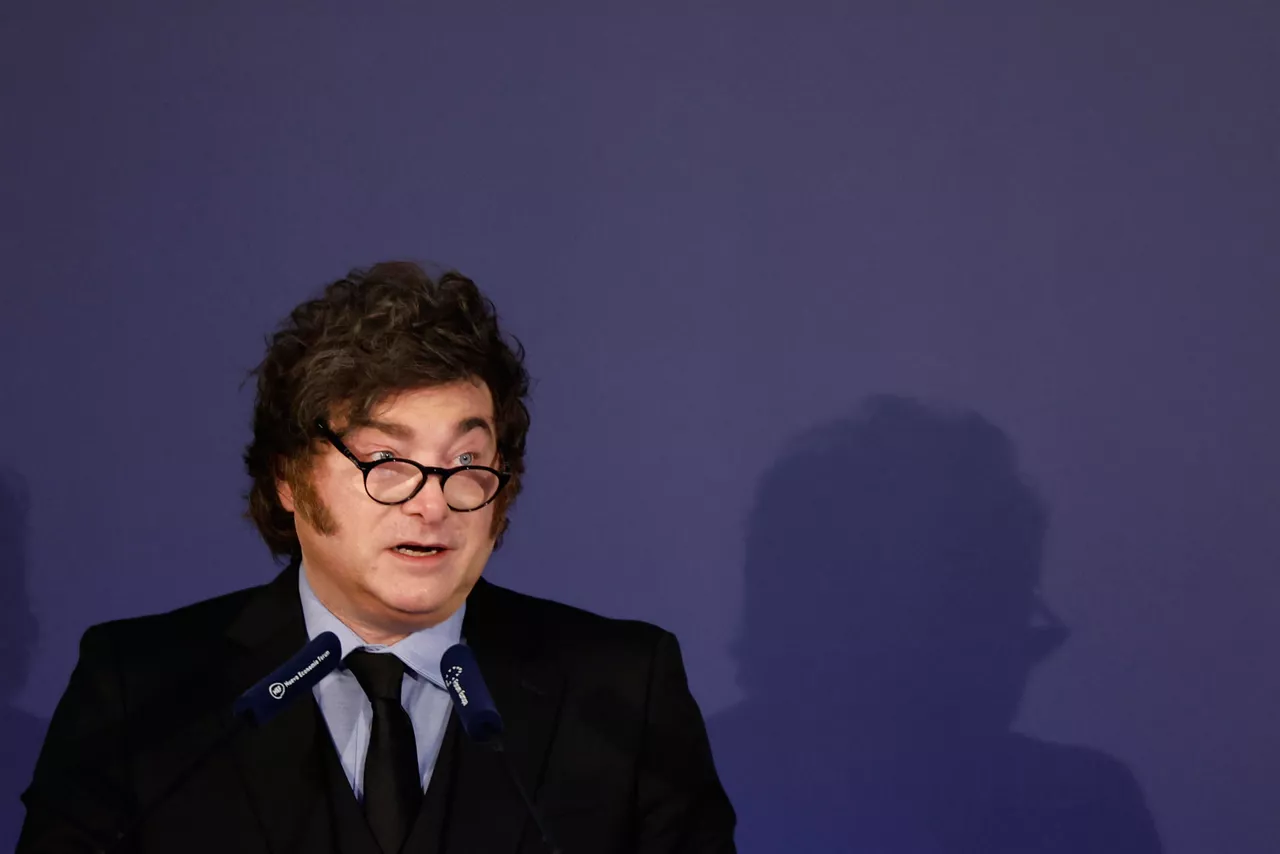
Milei calls Sanchez a "dictator" and accuses him of promoting an "invasion" in Ceuta
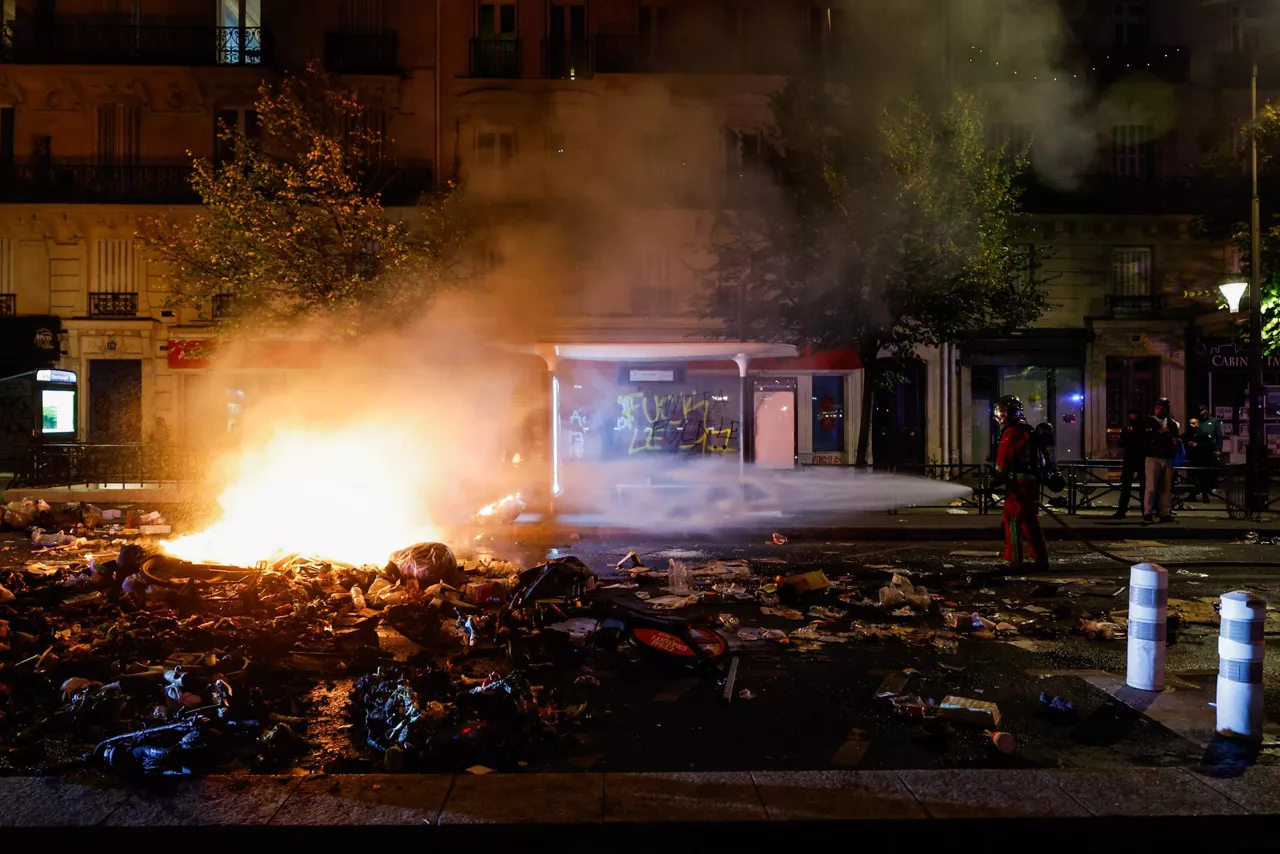
Partial curfews will be imposed in several French cities due to riots
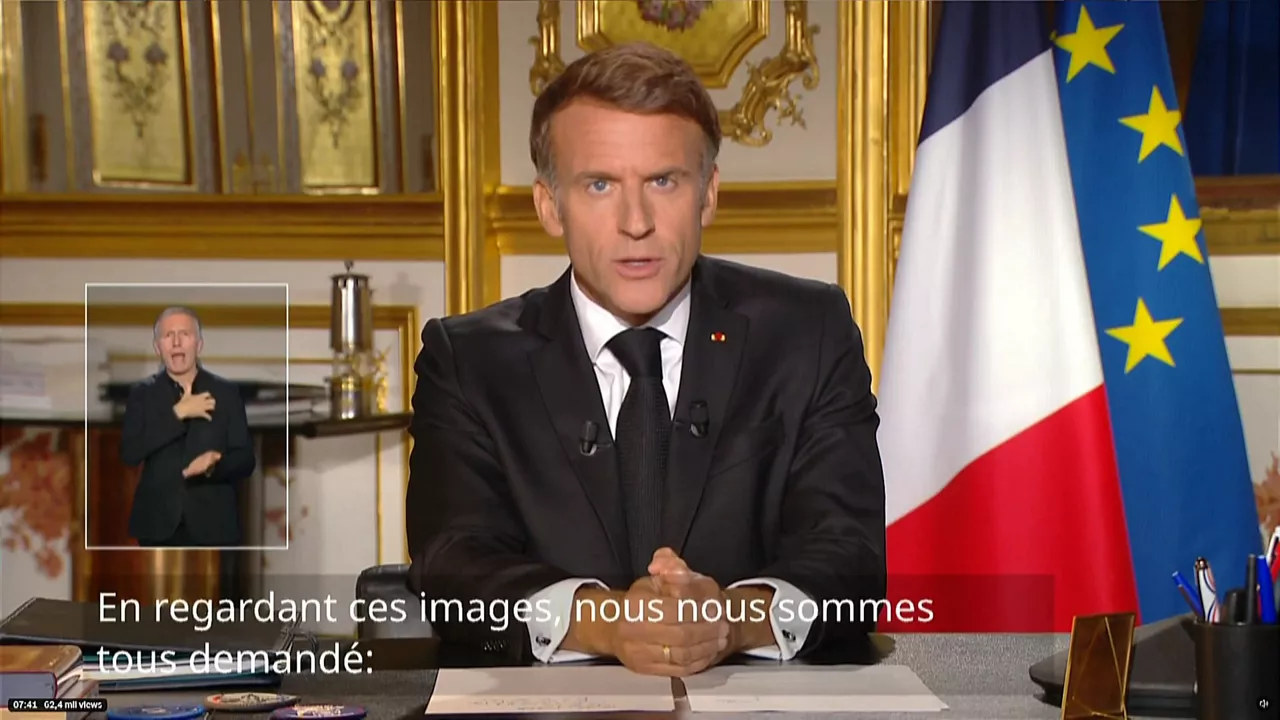
Macron holds the far left responsible for the violence and conveys his support to the police and traders
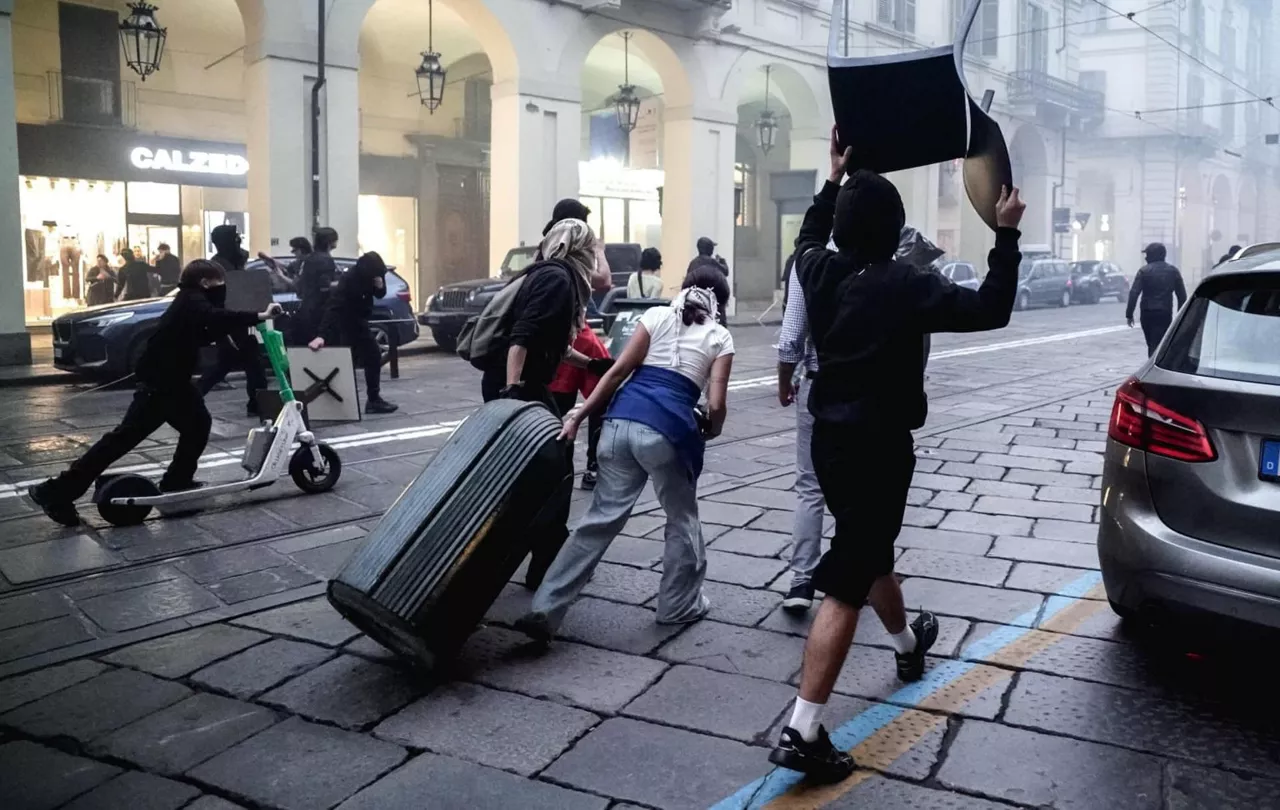
Violent protests in Italy and Albania against rising prices
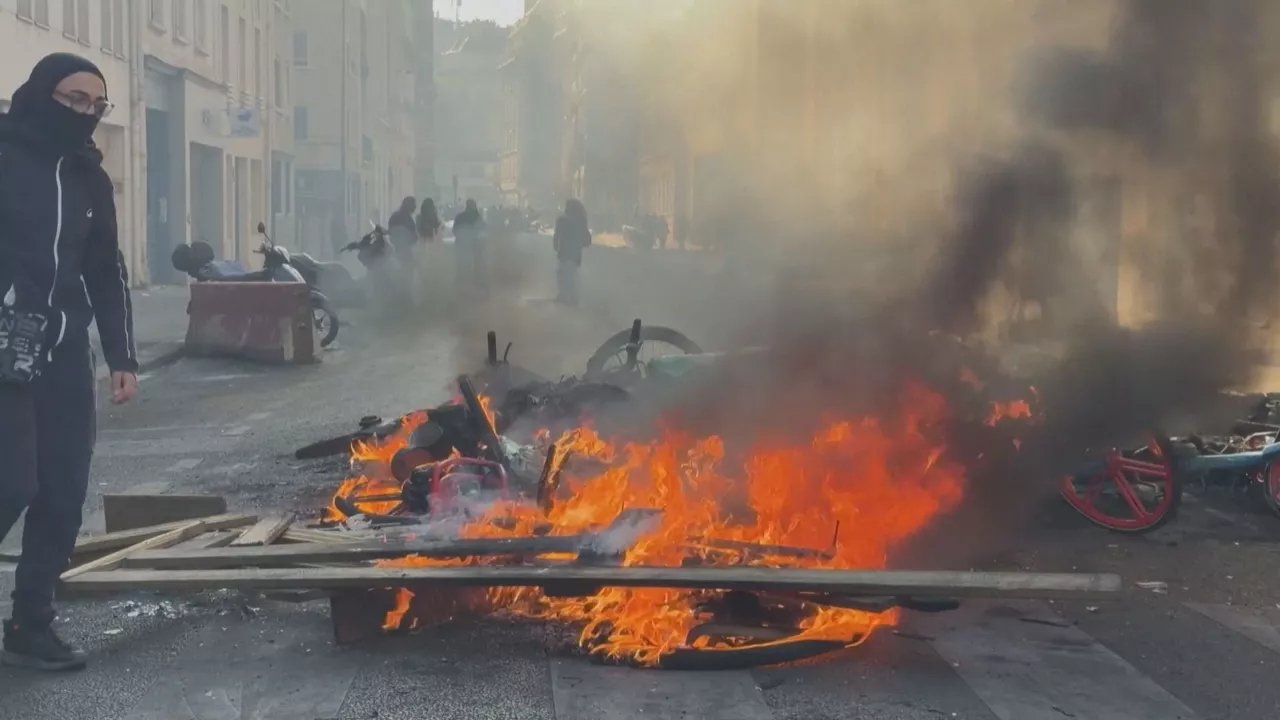
Riots erupt again in Paris the day after the protests

The Pope reappears in the Vatican to pray for the Angelus
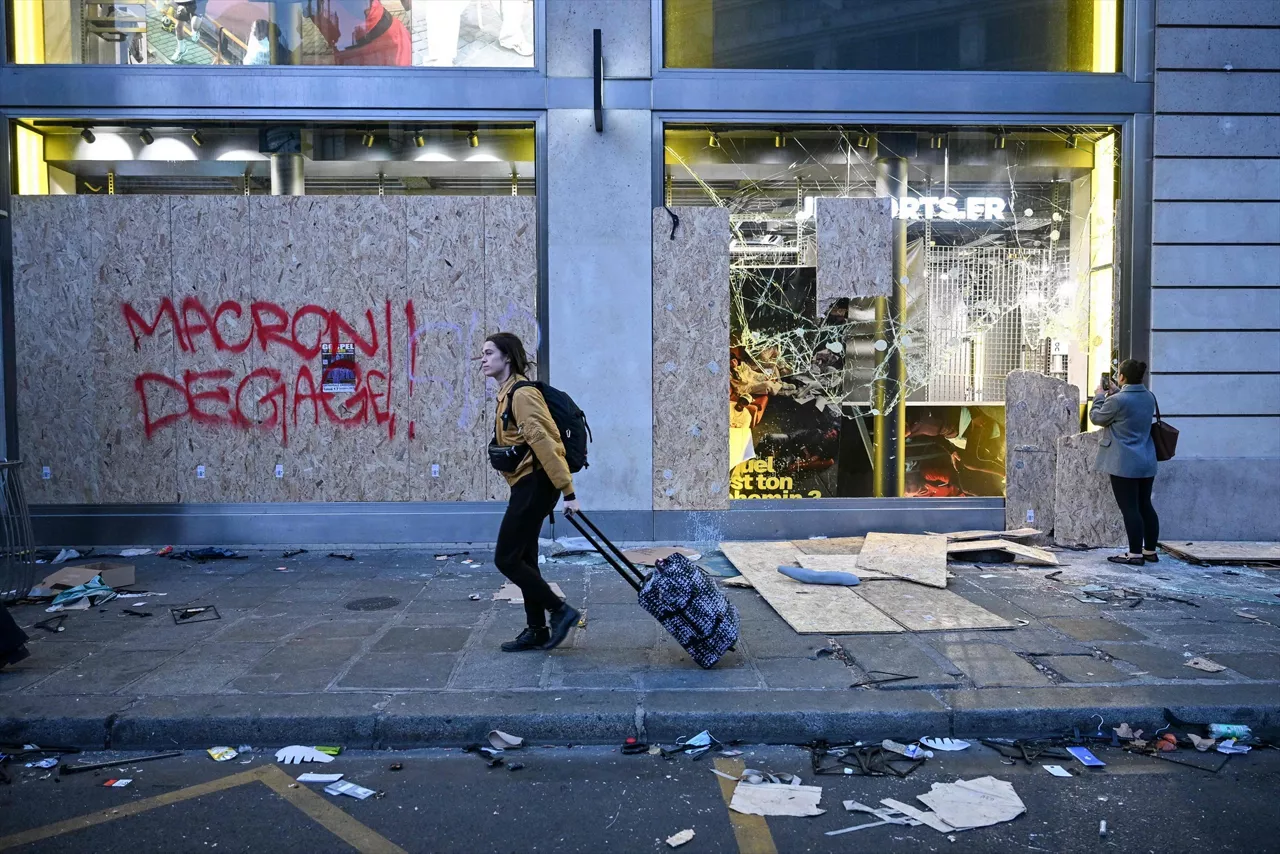
Consequences of the protests in France: one person has died, 1,200 have been arrested and there is destruction everywhere