Trump has warned that "it will have consequences" if Hamas is not disarmed and does not unblock the second phase of the ceasefire in Gaza


U.S. President Donald Trump and Israeli Prime Minister Binyamin Netanyahu met this Monday in Florida to discuss the Gaza ceasefire and the future of the Washington peace plan at Trump's headquarters in Mar-a-Lago, where mutual praise and disarmament of Hamas have prevailed.
After the meeting, Trump reiterated that the disarmament of the Islamist group is a prerequisite for moving forward to thesecond phase of the agreement. "There must be disarmament of Hamas," he said, warning that if it does not occur "there will be consequences." The US president has indicated that Hamas will have a "short" time to hand over its weapons.
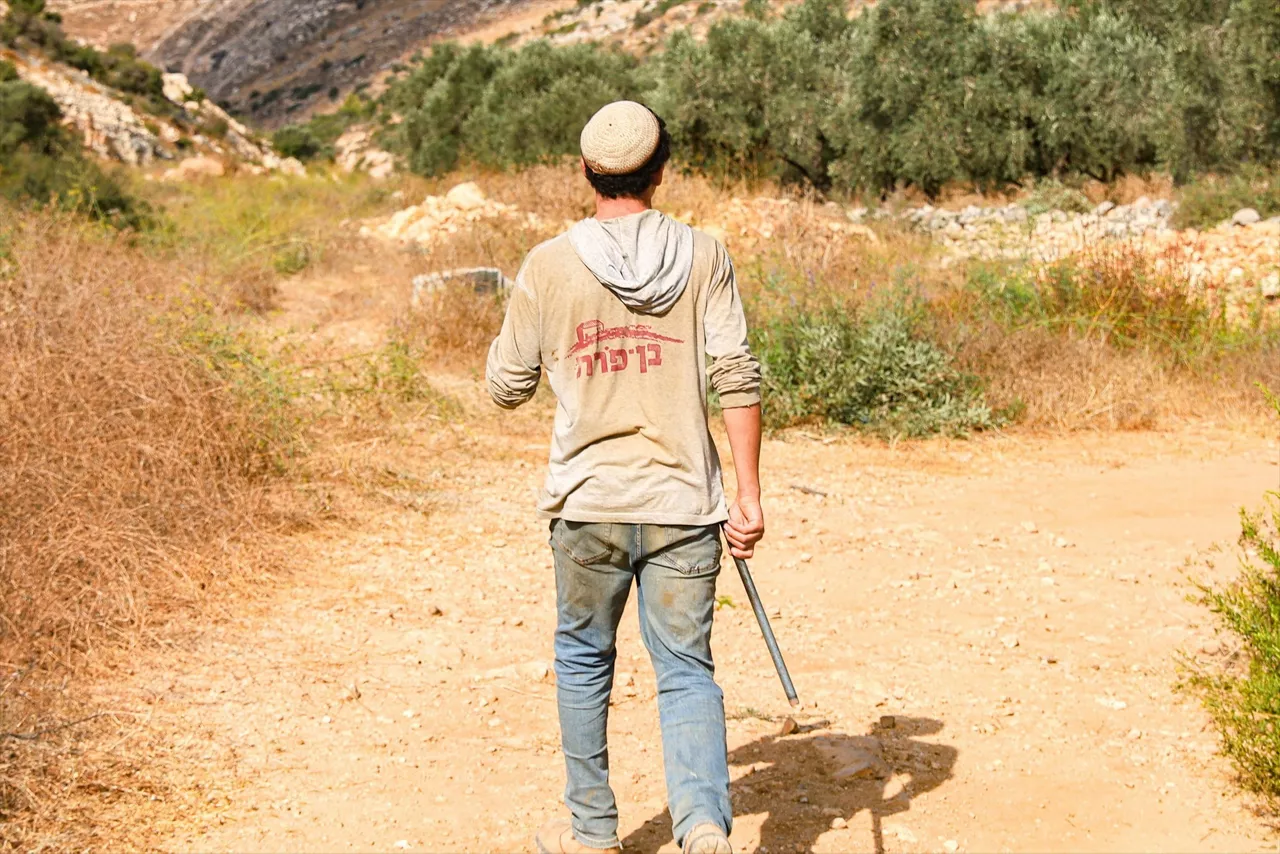
Trump has praised Netanyahu's leadership , which he has defined as "wartime prime minister," and stressed that both leaders "have come to many conclusions. "" We agree on most things, "he said, though he has admitted disagreements on some issues, such as the violence of Israeli settlers in the West Bank.
The second phase of the Gaza peace plan remains blocked by divergences, including the disarmament of Hamas, the withdrawal of Israeli troops from the area and the definition of the interim governance model. In the first phase of the ceasefire, only partial implementation has been made and hostilities have been restricted and most hostages released, but mutual accusations have been made of non-compliance.
As for Iran, Trump has warned that Tehran may be rebuilding its nuclear program in facilities that have not been bombed by the United States. "Iran has seen its power and reputation eroded, but we cannot let it be rebuilt," he said. The president has been willing to talk to the Islamic Republic, but has reiterated that if Iran continues to develop ballistic missiles or nuclear capabilities, he would support a new Israeli attack.
Trump has also stated that there is "mutual understanding" on Syria and has said that he will work to improve the relationship between Israel and the Syrian president. With regard to Lebanon, he has indicated that Washington will closely follow efforts to disarm Hezbollah and has accused the group of "acting very badly."
Netanyahu, on the other hand, has stressed that Trump has spoken clearly about the need for far-reaching reforms in the Palestinian National Authority and has supported the idea of a temporary administration in Gaza after the conflict.
The US president has also reiterated his commitment to extending the Abraham Accords and said Saudi Arabia will join them "at some point." Asked about China's military maneuvers near Taiwan, Trump downplayed these exercises and said he was not concerned.
The meeting has served to demonstrate coordination between Washington and Tel Aviv in a context of great tension as the peace process in Gaza continues to stagnate and Hamas refuses to lay down its arms.
The statements contradict the position expressed on Monday by the armed wing of Hamas, the Al Qasam Brigades, which stated that "during the occupation" of Israel, the Palestinian people "will not renounce their weapons" and reiterated their "natural right" to respond to what they have described as a "crime" in Israel, which they accuse of violating the ceasefire.
Netanyahu, for his part, has described the meeting as "very productive," and has stressed that they agree on most of the issues addressed, although Trump has acknowledged that there are still differences, for example, in the violence of settlers in the West Bank. Yet the US president has said that both leaders have the same goal: "We have peace in the Middle East, and we want it to remain so. "
You might like
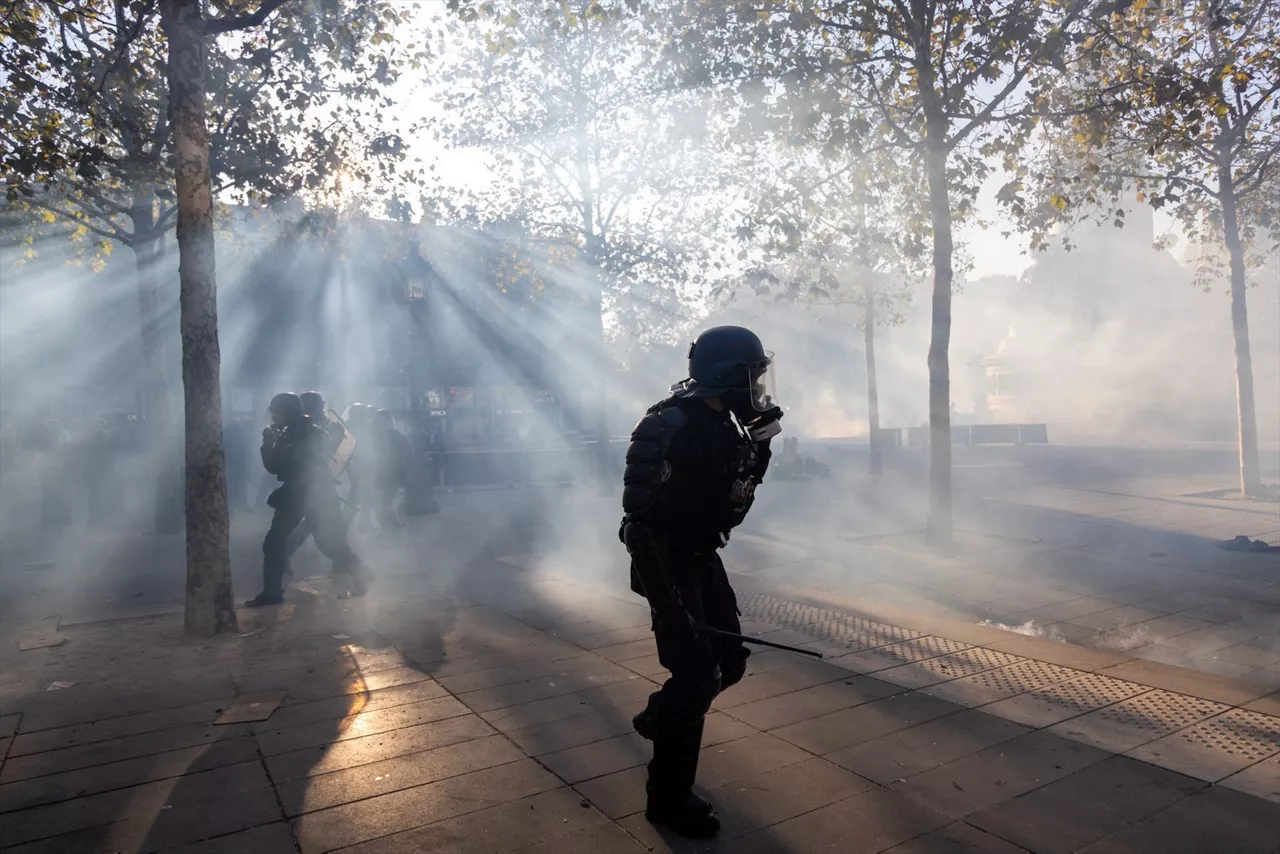
Yellow vests called for demonstrations on Saturday, and Macron accuses Trump of manipulating revolts
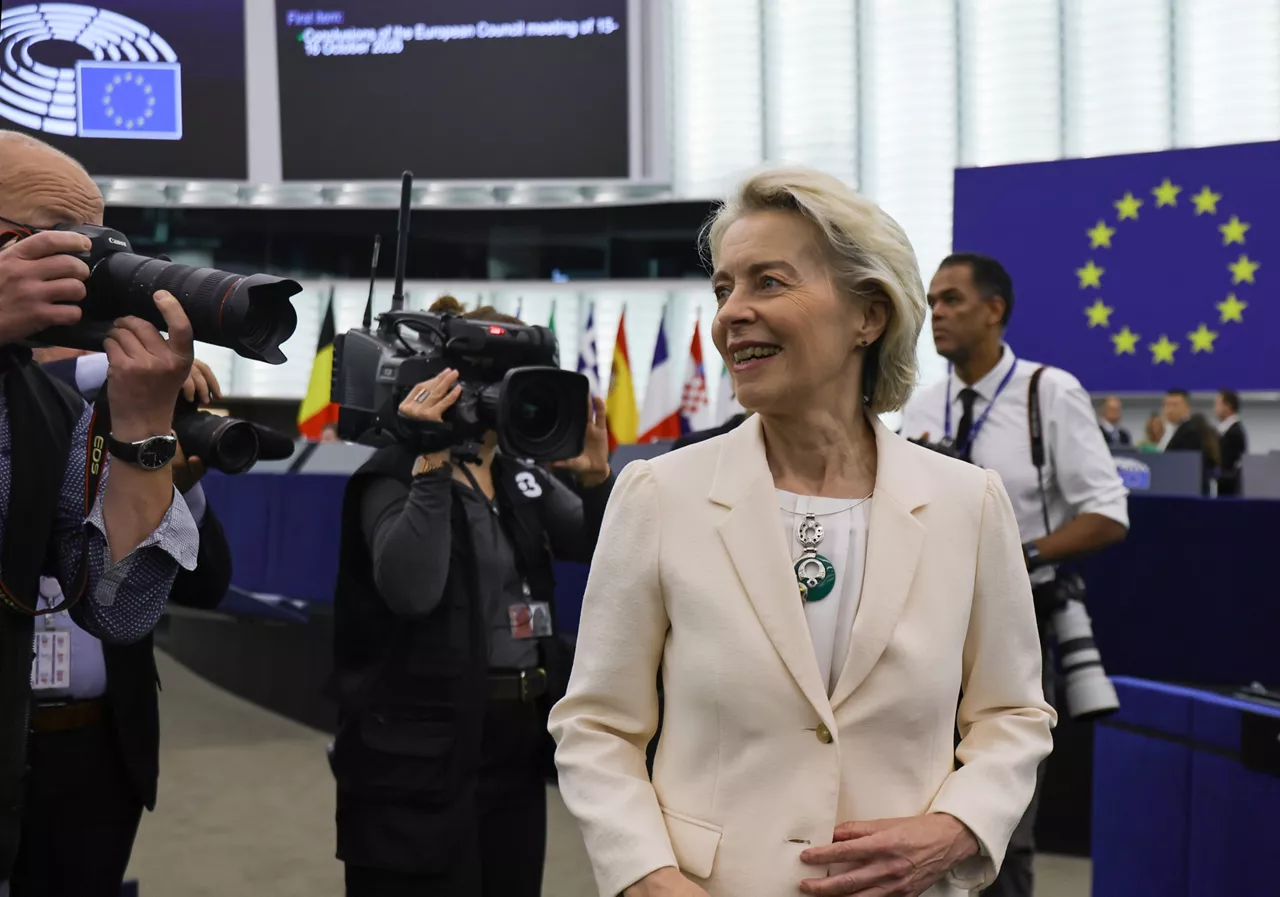
Von der Leyen blames several states and other actors for the migration crisis in Ceuta
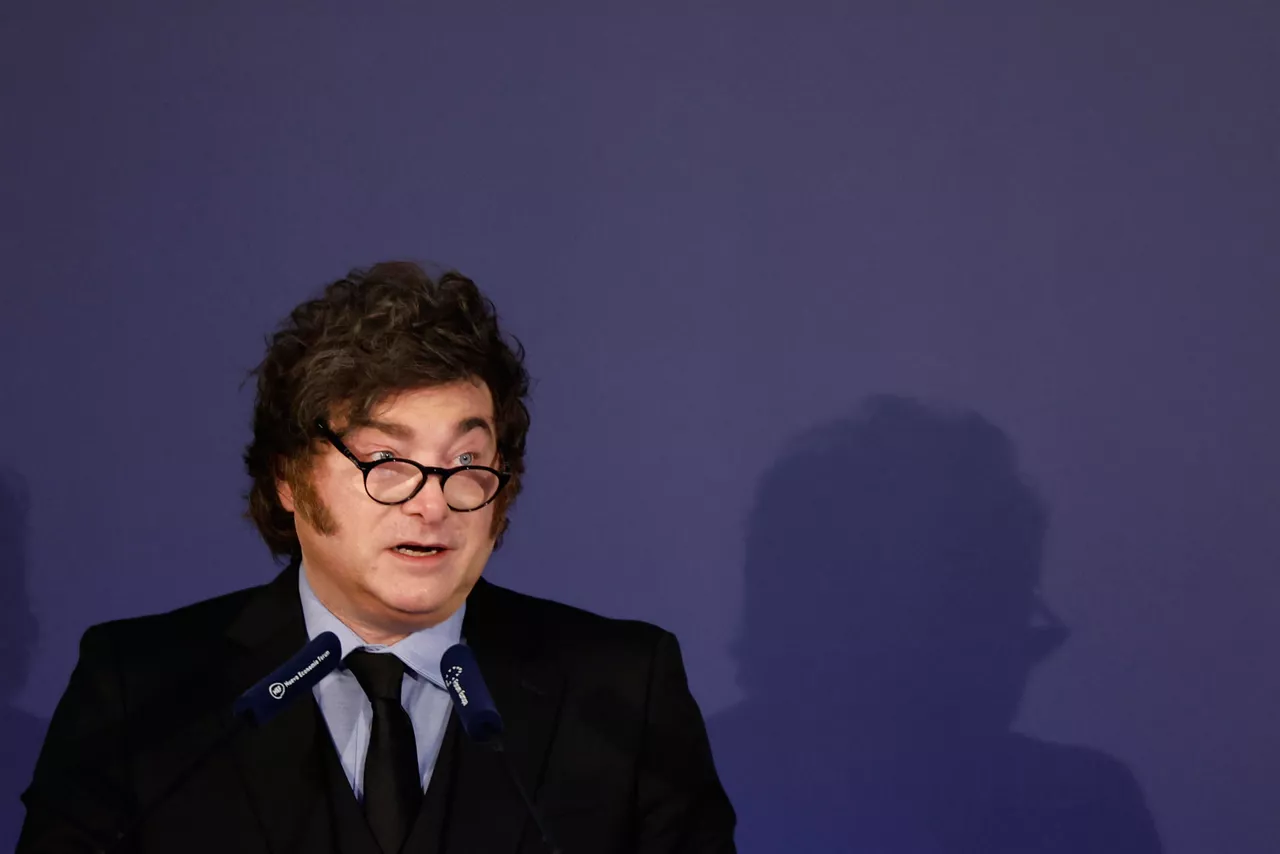
Milei calls Sanchez a "dictator" and accuses him of promoting an "invasion" in Ceuta
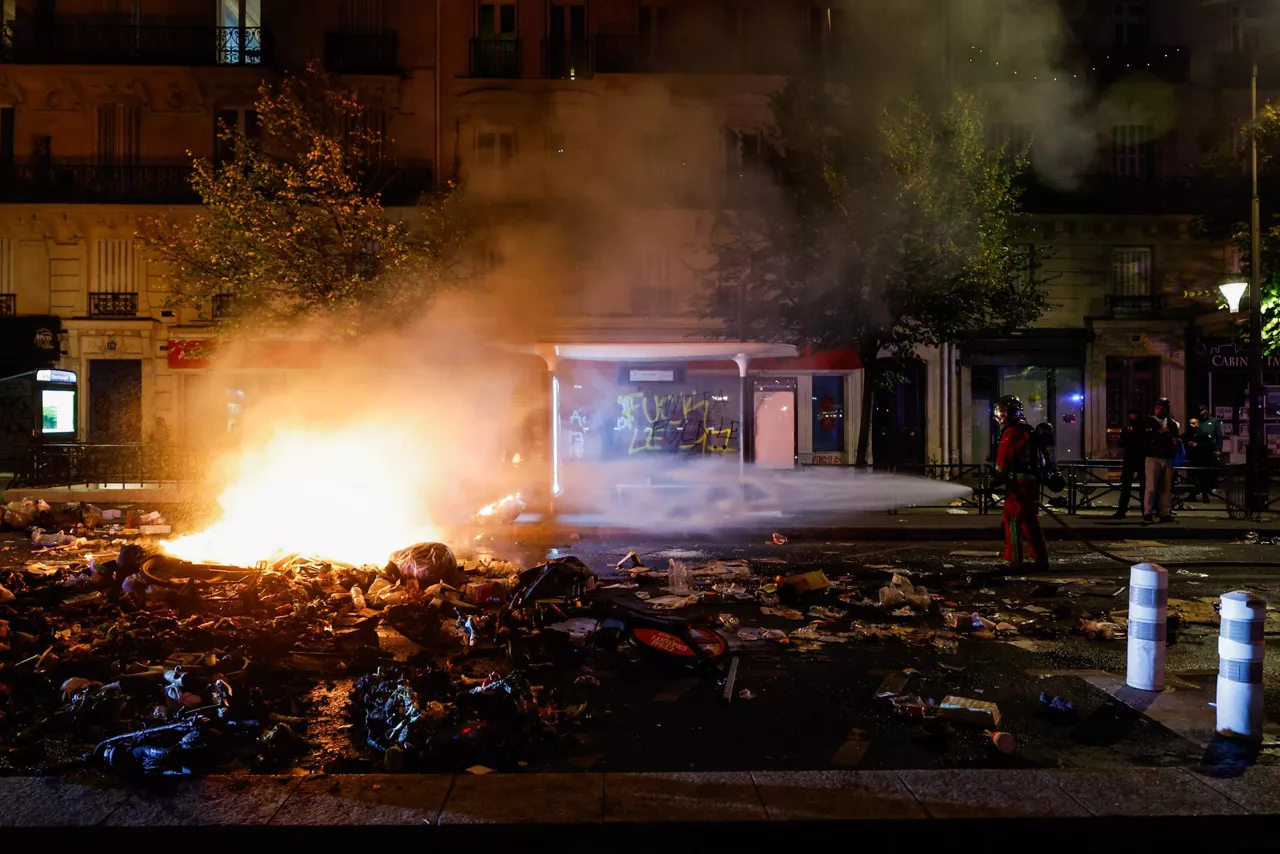
Partial curfews will be imposed in several French cities due to riots
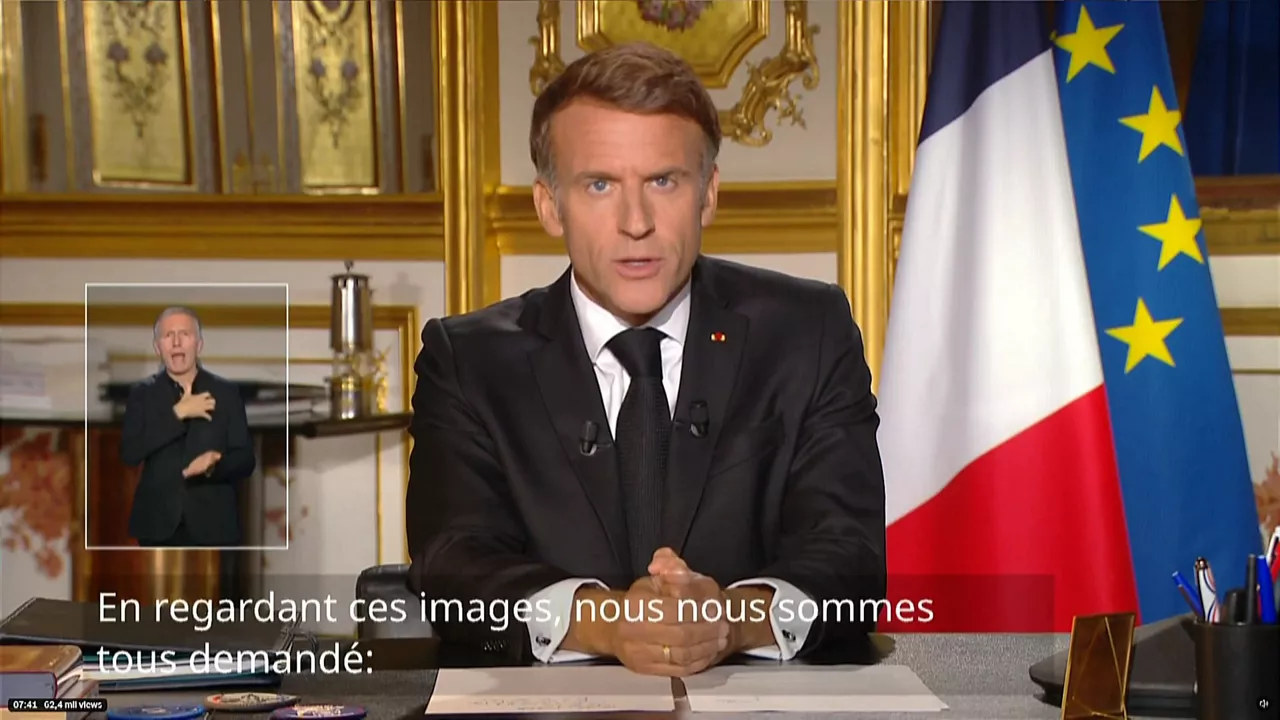
Macron holds the far left responsible for the violence and conveys his support to the police and traders
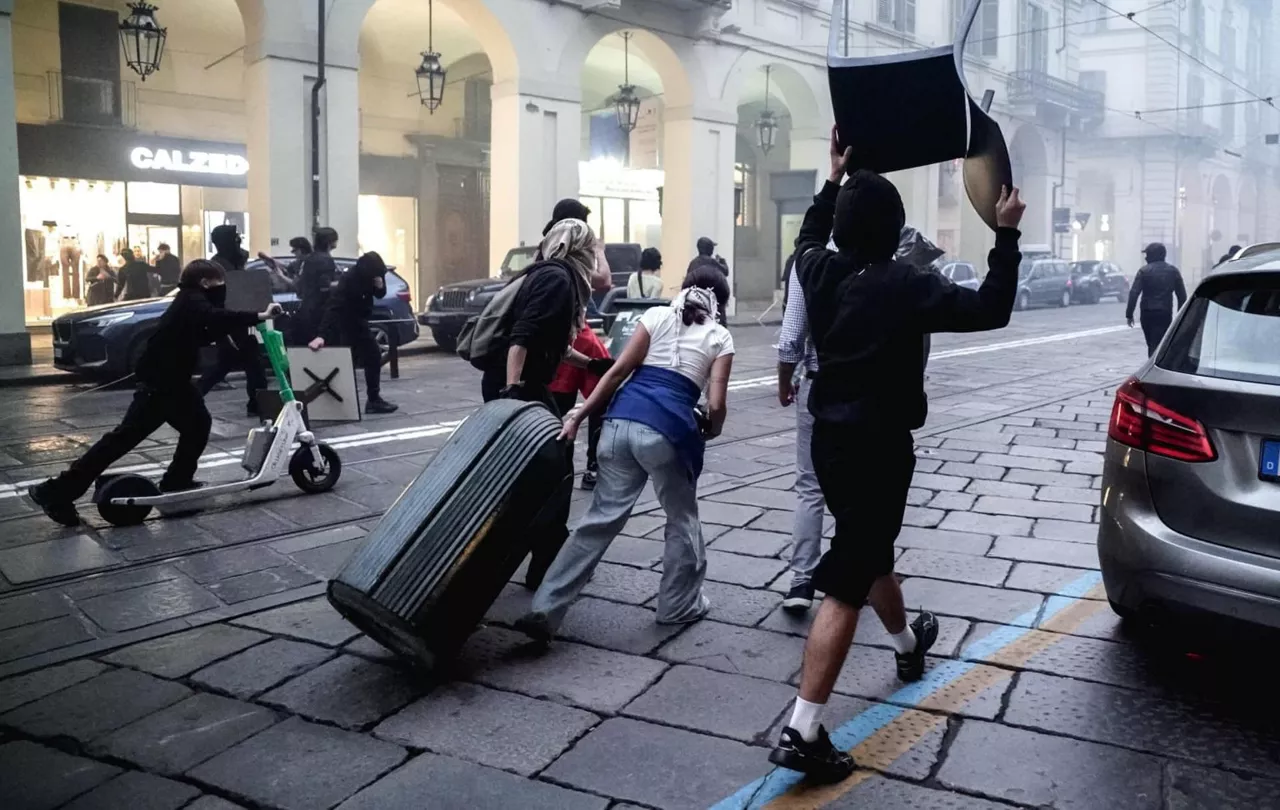
Violent protests in Italy and Albania against rising prices
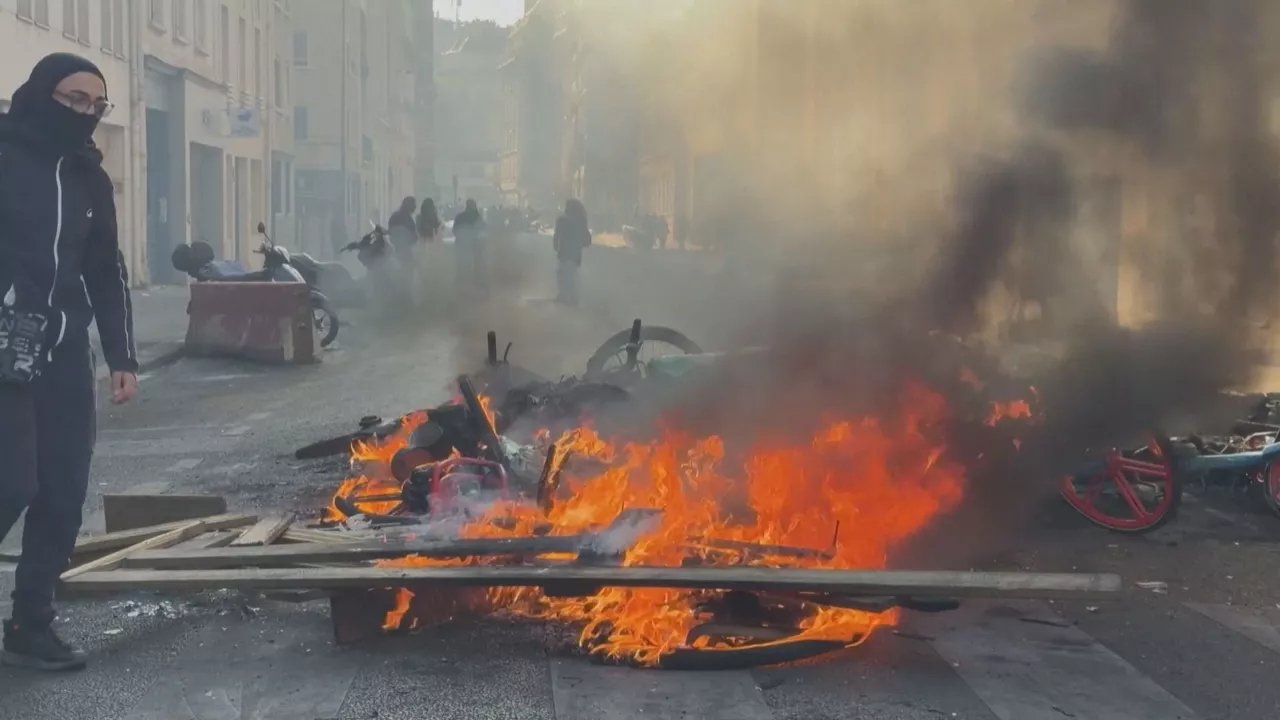
Riots erupt again in Paris the day after the protests
The Pope reappears in the Vatican to pray for the Angelus
Consequences of the protests in France: one person has died, 1,200 have been arrested and there is destruction everywhere