On the day of the expiry of the START III Treaty on Nuclear Weapons, Russia and the US are in favour of containment


The latest nuclear disarmament treaty between the United States and Russia between 2010 and today, known as START III or New START (Strategic Nuclear Weapons Reduction Treaty), has expired , rendering null and void the limits governing the nuclear arsenal of both powers, particularly with regard to the number of strategic or deployed weapons.
The lack of agreement on a new framework for nuclear arsenals means that, for the first time in half a century, there is no structure between the two countries to control this type of weapons.
Among other things, START III guaranteed nuclear parity, that is, the Mutual Certified Destruction (MAD) accepted by both powers in the event of war, a concept that made it impossible to have a conflict involving the use of atomic bombs.
Experts fear that Moscow and Washington will now feel free to take out their weapons hidden in silos or increase their numbers, but have been supportive of maintaining both superpowers .
The US Administration has assured Thursday that the Donald Trump administration wants to maintain the "limits" of its nuclear arsenal, but has stressed the importance of China's presence in "talks to control these weapons."
In the words of US Secretary of State Marco Rubio, "the president has made it clear before that if weapons are really to be controlled in the 21st century, Chinamust necessarily exist, given its large (nuclear) arsenal and its rapid growth. "
In any case, Beijing insisted on Thursday that it does not intend to participate in these talks because its nuclear forces are not at the same level as those of Russia and the US arsenal.
On the other hand, the Kremlinhas declared that it considers the treaty to be "negative." "We are sorry," said President Dmitri Peskov's spokesman, who has insisted that his proposal to Washington to "maintain the restriction limit for a year" remains "unanswered." Indeed, the UN, the Vatican, and several international experts have asked Donald Trump to accept the proposal of the Russian leader, but the US president has so far declined to comment on it.
However, Peskov has stressed that Moscow "will maintain a responsible (...) position on strategic stability and nuclear weapons", although he has clarified that, "as always, Russia will focus on its national interests".
It has also expressed its respect for China's position of not participating in the negotiations.
The US and Russia account for 87% of the world's nuclear weapons, and the United Kingdom, France, China, India, Pakistan, North Korea, and Israel make up the list of countries with nuclear arsenals, but not all countries have weapons deployed.
The START III treaty limited the number of strategic nuclear weapons to a maximum of 1,550 nuclear warheads and 700 ballistic systems for each of the two powers, whether on land, sea or air.
START III was signed on 8 April 2010 in Prague by then-Russian Presidents Dmitri Medvedev and the United States, Barack Obama, and renewed in February 2021 for another five years.
You might like
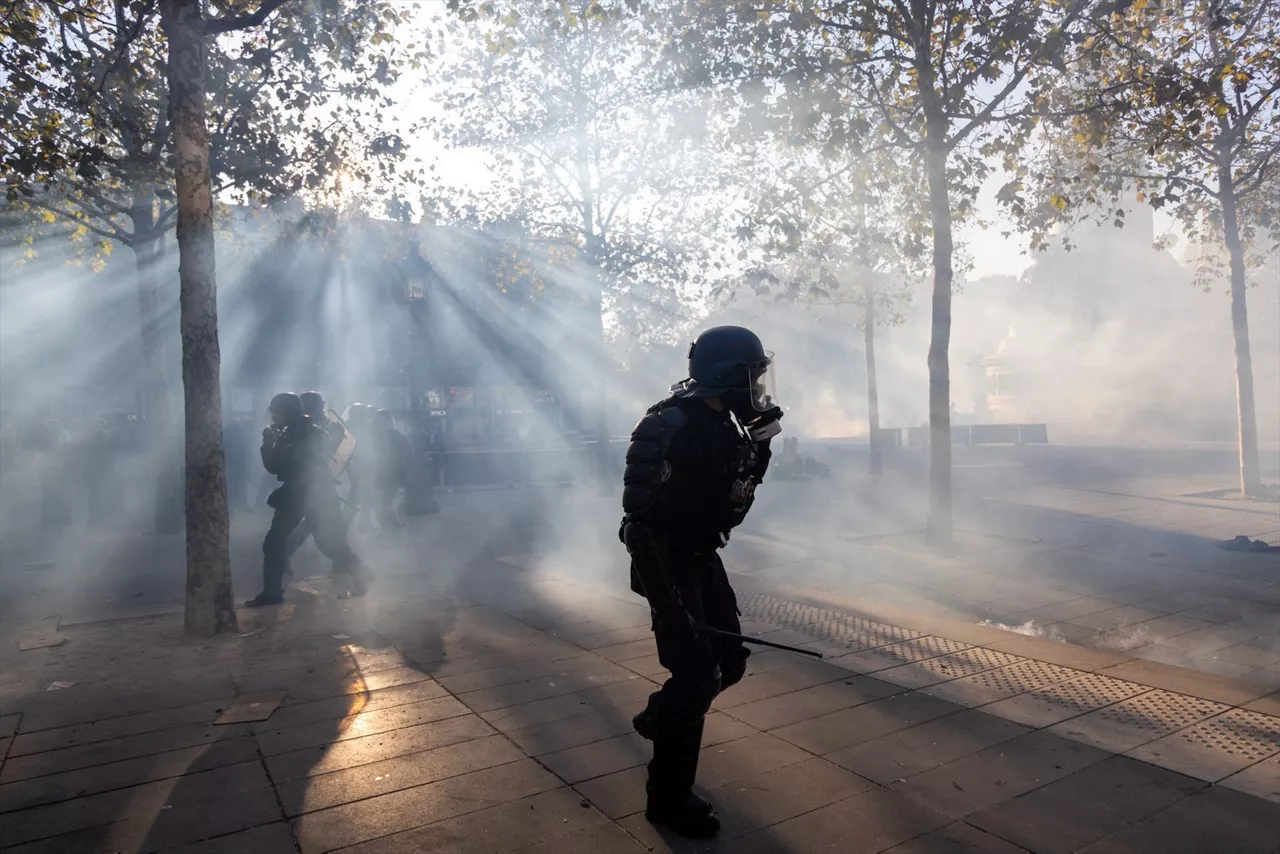
Yellow vests called for demonstrations on Saturday, and Macron accuses Trump of manipulating revolts
Von der Leyen blames several states and other actors for the migration crisis in Ceuta
Milei calls Sanchez a "dictator" and accuses him of promoting an "invasion" in Ceuta
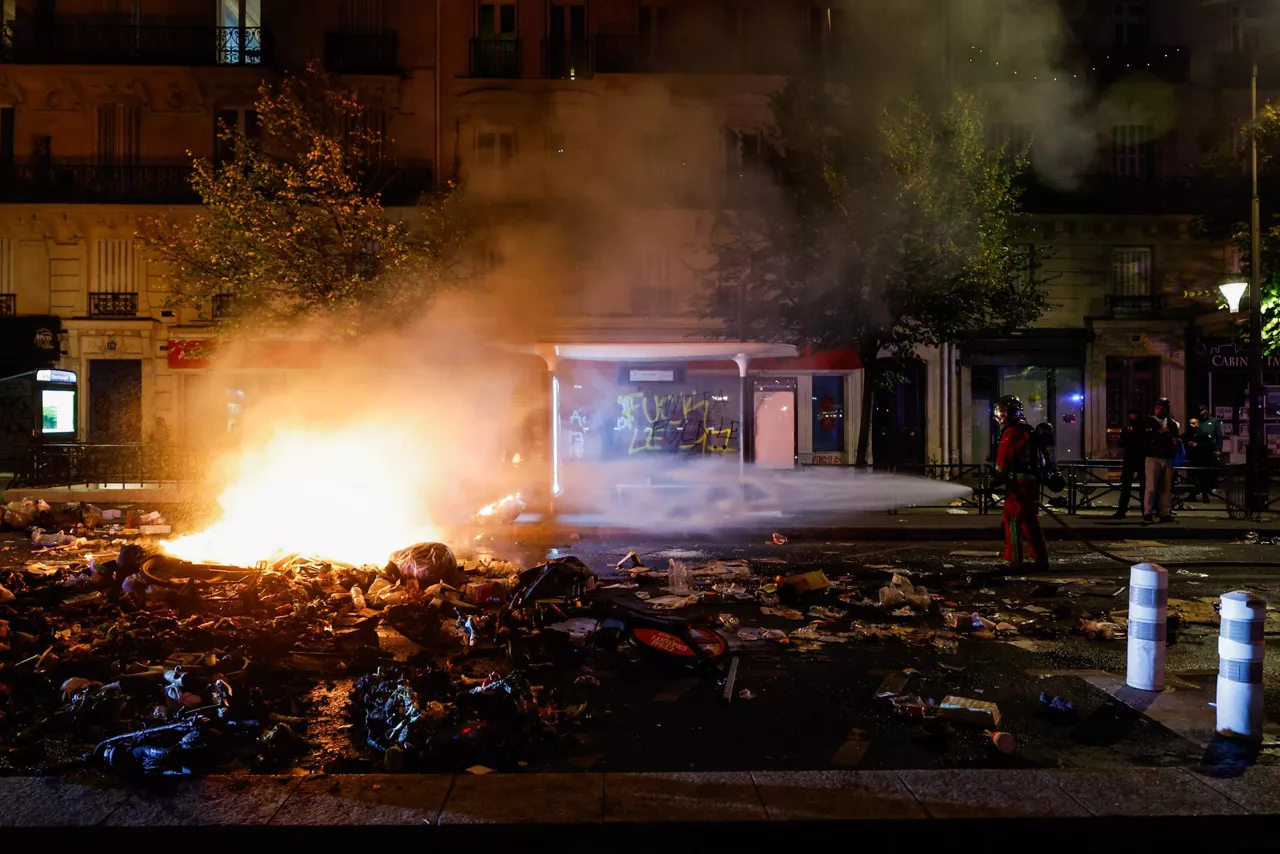
Partial curfews will be imposed in several French cities due to riots
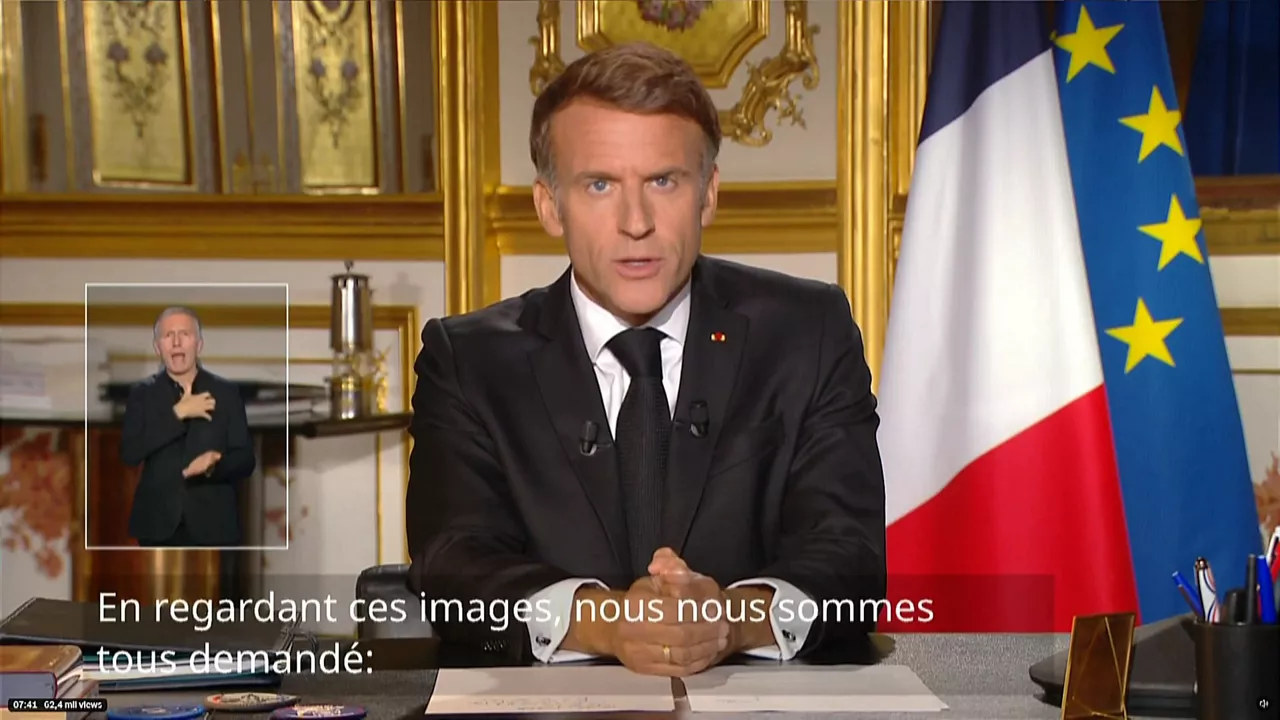
Macron holds the far left responsible for the violence and conveys his support to the police and traders
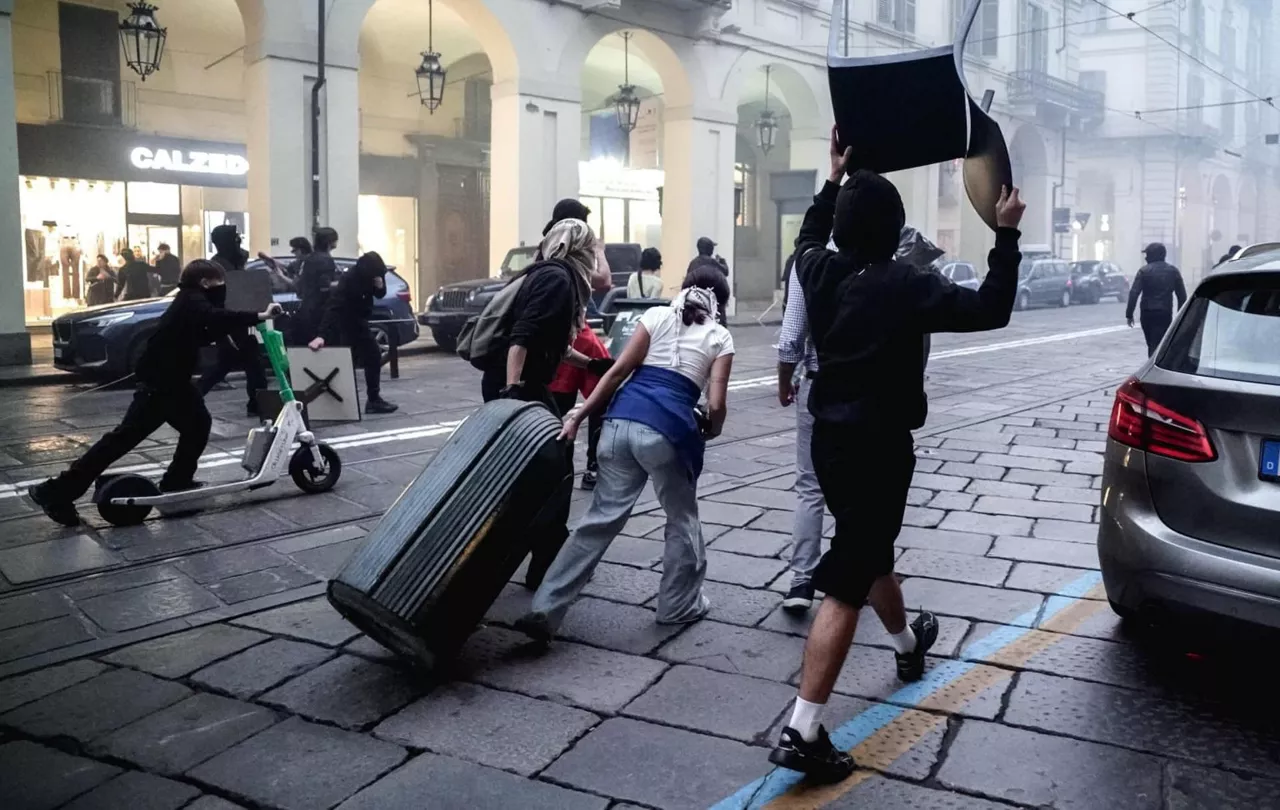
Violent protests in Italy and Albania against rising prices
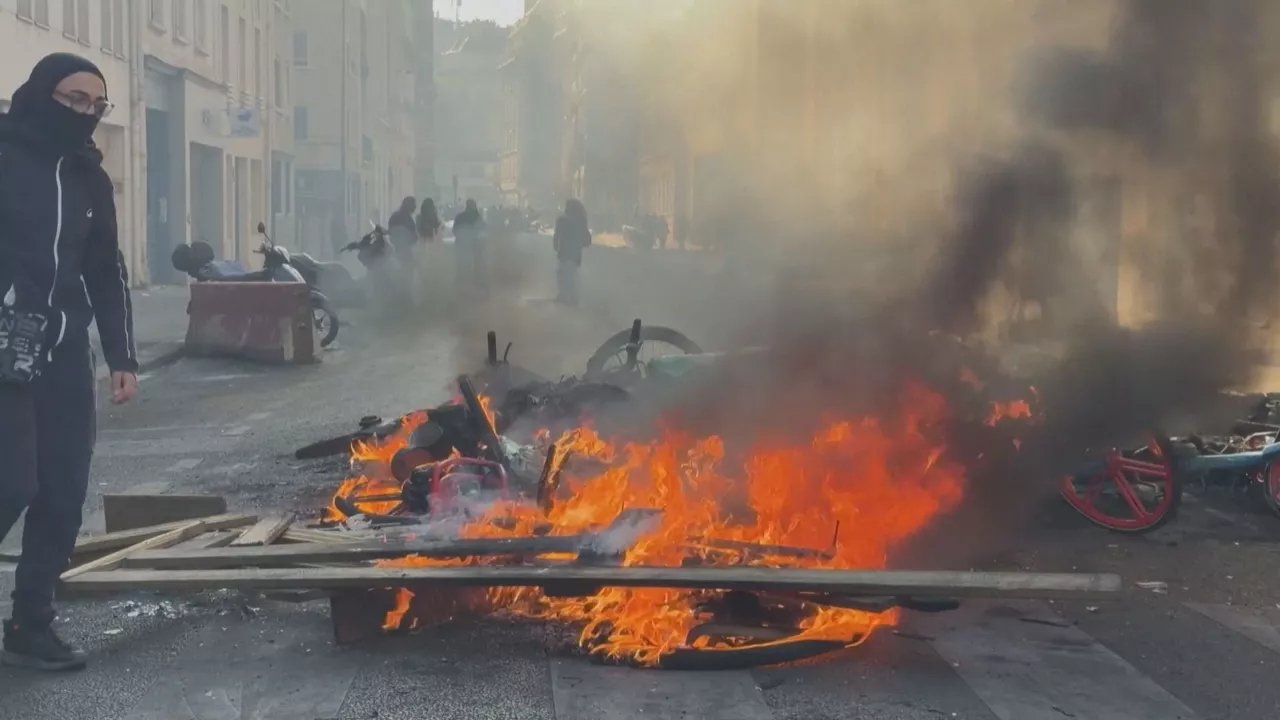
Riots erupt again in Paris the day after the protests
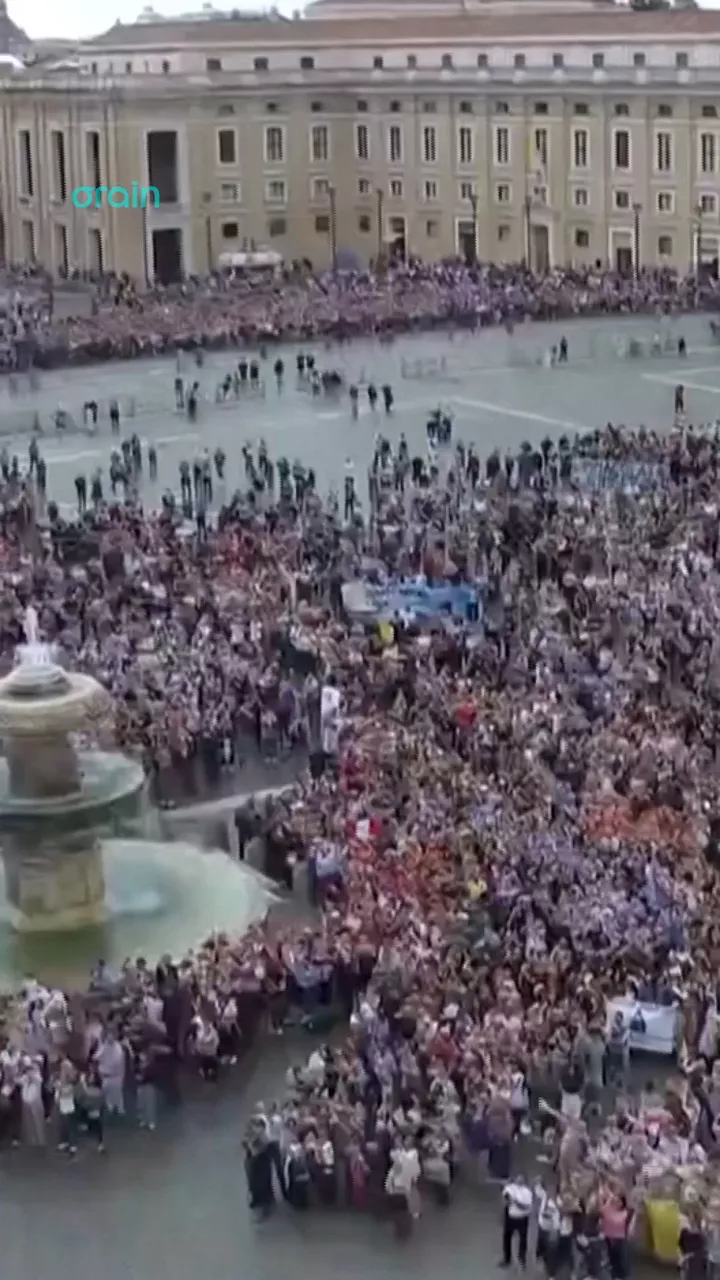
The Pope reappears in the Vatican to pray for the Angelus
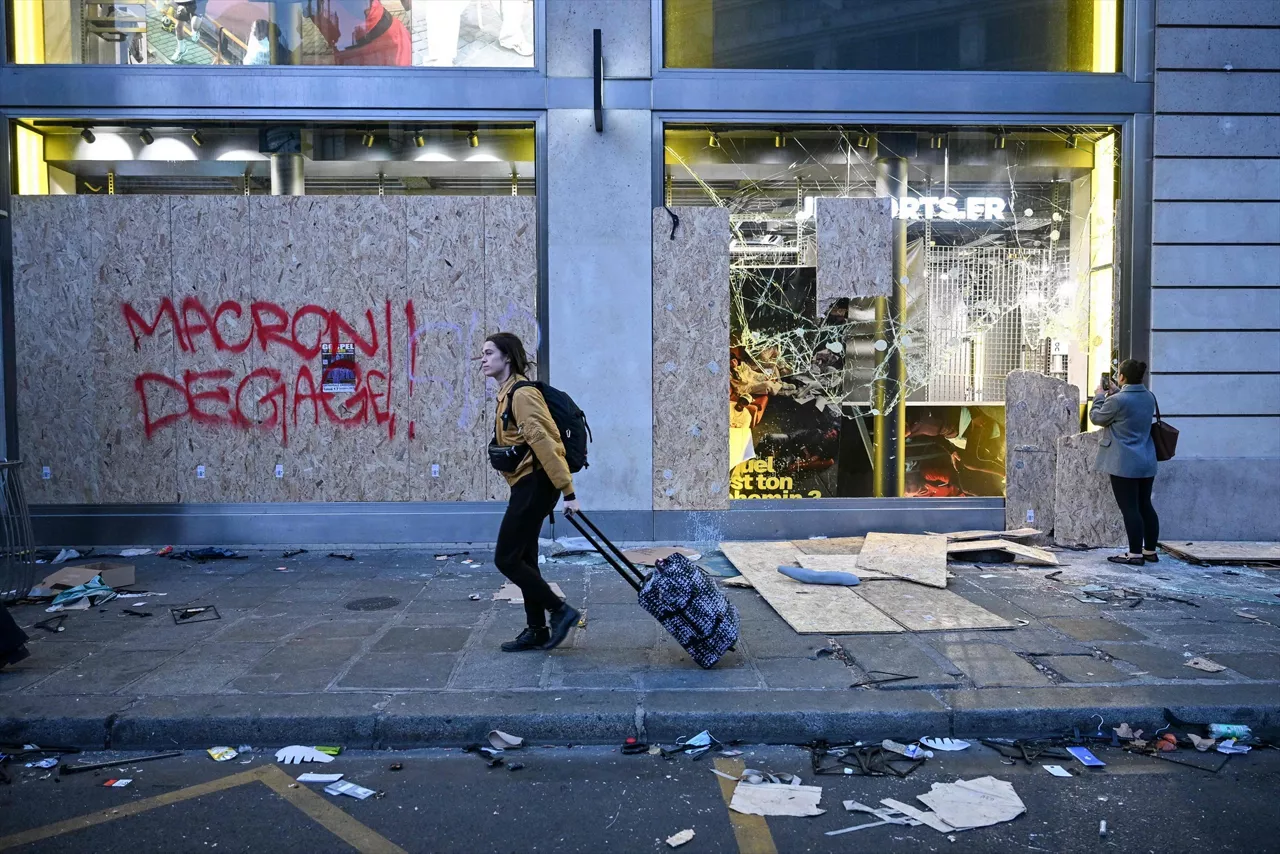
Consequences of the protests in France: one person has died, 1,200 have been arrested and there is destruction everywhere