
The Middle East has entered the third week of the war amid attacks and looking at the Strait of Hormuz
Israel and Iran have intensified their bombings as uncertainty about global energy transport grows. The US has temporarily opened the market for Iranian crude oil and has not clarified whether it will intervene in Hormuz.


The Middle East has entered the third week of the war without any apparent de-escalation, intensifying attacks between Israel and Iran, with particular attention to the Strait of Hormuz.
In the early morning hours ofSaturday, Israel has launched further raids in Beirut and Tehran. The Israeli Defense Forces have confirmed that the first attacks have been directed against the positions of the Shia Hizbullah group in several southern neighbourhoods of the Lebanese capital.
Hours later, Israeli forces have announced a new wave of bombing of "targets of the Iranian regime" in Tehran and other parts of the country, such as Isfahan.
Iran's response
Iran responds with a coordinated attack on U.S. and Israeli interests. The Revolutionary Guard claims to have bombed five U.S. military bases and succeeded in Saudi Arabia, the United Arab Emirates, Kuwait, Iraq and Bahrain, and carried out more attacks in Tel Aviv and Haifa.
In this context, Iranian military spokesman Abolfazl Shekarchi has warned that US and Israeli officials could attack "anywhere inthe world. "
Energy crisis
In parallel with the escalation of military tension, the US has taken steps to contain the economic impact of the war. The Treasury Department has temporarily authorized the purchase and saleof Iranian oil in maritime transport with the aim of stabilizing the price of energy and increasing millions of barrels to the international market.
Saman Ghodousi, spokesman for the Iranian Ministry of Oil, has said that "the country has no surplus oil to supply other international markets "and has accused Washington of" trying to give hope to buyers and control market psychology. "
U.S. President Donald Trump has stated that he will intervene only if requested to do so by the allies to ensure the safety of the navigation, but that this possible operation will be "easy" for Washington.
On the other hand, Iran has tried to define its position on this strategic route. Foreign Minister Abbas Aragchi has assured us that Tehran has not closed the strait, but has imposed restrictions on ships from countries involved in the attacks. He has also indicated that his country is prepared to ensure safe transit to some countries if there is prior coordination.
You might like
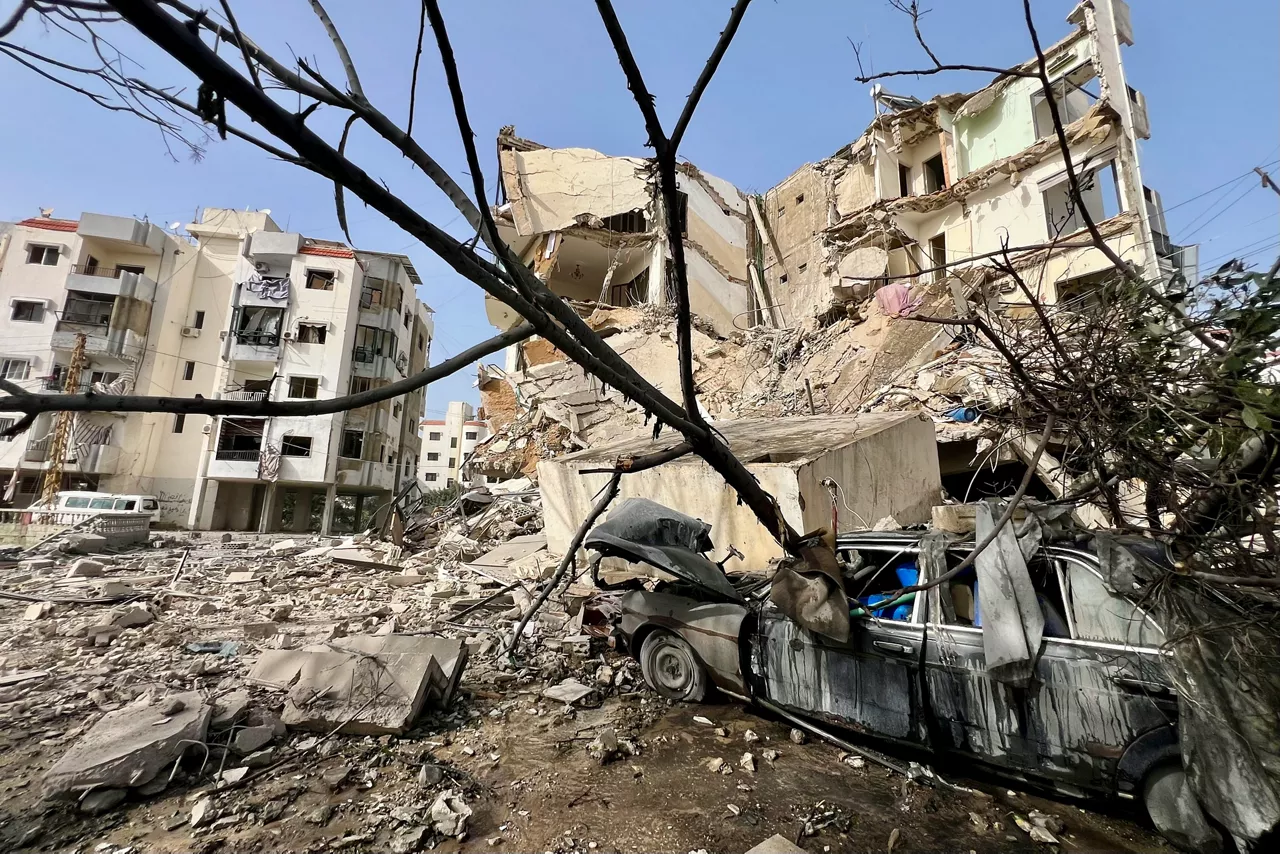
Israeli attacks in Lebanon have already killed 1,400 people
Today, Saturday, the Israeli Army confirmed that it has carried out a number of attacks in southern Lebanon and Beirut against Palestinian Islamic Jihad militias and structures.
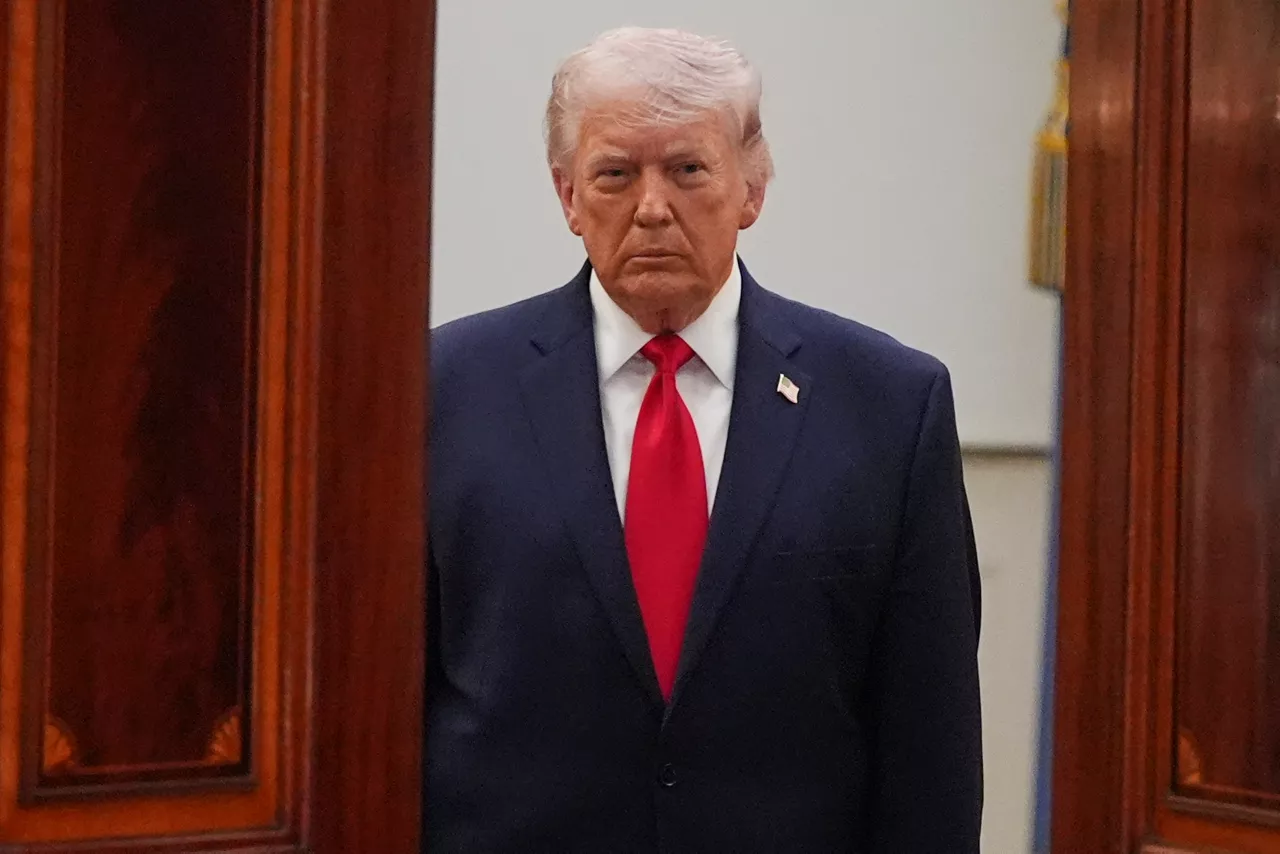
Trump reminds Iran that his ultimatum will expire in 48 hours
"Do you remember I gave Iran ten days to reach an agreement or open the Strait of Hormuz? Well, time is running out: there are 48 hours left to start hell," Trump said in a message posted on the Truth Social platform.

The sale of fragments of Berlin walls has become a big business
In Easter, Berlin is one of the European capitals that receives the most visitors, and the sale of parts of the wall that divided the city into two for decades has become a big business. Parts of all sizes are sold, but beware, because not all of them are true. Harresi the purchase of fragments has also become fashionable to visit and photograph the Checkpoint Charlie that separated Berlin 40 years ago.

The farmers' market in Beirut has become a great supportive kitchen
They get funding from NGOs like World Central Kitchen. They cook dishes with local farmers' products so that those in need can eat at home.
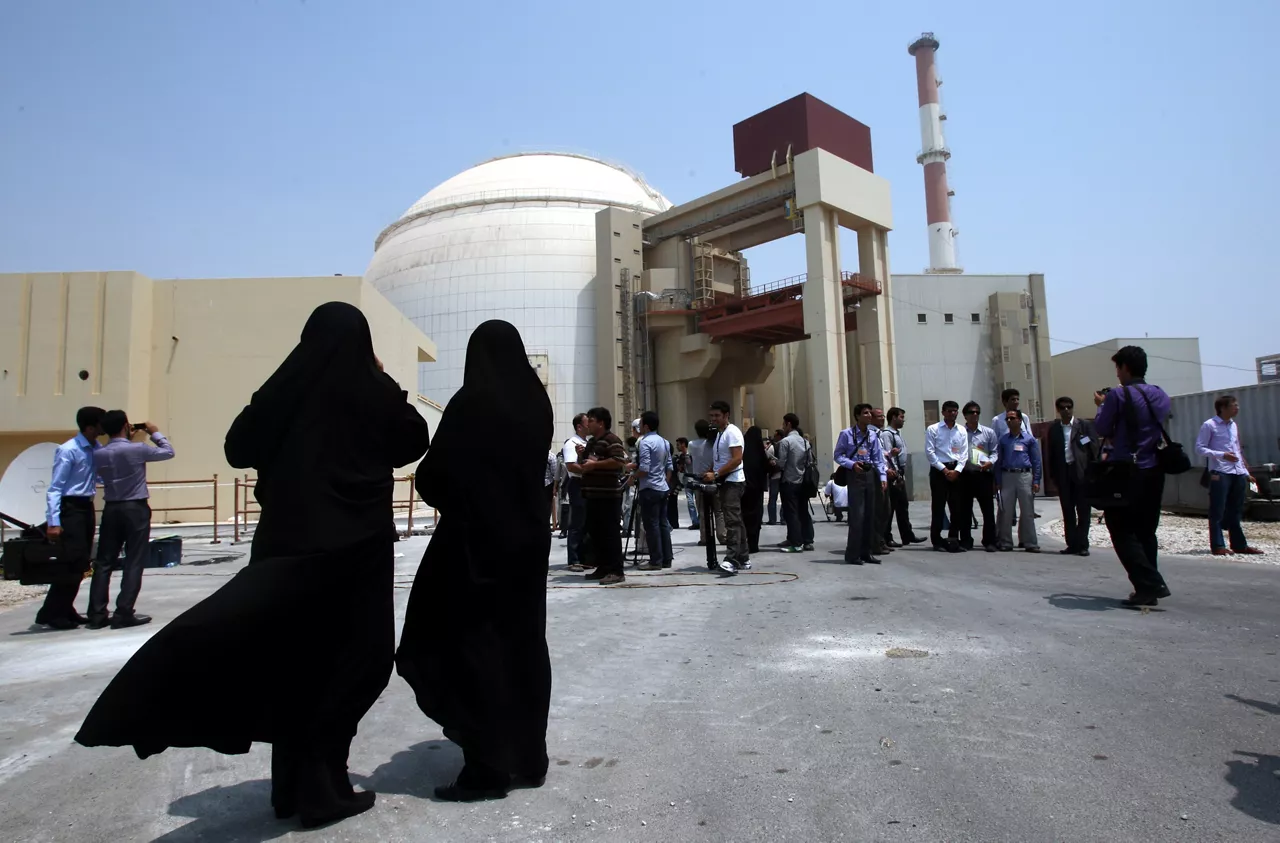
Iran has denounced further attacks on the Bushehr nuclear power plant and the petrochemical field in Khuzestan
"As a result of the shockwave and shrapnel of this attack, one of the buildings adjacent to the power plant has been damaged and, unfortunately, one of the security department personnel has died," said one of the facility's employees.
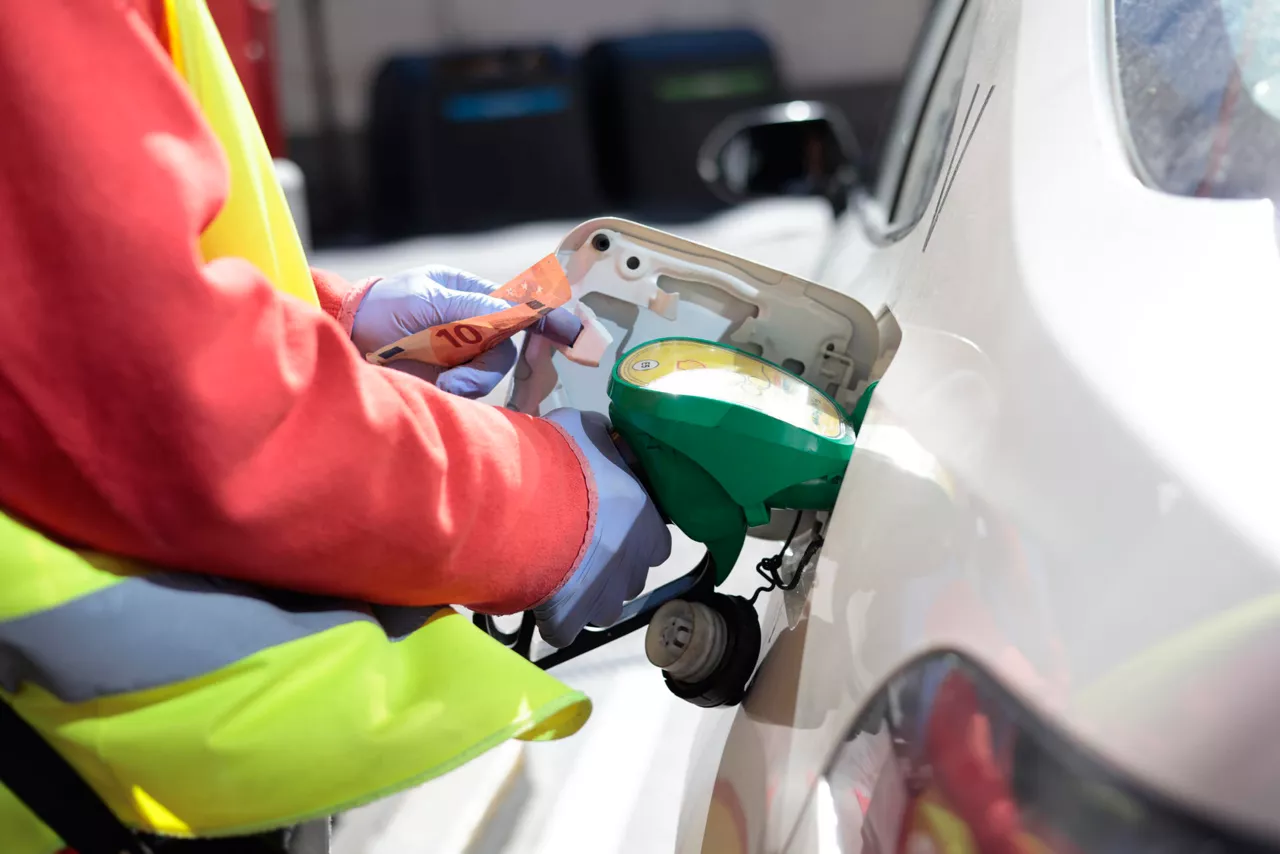
Germany, Italy, Spain, Portugal and Austria are calling for a tax on the profits of energy companies
Finance ministers from five countries have sent a letter to the European Commission arguing that companies that are making profits from the war must also make an effort to 'ease the burden' on their citizens.

Earth seen from Artemis II
The mission is advancing towards the moon, and from that distance images of the Earth have been taken before arriving at the satellite on Monday.
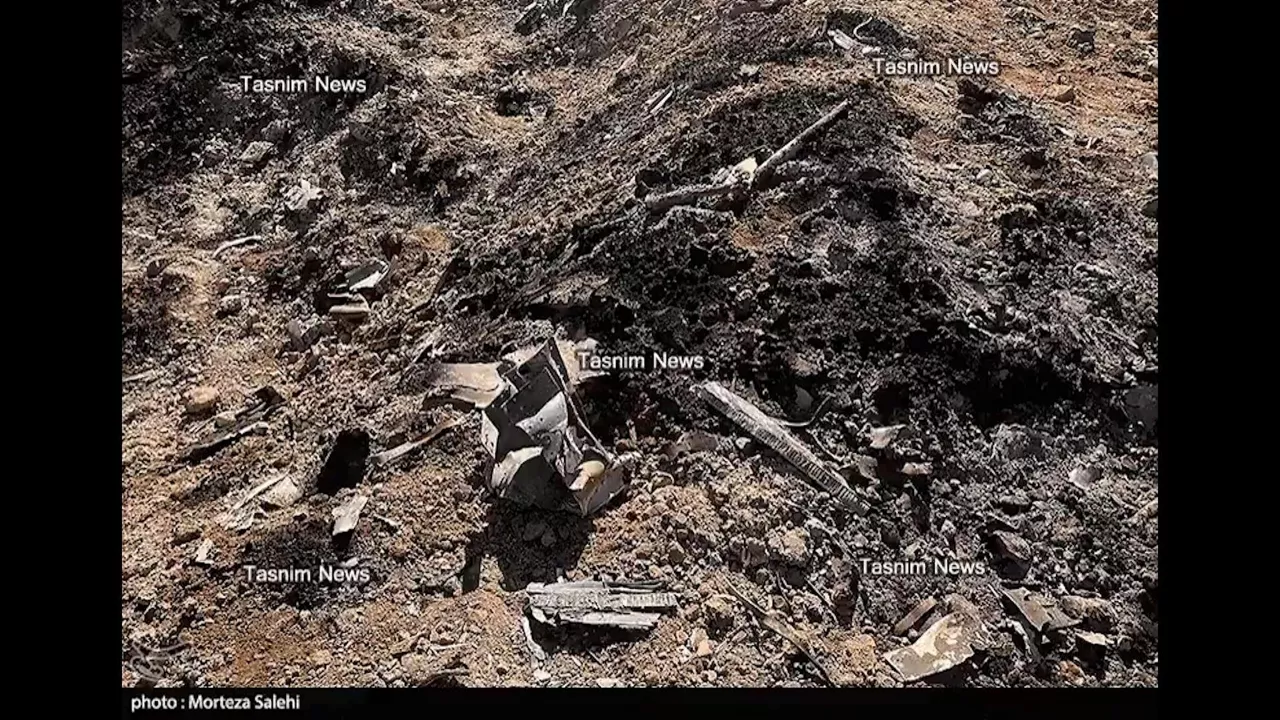
Shooting down fighters doesn't affect negotiations with Iran, according to Trump
However, the mediators have declared that the ceasefire negotiations are "stifling." Iran has offered a reward for capturing pilots and Israel is putting its emphasis on Lebanon.
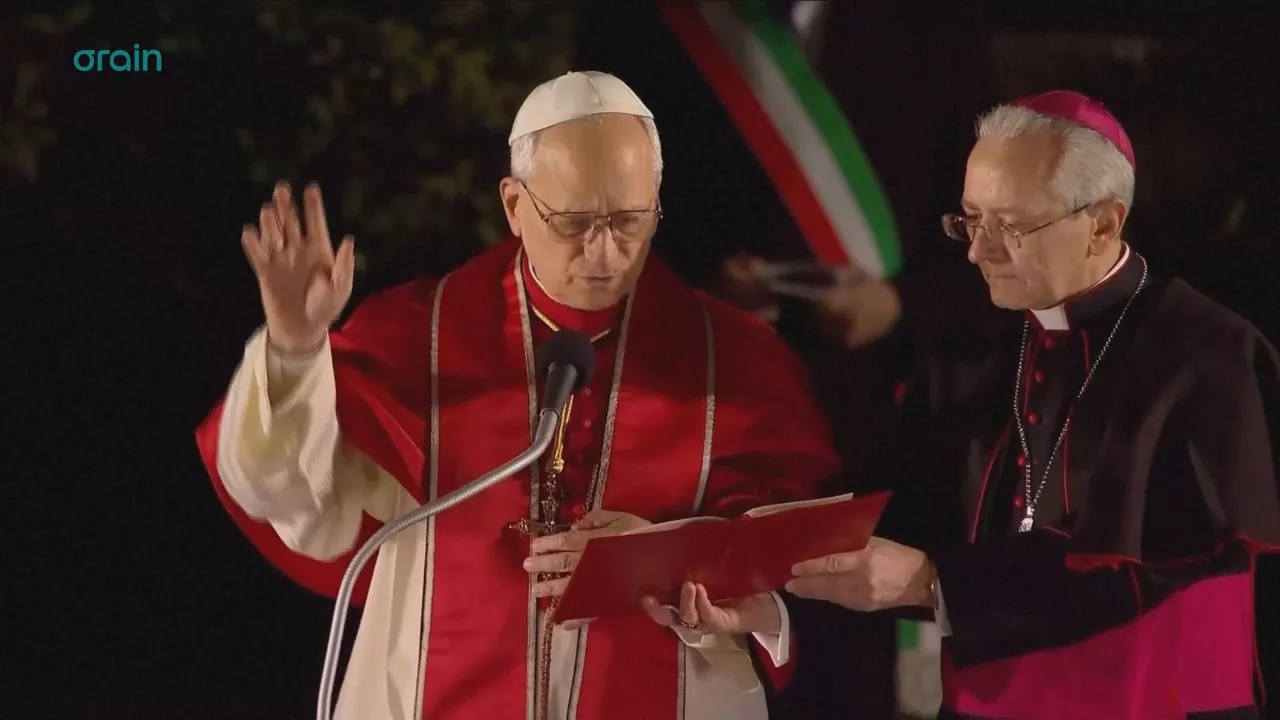
Pope Leon XIV has cried out against war and abuse of power in his first Crusade
Leon XIV has presided this Good Friday over the first Crucis of his term in the Elysée of Rome, proclaiming against war and abuse of power to thousands of believers, and saying that every ruler "shall answer to God for the use of the power received."

If fuel prices continue to rise, the European Union does not rule out rationing
European Energy Commissioner Dan Jørgensen said: "We are preparing for the worst scenarios, but we do not yet need to rationing critical products (kerosene or diesel)."