
Saudi Arabia closes its East-West pipeline after several attacks
This infrastructure is the main supply route for global markets in the current context of tension in the Strait of Hormuz, which can transport up to seven million barrels of crude oil a day.
 Saudi Arabia's energy infrastructure. Photo: Agencies

Saudi Arabia's Ministry of Energy announced on Friday the "preventive" closure of the East-West pipeline in the Riyadh and Medina regions following several drone attacks from Iraq that have resulted in several injuries and material damage.
According to the ministry, the pipeline is the main oil export route to global markets in the current tense situation in the Strait of Hormuz, which suffered "multiple attacks" on Thursday morning, so it has been closed as a precautionary measure.
On the other hand, the Ministry of Foreign Affairs has condemned the attacks and clarified that, following a request from Iraqi Prime Minister Ali al-Zaidi, Saudi Arabia has decided not to respond for the time being to allow the Iraqi Government to take the necessary measures to prevent attacks from its own territory against the kingdom and neighbouring countries.
However, Riyadh has reiterated its "right to take all necessary measures to protect its sovereignty, security, facilities, citizens and residents."
For its part, the Iraqi Government has condemned the attacks and appreciated "the Kingdom's attitude and Iraq's positive response to its efforts to contain the situation."
Saudi Arabia has previously denounced attacks by pro-Iranian militias from Iraqi territory on oil installations in Riyadh and the Eastern Region, in response to which it launched a joint attack with the United States in late July.
What are the characteristics of the pipeline?
Saudi Arabia's East-West pipeline, also known as Petroline , is a strategic infrastructure that crosses the country from the eastern oil fields in the Persian Gulf to Yanbu Port in the Red Sea.
It is approximately 1,200 kilometres long and has a maximum capacity of seven million barrels per day.
It is of great importance today because it allows crude oil to be exported by bypassing the Strait of Hormuz, which led Saudi Arabia to increase its use to divert exports to Yanbu and mitigate the impact of the blockade and shipping restrictions.
You might like
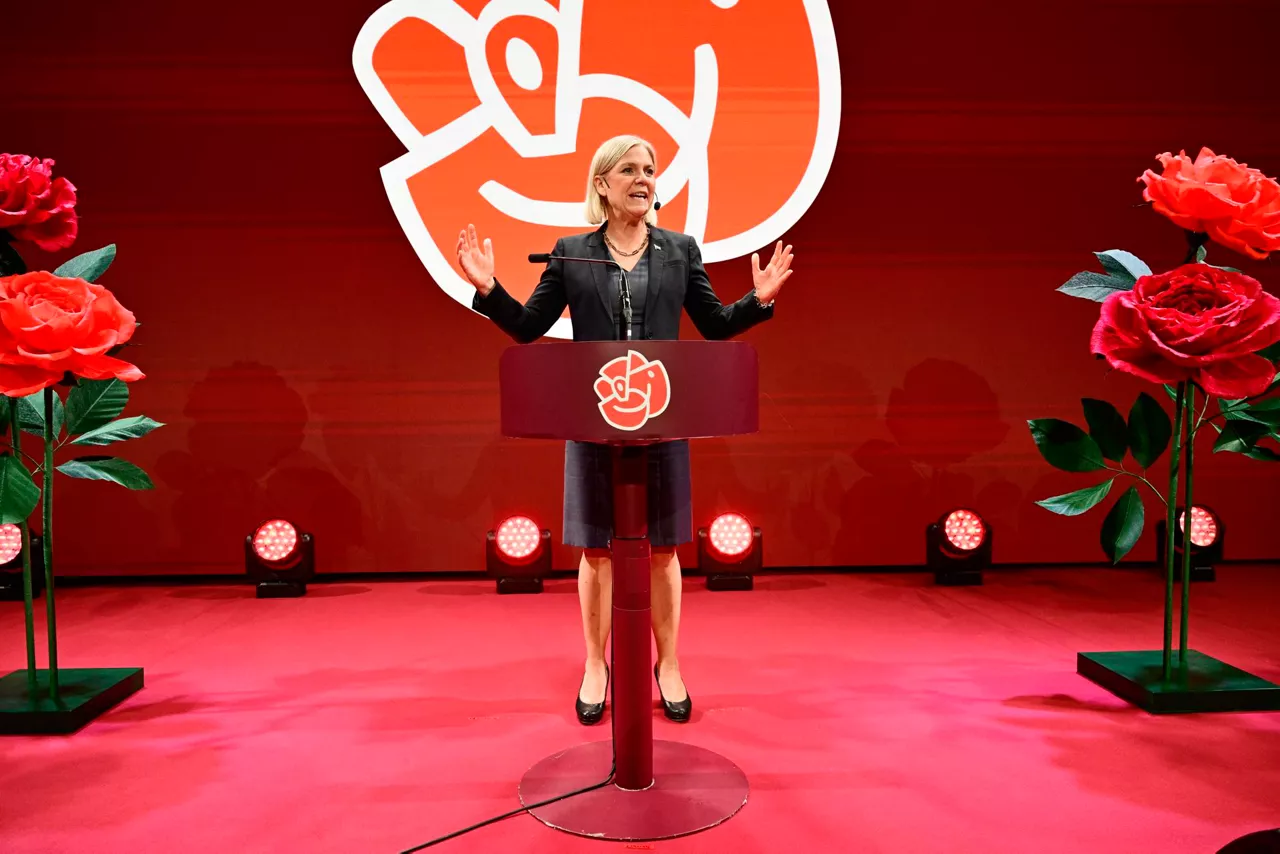
The center-left opposition has won a narrow victory in Sweden, but the result is still uncertain
It has only three seats ahead, 176 against 173, and the final result is expected by Friday, counting the votes from abroad. The far-right has lost strength and lagged behind the Conservative Party.

U.S. Congressional Democrats Want to Slow AI Development After Sector Leaders "Alarm, Trump Says" It Won't Happen "
Democrats in the lower house will meet on Tuesday, where "an important priority will be action on artificial intelligence," they have advanced.
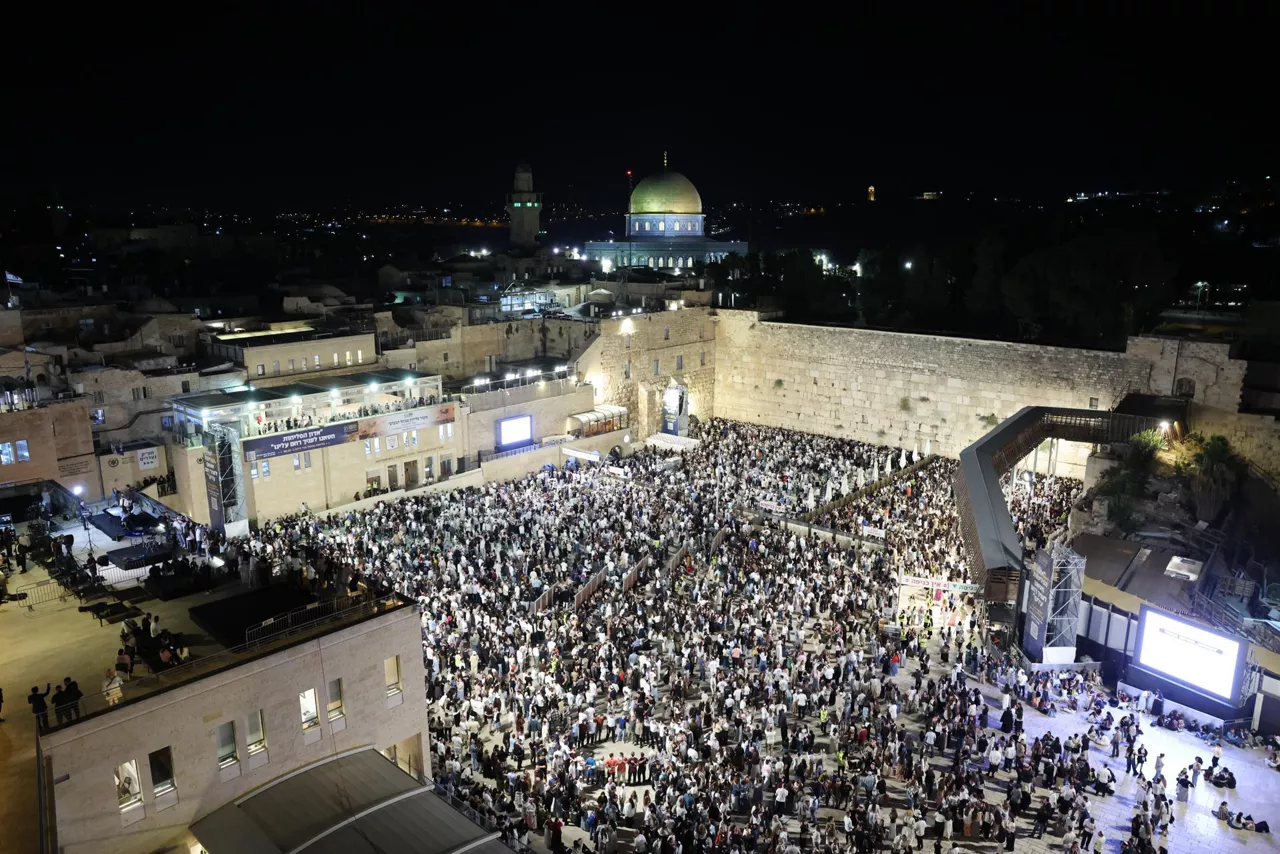
Nearly 500 Israeli settlers have entered the Al Aqsa mosque during the Jewish New Year celebrations
According to the status quo, which has been in force since 1967 (when Israel occupied eastern Jerusalem), this camp is only for Muslim worship, and Jews can only enter as visitors.

The Swedes will decide today between the centre-left opposition or the current right-wing government
The centre-left is a favorite in the polls with a slight difference, and if the right wins in the end, the far-right can enter the government.
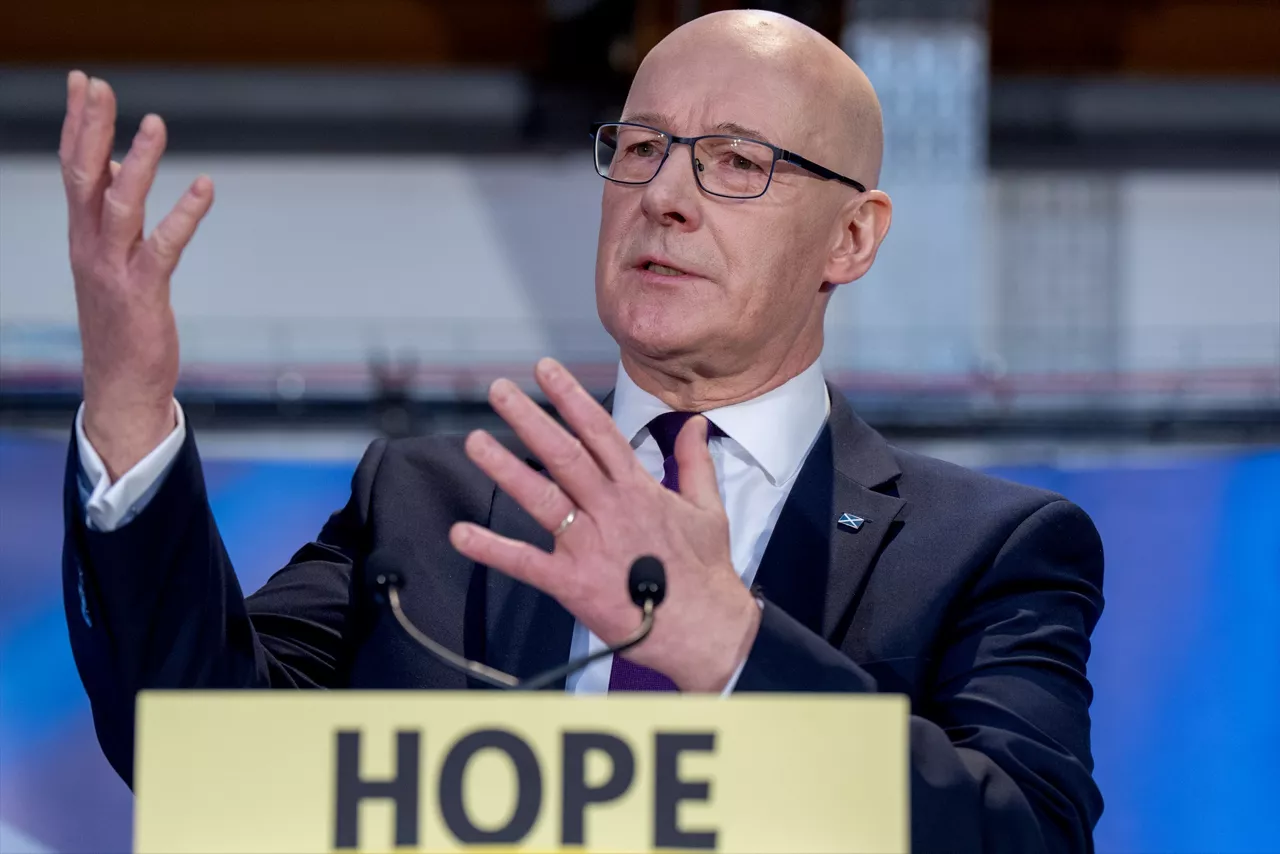
Leaders from Scotland, Wales and Northern Ireland will sign a memorandum for independence
The announcement comes a day after Trump said Ireland's reunification is imminent; his statements have been widely criticized in the UK.
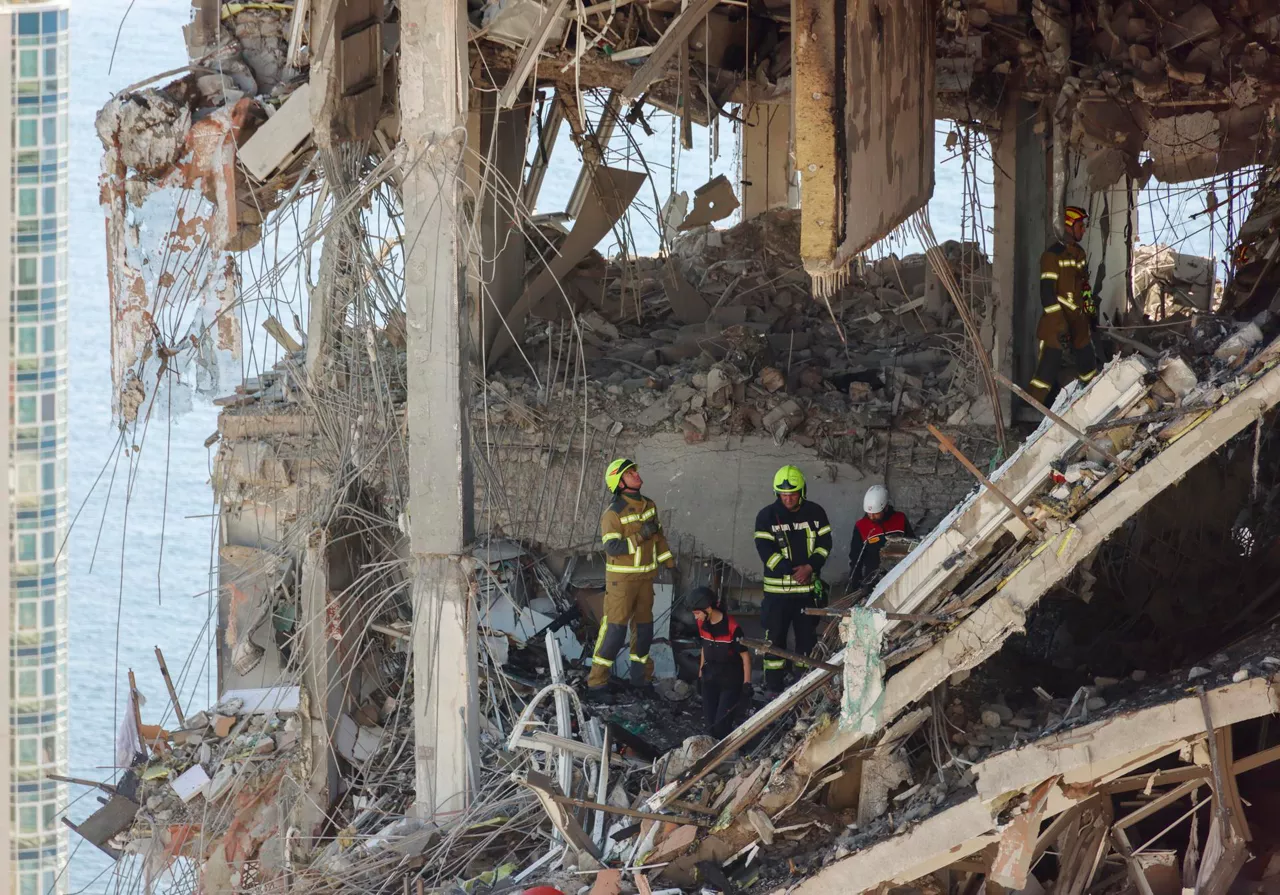
Russia attacks Ukraine with drones one more night
Kiev has claimed that it has been able to defuse most of the drones, which Moscow has claimed responsibility for, and has clarified that it has targeted Ukraine's "logistics centers" and "energy facilities." At least five people have been injured.
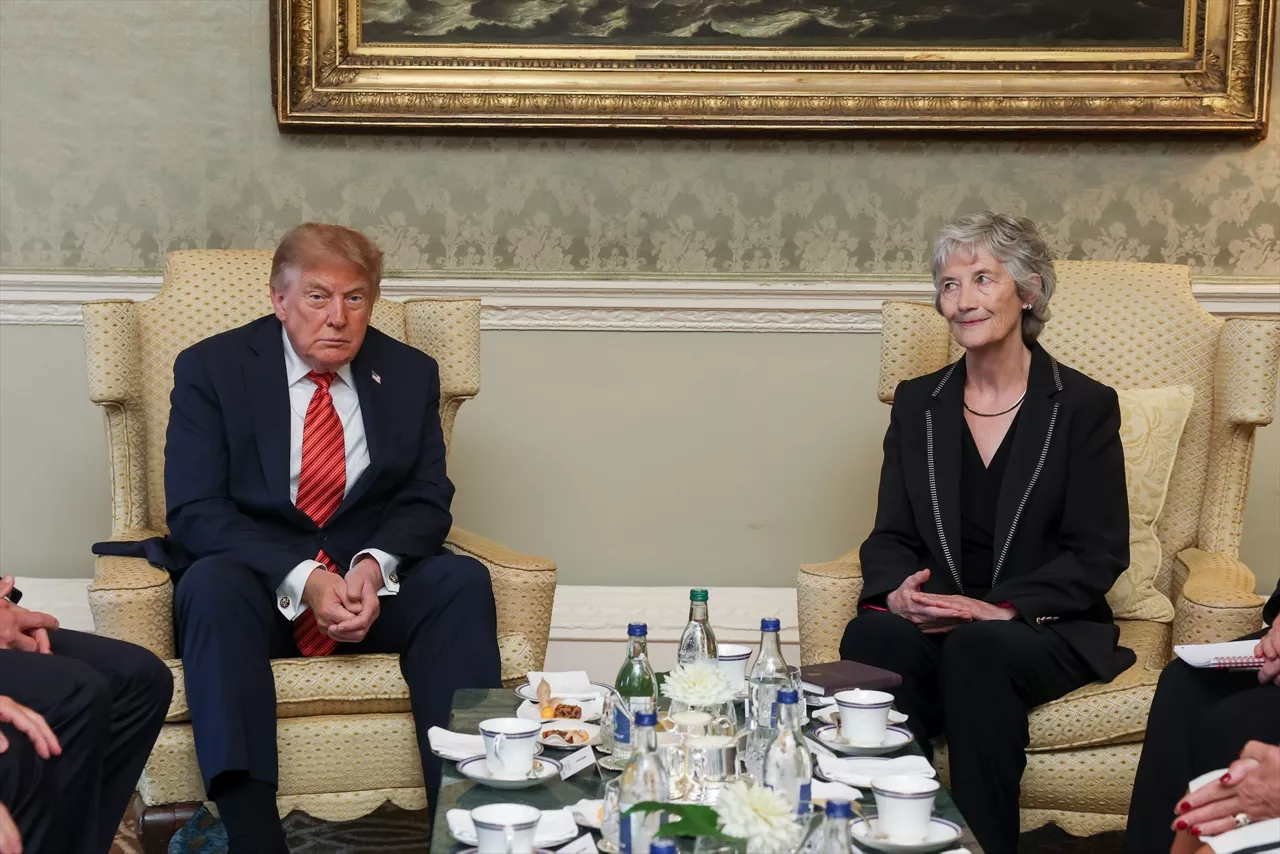
Trump said he would "love" to unite Ireland: "Sooner or later it will happen."
The President of the United States, who is in Ireland these days, has made these controversial statements, and the reactions have come in full swing.
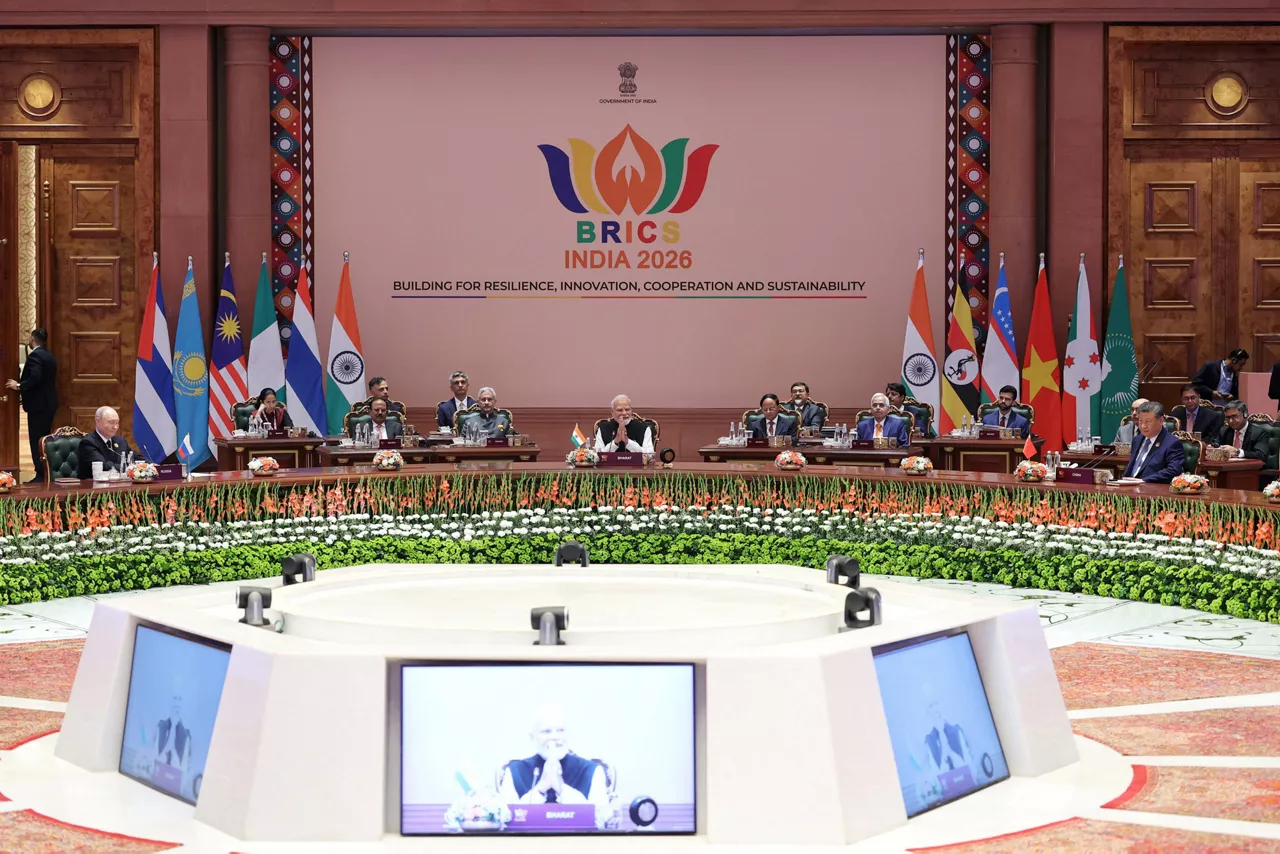
BRICS countries have decided to moderate the Middle East and reject unilateral sanctions
Meeting in India, these countries have agreed on a comprehensive 140-point statement, including a commitment to work together to "protect the flow of trade and energy."

Ramón Aizarna lived 300 meters away from the 9/11 attacks: "The impact of everything seen will be for life"
The Guipuzcoan Ramón Aizarna, a Basque based in the United States, followed the attacks on the Twin Towers of 11 I-11 from a loft overlooking the World Trade Center. He told live for ETB what was happening at the time. Twenty-five years later, we spoke to him again, from his testimony, to remember that tragic day that changed history.